
The omnipresent gaze of the Stasi, the secret police of the German Democratic Republic (GDR), cast a long shadow over the lives of its citizens. Beyond the immediate threat of arrest and interrogation, the systematic surveillance employed by the Stasi had a profound and lasting psychological impact, shaping individual behavior, eroding trust, and ultimately leaving deep scars on the collective psyche of East Germany. This pervasive atmosphere of suspicion and fear was not merely a tool of political control; it was a weapon that weaponized the very fabric of human connection, fostering a culture of self-censorship and internal division.
The Stasi’s modus operandi relied on an intricate network of informants, creating a landscape where anyone – a neighbor, a colleague, even a family member – could be an agent of the state. This constant threat of betrayal systematically dismantled the foundations of trust that are essential for healthy social interaction and personal well-being.
The Pervasive Fear of Betrayal
The Stasi actively encouraged citizens to report on one another, offering incentives and exploiting personal grievances. This led to a climate of paranoia, where casual conversations could be misconstrued and innocent actions scrutinized for hidden dissent. Individuals learned to be guarded, to measure their words, and to present a carefully curated persona to the world. The fear of being reported, of having one’s private life exposed and used against them, became a constant undercurrent of daily existence.
The Unseen Informant: A Constant Shadow
The effectiveness of the Stasi lay in its ability to operate largely unseen. Informants were often anonymous, their faces hidden, their motives suspect. This faceless nature of surveillance amplified the anxiety, as individuals could not identify their potential betrayers, leading to suspicion being cast upon everyone. The psychological toll of this uncertainty was immense, forcing people to constantly assess their surroundings and the intentions of those around them.
The Normalization of Suspicion
Over decades, this constant vigilance became normalized. Children grew up in an environment where discretion and caution were taught as essential survival skills. The concept of private life became blurred, as the state intruded into homes, workplaces, and social gatherings. This normalization, while a testament to the Stasi’s success in implanting fear, represented a significant psychological burden, limiting spontaneous expression and fostering a sense of perpetual unease.
The Rise of the “Inner Emigrant”
In response to the stifling atmosphere, many East Germans developed what historian Thomas Klein termed the “inner emigrant” phenomenon. This psychological adaptation involved a withdrawal from public life and a retreat into a private sphere of intellectual and emotional autonomy. While outwardly conforming to the regime’s demands, these individuals cultivated an internal world free from state control.
The Double Life: Public Facade and Private Reality
The “inner emigrant” led a double life, presenting a compliant and engaged citizen in public while harboring dissenting thoughts and feelings in private. This required immense emotional fortitude and a sophisticated capacity for compartmentalization. The energy expended in maintaining this duality was considerable, often leading to a sense of isolation and emotional exhaustion.
The Sanctuary of the Mind: Preserving Autonomy
The mind became the last bastion of freedom. Intellectual pursuits, private reading, and intimate conversations with trusted individuals became vital outlets for self-expression and the preservation of individual identity. This mental retreat, however, could also lead to feelings of alienation from the public sphere and a sense of powerlessness to enact meaningful change.
The psychological effects of Stasi surveillance have been a topic of extensive research, highlighting the profound impact of constant monitoring on individuals’ mental health and social behavior. For a deeper understanding of this subject, you can explore the article “The Lingering Shadows of Stasi Surveillance” which discusses the long-term consequences of living under such oppressive scrutiny. To read more about it, visit this article.
The Impact on Social Relationships: Broken Bonds and Manufactured Divisions
The Stasi actively sought to disrupt social cohesion by exploiting existing tensions and manufacturing new ones. The surveillance apparatus was designed to isolate individuals and weaken communal bonds, making organized dissent more difficult.
The Weaponization of Personal Grievances
Informants were encouraged to report on neighbors, colleagues, and even friends, often by exploiting petty disputes, jealousies, and rivalries. This created a social environment where even minor disagreements could be amplified and weaponized by the state. The result was a pervasive atmosphere of distrust, where genuine friendships became a luxury and suspicion often overshadowed camaraderie.
The Exploitation of Everyday Conflicts
The Stasi expertly identified and exploited everyday conflicts, turning them into instruments of control. A spat over a parking space or a disagreement at work could be twisted into a report of political disloyalty, leading to interrogations and potential repercussions. This demonstrated a chilling understanding of human psychology and an opportunistic approach to maintaining power.
The Fragmentation of Communities
By fostering suspicion and encouraging reporting, the Stasi actively worked to fragment communities. Block associations, workplaces, and even families became potential arenas for betrayal. This prevented the formation of strong, unified groups that could pose a challenge to the regime. The psychological impact was a sense of isolation and a diminished capacity for collective action, even in the face of shared grievances.
The Stasi’s Role in Family Destabilization
The Stasi did not shy away from targeting families, exploiting familial relationships to gather intelligence and exert pressure. This often involved the surveillance of children, encouraging them to report on their parents, or using family members as leverage against one another.
The Surveillance of Children: Corrupting Innocence
The Stasi’s willingness to involve children in their surveillance network was particularly insidious. Children were sometimes encouraged to report on their parents’ conversations or activities, creating a deep rift between generations and corrupting the innocence of childhood. The psychological trauma inflicted on these young individuals, forced to betray their loved ones, was immense and long-lasting.
The Use of Family Members as Leverage
Parents were often pressured to cooperate with the Stasi to protect their children from perceived threats or to secure better opportunities for them. This created immense emotional stress and forced individuals into impossible moral dilemmas, where personal integrity was pitted against the safety and well-being of their families.
The Long-Term Psychological Scars: Anxiety, Depression, and the Struggle for Normalcy

The effects of living under constant surveillance did not disappear with the fall of the Berlin Wall. The psychological scars left by the Stasi’s pervasive presence continued to affect individuals and society for years to come.
Lingering Anxiety and Post-Traumatic Stress
For many who experienced direct Stasi interrogation or imprisonment, the psychological impact was severe and often manifested as anxiety, depression, and post-traumatic stress disorder (PTSD). The memories of interrogations, the feeling of helplessness, and the trauma of persecution left deep emotional wounds.
The Echoes of Interrogation Rooms
The psychological imprint of Stasi interrogation rooms, with their oppressive atmosphere and intimidating tactics, lingered for decades. Many survivors reported flashbacks, nightmares, and an ongoing struggle to feel safe and secure in their own homes. The violation of their personal space and the psychological manipulation they endured had a profound impact on their mental health.
The Difficulty of Reintegrating into Society
Reintegrating into a free society after years of living under surveillance and repression proved challenging for many. The ingrained habits of caution and distrust were difficult to shed, and the experience of having one’s life dictated by a totalitarian regime left many feeling disoriented and ill-equipped to navigate the freedoms and responsibilities of a democratic society.
The Burden of Silence and the Unspoken Trauma
A significant aspect of the Stasi’s psychological impact was the enforced silence surrounding its activities. For years, victims and even those who merely suspected surveillance were reluctant to speak out, fearing reprisal or further stigmatization. This collective silence perpetuated the trauma and prevented genuine healing.
The Stigma of Being Targeted
Being targeted by the Stasi often carried a social stigma. Individuals who had been interrogated or imprisoned were sometimes viewed with suspicion, as if their persecution was a reflection of their own perceived wrongdoing. This added another layer of psychological burden, making it difficult for victims to share their experiences and seek support.
The Challenge of Reconciliation
The process of reconciliation in post-GDR Germany has been fraught with difficulty. The Stasi’s pervasive nature and the sheer number of people involved as informers or officers created a complex and often painful reckoning. The psychological impact of this ongoing process of confronting the past continues to shape German society.
The Impact on Identity and Self-Perception
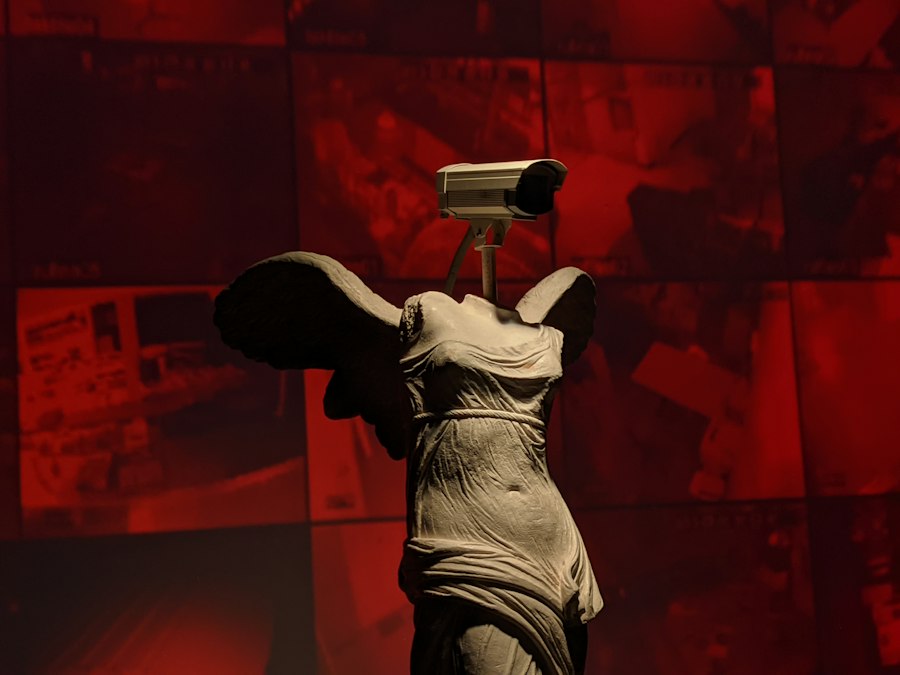
Living under constant surveillance fundamentally altered how individuals perceived themselves and their place in the world. The Stasi’s objective was to mold citizens into compliant automatons, and the psychological mechanisms employed were designed to achieve this.
The Internalization of State Ideology
The Stasi, through its surveillance and propaganda, sought to encourage the internalization of state ideology. Citizens were encouraged to believe in the righteousness of the socialist state and to see dissent as a betrayal of the collective good. For those who resisted, this created an internal conflict between their genuine beliefs and the externally imposed narrative.
The Pressure to Conform Publicly
The constant threat of being monitored meant that outward conformity was paramount. Even if individuals privately disagreed with the regime, they were compelled to express loyalty and participate in state-sanctioned activities. This pressure to perform a particular role could lead to a disconnect between one’s public persona and one’s true self, contributing to feelings of inauthenticity.
The Struggle for Authentic Self-Expression
The suppression of genuine expression forced many to develop a heightened sense of self-awareness and to cultivate internal reserves of strength. However, the constant suppression of authentic desires and opinions could lead to feelings of frustration, resentment, and a diminished capacity for spontaneous joy.
The Question of Guilt and Complicity
The Stasi’s extensive network of informants blurred the lines between victim, perpetrator, and passive observer. Many individuals found themselves caught in a complex web of complicity, either through active collaboration, passive acquiescence, or simply by living within the system. This created a profound sense of moral ambiguity and personal guilt.
The Burden of Knowing or Suspecting
The knowledge that friends, colleagues, or neighbors might be informing on you, or the suspicion that you yourself might be under surveillance, created a constant psychological burden. This led to an introspection that was often agonizing, as individuals grappled with their own complicity, their capacity for betrayal, and their responsibility to resist.
The Difficulty of Forgiveness and Moving Forward
For those who were victims of betrayal, the act of forgiving the betrayer, or even accepting the complex circumstances that led to such actions, proved incredibly difficult. The psychological wounds inflicted were deep, and the process of healing often involved confronting these painful truths and finding a way to move forward without letting the past consume them.
The psychological effects of Stasi surveillance have been a topic of extensive research, highlighting the profound impact such invasive monitoring can have on individuals and communities. Many former East Germans have reported feelings of paranoia, mistrust, and anxiety that linger long after the regime’s fall. For those interested in exploring this subject further, a related article discusses the long-term consequences of living under constant surveillance and the ways it shapes societal behavior. You can read more about these effects in this insightful piece found here.
The Legacy of Surveillance: Lessons for Today and the Future
| Psychological Effects of Stasi Surveillance | Metrics |
|---|---|
| Paranoia | Increased suspicion and distrust of others |
| Anxiety | Constant fear of being watched or monitored |
| Isolation | Withdrawal from social interactions to avoid scrutiny |
| Depression | Feelings of hopelessness and helplessness |
| Post-Traumatic Stress | Long-term psychological impact from surveillance experiences |
The psychological impact of Stasi surveillance offers crucial lessons for contemporary societies grappling with issues of privacy, technology, and state power. Understanding the long-term consequences of pervasive surveillance is essential for safeguarding individual liberties and fostering healthy democratic societies.
The Digital Panopticon: Modern Echoes of Stasi Tactics
The advent of digital surveillance technologies presents a new and potentially more insidious form of monitoring. The ability to collect and analyze vast amounts of personal data raises concerns about a digital panopticon, where individuals are constantly aware that their online activities are being tracked and scrutinized. The psychological parallels to Stasi surveillance are undeniable, raising questions about the erosion of privacy and the potential for chilling effects on free expression.
The Normalization of Data Collection
Similar to the normalization of Stasi surveillance, the pervasive collection of personal data in the digital age is often accepted with a degree of complacency. The convenience of online services and the perceived anonymity of digital interactions can mask the profound implications for individual autonomy and the potential for misuse.
The Power of Algorithms and Predictive Policing
The use of algorithms to analyze data and predict behavior can create a new form of pre-emptive control. While presented as a tool for efficiency and security, such technologies raise ethical concerns about bias, the potential for discrimination, and the chilling effect on dissent when individuals fear being flagged for future actions based on past behavior.
Safeguarding Privacy and Promoting Digital Literacy
The experiences of East Germany underscore the importance of robust legal frameworks and public awareness in safeguarding privacy. Promoting digital literacy and critical thinking about data collection and its implications is crucial for empowering citizens in an increasingly surveilled world.
The Importance of Transparency and Accountability
Transparency in data collection practices and strong accountability mechanisms for those who wield surveillance power are essential. Citizens need to understand how their data is being used and have recourse when it is misused or exploited.
Fostering a Culture of Digital Rights
Championing digital rights, which are extensions of fundamental human rights into the digital realm, is vital. This includes the right to privacy, freedom of expression online, and the protection from arbitrary surveillance. The lessons learned from the Stasi’s abuses serve as a stark reminder of what can happen when these rights are systematically undermined.
In conclusion, the psychological impact of Stasi surveillance was a multifaceted and devastating phenomenon that permeated every aspect of life in the German Democratic Republic. It dismantled trust, fractured social bonds, and inflicted deep emotional wounds that continued to affect individuals long after the regime’s collapse. The legacy of this pervasive surveillance serves as a powerful cautionary tale, reminding us of the enduring importance of privacy, trust, and the fundamental human need for freedom from the all-seeing eye. The ghosts of the Stasi’s gaze continue to whisper warnings about the potential dangers of unchecked state power and the insidious ways it can erode the very essence of human connection and individual well-being.

The Stasi Made You Suspect Everyone
FAQs
What is Stasi surveillance?
Stasi surveillance refers to the extensive and invasive surveillance tactics employed by the Ministry for State Security (Stasi) in East Germany during the Cold War era. The Stasi used a wide range of methods, including informants, wiretapping, and infiltration, to monitor and control the population.
What were the psychological effects of Stasi surveillance on individuals?
The psychological effects of Stasi surveillance on individuals were profound and long-lasting. Many people experienced feelings of paranoia, anxiety, and mistrust, as they were constantly aware of the possibility of being watched or reported on by the Stasi. This led to self-censorship, social isolation, and a pervasive sense of fear and helplessness.
Did Stasi surveillance have a lasting impact on society as a whole?
Yes, the effects of Stasi surveillance had a lasting impact on East German society as a whole. The pervasive culture of surveillance and distrust created a climate of fear and suspicion, which eroded social trust and cohesion. Even after the fall of the Berlin Wall and the reunification of Germany, the psychological scars of Stasi surveillance continued to affect individuals and communities.
How did Stasi surveillance affect relationships and social interactions?
Stasi surveillance had a profound impact on relationships and social interactions in East Germany. Many people were hesitant to express their true thoughts and feelings, for fear of being reported to the Stasi by friends, family members, or colleagues. This led to a breakdown in trust and communication, as well as a sense of isolation and alienation.
What are the long-term implications of Stasi surveillance on mental health?
The long-term implications of Stasi surveillance on mental health are significant. Many individuals who were subjected to Stasi surveillance continue to experience psychological trauma, including symptoms of post-traumatic stress disorder (PTSD), decades after the fall of the Berlin Wall. The pervasive sense of fear and mistrust created by Stasi surveillance has had a lasting impact on the mental well-being of many East Germans.