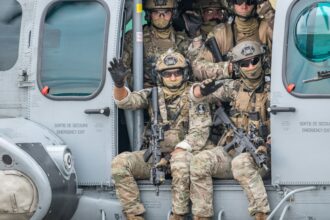
The shadows are where they operate, in the liminal spaces between nations, within the clandestine folds of conflict. Delta Force and DEVGRU, two of the United States’ most elite special operations units, represent the pinnacle of human capability in the realm of direct action, special reconnaissance, and counter-terrorism. Though often shrouded in secrecy, their operational roles are critical to national security, demanding unparalleled skill, unwavering dedication, and a level of adaptability that few can comprehend. Understanding their distinct yet often overlapping mandates provides insight into the complex and dangerous missions undertaken to protect American interests and its citizens at home and abroad.
Delta Force, officially known as the 1st Special Forces Operational Detachment-Delta (1st SFOD-D) or sometimes referred to by its older designations like Combat Applications Group (CAG), is the U.S. Army’s premier counter-terrorism and special operations unit. Its genesis lies in the aftermath of the failed Operation Eagle Claw in 1980, a hostage rescue mission in Iran that highlighted the need for a dedicated, highly trained force capable of executing high-risk missions with precision and speed. Delta Force operates under the umbrella of the U.S. Special Operations Command (USSOCOM) and is a cornerstone of the Joint Special Operations Command (JSOC), an element tasked with sensitive special operations missions.
Direct Action Operations
At its core, Delta Force excels in direct action operations. These are offensive missions that involve the seizure of objectives, destruction of enemy forces or materiel, or the recovery of personnel or sensitive equipment.
Hostage Rescue
Perhaps the most publicly recognized role of Delta Force is hostage rescue. Whether it’s American citizens kidnapped by terrorist organizations or personnel vital to national interests, Delta operators are trained to infiltrate, neutralize threats, and extract hostages with minimal collateral damage and maximum speed. This requires extensive preparation, meticulous intelligence gathering, and the ability to execute complex assaults under immense pressure. The unit’s proficiency in urban environments, close-quarters combat, and hostage negotiation (both from the operator’s perspective in understanding their environment and in liaison with civilian negotiators) are paramount.
Counter-Terrorism Operations
Delta Force is a primary instrument in the global fight against terrorism. This encompasses a wide spectrum of activities, from disrupting terrorist planning and logistics to directly engaging terrorist cells. Their operations can involve raids on suspected terrorist strongholds, the apprehension of high-value terrorist leaders, and the neutralization of immediate threats to national security. The unit’s ability to operate in denied areas, often with limited support and under extreme secrecy, makes them invaluable in preempting and responding to terrorist attacks.
Special Reconnaissance
While Delta Force is primarily known for its offensive capabilities, it also undertakes sophisticated special reconnaissance missions. This involves gathering intelligence in hostile or politically sensitive areas that cannot be accessed by conventional means. These missions can include surveillance of enemy installations, monitoring of troop movements, and the assessment of infrastructure for potential future operations. The intelligence gathered by Delta operators is often critical for informing broader military and diplomatic strategies.
Counter-Insurgency Support
In certain scenarios, Delta Force may also be deployed to support counter-insurgency efforts. This can involve training and advising indigenous forces, conducting targeted operations against insurgent leadership, and providing specialized skills that local forces may lack. Their experience in unconventional warfare and small-unit tactics makes them a valuable asset in complex, asymmetrical conflicts.
Delta Force and DEVGRU, two of the most elite special operations units in the United States military, have distinct operational roles that often lead to fascinating comparisons and analyses. For a deeper understanding of their missions, training, and unique capabilities, you can explore a related article that delves into the intricacies of these units. This article provides insights into their operational strategies and the types of missions they undertake, highlighting the differences and similarities between them. To read more, visit this link.
DEVGRU: The Navy’s Shadow Warriors
Naval Special Warfare Development Group, commonly known as DEVGRU (pronounced “dev-gru”) or SEAL Team Six, is the U.S. Navy’s premier counter-terrorism and special operations unit. Like Delta Force, DEVGRU operates under USSOCOM and is a key component of JSOC. Its origins are also rooted in the need for specialized capabilities, particularly in maritime environments. DEVGRU’s operational focus often leverages the unique capabilities of naval forces, including submarines, naval aircraft, and specialized watercraft, enabling them to conduct missions in diverse and challenging environments.
Maritime Operations and Beyond
DEVGRU’s distinct advantage lies in its maritime expertise, but its operational scope extends far beyond the water.
Maritime Counter-Terrorism
This is DEVGRU’s bread and butter. They are the primary force for countering terrorist threats emanating from or operating within maritime domains. This includes counter-piracy operations, securing maritime infrastructure like oil platforms and ports, and conducting raids on suspected terrorist vessels. Their ability to conduct amphibious assaults, board ships at sea, and operate in littoral environments is unmatched.
Direct Action in Maritime and Coastal Environments
DEVGRU’s direct action missions often involve operations in coastal regions, on islands, or against targets that require naval insertion or exfiltration. This could range from capturing enemy personnel on remote coastlines to destroying enemy assets located on or near the water. The unit’s mastery of underwater operations, including underwater demolition and reconnaissance, further enhances their capability in these environments.
Hostage Rescue in Maritime Settings
Just as Delta Force handles hostage situations, DEVGRU is the go-to unit for hostage rescues that involve a significant maritime component. This could be hostages taken aboard a ship, on a coastal facility, or in an area requiring naval access for insertion and extraction. Their specialized equipment and training for maritime environments are crucial in these high-stakes scenarios.
Special Reconnaissance in Littoral and Insular Areas
DEVGRU conducts specialized reconnaissance missions in coastal areas, islands, and other maritime-centric locations. This can involve gathering intelligence on enemy naval forces, identifying optimal landing zones, or assessing the environmental conditions for future operations. Their ability to insert and extract covertly from the sea or air makes them ideal for these sensitive intelligence-gathering missions.
High-Risk Personnel Recovery
Beyond hostage rescue, DEVGRU is tasked with the recovery of U.S. personnel in distress in hostile maritime environments. This could include downed pilots, shipwrecked sailors, or individuals captured in areas accessible by naval or air assets. The speed and decisiveness with which they can operate are critical in saving lives.
Overlapping Mandates and Interdependence
While Delta Force and DEVGRU possess distinct organizational identities and specialized skill sets, their operational mandates frequently overlap, necessitating a high degree of interoperability and mutual reliance. The nature of modern warfare and terrorism often transcends traditional service branches, requiring a unified approach.
Joint Special Operations Command (JSOC)
Both units fall under the command of JSOC, a testament to their shared operational purpose. JSOC’s role is to synchronize and coordinate the efforts of these elite units, ensuring that the right tool is applied to the right problem. This integration allows for seamless planning and execution of complex operations that might require the combined expertise of both Army and Navy special operators.
Inter-Service Training and Exercises
To maintain this seamless interoperability, Delta Force and DEVGRU regularly engage in joint training exercises. These exercises simulate realistic operational scenarios, allowing operators to familiarize themselves with each other’s tactics, techniques, and procedures (TTPs). They also provide opportunities to test and refine joint operational plans, identify areas for improvement, and build the crucial trust and camaraderie that are essential for effective teamwork under fire.
Combined Operations
In many high-stakes missions, Delta Force and DEVGRU will operate together. For instance, a complex counter-terrorism operation might require Delta’s expertise in land-based assault and reconnaissance, combined with DEVGRU’s maritime insertion and extraction capabilities. The ability of these units to integrate their forces, share intelligence, and coordinate actions in real-time is a force multiplier that significantly enhances mission success probabilities.
The Enigma of Secrecy and Operational Constraints
The highly classified nature of Delta Force and DEVGRU operations is not merely a matter of operational security; it is intrinsically linked to their effectiveness and the preservation of national interests. The very reason they are deployed is often because conventional forces cannot achieve the desired outcome discreetly or effectively.
Classification and Operational Security
The classified status of their missions, personnel, and equipment is paramount. Leaks of operational details can not only jeopardize current missions but also compromise future operations, endanger personnel, and tip off adversaries. This secrecy extends to their training facilities, recruitment processes, and even the specific tactics they employ.
Intelligence Driven Operations
At the heart of every successful Delta Force and DEVGRU operation lies meticulously gathered intelligence. These units are not deployed on a whim; their actions are predicated on precise, actionable intelligence that dictates the target, the timing, and the best approach. This intelligence is often gathered through a combination of human sources, signals intelligence, imagery intelligence, and reconnaissance conducted by the units themselves.
Constraints and Ethical Considerations
Despite their extraordinary capabilities, Delta Force and DEVGRU operate within strict legal and ethical frameworks. While the public perception might be of an unrestrained force, their missions are subject to rigorous oversight and must adhere to international law and rules of engagement. The ethical considerations involved in conducting direct action, especially in populated areas or when dealing with potential civilian casualties, are immense and are a constant factor in mission planning and execution. The ultimate goal is always to achieve mission objectives while minimizing harm and upholding American values.
Delta Force and DEVGRU, two of the most elite special operations units in the United States, have distinct operational roles that often overlap in high-stakes missions. While Delta Force primarily focuses on counter-terrorism and hostage rescue, DEVGRU, also known as SEAL Team Six, specializes in maritime operations and direct action missions. For a deeper understanding of their unique capabilities and missions, you can explore a related article that delves into the intricacies of these units and their impact on modern warfare. To read more about this fascinating topic, visit this article.
The Human Element: Selection and Training
| Unit | Primary Operational Role | Specialization | Typical Missions | Known Capabilities |
|---|---|---|---|---|
| Delta Force (1st SFOD-D) | Counter-terrorism and hostage rescue | Direct action, reconnaissance, counter-insurgency | Hostage rescue, high-value target capture/elimination, covert operations | Close quarters combat, advanced marksmanship, intelligence gathering |
| DEVGRU (SEAL Team Six) | Maritime counter-terrorism and special reconnaissance | Maritime operations, direct action, counter-terrorism | Ship boarding, underwater demolition, high-value target raids | Underwater combat, parachuting, advanced diving, close quarters battle |
The operational prowess of Delta Force and DEVGRU is not solely a product of advanced technology and sophisticated TTPs; it is fundamentally built upon the extraordinary individuals who comprise these units. The selection and training processes are legendary for their severity, designed to identify and forge individuals capable of performing under the most extreme duress.
Rigorous Selection Processes
Both units employ incredibly demanding selection processes designed to identify candidates with exceptional physical fitness, mental fortitude, and technical aptitude. These processes often involve extended periods of intense physical and psychological testing, designed to push candidates to their absolute limits and beyond. The goal is to identify those who can not only survive but thrive under immense pressure, maintain composure in chaotic situations, and make sound decisions when their lives and the lives of others are on the line. Candidates are typically drawn from existing special operations communities within their respective services, bringing with them a baseline of elite skill and experience.
Specialized Training Regimens
Once selected, operators undergo continuous and highly specialized training that far exceeds the requirements of even other elite special operations forces. This training covers a vast array of disciplines, including advanced marksmanship, close-quarters combat, tactical driving, parachuting (both static line and freefall), specialized demolitions, survival in extreme environments, medical skills (often far beyond basic first aid), and advanced intelligence gathering techniques.
Tactical Medicine
A critical component of their training is advanced medical care. Operators are trained to provide life-saving medical treatment to themselves and their teammates in austere environments, often in the absence of immediate medical support. This level of medical proficiency is essential for increasing survivability on the battlefield.
Advanced Weapons Proficiency
Beyond standard marksmanship, operators receive extensive training in the use of a wide array of firearms, including specialized weapons systems and improvised explosive devices (IEDs). Their proficiency with weapons is honed to an exceptional level, allowing for accurate and effective engagement in a variety of scenarios.
Unconventional Warfare and Subversion
Both units also receive training in unconventional warfare tactics, enabling them to operate behind enemy lines, disrupt enemy infrastructure, and potentially train and advise indigenous forces in hostile territories. This aspect of their training is crucial for their roles in counter-insurgency and counter-terrorism operations.
Psychological Resilience and Adaptability
Perhaps the most crucial aspect of their training focuses on psychological resilience and adaptability. Operators are exposed to scenarios designed to test their mental toughness, their ability to cope with stress and fear, and their capacity to adapt to rapidly changing circumstances. This ensures they can maintain focus and execute their mission effectively even in the most dire situations. The ongoing nature of their training reflects the ever-evolving nature of threats and the need for continuous skill refinement.
In conclusion, Delta Force and DEVGRU represent the apex of American special operations capabilities. Their operational roles are diverse, demanding, and often clandestine, serving as the nation’s primary instruments for responding to the most critical threats. From hostage rescue and counter-terrorism to special reconnaissance and direct action, these units operate with unparalleled skill and dedication, safeguarding national interests in the shadows where others cannot venture. Their existence underscores the commitment to possessing forces capable of the most difficult and dangerous missions, ensuring a level of security that transcends conventional military means.
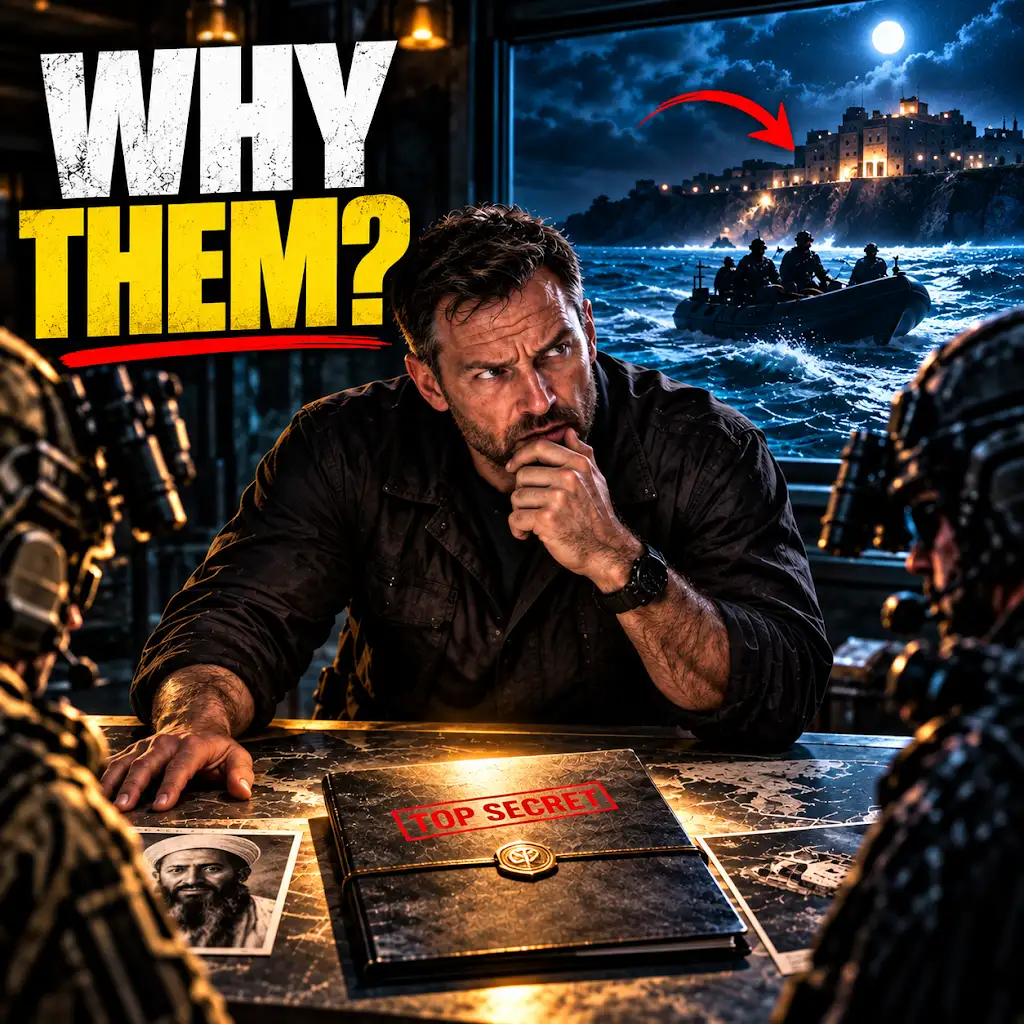
Why SEAL Team Six Got the Bin Laden Raid — Not Delta Force
FAQs
What is Delta Force’s operational role?
Delta Force, officially known as 1st Special Forces Operational Detachment-Delta, is a special operations force of the United States Army. Their primary operational role is to conduct counterterrorism missions, direct action, hostage rescue, and other specialized missions.
What is DEVGRU’s operational role?
DEVGRU, officially known as the United States Naval Special Warfare Development Group, is a special operations force of the United States Navy. Their operational role is primarily focused on counterterrorism, hostage rescue, and special reconnaissance missions.
How do Delta Force and DEVGRU differ in their operational roles?
While both Delta Force and DEVGRU are elite special operations forces, Delta Force primarily operates under the United States Army and focuses on land-based missions, while DEVGRU operates under the United States Navy and specializes in maritime operations.
What types of missions do Delta Force and DEVGRU typically undertake?
Both Delta Force and DEVGRU are known for conducting high-risk missions such as hostage rescue, direct action raids, counterterrorism operations, and special reconnaissance missions. They are often called upon to handle the most challenging and sensitive missions.
How are Delta Force and DEVGRU different from regular military units?
Delta Force and DEVGRU are specialized units within the U.S. military that undergo rigorous selection and training processes to operate in high-risk environments and execute complex missions. They are equipped with advanced weaponry, technology, and training to carry out their specialized roles effectively.