The intricate dance of modern warfare often necessitates specialized skills, precise execution, and unparalleled adaptability. These attributes are the hallmark of Special Operations Forces (SOF), elite units trained for the most complex and sensitive missions. However, the very nature of SOF – their independent development and deployment across different service branches – historically presented significant challenges in terms of coordination and overall effectiveness. It was this recognized deficit that spurred the creation of the Joint Special Operations Command (JSOC), a groundbreaking initiative designed to forge a more cohesive and potent SOF enterprise.
Prior to the establishment of JSOC, the United States possessed a formidable array of special operations capabilities. Each service – the Army, Navy, Air Force, and Marine Corps – developed its own specialized units, each with unique training doctrines, equipment, and operational philosophies. While these individual units were often highly proficient in their specific domains, their collective impact could be less than the sum of their parts. Missions requiring inter-service cooperation could become bogged down in bureaucratic hurdles, conflicting objectives, and a lack of standardized communication protocols.
The Cold War Landscape and Its SOF Implications
During the Cold War, the perceived threat of a large-scale conventional conflict often overshadowed the need for highly specialized, low-visibility operations. SOF units were often developed in relative isolation, responding to the specific needs and strategic priorities of their respective services. The focus was on building discrete capabilities rather than a truly integrated force.
Army Special Forces: Unconventional Warfare and Direct Action
The Army’s Special Forces, with their roots in World War II and further developed during the Vietnam War, specialized in unconventional warfare, reconnaissance, and direct action. Their emphasis on small-unit tactics and their ability to operate independently behind enemy lines made them invaluable in certain scenarios.
Navy SEALs: Maritime Operations and Counter-Terrorism
The U.S. Navy’s Sea, Air, and Land (SEAL) teams were honed for maritime environments, amphibious assaults, and counter-terrorism operations. Their inherent ability to operate from the sea, air, and land provided a unique operational flexibility.
Air Force Special Operations Command: Air Mobility and Support
The Air Force’s special operations units focused on providing specialized air mobility, intelligence, surveillance, and reconnaissance (ISR), and direct action support to ground SOF elements. Their role in insertion, extraction, and providing vital airborne assets was crucial.
Marine Corps Special Operations: Expeditionary Warfare and Amphibious Expertise
The U.S. Marine Corps, known for its expeditionary capabilities, also developed its own special operations components, emphasizing amphibious warfare and rapid deployment in littoral environments.
The Emerging Realities of Post-Cold War Conflict
The end of the Cold War ushered in a new era of conflict characterized by asymmetric warfare, terrorism, and complex humanitarian interventions. These evolving threats often transcended traditional service boundaries, demanding a more unified and adaptable response. The limitations of a fragmented SOF structure became increasingly apparent.
The Rise of Terrorism as a Global Threat
The growing threat of international terrorism highlighted the need for rapid, precise, and often clandestine operations to disrupt terrorist networks and neutralize threats. This required seamless integration of intelligence, special operations, and inter-agency cooperation.
The Challenges of Interoperability and Command and Control
Without a central coordinating body, interoperability between different SOF units – in terms of equipment, communication systems, and tactical procedures – remained a significant challenge. This could lead to delays, inefficiencies, and increased risk during complex operations.
The creation of the Joint Special Operations Command (JSOC) was a pivotal moment in U.S. military history, aimed at enhancing the coordination and effectiveness of special operations forces across various branches of the armed services. This development was largely in response to the evolving nature of warfare and the increasing need for specialized units to address unconventional threats. For a deeper understanding of the factors that led to the establishment of JSOC and its impact on modern military operations, you can read the related article at In The War Room.
The Imperative for Integration: JSOC’s Mandate
Recognizing the growing need for a more unified and effective special operations force, the U.S. Department of Defense initiated the creation of the Joint Special Operations Command (JSOC) in 1980. Its primary mandate was clear: to improve the coordination, synchronization, and overall effectiveness of U.S. special operations forces across all services. JSOC was designed to be more than just a coordinating office; it was intended to be a force multiplier, enabling SOF to tackle threats with greater agility, precision, and impact.
Establishing Unity of Command and Effort
The core principle behind JSOC’s establishment was the creation of a unified command structure for special operations. This aimed to eliminate the stovepipes that had previously hindered inter-service cooperation and to ensure that SOF assets were employed in a synchronized manner to achieve overarching strategic objectives.
Breaking Down Service Silos
JSOC’s creation was a deliberate attempt to break down the traditional service-centric approach to special operations. By bringing together elite units from across the branches under a single command, it fostered a shared sense of purpose and a common operational framework.
Enabling Joint Operations and Interoperability
A key objective was to ensure that SOF units from different services could operate seamlessly together. This involved standardization of certain procedures, development of joint training exercises, and the establishment of interoperable communication systems.
Enhancing Operational Effectiveness and Responsiveness
JSOC was tasked with improving the overall effectiveness and responsiveness of SOF. This meant not only coordinating existing capabilities but also identifying gaps, developing new capabilities, and ensuring that SOF were postured to meet emerging threats.
Strategic Planning and Resource Allocation
JSOC plays a critical role in the strategic planning and resource allocation for special operations. This includes identifying critical requirements, prioritizing investments, and ensuring that resources are aligned with national security objectives.
Development of Novel Tactics and Technologies
The command has been instrumental in the development and dissemination of new tactics, techniques, and procedures (TTPs) as well as the integration of cutting-edge technologies to maintain SOF’s technological edge.
The Structure and Function of JSOC: A Command of Elite Capabilities
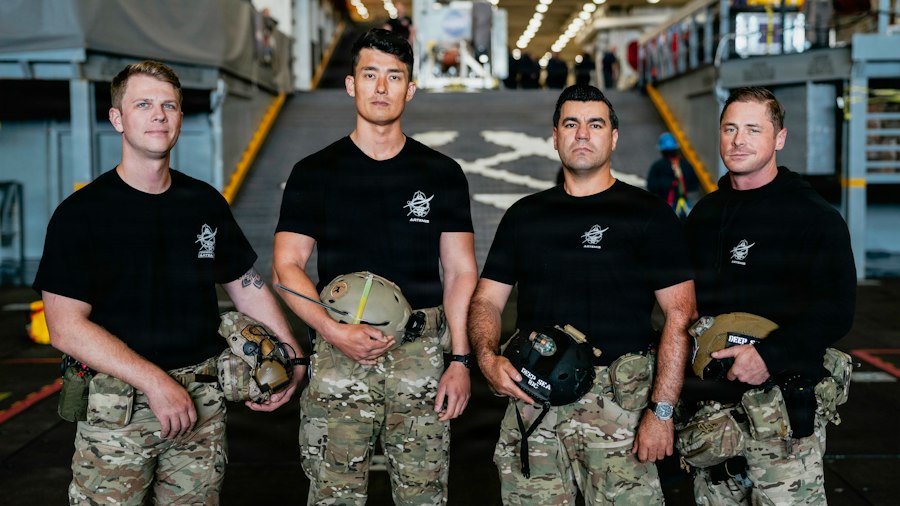
JSOC is a subordinate unified command under the U.S. Special Operations Command (SOCOM). Its structure is designed to facilitate the rapid deployment and effective employment of highly specialized units drawn from the various service components. While the exact composition and operational details of JSOC remain classified, its core functions and the types of units it commands are understood to be focused on high-risk, high-reward missions.
The Tiered Approach to SOF Employment
JSOC operates on a tiered approach to SOF employment, with different units designed for varying levels of specialization and operational tempo. This allows for the precise allocation of the right capabilities to the right mission.
Tier 1 Units: The Apex of Special Operations
At the apex of JSOC are its Tier 1 units, often referred to as the most elite among the elite. These units are capable of conducting the most sensitive and complex operations, often in denied or hostile environments, with a high degree of autonomy and precision.
Army’s Delta Force (1st Special Forces Operational Detachment-Delta)
Delta Force, also known as CAG (Combat Applications Group), is renowned for its counter-terrorism, hostage rescue, and direct action capabilities. Its operators are selected from the best of the best within the SOF community and undergo rigorous, continuous training.
Navy’s DEVGRU (Naval Special Warfare Development Group)
DEVGRU, often referred to as SEAL Team Six, is the Navy’s Tier 1 unit, specializing in maritime counter-terrorism, direct action, and special reconnaissance. Like Delta, its operators are drawn from experienced SEALs and undergo highly specialized training.
Air Force’s 24th Special Tactics Squadron
The 24th Special Tactics Squadron (STS) is the Air Force’s Tier 1 unit, focusing on special tactics, combat control, and pararescue. They are crucial for providing air support, battlefield medical care, and command and control in highly contested environments.
Tier 2 Units: Specialized Support and Capabilities
Below the Tier 1 units are a range of Tier 2 units that provide specialized support and capabilities, enhancing the overall effectiveness of JSOC operations.
Ranger Regiments (Army)
While not solely a JSOC command, the 75th Ranger Regiment’s capabilities in direct action, special reconnaissance, and airfield seizure are often integrated into JSOC-led operations, serving as a vital component.
Special Operations Aviation (Various Service Components)
Specialized aviation units from all services are crucial for the insertion, extraction, and support of JSOC operations. These include units like the 160th Special Operations Aviation Regiment (SOAR) – “Night Stalkers” – for the Army, and specialized helicopter and fixed-wing squadrons from other branches.
Intelligence and Support Elements
A comprehensive network of intelligence analysts, technical specialists, and support personnel are integral to JSOC’s success, providing the crucial situational awareness and logistical backing required for clandestine operations.
The Operational Cycle: From Planning to Execution and Review
JSOC’s operations follow a rigorous cycle that emphasizes meticulous planning, precise execution, and thorough post-operation analysis.
Intelligence Gathering and Analysis
The foundation of any JSOC operation is robust intelligence. Extensive intelligence gathering and analysis are conducted to understand the operational environment, identify targets, and mitigate risks.
Mission Planning and Rehearsal
Once intelligence is gathered, mission planners develop detailed operational plans, often involving complex simulations and extensive rehearsals to ensure flawless execution.
Mission Execution
During execution, JSOC operators leverage their specialized skills, advanced technology, and seamless coordination to achieve mission objectives with speed and precision.
Post-Mission Analysis and Feedback
After a mission, a comprehensive review is conducted to assess performance, identify lessons learned, and refine future operations. This feedback loop is critical for continuous improvement.
The Impact of JSOC: Shaping Modern Warfare
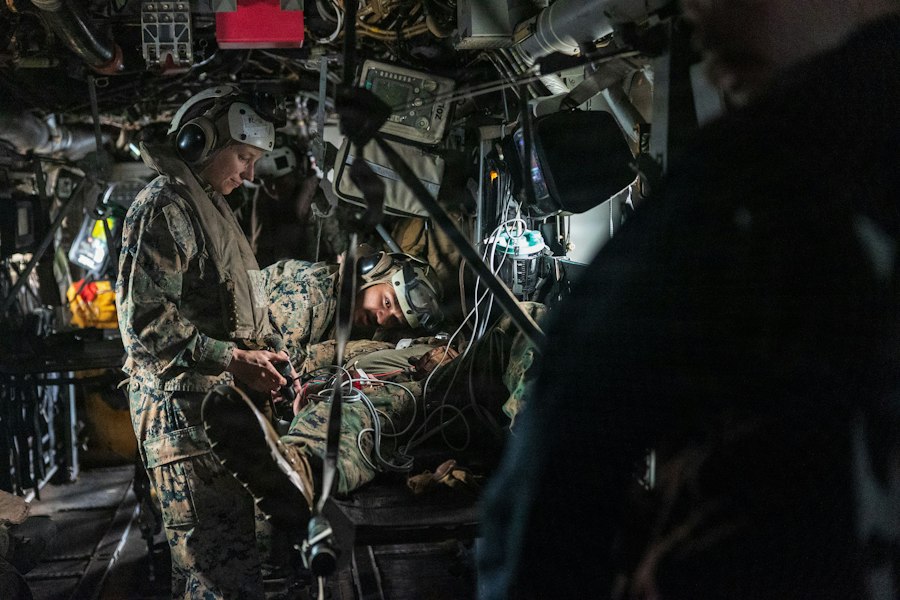
The creation and sustained operation of JSOC have had a profound and lasting impact on the conduct of modern warfare. It has transformed the way the United States conducts special operations, enabling it to confront complex threats with unparalleled effectiveness and agility.
Enhanced Counter-Terrorism Capabilities
JSOC has been at the forefront of the global fight against terrorism. Its ability to conduct precise, clandestine operations has disrupted terrorist networks, captured or eliminated key leaders, and prevented attacks.
The Hunt for High-Value Targets (HVTs)
JSOC has proven exceptionally adept at identifying and neutralizing High-Value Targets (HVTs), significantly degrading the operational capacity of terrorist organizations and hostile state actors.
Rescue Operations and Hostage Recovery
The command’s specialized units are highly capable of conducting complex rescue operations, including hostage recovery in high-risk environments.
Enabling Strategic Deterrence and Influence
Beyond direct action, JSOC plays a crucial role in strategic deterrence and the projection of influence. Its presence and capabilities can shape the behavior of adversaries and reassure allies.
Unconventional Warfare and Denied Areas Operations
JSOC’s ability to operate in unconventional ways and in denied areas allows for the subtle application of pressure and the support of friendly forces behind enemy lines.
Special Reconnaissance and Intelligence Gathering
The intelligence derived from JSOC’s reconnaissance missions provides invaluable insights into adversary capabilities and intentions, informing broader strategic decision-making.
Fostering a Culture of Excellence and Innovation
JSOC has cultivated a unique culture of excellence, innovation, and continuous improvement within the SOF community. This has a ripple effect across all special operations units.
Rigorous Selection and Training Standards
The demanding selection and training processes for JSOC operators set a high bar for SOF personnel, fostering a commitment to constant skill development.
Embracing Technological Advancement
JSOC has consistently been at the forefront of adopting and integrating new technologies, from advanced communication systems to cutting-edge intelligence platforms and weapons systems.
The creation of the Joint Special Operations Command (JSOC) was a pivotal moment in the evolution of U.S. military operations, aimed at enhancing the effectiveness of special operations forces in counterterrorism and other high-stakes missions. This development was largely driven by the need for a more coordinated and agile response to emerging threats, as highlighted in a related article that explores the historical context and strategic importance of JSOC. For a deeper understanding of this topic, you can read more about it in this insightful piece on special operations at In the War Room.
Challenges and the Future of Coordinated Special Operations
| Metric | Details |
|---|---|
| Year Established | 1980 |
| Primary Purpose | Coordinate and unify special operations forces from different military branches |
| Key Reason for Creation | Improve joint operational effectiveness after failures in hostage rescue missions (e.g., Operation Eagle Claw) |
| Initial Focus | Counterterrorism and hostage rescue |
| Branches Involved | Army, Navy, Air Force, and Marines special operations units |
| Operational Impact | Enhanced inter-service coordination and rapid response capabilities |
| Notable Early Missions | Operations in Grenada (1983) and Panama (1989) |
Despite its significant successes, JSOC and the broader concept of coordinated special operations face ongoing challenges. The evolving nature of global threats, the complexities of inter-agency cooperation, and the need for ethical considerations in warfare demand continuous adaptation and refinement.
The Evolving Threat Landscape
The rise of new forms of conflict, such as hybrid warfare and the increasing sophistication of cyber threats, requires SOF to adapt their tactics and capabilities.
Cyber Warfare and SOF Integration
The integration of cyber capabilities into special operations is becoming increasingly critical, requiring SOF to operate in both the physical and digital domains.
The Resurgence of Great Power Competition
The shift back towards great power competition presents new challenges, requiring SOF to be prepared for a wider range of scenarios, including operations against peer or near-peer adversaries.
The Importance of Inter-Agency and International Cooperation
JSOC’s effectiveness is often amplified by seamless cooperation with other government agencies and international partners. Maintaining and enhancing these relationships is paramount.
Bridging the Gap with Civilian Agencies
Effective collaboration with agencies like the CIA, FBI, and the Department of State is crucial for intelligence sharing, interdicting threats, and achieving strategic objectives.
Strengthening Alliances and Partnerships
Working with allied nations’ special operations forces enhances global security and allows for burden-sharing and the development of common operational standards.
Ethical Considerations and Accountability
The sensitive nature of JSOC operations raises important ethical considerations regarding the use of force, civilian casualties, and accountability.
The Principle of Proportionality and Distinction
Ensuring that SOF operations adhere to the principles of proportionality and distinction, minimizing civilian harm, remains a constant imperative.
Transparency and Oversight
Balancing the need for operational secrecy with the requirement for appropriate oversight and accountability is a delicate but essential undertaking.
In conclusion, the creation of the Joint Special Operations Command represented a pivotal moment in the evolution of U.S. special operations. It addressed the critical need for enhanced coordination and effectiveness by consolidating elite capabilities under a unified command. JSOC’s impact on counter-terrorism, strategic deterrence, and the overall conduct of modern warfare is undeniable. As the global security landscape continues to evolve, the principles of coordinated special operations, exemplified by JSOC, will remain essential in confronting the complex and multifaceted threats of the 21st century. The continuous adaptation, innovation, and unwavering commitment to excellence that define JSOC will be crucial in ensuring the continued security and stability of the United States and its allies.
Why SEAL Team Six Got the Bin Laden Raid — Not Delta Force
FAQs
What is the Joint Special Operations Command (JSOC)?
The Joint Special Operations Command (JSOC) is a component command of the United States Special Operations Command (USSOCOM) that is responsible for overseeing and conducting special operations missions.
When was the Joint Special Operations Command (JSOC) created?
JSOC was established in 1980 after the failed attempt to rescue American hostages in Iran highlighted the need for a dedicated special operations command.
What is the purpose of creating the Joint Special Operations Command (JSOC)?
JSOC was created to provide a unified command structure for special operations forces from different branches of the U.S. military, allowing for better coordination and execution of complex and sensitive missions.
Which special operations units fall under the Joint Special Operations Command (JSOC)?
JSOC oversees elite special operations units such as the Navy SEALs, Delta Force, Army Rangers, and Air Force Special Tactics Squadrons, among others.
What role does the Joint Special Operations Command (JSOC) play in national security?
JSOC plays a crucial role in national security by conducting high-risk, high-impact missions against terrorist organizations, capturing or killing high-value targets, and supporting U.S. military objectives around the world.