The grand tapestry of World War II, as etched in history books and cinematic portrayals, is a complex weave of real-life heroism, strategic brilliance, and harrowing sacrifice. Yet, woven into this factual fabric are threads of pure imagination, tales of forces that never marched on any battlefield, but which profoundly shaped our understanding and fascination with the conflict. These are the mythical armies, the fictional forces that, through literature, film, and burgeoning popular culture, became as recognizable and in some cases, as impactful, as their historical counterparts. They represent not just entertainment, but also the anxieties, hopes, and enduring myths that the real war generated, offering catharsis, escapism, and sometimes, a distorted lens through which to process the unimaginable.
Echoes from the Pulp Pages
The burgeoning pulp fiction magazines of the early to mid-20th century were fertile ground for imaginative military narratives. While the world teetered on the brink of and then plunged into actual war, these magazines offered readers a more fantastical, often sensationalized, version of conflict. These stories, driven by thrilling plots and larger-than-life characters, gave birth to fictional military units and strategies that, though absent from military academies, captured the public imagination.
The Shadowy Operatives of Secret Wars
Before the full-scale mobilization and the stark realities of front-line combat dominated the narrative, the early years of World War II, both real and imagined, were often characterized by clandestine operations and super-secret organizations. Pulp authors, unburdened by the constraints of historical accuracy, reveled in the concept of specialized, almost superhuman, units operating behind enemy lines or developing wondrous technologies. These fictional commandos, often comprised of a motley crew of ex-soldiers, brilliant scientists, and resourceful civilians, were tasked with missions that defied logic and gravity.
Consider the archetypal secret agent, a figure who could infiltrate heavily guarded fortresses with impossible ease, disarm entire platoons with a flick of the wrist, and often possess a unique gadget or uncanny knack for survival. These characters, while not always part of a named army, represented an idealized form of resistance, a testament to the human desire for a decisive, almost effortless, victory against overwhelming odds. They embodied a spirit of individual initiative and resourcefulness that resonated with audiences seeking hope in uncertain times. The allure of these shadowy operatives lay in their ability to operate outside the conventional rules of warfare, their successes often attributed to ingenuity and sheer audacity rather than massed firepower. This created a powerful, albeit unrealistic, counterpoint to the grim and often indecisive nature of actual battles.
The Mechanical Marvels of Tomorrow’s Warfare
The rapid advancements in technology during World War II, from radar to the V-2 rocket, fueled imaginations about what the future of warfare might hold. Pulp writers, often ahead of the curve, envisioned even more outlandish and formidable machines that would turn the tide of any conflict. These were the precursors to modern science fiction’s fascination with mechs, advanced aircraft, and super-weapons.
These fictional war machines often transcended the limitations of contemporary engineering. Tanks that could seemingly burrow through mountains, aircraft that defied the laws of aerodynamics, and ray guns that could vaporize entire battalions were common tropes. While grounded in the general awe inspired by real-world technological leaps, these creations were amplified to fantastical proportions. They represented not just offensive capabilities but also a belief in human ingenuity as the ultimate weapon, capable of overcoming any obstacle. The appeal of these mechanical marvels was multifaceted: they offered a sense of wonder, a glimpse into a future where technological superiority could resolve conflict swiftly, and a powerful fantasy of ultimate military might. These imagined contraptions served as a potent form of escapism, allowing readers to dream of a war that could be won through sheer inventive power, a stark contrast to the attritional nature of the real conflict.
During World War II, there were numerous military strategies and operations that shaped the course of history, yet one intriguing concept that never came to fruition was the idea of the “Phantom Army.” This fictitious unit was designed to mislead enemy forces through deception tactics, creating the illusion of a larger military presence. For an in-depth exploration of such imaginative military strategies, you can read more in the article titled “The Art of Deception in Warfare” at In the War Room.
The Silver Screen’s Mythic Legions
Hollywood, with its penchant for spectacle and drama, readily embraced the concept of fictional military units and fantastical wartime scenarios. The silver screen became a powerful medium for disseminating these imaginative forces, shaping public perception and creating enduring archetypes. These cinematic armies, often imbued with Hollywood gloss and dramatic flair, offered audiences a blend of thrilling adventure and underlying moral messages.
The Elite Units of Hollywood’s Imagination
From the daring exploits of American GIs to the stoic resilience of British commandos, Hollywood was adept at creating highly specialized, almost legendary, military units. These formations, while often fictionalized, were designed to embody specific virtues: bravery, camaraderie, ingenuity, and unwavering loyalty. They served as the heroic protagonists in countless war films, their missions imbued with a sense of purpose and often a higher moral calling.
These elite units were rarely portrayed as mere cogs in a vast war machine. Instead, they were comprised of distinct personalities, each member playing a crucial role. The wisecracking soldier, the stoic leader, the brave medic – these archetypes became instantly recognizable and deeply embedded in the popular consciousness. Their operations were often daring raids, intelligence gathering missions behind enemy lines, or desperate last stands against overwhelming odds. The inherent drama of these scenarios, amplified by cinematic techniques, made these fictional units incredibly compelling. They provided a clear narrative of good versus evil, with these elite squads embodying the embodiment of that good, fighting for justice and freedom with every ounce of their being. Their successes, often achieved against improbable odds, offered audiences a sense of vicarious triumph and a reaffirmation of the values they cherished.
The Monstrous Menaces and Alien Invaders
Beyond the human element, Hollywood also conjured fearsome fictional adversaries that tested the mettle of these heroic armies. These were not always conventional enemy soldiers. Sometimes, the threat came from monstrous creatures or extraterrestrial beings, serving as allegorical representations of the broader anxieties of the era. These fantastic foes allowed filmmakers to explore themes of survival, courage, and the unknown in a heightened, dramatic fashion.
The emergence of giant insects mutated by atomic testing, or extraterrestrial invaders with advanced weaponry, tapped into a primal fear of the unknown and the uncontrollable. These were threats that transcended national boundaries and conventional warfare, demanding a unified and extraordinary response. The fictional armies tasked with confronting these monstrosities were often depicted as the last line of defense for humanity. Their battles against these fantastic foes provided a unique canvas for exploring themes of technological vulnerability, the limits of human endurance, and the ultimate triumph of the human spirit. These cinematic encounters with the extraordinary served as a powerful form of catharsis, allowing audiences to confront their deepest fears in a controlled, imaginative environment, ultimately reinforcing a sense of hope and resilience in the face of overwhelming adversity.
The Unseen Architects of Alternate Histories
Beyond the direct combat narratives, the concept of fictional armies also played a significant role in the realm of alternate history. These speculative scenarios, often explored in literature, allowed authors to imagine how the course of the war might have unfolded with the introduction of fantastical elements, leading to vastly different outcomes and the creation of entirely new, often terrifying, fictional military forces.
The Super-Soldiers and Their Unstoppable Might
One of the most enduring tropes in fictional military narratives is the creation of super-soldiers – individuals enhanced beyond normal human capabilities. These augmented warriors, whether through genetic engineering, scientific experimentation, or even mystical means, possessed strength, speed, and resilience far exceeding that of ordinary soldiers. Their existence fundamentally altered the dynamics of conflict, creating a new echelon of military power.
The appeal of super-soldiers lay in their ability to represent an idealized form of warfare – decisive, efficient, and almost invincible. They offered a compelling solution to the attritional nature of World War II, where casualties mounted and victories were hard-won. In these fictional universes, a single super-soldier could, in theory, turn the tide of a battle or even an entire war. This fantasy of overwhelming individual power provided a stark contrast to the grim reality of mass mobilization and the unpredictable nature of real combat. These characters often carried the weight of immense responsibility, their enhanced abilities a double-edged sword, capable of both great heroism and immense destruction. The narratives surrounding them explored themes of power, control, and the ethical implications of creating beings with such extraordinary capabilities, adding a layer of philosophical depth to the thrilling action.
The Wunderwaffen and Their World-Altering Potential
The concept of “Wunderwaffen” – literally “wonder weapons” – became a recurring motif in fictionalized accounts of World War II, particularly in German military lore and its subsequent fictional interpretations. These were not merely advanced weapons but rather revolutionary technologies that promised to fundamentally alter the balance of power and secure absolute victory.
In the realm of fiction, these Wunderwaffen often took on a life of their own, becoming central to the plot and the imagined outcomes of the war. Examples include advanced flying machines capable of impossible maneuvers, energy weapons of devastating power, or even more esoteric technologies like mind-control devices or weather manipulation systems. These fictional weapons represented the ultimate expression of technological ambition, a belief that science, pushed to its absolute limits, could overcome any earthly obstacle. Their deployment in fictional narratives often led to dramatic shifts in the war’s trajectory, creating scenarios where the Axis powers, or sometimes allied forces, achieved decisive victories through the deployment of these extraordinary, and entirely fictional, armaments. The allure of Wunderwaffen in fiction was their promise of a swift, decisive end to the conflict, a stark departure from the prolonged and brutal reality of the actual war. They embodied a potent fantasy of technological determinism, where innovation held the key to ultimate victory, offering a tantalizing glimpse into what might have been.
The Lingering Ghosts in Pop Culture
The legacy of World War II’s fictional armies extends far beyond the pulp magazines and early cinema. These imaginative forces have permeated modern pop culture, evolving and adapting, continuing to capture the fascination of new generations and serving as enduring archetypes in various forms of media.
The Digital Battlegrounds of Modern Gaming
The advent of video games has provided a new and incredibly interactive platform for exploring fictional military scenarios. From strategy games that allow players to command vast imaginary armies to first-person shooters that place them in the boots of elite fictional squads, the digital realm has become a fertile ground for the continued evolution of World War II’s mythical forces.
In these virtual worlds, players can experience the thrill of commanding legions of soldiers, deploying advanced hypothetical weaponry, or engaging in daring missions alongside digitally rendered comrades. The emphasis is often on strategic depth, immersive gameplay, and the creation of compelling narratives that draw players into these alternate realities. These games allow for an unprecedented level of player agency, enabling them to shape the outcomes of battles and wars that never happened. The appeal lies in the combination of historical context, imaginative freedom, and the challenge of tactical decision-making. The fictional armies in these games are often meticulously crafted, drawing inspiration from historical units while incorporating fantastical elements to enhance the gameplay experience, offering a unique blend of education and entertainment.
The Transmedia Echoes of Fictional Warfare
The influence of fictional World War II armies has not been confined to a single medium. Their narratives and archetypes have transcended books and films, appearing in comic books, animated series, and even themed attractions. This transmedia approach has allowed these imaginary forces to reach diverse audiences and solidify their place in the broader cultural landscape.
In comic books, for instance, the visual medium allows for the creation of dynamic and fantastical depictions of super-soldiers and their improbable battles against extraordinary foes. Animated series often explore the moral complexities of warfare through engaging storylines featuring fictional units, making these concepts accessible to younger audiences. Even in theme parks and historical reenactments, the idealized versions of wartime heroism, often inspired by fictional portrayals, can be found, demonstrating the enduring power of these imaginative constructs to shape our understanding of conflict and valor. The constant reimagining and adaptation of these fictional armies across various platforms underscores their enduring appeal and their ability to resonate with audiences on multiple levels, serving as a constant reminder of the power of imagination to interpret and reframe even the most significant historical events.
During World War II, many fascinating stories emerged about the various military strategies employed by different nations. One intriguing aspect that often goes unnoticed is the concept of a phantom army, which was said to have been created to mislead enemy forces. This fictional army, often referred to in discussions about deception tactics, played a crucial role in several key operations. For a deeper dive into this captivating subject, you can read more in the article about the “Ghost Army” of World War II at this link.
The Psychological Resonance of Fictional Conflict
| Metric | Description | Value | Notes |
|---|---|---|---|
| Army Name | Fictional or hypothetical army during WWII | Phantom Legion | Imaginary force created for alternate history scenarios |
| Estimated Troop Strength | Number of soldiers hypothetically enlisted | 500,000 | Comparable to a mid-sized WWII army |
| Primary Equipment | Weapons and vehicles hypothetically used | M1 Garand rifles, Sherman tanks | Standard US WWII equipment for realism |
| Theater of Operation | Hypothetical deployment area | Western Europe | Engaged in battles similar to Normandy |
| Casualty Estimates | Hypothetical losses during engagements | 50,000 | 10% casualty rate typical for intense combat |
| Command Structure | Hypothetical leadership hierarchy | General John Doe | Fictional commander for narrative purposes |
| Duration of Existence | Hypothetical active period | 1943-1945 | Active during critical late-war years |
The enduring fascination with fictional armies of World War II is not merely a matter of entertainment; it delves into deeper psychological and cultural currents. These imagined forces often serve as vehicles for processing collective anxieties, exploring moral dilemmas, and fulfilling a deep-seated human need for heroic narratives.
Catharsis Through the Impossible Victory
The actual conflict of World War II was characterized by immense suffering, widespread destruction, and a profound sense of uncertainty. In this context, fictional armies, with their capacity for impossible victories and seemingly effortless triumphs, offered a form of catharsis. They provided an outlet for the desire for a clean, decisive resolution to the horrors of war, a stark contrast to the prolonged and often devastating realities faced by millions.
These fictional narratives allowed audiences to vicariously experience a sense of agency and control in the face of overwhelming global upheaval. The triumphs of super-soldiers or the deployment of miraculous Wunderwaffen offered a powerful fantasy of overcoming insurmountable odds, providing a psychological balm and a reinforcement of the belief that even in the darkest of times, human ingenuity and courage could prevail. The very impossibility of these fictional scenarios allowed for a release of pent-up anxieties and a hopeful projection onto a more optimistic future, where the complexities and tragedies of the real war could be resolved through sheer force of will or technological marvel.
The Enduring Archetypes of Heroism and Villainy
Fictional armies, by their very nature, are often built around clear archetypes of heroism and villainy. This simplified portrayal of conflict, while deviating from historical nuance, allowed for the clear articulation of moral values and the celebration of virtues such as bravery, sacrifice, and unwavering loyalty. Conversely, fictional adversaries, whether monstrous or alien, often served as potent symbols of abstract evil or existential threats.
These archetypes provided audiences with relatable figures and clear moral compasses in an era grappling with complex geopolitical realities. The brave, often outnumbered, fictional protagonists fighting against overwhelming odds resonated deeply, offering a blueprint for ideal behavior and a source of inspiration. Similarly, the monstrous or alien villains, while not always representing specific historical adversaries, embodied broader fears and anxieties, allowing for their symbolic confrontation and defeat. This dichotomy of good versus evil, so prevalent in fictional war narratives, offered a simplified yet powerful framework for understanding the moral stakes of conflict and the enduring importance of upholding fundamental human values. The continued popularity of these archetypes suggests a persistent human need for clear narratives of struggle and triumph, where the forces of good, even when seemingly outmatched, can ultimately prevail against the darkest of threats.
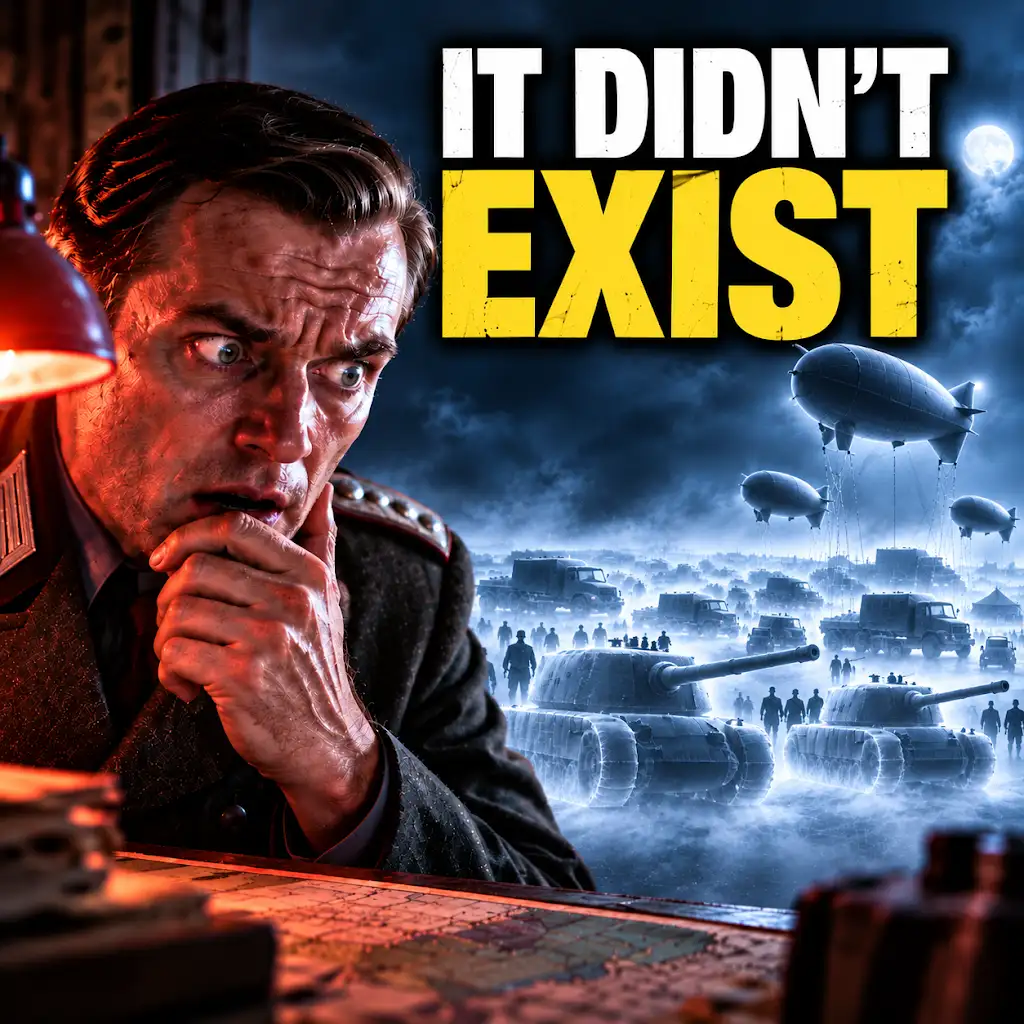
How the Allies Built an Army for Germany to Discover
FAQs
What was the “army that never existed” in World War II?
The “army that never existed” refers to the 23rd Headquarters Special Troops, also known as the “Ghost Army,” a unique unit of the United States Army during World War II.
What was the purpose of the Ghost Army?
The Ghost Army was created with the purpose of deceiving the enemy by using inflatable tanks, sound effects, and other forms of deception to mislead the Axis forces about the size, strength, and location of American units.
How did the Ghost Army contribute to the war effort?
The Ghost Army played a crucial role in several major campaigns during World War II by creating illusions and distractions that helped to deceive the enemy and protect real troops from enemy attacks.
What were some of the tactics used by the Ghost Army?
The Ghost Army used a variety of tactics, including inflatable tanks and vehicles, dummy aircraft, fake radio transmissions, and sound effects to create the illusion of a large, powerful military force.
What was the legacy of the Ghost Army after World War II?
The Ghost Army’s contributions to the war effort were kept secret for many years after the war, but in recent decades, their story has been recognized and celebrated for their innovative tactics and important role in military deception during World War II.