
The Soviet Union, a colossal state born from revolution and forged in the crucible of ideology, left behind a legacy as complex as it was vast. Among the myriad of its achievements and controversies, one particular aspect of its naval development has long intrigued and puzzled historians and naval enthusiasts alike: the sole Papa-class submarine. Unlike the prolific fleets of Whiskey or Foxtrot classes, or the formidable nuclear-powered behemoths, the Papa class stands as an enigmatic outlier, a testament to a specific, perhaps even singular, design philosophy. Its very existence, its limited number, and the secrecy surrounding its operational life invite a deep dive into the motivations, technological ambitions, and strategic calculations that led to its conception and construction. Understanding the Papa class is not merely about cataloging a naval vessel; it is about unraveling a facet of Soviet naval doctrine that remains partially obscured by the passage of time and the deliberate obfuscation of Soviet military planning. This article aims to shed light on the mystery, exploring the technological context, the strategic imperatives, the design features, and the ultimate fate of this unique Soviet submarine.
The Cold War Crucible and the Dawn of Submarine Innovation
The post-World War II era witnessed an unprecedented arms race between the United States and the Soviet Union, a competition that extended with particular ferocity into the realm of naval technology. Submarines, once primarily instruments of commerce raiding, evolved into potent strategic weapons, capable of projecting power, disrupting enemy supply lines, and, most alarmingly, delivering nuclear payloads. The Soviet Union, lagging behind the Western powers in many technological fields at the outset of the Cold War, recognized the immense strategic value of submarines and invested heavily in their development. This period was characterized by rapid experimentation and innovation, driven by the urgent need to counter the burgeoning American naval might.
From Conventional Designs to Emerging Threats
The early decades of the Cold War saw the Soviet Union developing a series of increasingly capable diesel-electric submarines. The Whiskey class, a direct descendant of German World War II designs, formed the backbone of the Soviet submarine force. While technologically unsophisticated by later standards, the sheer numbers produced made them a significant threat. As submarine detection technologies improved, and as the nuclear age dawned, the Soviet Union began to explore more advanced designs. The Foxtrot class, a larger and more capable diesel-electric submarine, represented a significant leap forward, offering improved range, diving depth, and armament. However, even these advanced conventional submarines faced limitations when confronting the emerging threat of nuclear-powered submarines, which possessed virtually unlimited endurance and higher underwater speeds.
The Strategic Imperative for Silent Hunters
The development of nuclear-powered submarines by the United States, particularly the Polaris missile-carrying ballistic missile submarines (SSBNs), presented a grave strategic challenge for the Soviet Union. These submarines offered a survivable second-strike capability, capable of launching devastating nuclear attacks from the relative safety of the ocean depths. The Soviet Union felt an immense pressure to develop a comparable deterrent and to find ways to counter this new threat. This pressure fueled a drive for innovation, pushing Soviet naval designers to explore new avenues in submarine technology, including speed, stealth, and specialized roles. The Papa class, though unconventional, can be seen as a product of this intense strategic environment, a response to perceived deficiencies and a bold attempt to address emergent threats with a novel approach.
The decision by the Soviet Union to construct only one Papa class submarine has been a topic of interest among military historians and naval enthusiasts alike. This unique vessel, known for its cutting-edge technology and design, was a response to the evolving naval warfare landscape during the Cold War. For a deeper understanding of the strategic implications and technological advancements that influenced this decision, you can read a related article on the subject at In The War Room.
The Enigmatic Papa: Design Philosophy and Technological Ambitions

The Papa-class submarine, designated Project 705 Lira by the Soviets, remains a singular entry in the annals of Soviet naval architecture. Its existence, as a solitary class of its specific design, raises fundamental questions about the underlying design philosophy and the specific technological ambitions that guided its creation. Unlike other Soviet submarine classes, which often saw numerous variants and extensive production runs, the Papa class was built in very limited numbers, hinting at a highly specialized role or perhaps an experimental undertaking that did not warrant mass replication. The distinctive features of the Papa class speak volumes about the innovative, and at times unconventional, thinking within the Soviet design bureaus.
A Radical departure: The Alfa’s Shadow and the Papa’s Identity
It is impossible to discuss the Papa class without acknowledging its close relationship with, and eventual overshadowing by, the Alfa-class submarine. Both projects emerged from the same design bureau, Rubin Central Design Bureau, and shared a common lineage of radical innovation. However, the Alfa class, with its titanium hull and unprecedented speed, captured the public imagination and the bulk of Soviet investment in advanced submarine technology. The Papa class, in contrast, remained in its shadow, often considered an auxiliary or experimental variant. Yet, the Papa class possessed its own unique characteristics and objectives that set it apart. While the Alfa was designed for extreme speed and deep diving, the Papa appears to have been engineered with a focus on survivability and a highly specialized offensive capability. The scarcity of information surrounding the Papa class only adds to its mystique, leaving many of its precise design intentions open to interpretation.
Exploring the Hydrodynamics of Speed and Agility
The Papa class was a remarkably small submarine for its era, measuring around 76 meters in length and displacing approximately 2,300 tons submerged. This compact size, combined with a powerful propulsion system, suggested an emphasis on agility and speed. The propulsion system itself was a point of significant innovation. Unlike many contemporary Soviet submarines that relied on traditional diesel-electric or early nuclear reactors, the Papa class featured a unique integrated pressurized water reactor (IPWR) system. This design allowed for a relatively compact reactor with a high power output, contributing to the submarine’s impressive speed and maneuverability. The hull design also played a crucial role. While not constructed from the exotic titanium of the Alfa, the Papa‘s hull was optimized for hydrodynamics, likely contributing to its ability to achieve speeds that would have been challenging for conventional designs of similar displacement. The emphasis on speed and agility suggests a role that required rapid deployment, swift engagement, and a swift disengagement, characteristics often associated with hunter-killer submarines tasked with engaging enemy submarines or high-value surface targets.
The Armament Enigma: Specialized Payload for a Specialized Role
The armament of the Papa-class submarine remains one of the most debated aspects of its design. Unlike larger Soviet submarine classes that carried a diverse array of torpedoes and anti-ship missiles, the Papa class appears to have been equipped with a more specialized and limited offensive suite. Reports suggest it was armed with a combination of torpedoes and, more significantly, cruise missiles. The specific type and number of these missiles are not definitively known, but their presence points towards a capacity for striking land targets or heavily defended surface vessels. This specialized armament, coupled with the submarine’s speed and agility, suggests a role beyond traditional fleet submarine duties. It may have been designed for a decapitation strike, a rapid interdiction mission against high-value assets, or even as a mobile launch platform for tactical nuclear weapons. The limited number of weapons carried also hints at a specific mission profile where rapid firing and re-tasking were paramount, rather than sustained engagement with a large number of adversaries. The secrecy surrounding its armament only amplifies the mystery surrounding its intended purpose.
Strategic Imperatives and the Quest for a Unique Niche

The development of any military hardware, particularly during the Cold War, was intrinsically linked to the overarching strategic objectives of the nation. For the Soviet Union, the submarine force was a cornerstone of its naval strategy, designed to project power, deter aggression, and counter the formidable naval capabilities of the United States and its allies. The Papa class, with its distinctive characteristics, must be understood within this strategic context. Its singular nature suggests it was intended to fill a specific niche, a role that existing Soviet submarine classes could not adequately fulfill, or perhaps a role that required a highly specialized and experimental platform.
Countering the Carrier Threat: A Swift and Deadly Predator
One of the most significant strategic concerns for the Soviet Union throughout the Cold War was the threat posed by American aircraft carrier battle groups. These powerful formations were capable of projecting significant air power and controlling vast swathes of the ocean. The Soviet Union recognized the need to develop submarines capable of effectively countering this threat. While larger submarines could engage carriers, their speed and maneuverability might have limited their ability to penetrate the screen of escort vessels and achieve a decisive strike. The Papa class, with its emphasis on speed and agility, appears to have been designed with this specific challenge in mind. Its ability to rapidly close with a carrier group, launch its specialized missile armament, and then evade detection and destruction would have made it a potent anti-carrier weapon. Such a mission would have required a submarine capable of operating in contested waters, surviving intense anti-submarine warfare (ASW) efforts, and delivering a swift, decisive blow.
Special Operations and Forward Presence
Beyond direct confrontation with carrier groups, the Papa class may have been conceived for more specialized roles in forward areas of operations. Its compact size and speed would have allowed it to operate in shallower waters closer to enemy coastlines, potentially for intelligence gathering, reconnaissance, or even the deployment of special forces. The Soviet Union was keen on maintaining a visible presence in strategically important regions, and a fast, stealthy submarine could have been an ideal tool for this purpose. Furthermore, the potential for its cruise missile armament to deliver tactical nuclear strikes against shore-based targets or naval installations offered a unique and highly potent capability, albeit one shrouded in secrecy and speculation. The limited number of Papa class submarines suggests that these roles were perhaps seen as supplementary to the main Soviet submarine effort, or as experimental ventures to test new operational concepts.
A Technological Experiment in a Rapidly Evolving Landscape
It is also possible that the Papa class was, in part, a technological experiment. The Soviet Union was constantly pushing the boundaries of what was possible in submarine design, and the Papa class represented a bold attempt to integrate several advanced technologies. The novel propulsion system, the optimized hull design, and the specialized armament could have all been components of a larger effort to explore new technological pathways. The limited production numbers might indicate that the design, while innovative, faced significant challenges in terms of cost, reliability, or maintainability. Alternatively, the lessons learned from the Papa class might have been incorporated into subsequent, more successful submarine designs, effectively rendering the Papa itself a stepping stone in Soviet naval development. The Soviet penchant for experimentation, often conducted in secret, makes it difficult to definitively ascertain the primary driving force behind the Papa‘s existence.
Operational Life and the Shadow of Secrecy
The operational history of the Papa-class submarine is as veiled in mystery as its design and strategic purpose. Unlike more numerous classes, which often saw extensive deployments and combat engagements, the Papa class appears to have had a relatively limited and low-profile operational life. This scarcity of public information is characteristic of Soviet military operations, particularly those involving sensitive or experimental technologies. The exact number of boats built, their operational areas, and their specific missions remain largely speculative.
Limited Production and the Enigma of Numbers
The precise number of Papa-class submarines constructed is a subject of ongoing debate among naval historians. While some sources suggest a small number, perhaps only two or three, were completed, others point to a slightly larger figure. This ambiguity itself underscores the secrecy surrounding the class. Regardless of the exact number, it is clear that the Papa class was not intended for mass production. This limited production run further fuels speculation about its role. Was it an experimental prototype? Was it designed for a highly specialized mission that required only a few units? Or did it prove too costly or difficult to maintain for widespread deployment? The lack of extensive construction suggests that the project, for whatever reasons, did not achieve the success or strategic priority required for mass replication.
Deployed and Undetected: The Elusive Patrols
Information about the Papa class’s operational deployments is scarce. It is believed that these submarines were assigned to the Northern Fleet, the primary Soviet naval force operating in the North Atlantic and Arctic regions. Their mission profiles likely involved reconnaissance, intelligence gathering, and potentially offensive operations against Western naval assets. The emphasis on speed and stealth suggests they were designed to operate in areas where they could pose a significant threat to enemy forces while minimizing their own exposure to detection. The lack of public record of any engagements involving Papa-class submarines does not necessarily mean they were inactive. In the clandestine world of Cold War submarine warfare, the most successful operations were often the ones that went entirely unnoticed by the enemy. The Papa‘s unique capabilities may have allowed it to conduct its missions effectively without ever being detected.
The Gradual Fade into Obscurity
As the Soviet Union transitioned towards a new era, and as naval technology continued its relentless march forward, the Papa class, like many older submarine classes, gradually faded into obsolescence. The inherent limitations of their design, coupled with the development of newer and more capable submarines, likely contributed to their eventual decommissioning. The exact dates of their retirement are not widely publicized, but it is generally accepted that these vessels were withdrawn from service sometime in the late 1980s or early 1990s. Their fate, whether scrapped, sunk, or perhaps preserved in some form, remains largely unknown, adding another layer of mystery to the already enigmatic Papa class. The story of its operational life is, in essence, a story of quiet service, often in the shadows, fulfilling a specialized role before ultimately disappearing from the active fleet.
The decision for the Soviet Union to construct only one Papa class submarine has intrigued many military historians and naval enthusiasts alike. This unique vessel, known for its distinctive design and advanced technology for its time, raises questions about the strategic priorities of the Soviet Navy during the Cold War. For a deeper understanding of the factors influencing this decision, you can explore a related article that discusses the broader implications of Soviet naval strategy and technological development. To read more about this fascinating topic, visit this article.
Legacy and Lingering Questions
| Metric | Data / Explanation |
|---|---|
| Class Name | Papa-class (Project 661 Anchar) |
| Number Built | 1 |
| Reason for Single Unit | High cost and complexity of construction |
| Speed | Up to 44.7 knots (fastest submarine of its time) |
| Material Used | Titanium hull (expensive and difficult to manufacture) |
| Technological Challenges | Advanced titanium welding and design complexity |
| Operational Role | Experimental high-speed attack submarine |
| Service Duration | 1969 – 1988 (limited operational use) |
| Legacy | Provided valuable data for future Soviet submarine designs |
The Papa-class submarine, despite its singular nature and limited numbers, leaves behind a curious legacy in the history of Soviet naval development. It stands as a testament to the ambitious and sometimes unconventional thinking that characterized the Soviet military during the Cold War. While its immediate impact on the strategic balance may have been minimal, its existence and design offer valuable insights into the broader context of Soviet naval strategy and technological aspirations. The questions surrounding its development and deployment continue to fascinate, prompting further research and speculation.
A Unique Chapter in Soviet Naval Doctrine
The Papa class represents a distinct deviation from the more common trends in Soviet submarine design. While other classes focused on mass production and a broad range of capabilities, the Papa was an outlier, designed for a specific purpose with unique technological solutions. It highlights the Soviet Union’s willingness to experiment with radical designs to address perceived strategic deficiencies or to explore new operational concepts. Its very existence suggests a belief within the Soviet naval command that such a specialized platform was necessary, even if it did not warrant widespread replication. The Papa class therefore serves as a case study in the diverse and often complex nature of Soviet naval doctrine, demonstrating a capacity for both mass-produced workhorses and highly specialized, albeit enigmatic, vessels.
Unanswered Questions and the Pursuit of Knowledge
The enduring mystery of the Papa-class submarine lies in the unanswered questions that surround it. Why was only one such class developed? What were the precise operational parameters it was designed to meet? What were its actual operational experiences and successes, or failures? The limited public information available makes it challenging to provide definitive answers. However, these very questions drive continued interest and research. The ongoing efforts of historians, naval analysts, and enthusiasts to piece together the puzzle of the Papa class contribute to a more comprehensive understanding of the Soviet Union’s military capabilities and strategic thinking during the Cold War. Each new piece of information, however small, helps to illuminate this fascinating, yet largely unknown, chapter in naval history.
The Lessons Learned and the Unseen Influence
While the Papa class may not have achieved the same prominence as other Soviet submarine classes, it is plausible that the technological innovations and operational concepts explored in its development had an unseen influence on subsequent Soviet naval designs. The unique propulsion system, the hydrodynamic optimizations, or the specialized armament might have provided valuable lessons that were incorporated into later submarines, even if not directly replicated. The development of any complex military system, especially one as technologically advanced as a submarine, involves a process of learning and refinement. The Papa class, by pushing the boundaries of what was considered feasible, likely contributed to the broader evolution of Soviet submarine technology, even if its direct lineage is difficult to trace. Its story, though shrouded in secrecy, serves as a reminder that even the most obscure military programs can hold significant historical and technological importance.
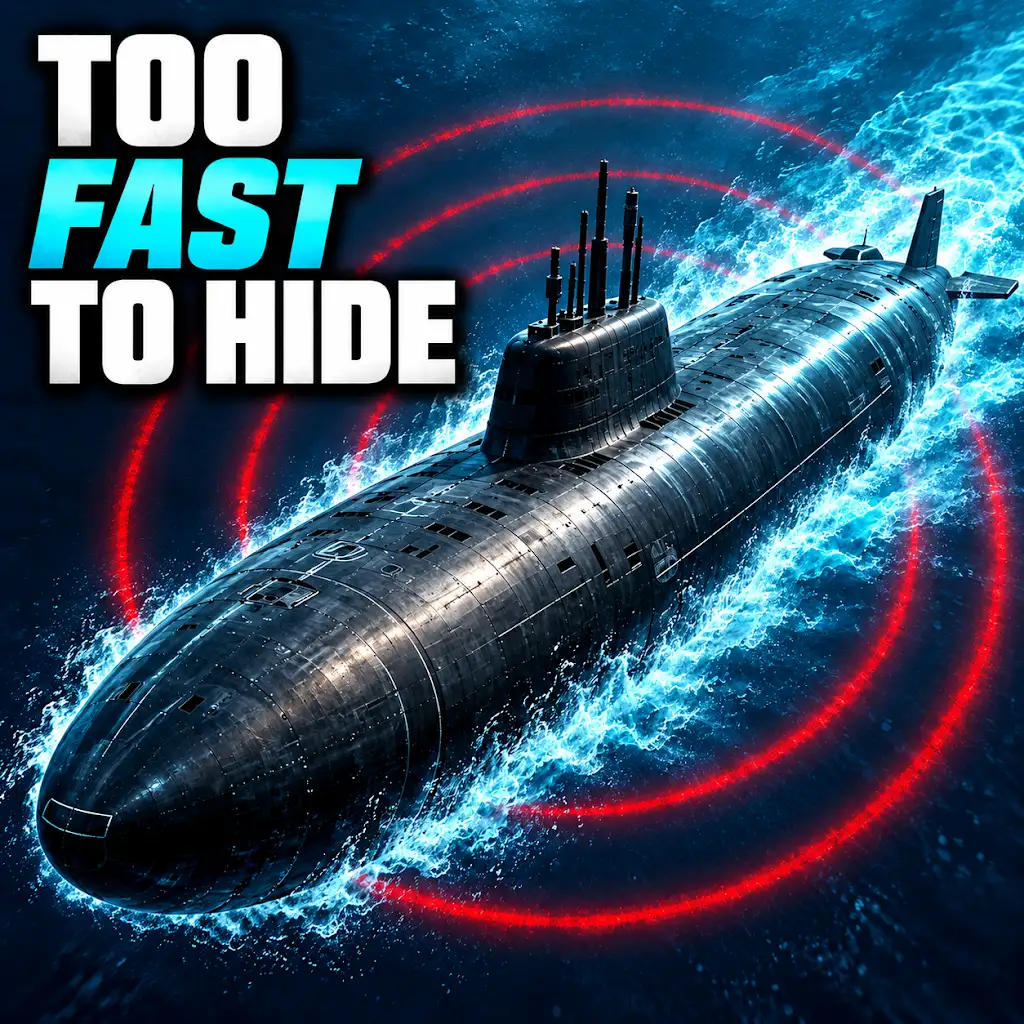
The Soviet Submarine That Broke a Speed Record—and Its Own Stealth
FAQs
1. Why did the Soviet Union only build one Papa class submarine?
The Soviet Union only built one Papa class submarine due to the high cost and complexity of the design. It was a strategic decision to focus resources on other submarine classes.
2. What were the characteristics of the Papa class submarine?
The Papa class submarine was a large nuclear-powered ballistic missile submarine, measuring over 500 feet in length and capable of carrying 20 R-39 Rif nuclear missiles.
3. What was the role of the Papa class submarine in the Soviet Navy?
The Papa class submarine was designed to serve as a strategic deterrent, carrying intercontinental ballistic missiles capable of reaching targets in the United States.
4. Why did the Soviet Union prioritize other submarine classes over the Papa class?
The Soviet Union prioritized other submarine classes, such as the Delta and Typhoon classes, due to their lower cost and greater operational flexibility. These classes were seen as more practical for the Soviet Navy’s needs.
5. What ultimately led to the retirement of the Papa class submarine?
The Papa class submarine was retired from service in the early 1990s as part of arms reduction agreements between the United States and the Soviet Union. The sole Papa class submarine, the K-222, was decommissioned in 1989.