The Kennedy administration’s tenure in the White House was marked by a series of high-stakes foreign policy decisions, many of which unfolded in the shadow of the Cold War. Among the most audacious and controversial of these clandestine endeavors was Operation Mongoose, a multifaceted covert action program designed to destabilize and ultimately overthrow the communist government of Fidel Castro in Cuba. This operation, born out of the Bay of Pigs fiasco and fueled by an intense desire for retribution and a strategic imperative to contain Soviet influence in the Western Hemisphere, represented a significant escalation of American efforts to confront perceived communist expansion.
The roots of Operation Mongoose can be traced directly to the disastrous Bay of Pigs invasion in April 1961. This ill-fated attempt by U.S.-backed Cuban exiles to overthrow Castro’s regime was a humiliating blow to President John F. Kennedy’s nascent administration. The failure not only exposed the limitations of relying on paramilitary forces but also emboldened Castro, solidifying his power and deepening his ties with the Soviet Union. The sting of this defeat lingered, fostering a deep-seated determination within the Kennedy administration to find a more effective way to neutralize the Cuban threat.
The Imperative to Rectify the Bay of Pigs Blunder
The Bay of Pigs was more than just a military setback; it was a profound political and intelligence failure. It demonstrated a critical misunderstanding of the Cuban populace’s support for Castro and the efficacy of the CIA’s planning. The subsequent recriminations within the government were intense, leading to a reassessment of intelligence gathering, planning, and execution capabilities. The desire to salvage national prestige and prove America’s resolve against communism became paramount.
Early Warnings and the Soviet Missile Threat
While the Bay of Pigs was a key catalyst, the growing Soviet presence in Cuba, particularly the deployment of nuclear missiles in October 1962 during the Cuban Missile Crisis, amplified the perceived threat. This event, which brought the world to the brink of nuclear war, underscored the strategic importance of Cuba and the danger posed by a Soviet-aligned state just 90 miles off the coast of Florida. The memory of this near-catastrophe served as a powerful justification for more aggressive measures to remove Castro from power.
Operation Mongoose, a covert initiative aimed at undermining Fidel Castro’s regime in Cuba, was a significant aspect of U.S. Cold War policy. For a deeper understanding of the complexities surrounding this operation and its implications, you can read a related article that explores the broader context of U.S.-Cuba relations during this tumultuous period. Check it out here: related article.
Operation Mongoose: A Multifaceted Strategy of Destabilization
Launched in November 1961, Operation Mongoose was conceived as a comprehensive program of sabotage, propaganda, paramilitary operations, and psychological warfare. It was not a single, monolithic plan but rather a sprawling array of initiatives, each designed to chip away at the foundations of Castro’s government, sow discord among its supporters, and ultimately create the conditions for its collapse. The operation was characterized by its ambitious scope and its willingness to employ unconventional and often morally questionable tactics.
Objectives: Undermining Castro’s Regime
The overarching objective of Operation Mongoose was clear: to remove Fidel Castro from power and replace his communist government with one more amenable to U.S. interests. This was to be achieved through a variety of means, including:
- Sabotage and Terrorism: Undermining Cuba’s economy through acts of sabotage targeting infrastructure, sugar crops, and industrial facilities. This also included attempts to disrupt essential services and create widespread discontent.
- Propaganda and Psychological Warfare: Disseminating anti-Castro propaganda both within Cuba and internationally to erode his legitimacy and sow doubt among the Cuban populace. This involved radio broadcasts, leaflets, and the cultivation of internal dissent.
- Paramilitary Operations: Supporting and training Cuban exile groups for covert operations within Cuba, including raids, intelligence gathering, and potentially assassination attempts.
- Economic Warfare: Implementing stringent economic sanctions and trade restrictions to cripple the Cuban economy and make daily life increasingly difficult for ordinary citizens.
- Political Subversion: Encouraging and supporting internal opposition movements, attempting to foster a climate of fear and paranoia within the Cuban government.
The Role of the CIA and Interagency Cooperation
The Central Intelligence Agency (CIA) was the principal architect and executor of Operation Mongoose. However, the operation also involved significant coordination and input from other U.S. government agencies, including the Department of Defense, the State Department, and the U.S. Information Agency (USIA). This interagency cooperation, while intended to create a unified approach, also led to bureaucratic complexities and sometimes conflicting directives.
The Sheer Scale and Scope of the Operation
Operation Mongoose was an undertaking of unprecedented scale in terms of covert action. It involved thousands of personnel, both within the U.S. government and among Cuban exiles. The budget for the operation was substantial, reflecting the high priority placed on its success. The sheer ambition and the multitude of its components made it a complex and often unwieldy undertaking, with various sub-projects and task forces operating concurrently.
The Arsenal of Subversion: Tactics and Techniques Employed

Operation Mongoose was characterized by its ingenuity and its willingness to explore a wide range of unconventional tactics. The planners sought to exploit every potential vulnerability in Castro’s regime, employing methods that ranged from the relatively subtle to the overtly destructive. The operation became a veritable laboratory for developing and testing new techniques in covert warfare.
Sabotage: Crippling the Cuban Economy
A significant portion of Operation Mongoose focused on economic sabotage. The aim was to disrupt Cuba’s key industries, particularly its sugar production, and to create widespread shortages and economic hardship.
Targeting Sugar Mills and Infrastructure
Numerous attempts were made to sabotage sugar mills, the backbone of the Cuban economy. These acts ranged from arson to the introduction of chemicals that would damage the machinery. Other infrastructure projects, such as power plants and transportation networks, were also targeted.
Agricultural Disruption
Efforts were made to destroy or contaminate crops, particularly sugar cane, to reduce production and create food shortages. This included the introduction of plant diseases and the encouragement of pest infestations.
Propaganda and Psychological Warfare: The Battle for Hearts and Minds
The operation recognized the importance of winning over the Cuban population and undermining Castro’s narrative. A sophisticated propaganda campaign was launched, utilizing various media to disseminate anti-communist messages and highlight the perceived failures of the regime.
Radio Broadcasts and Leaflets
Illegal radio broadcasts were transmitted into Cuba, offering alternative news and perspectives. Leaflets were also airdropped or distributed by covert agents, carrying messages of defiance and promises of a better future under a non-communist government.
Cultivating Internal Dissent
The CIA sought to identify and support individuals within Cuba who were sympathetic to the anti-Castro cause. This included providing financial assistance, intelligence, and encouragement to create a network of internal resistance.
Paramilitary Operations: The Shadow Warriors
Cuban exiles, trained and equipped by the U.S., played a crucial role in Operation Mongoose. These groups conducted raids into Cuba, gathered intelligence, and engaged in acts of sabotage.
Commando Raids and Infiltration
Small teams of trained exiles would infiltrate Cuba, carrying out targeted attacks on military installations, communication centers, and economic targets. These operations aimed to disrupt government activities and create a sense of insecurity.
Intelligence Gathering and Reconnaissance
Paramilitary teams were also tasked with gathering crucial intelligence on Cuban military capabilities, Soviet troop movements, and the internal political climate. This information was vital for planning future operations and assessing the effectiveness of the overall strategy.
The “Assassination Plots” Controversy
Perhaps the most controversial aspect of Operation Mongoose involved allegations of attempts to assassinate Fidel Castro. While official investigations have yielded mixed results, numerous plans and proposals were reportedly considered and, in some cases, acted upon.
The “Z” File and Executive Action
Documents and testimonies have revealed “Executive Action” plans, which involved exploring methods for eliminating foreign leaders deemed hostile to U.S. interests. The “Z” File, in particular, refers to a collection of alleged assassination plots against Castro.
The Use of Mafia Connections
In a particularly ethically dubious turn, the CIA reportedly explored collaborating with organized crime figures, particularly the Mafia, who had their own reasons for wanting Castro overthrown due to his nationalization of casinos and other businesses. These connections led to alleged attempts to poison Castro and other assassination schemes.
The Unintended Consequences and Eventual Demise of Mongoose
Despite its extensive resources and ambitious goals, Operation Mongoose ultimately failed to achieve its primary objective of overthrowing Fidel Castro. The operation was plagued by internal inefficiencies, ethical compromises, and a fundamental misjudgment of the Cuban situation. Furthermore, the escalation of tensions that resulted from Mongoose contributed to the broader geopolitical context of the Cold War.
The Resilience of the Castro Regime
Contrary to the expectations of its planners, Fidel Castro’s government proved remarkably resilient. The constant external pressure from Operation Mongoose arguably served to consolidate his power and foster a sense of national unity against foreign interference.
Nationalization and Popular Support
Castro’s policies of nationalization and land reform, while controversial, garnered significant support from many segments of the Cuban population, particularly the peasantry. The perceived threat from the U.S. further solidified this support.
Soviet Support and Military Buildup
The Soviet Union, recognizing the strategic importance of Cuba, provided substantial economic and military aid, bolstering Castro’s regime and making it a more formidable opponent.
The Cuban Missile Crisis: A Direct Consequence?
Some historians argue that the aggressive stance and covert actions of Operation Mongoose, particularly the perceived threat to Cuba, played a role in the Soviet Union’s decision to place nuclear missiles on the island in 1962. This highlights the dangerous escalation that such covert operations can provoke.
Escalation of Tensions
The constant acts of sabotage and the ongoing threat of intervention created a climate of extreme tension between Cuba, the Soviet Union, and the United States.
The Brink of Nuclear War
The Cuban Missile Crisis, a direct confrontation stemming from the missile deployment, brought the world closer to nuclear war than ever before. While Mongoose was not the sole cause, it was a contributing factor to the volatile atmosphere.
The Demise of Mongoose and Shifting Strategies
By late 1962, Operation Mongoose began to wind down. The Cuban Missile Crisis, while resolving the immediate missile threat, also highlighted the extreme dangers of further direct confrontation. The Kennedy administration began to shift its focus towards diplomatic solutions and more indirect methods of confronting communism.
The Impact of the Cuban Missile Crisis
The near-catastrophe of the missile crisis led to a re-evaluation of U.S. policy towards Cuba. While the desire to remove Castro remained, the methods employed were scrutinized more closely.
Towards Détente and Containment
The Cold War gradually entered a phase of détente, with both superpowers seeking to manage their rivalry more cautiously. While containment remained a core principle, the overt hostility embodied by Operation Mongoose gave way to more nuanced strategies.
Operation Mongoose, a covert initiative aimed at undermining Fidel Castro’s regime in Cuba, is intricately linked to the broader context of Cold War tensions and U.S. foreign policy strategies. For those interested in exploring the implications and outcomes of this operation, a related article can provide further insights into the complexities of American interventions during this period. You can read more about it in this detailed analysis found at In The War Room, which delves into the motivations and consequences of such clandestine efforts.
Legacy and Lessons Learned: The Enduring Questions of Covert Action
| Operation Mongoose Metrics | Data |
|---|---|
| Duration | October 1962 – March 1965 |
| Objective | Topple Fidel Castro’s government in Cuba |
| Participants | CIA, US Military, Cuban exiles |
| Actions | Assassination attempts, sabotage, propaganda |
| Outcome | Unsuccessful in overthrowing Castro |
Operation Mongoose left an indelible mark on U.S. foreign policy and the history of covert action. Its failures served as a stark reminder of the complexities and ethical dilemmas inherent in such operations. The legacy of Mongoose continues to be debated, offering valuable lessons about the limits of military and intelligence power.
The Ethics of Intervention and Regime Change
The operation raised profound questions about the morality of U.S. intervention in the affairs of other nations and the pursuit of regime change through clandestine means. The ethically dubious tactics employed, such as the alleged assassination plots and the use of organized crime, cast a long shadow.
The Morality of Undermining Sovereignty
The extent to which a nation is justified in attempting to destabilize or overthrow a sovereign government remains a contentious issue. Operation Mongoose exemplified the darker side of this debate.
The Justification of “National Security”
Proponents often argue that such actions are necessary for national security. However, the long-term consequences and potential for unintended escalation must be weighed against these justifications.
The Limits of Covert Action
Operation Mongoose demonstrated that even well-resourced and ambitious covert operations can fail to achieve their objectives. The resilience of the targeted regime, the unintended consequences of actions, and the inherent difficulties of controlling complex clandestine endeavors all contributed to its shortcomings.
Miscalculations and Underestimations
The planners of Mongoose consistently underestimated the strength of Castro’s regime and the loyalty of the Cuban people. This fundamental miscalculation was a key factor in the operation’s failure.
The Unpredictability of Unconventional Warfare
Covert actions, by their very nature, are difficult to control and can have unforeseen consequences. The escalation of the Cuban Missile Crisis serves as a prime example of this inherent unpredictability.
The Enduring Relevance of Mongoose
The story of Operation Mongoose remains relevant today as nations grapple with complex geopolitical challenges and the temptation to employ covert means to achieve foreign policy objectives. It serves as a cautionary tale about the potential pitfalls of such strategies and the importance of careful consideration of ethical implications and potential consequences. The enduring questions it raises about national security, interventionism, and the limits of power continue to resonate in the contemporary world.
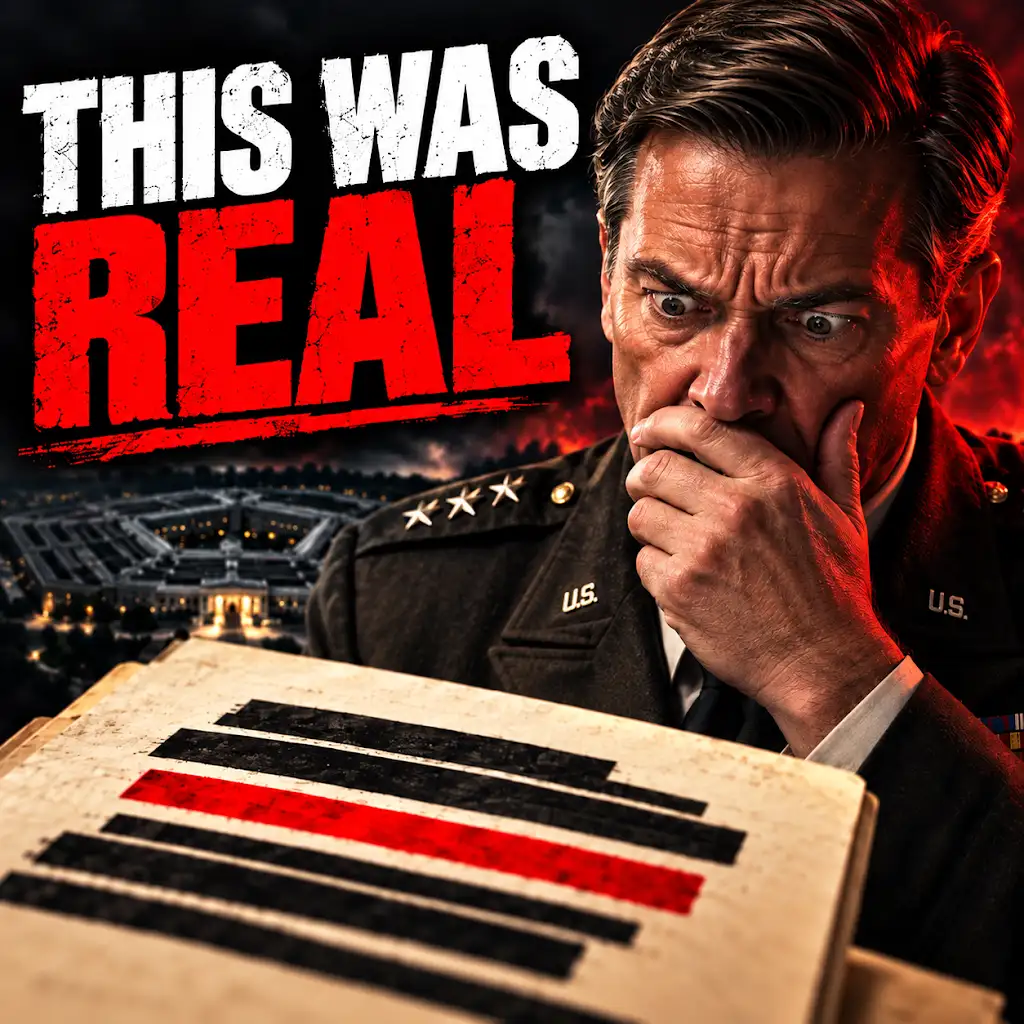
The Pentagon Plan to Fake an Attack on America—and Blame Cuba
FAQs
What was Operation Mongoose?
Operation Mongoose was a covert operation led by the United States government with the goal of overthrowing the Cuban government led by Fidel Castro.
When did Operation Mongoose take place?
Operation Mongoose was initiated in November 1961, following the failed Bay of Pigs invasion, and continued until October 1962 during the Cuban Missile Crisis.
What were the main objectives of Operation Mongoose?
The main objectives of Operation Mongoose were to destabilize the Cuban government, create an uprising among the Cuban people, and ultimately overthrow Fidel Castro’s regime.
What were some of the tactics used in Operation Mongoose?
Tactics used in Operation Mongoose included sabotage, psychological warfare, and attempts to assassinate Fidel Castro. The operation also involved propaganda efforts and support for anti-Castro Cuban exiles.
What was the outcome of Operation Mongoose?
Operation Mongoose did not achieve its primary objective of overthrowing the Cuban government. However, it did contribute to the heightened tensions between the United States and Cuba, ultimately leading to the Cuban Missile Crisis in October 1962.