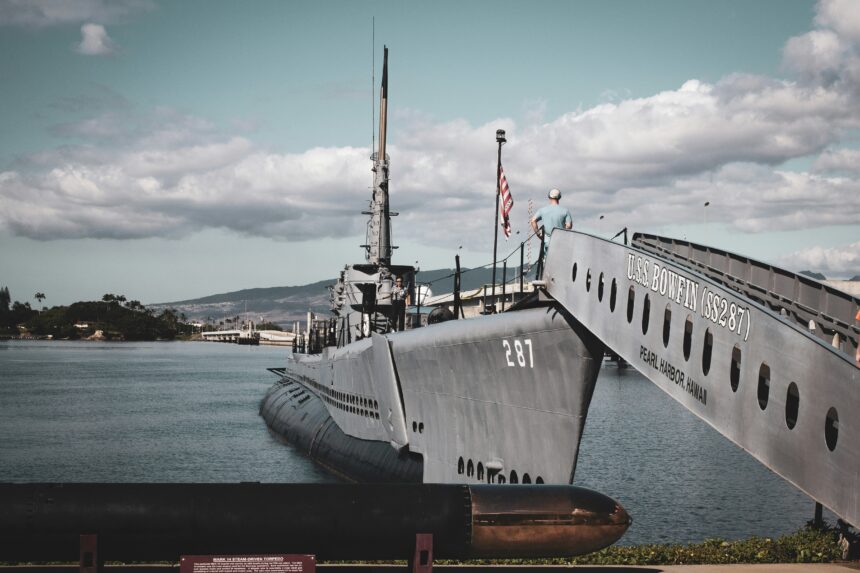
The world stood on the precipice of a conflict that would redefine the 20th century. Nations, driven by a complex web of economic pressures, geopolitical ambitions, and ideological divides, found themselves increasingly entangled. While Europe was already engulfed in the flames of World War II, the United States, for the most part, maintained a precarious neutrality, its focus largely turned inward. This tranquility was shattered on the morning of December 7, 1941, when the Imperial Japanese Navy launched a surprise aerial attack on the United States naval base at Pearl Harbor, Hawaii. This audacious and devastating assault, meticulously planned and ruthlessly executed, was not merely an isolated act of aggression; it was the culmination of years of escalating tensions and a pivotal moment that irrevocably propelled America into the global conflagration.
The attack, codenamed “Operation Z” by the Japanese, was a bold gamble, designed to cripple the American Pacific Fleet and neutralize any potential threat to Japan’s expansionist ambitions in Southeast Asia and the Pacific. It was a strike born of desperation and a calculated risk, aiming to achieve a swift and decisive victory that would allow Japan to consolidate its gains before the United States could fully mobilize its formidable industrial and military might. The echoes of that Sunday morning, a day that President Franklin D. Roosevelt famously declared would “live in infamy,” continue to resonate, a stark reminder of the devastating consequences of unchecked aggression and the unforeseen turning points that shape the course of history.
The Japanese attack on Pearl Harbor on December 7, 1941, marked a pivotal moment in World War II, leading to the United States’ formal entry into the conflict. For a deeper understanding of the events surrounding this historic attack, you can explore a related article that delves into the strategic implications and the aftermath of the assault. This article provides valuable insights into how the attack reshaped military strategies and international relations in the years that followed. To read more, visit this link.
The Precursors to Conflict: A Brewing Storm
The roots of the Pearl Harbor attack are deeply embedded in the complex geopolitical landscape of the early 20th century, particularly in the burgeoning rivalry between Japan and the United States over influence and resources in the Pacific. Japan, having undergone a rapid modernization and industrialization following the Meiji Restoration, emerged as a formidable regional power. Its ambitions, however, increasingly clashed with the established interests of Western nations, including the United States, which also viewed the Pacific as a vital theater for trade and strategic influence.
Rising Japanese Expansionism and its Drivers
The early 20th century witnessed Japan’s assertive pursuit of imperialistic goals. Fueled by a potent mix of nationalism, a desire for raw materials, and a perceived need for a “Greater East Asia Co-Prosperity Sphere” to counter Western dominance, Japan embarked on a path of territorial expansion. This ambition was driven by several key factors:
The Need for Raw Materials
Japan, an island nation with limited natural resources, was heavily reliant on imports for vital materials like oil, rubber, and minerals. As its industrial base expanded, so did its hunger for these resources. This dependency made Japan vulnerable to external pressure and fueled its desire to secure control over resource-rich territories in Asia, particularly in China and Southeast Asia.
The Influence of Militarism
Within Japan, the military played an increasingly dominant role in political decision-making. A strong nationalist ideology, often intertwined with a belief in Japan’s divine destiny, permeated the officer corps. This militaristic faction advocated for a more aggressive foreign policy, seeing expansion as the key to national survival and prestige.
The Impact of Western Imperialism
Japan viewed the presence and actions of Western colonial powers in Asia with suspicion and resentment. It sought to challenge this existing order and establish itself as the preeminent power in the region, believing that it had a right to assert its own influence and security interests.
Growing Tensions with the United States
The United States, initially hesitant to become directly involved in the burgeoning conflicts in Asia, found its interests increasingly challenged by Japan’s aggressive expansion. Several key developments exacerbated the strained relations:
The Open Door Policy and Japanese Incursions
The United States had long championed the Open Door Policy in China, advocating for equal trading opportunities for all nations. Japan’s increasing military occupation and control of Chinese territories directly undermined this policy and led to significant diplomatic friction.
Economic Sanctions and Embargoes
As Japan’s aggression escalated, the United States, in concert with other Allied powers, began to impose economic sanctions. The most critical of these was the oil embargo in July 1941, which severely crippled Japan’s ability to sustain its military operations and fueled a sense of existential crisis within the Japanese leadership. This embargo was seen by many in Japan as a deliberate attempt to force their nation into submission.
The Stimson Doctrine
The Stimson Doctrine, articulated in 1932, declared that the United States would not recognize any territorial changes brought about by force, specifically in response to Japan’s invasion of Manchuria. This doctrine signaled American disapproval of Japanese expansionism, though it lacked the teeth to deter it effectively.
The Strategic Imperative: Crippling the Pacific Fleet
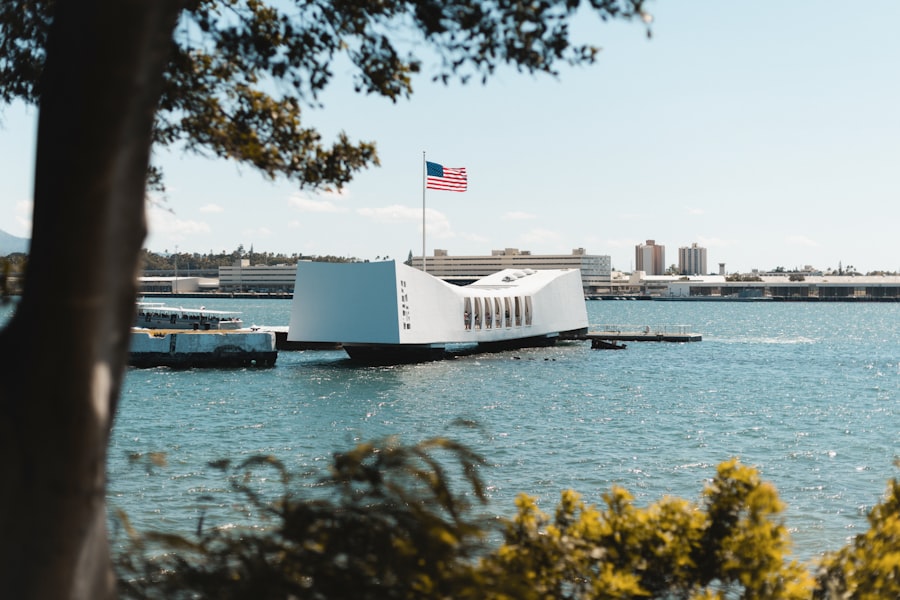
For Japan, the United States Pacific Fleet, stationed at Pearl Harbor, represented the single greatest obstacle to its grand strategy of conquering Southeast Asia and establishing its dominance in the Pacific. The decision to launch a preemptive strike was therefore a strategic imperative, aimed at neutralizing this formidable force before it could intervene in Japan’s planned offensives.
The Rationale Behind the Surprise Attack
The Japanese leadership understood that a direct confrontation with the United States would be a protracted and costly affair. Their hope was that a swift and devastating blow would shock the American public and government into accepting Japan’s newly established order in Asia, or at least grant Japan sufficient time to secure its conquests before the full might of the U.S. could be brought to bear.
Achieving Naval Supremacy
The primary objective was to cripple the American battleships and aircraft carriers. The Japanese naval strategists believed that by sinking or severely damaging these capital ships, they could achieve temporary naval supremacy in the Pacific, allowing their invasion forces to operate with relative impunity.
Deterring American Intervention
The attack was also intended to sow confusion and disarray within the U.S. military and government. The hope was that the shock and awe of the assault would delay or even prevent any immediate American retaliation, buying valuable time for Japan to solidify its gains.
Psychological Warfare
Beyond the physical destruction, there was a psychological dimension to the attack. The Japanese aimed to demonstrate their military prowess and audacity, hoping to demoralize their adversaries and instill a sense of Japanese invincibility.
The Target: Pearl Harbor’s Vulnerabilities
Pearl Harbor, despite its status as a major naval base, possessed certain vulnerabilities that the Japanese meticulously exploited. The shallow, relatively confined waters of the harbor, while offering protection from storms, also made it susceptible to torpedo attacks.
The Static Nature of the Fleet
On a Sunday morning, many of the ships were at anchor, presenting a stationary and vulnerable target. The relaxed atmosphere of a weekend was a critical factor in the success of the surprise.
Lack of Air Defenses
While air defenses existed, they were not fully operational or adequately coordinated on that fateful morning. The element of surprise meant that the defenders were caught largely unprepared.
Intelligence Gathering and Reconnaissance
The Japanese conducted extensive reconnaissance and intelligence gathering missions in the months leading up to the attack. This detailed knowledge of ship dispositions, harbor layout, and defensive capabilities was crucial to their planning.
The Attack Unfolds: A Symphony of Destruction
The morning of December 7, 1941, dawned with an deceptive calm over Oahu. The sky was clear, and the early hours were characterized by the usual routines of a Sunday at a naval base. Little did the American servicemen know that they were about to become the targets of a meticulously orchestrated aerial assault.
The First Wave: A Shocking Onslaught
At approximately 7:55 AM local time, the first wave of Japanese aircraft, launched from six aircraft carriers hundreds of miles north of Hawaii, began their devastating descent. The element of surprise was absolute.
The “Nagato” and the “Kaga” Take to the Skies
The attack was spearheaded by dive bombers and torpedo planes, specifically designed for attacking ships. These aircraft, launched from carriers like the Nagato and the Kaga, swarmed over the unsuspecting harbor.
Torpedo Attacks on Battleships
A key feature of the initial assault was the devastating effectiveness of the torpedo attacks. Japanese pilots, flying low, launched specially modified torpedoes designed to run in the shallow waters of Pearl Harbor, targeting the rows of battleships moored along “Battleship Row.”
Dive Bombers Targeting Key Infrastructure
Simultaneously, dive bombers targeted other critical naval assets, including airfields like Hickam Field and Wheeler Field, aiming to destroy American aircraft on the ground and prevent any effective aerial response. They also targeted other naval vessels and shore installations.
The Second Wave: Sustaining the Carnage
Following a brief lull, a second wave of Japanese aircraft arrived, continuing the systematic destruction. This wave focused on completing the damage inflicted by the first wave and targeting any remaining operational vessels.
Renewed Bombing and Strafing
This wave consisted of bombers and fighter planes, which continued to drop bombs and strafe American ships and installations. The objective was to inflict maximum damage and ensure the crippling of the Pacific Fleet.
The Targeting of Aircraft Carriers
Crucially, the Japanese had been informed that the American aircraft carriers were not present in Pearl Harbor on that day. While this was a fortunate turn of events for the U.S., the Japanese still inflicted immense damage on the battleships and other crucial assets.
The Human Cost: Casualties and Injuries
The human toll of the attack was catastrophic. In just over two hours, over 2,400 Americans were killed, and over 1,100 were wounded. Many of the deaths were due to the swiftness and intensity of the attack, with sailors trapped aboard their burning ships.
The Japanese attack on Pearl Harbor on December 7, 1941, marked a pivotal moment in World War II, leading to the United States’ formal entry into the conflict. This surprise military strike not only resulted in significant loss of life and damage to the Pacific Fleet but also transformed public opinion in America regarding the war. To explore more about the events surrounding this historic attack, you can read a detailed analysis in this related article that delves into the strategic implications and the aftermath of the assault.
The Aftermath: A Nation Awakened to War
| Date | December 7, 1941 |
|---|---|
| Location | Pearl Harbor, Hawaii |
| Attackers | Imperial Japanese Navy |
| Casualties | 2,403 killed, 1,178 wounded |
| Ships Damaged or Sunk | 8 battleships, 3 cruisers, 3 destroyers, 4 auxiliaries |
| Impact | Led to the United States’ entry into World War II |
The smoke had barely cleared from Pearl Harbor when the stark reality of the situation began to sink in. The devastating attack had inflicted immense material damage and a profound psychological blow, but it had also achieved the opposite of what Japan had intended. Instead of demurring, the United States was galvanized into a unified and resolute determination to wage war.
The Damage Inflicted: A Devastated Harbor
The physical destruction at Pearl Harbor was immense. Eight U.S. Navy battleships were damaged, with four sunk. Numerous other vessels, including cruisers, destroyers, and auxiliaries, were also hit. The attack also destroyed or damaged over 180 aircraft and crippled critical infrastructure like fuel storage facilities and repair shops.
Battleships Lost and Damaged
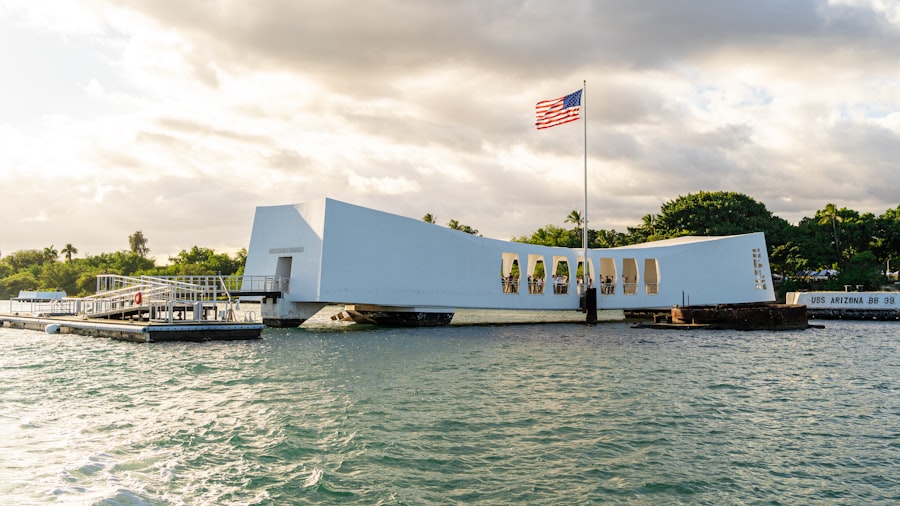
The iconic USS Arizona was a catastrophic loss, sinking in minutes with over 1,100 crewmen. Other battleships like the USS Oklahoma, USS West Virginia, and USS California were also sunk, while others like the USS Nevada, USS Maryland, and USS Pennsylvania were heavily damaged but eventually repaired.
Airfield Devastation
The attack on the airfields destroyed a significant portion of the U.S. Army Air Corps and Navy aircraft stationed on Oahu, effectively neutralizing American air power in the immediate aftermath.
The Unintended Consequence: U.S. Entry into World War II
While Japan aimed to neutralize the U.S. Pacific Fleet and deter American involvement, the attack had the exact opposite effect. The “day of infamy” galvanized American public opinion and led to an overwhelming demand for war.
President Roosevelt’s Declaration of War
The day after the attack, President Franklin D. Roosevelt addressed a joint session of Congress, delivering his famous “Day of Infamy” speech. Congress swiftly responded by declaring war on Japan, officially bringing the United States into World War II.
The Long Road to Victory: The Pacific Theater Opens
The attack on Pearl Harbor irrevocably altered the course of the war. The United States, now fully committed, began the arduous and often brutal campaign to push back Japanese forces across the vast expanse of the Pacific.
The Initial Japanese Successes
In the immediate months following Pearl Harbor, Japan achieved a series of rapid victories, conquering vast territories in Southeast Asia and the Pacific, including the Philippines, Singapore, and the Dutch East Indies. This period was marked by significant Allied setbacks.
The Turning of the Tide: Midway and Beyond
However, the tide began to turn with pivotal battles like the Battle of Midway in June 1942, where the U.S. Navy inflicted a decisive blow on the Japanese carrier fleet. This, along with subsequent island-hopping campaigns and naval battles, gradually pushed back Japanese expansion and paved the way for eventual Allied victory.
The Legacy of Pearl Harbor
The attack on Pearl Harbor remains a potent symbol of surprise, aggression, and the profound impact of a single event on the trajectory of global history. It serves as a stark reminder of the importance of preparedness, the devastating consequences of unchecked ambition, and the enduring resilience of the human spirit in the face of adversity. The memories of those who perished and the sacrifices made continue to shape national consciousness and underscore the enduring lessons learned from that fateful Sunday morning in 1941.
Japan Won Pearl Harbor—So Why Did It Lose the War?
FAQs
What was the date of the Japanese attack on Pearl Harbor?
The Japanese attack on Pearl Harbor occurred on December 7, 1941.
What were the reasons behind the Japanese attack on Pearl Harbor?
The Japanese attack on Pearl Harbor was a preemptive strike by the Imperial Japanese Navy against the United States naval base at Pearl Harbor, Hawaii. The attack was intended to prevent the U.S. Pacific Fleet from interfering with Japanese military actions in Southeast Asia.
What were the consequences of the Japanese attack on Pearl Harbor?
The attack on Pearl Harbor led to the United States’ entry into World War II. It resulted in significant damage to the U.S. Pacific Fleet, with the loss of several battleships and aircraft. The attack also led to widespread anti-Japanese sentiment in the United States and the internment of Japanese Americans.
How did the United States respond to the Japanese attack on Pearl Harbor?
Following the attack on Pearl Harbor, the United States declared war on Japan. This marked the beginning of the United States’ involvement in World War II.
What is the historical significance of the Japanese attack on Pearl Harbor?
The Japanese attack on Pearl Harbor is considered a pivotal event in World War II and in the history of the United States. It led to a significant shift in global alliances and ultimately contributed to the defeat of the Axis powers. The attack also had a lasting impact on the relationship between the United States and Japan.