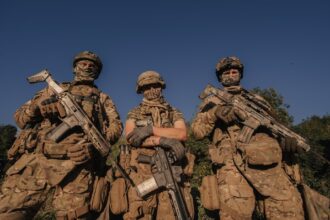
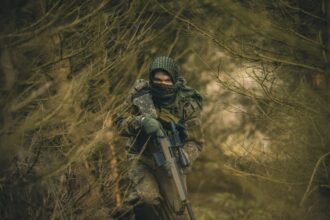
The presence and activities of Private Military Companies (PMCs) have undeniably reshaped the landscape of geopolitical engagement and, consequently, exert a significant and multifaceted impact on regional stability. Once relegated to the periphery of international security discussions, PMCs have evolved into powerful actors, offering a diverse range of services from logistical support and training to direct combat operations. This evolution has profound implications for the intricate web of alliances, rivalries, and internal dynamics that define regional stability. Understanding this impact necessitates a nuanced examination of their operational methodologies, economic drivers, legal ambiguities, and their role in both exacerbating and, in some limited circumstances, mitigating conflict.
From Mercenaries to Modern Security Providers
Historically, private military actors have existed in various forms, from ancient mercenaries to modern-day security contractors. However, the post-Cold War era witnessed a significant professionalization and expansion of these entities. The end of ideological proxy wars, coupled with increased global interconnectedness and the rise of asymmetric warfare, created a demand for specialized security services that state militaries were either unwilling or unable to provide. This demand was met by entrepreneurial ventures that capitalized on the skills of ex-military personnel, offering flexibility, cost-effectiveness (or at least the perception thereof), and a degree of deniability for sponsoring states.
The Spectrum of PMC Services
The services offered by PMCs are remarkably broad. They range from the relatively benign, such as providing logistical support, construction, and maintenance in conflict zones, to the highly sensitive, including armed security details for high-value individuals and assets, intelligence gathering, and, most controversially, direct participation in combat operations. This multifaceted nature means that their impact on regional stability is not monolithic; it varies significantly depending on the specific services rendered and the context in which they are deployed.
Demystification of Capabilities and Operational Reach
It is crucial to move beyond simplistic portrayals of PMCs as mere civilian guards. Many possess sophisticated training, advanced weaponry, and experience in complex operational environments. Their recruitment pools often draw from elite military units, bringing with them valuable tactical knowledge and operational discipline. Furthermore, the global reach of many PMCs allows them to deploy rapidly to various theaters, offering a responsive and agile security solution, albeit one that operates outside the traditional command structures of national armed forces.
The impact of private military companies (PMCs) on regional stability has become a critical topic of discussion among scholars and policymakers alike. A related article that delves into this issue can be found at In The War Room, where it explores the complexities of how PMCs operate in conflict zones and their implications for local governance and security dynamics. This analysis highlights the dual-edged nature of PMCs, which can both stabilize and destabilize regions depending on their engagement and oversight.
The Economic Underpinnings of PMC Involvement
The Business of Security and Profit Motives
The primary driver for PMC operations is economic. These companies are businesses, and their engagement in conflict zones or areas of instability is driven by the pursuit of profit. This profit motive can influence decision-making, potentially leading to the prolonging of conflicts or the prioritization of profitable contracts over the long-term stability of a region. The value proposition for clients often centers on perceived cost savings compared to deploying national troops, reduced political risk, and the ability to access specialized skills.
Shifting Patronage: State and Non-State Actors
While the majority of PMC contracts are with governments, the increasing prevalence of non-state actors, including rebel groups and transnational criminal organizations, as potential clients or beneficiaries of PMC services poses a significant threat to regional stability. When PMCs operate on behalf of non-state entities, their actions can directly undermine state sovereignty, exacerbate internal conflicts, and contribute to the proliferation of armed groups. This presents a complex challenge for international law and diplomatic efforts aimed at conflict resolution.
The Shadow Economy of Conflict
The lucrative nature of security contracts in unstable regions can also foster a shadow economy, where corruption and illicit dealings can become intertwined with PMC operations. This can further destabilize regions by empowering corrupt officials, diverting resources away from development, and undermining the rule of law. The lack of full transparency in many PMC contracts makes it difficult to track financial flows and hold actors accountable for their involvement in such illicit activities.
Impact on State Sovereignty and Accountability

Erosion of State Monopoly on the Use of Force
One of the most significant impacts of PMCs on regional stability is their potential to erode the state’s monopoly on the legitimate use of force. When states outsource core security functions to private entities, they cede a degree of control over the instruments of power. This can weaken state institutions, particularly in fragile or failing states, and can create a dependency that undermines their ability to independently manage security challenges. The presence of armed private actors operating with state sanction, or even without it, can blur the lines of authority and lead to jurisdictional disputes.
The Accountability Deficit
A persistent concern surrounding PMCs is the challenge of ensuring accountability for their actions. Traditional military forces operate under a well-established legal framework of national and international law, with clear chains of command and disciplinary mechanisms. PMCs, operating in a legal grey area, often face difficulties in being held accountable for violations of international humanitarian law or human rights abuses. This accountability deficit can embolden PMCs to engage in reckless or unethical behavior, knowing that prosecution or sanctions may be difficult to achieve.
Implications for Local Populations
The actions of PMCs can have a direct and often negative impact on local populations. Allegations of excessive force, collateral damage, and human rights abuses by PMCs have been widely reported in various conflict zones. The lack of clear accountability mechanisms means that victims may have little recourse for justice, contributing to grievances and further fueling resentment and instability. The presence of foreign private armed actors can also be perceived as an infringement on national dignity and a symbol of foreign intervention.
The Influence of PMCs on Conflict Dynamics

Escalation and Prolongation of Conflicts
The involvement of PMCs can inadvertently, or sometimes intentionally, escalate and prolong conflicts. Their reliance on contracts for survival means that they have a vested interest in the continuation of instability. Furthermore, their capacity to deploy rapidly and with a degree of deniability can lower the threshold for intervention, drawing actors into conflicts that might otherwise have been avoided. The introduction of highly trained and well-equipped private forces can also tip the military balance in favor of certain factions, leading to more intense fighting.
The “Proxy War” Phenomenon
PMCs can become instruments of proxy warfare, where states or non-state actors can engage in conflicts indirectly without direct attribution. This allows for plausible deniability and can insulate the sponsoring entity from the political repercussions of direct military involvement. This tactic can obscure the true nature of a conflict, making diplomatic resolution more challenging and increasing the risk of miscalculation and unintended escalation between major powers.
The Impact on Peacekeeping and Stabilization Efforts
While some PMCs may be engaged in providing support for legitimate peacekeeping operations, their broader involvement can complicate these efforts. The presence of competing private security forces, operating with different agendas and levels of oversight, can undermine the authority of international peacekeeping missions and create an environment of confusion and distrust. The financial incentives in private security can also draw resources away from vital peacebuilding initiatives.
The increasing presence of private military companies (PMCs) in conflict zones has raised significant concerns regarding their impact on regional stability. A recent article discusses how the proliferation of these entities can lead to a lack of accountability and exacerbate tensions in fragile states. This complex dynamic is crucial to understand, as it highlights the need for regulatory frameworks to manage their operations effectively. For further insights on this topic, you can read more in the article available at In the War Room.
Legal and Ethical Considerations
| Country | Private Military Presence | Impact on Regional Stability |
|---|---|---|
| United States | High | Controversial, potential destabilizing effects |
| Russia | Moderate | Concerns about influence in neighboring regions |
| China | Low | Minimal impact on regional stability |
The Ambiguity of International Law
The legal status of PMCs remains a complex and contested issue. While some aspects of their operations may fall under existing international humanitarian law, there is a lack of specific international legal instruments that comprehensively regulate their activities. This legal ambiguity creates loopholes that can be exploited, making it difficult to enforce rules of engagement and ensure adherence to international norms.
Debates on Regulation and Oversight
There is an ongoing international debate about the need for more robust regulation and oversight of PMCs. Proposals range from national licensing and registration requirements to international treaties that would define their legal status and accountability frameworks. The challenge lies in achieving consensus among states, many of whom benefit from the services of PMCs, on the extent and nature of such regulation.
The Ethical Imperative
Beyond legal frameworks, the ethical implications of privatizing warfare are profound. The outsourcing of life-and-death decisions to individuals motivated by profit raises serious moral questions. The potential for PMCs to operate with less public scrutiny than national militaries also presents a unique ethical challenge, as their actions may not be subject to the same level of public debate and democratic accountability. The commodification of security and violence can have a corrosive effect on societal values.
Conclusion: Navigating a Complex Reality
The impact of private military companies on regional stability is undeniable and often detrimental. While their proponents argue for their efficiency and flexibility, the evidence suggests that their involvement frequently exacerbates existing conflicts, erodes state sovereignty, and creates significant accountability deficits. The economic incentives that drive PMC operations, coupled with the legal ambiguities surrounding their employment, create a fertile ground for actions that undermine peace and security. As the reliance on these private actors continues to grow, international policymakers face the pressing challenge of developing effective mechanisms for regulation, oversight, and accountability. Failure to address these issues risks further destabilizing already fragile regions and normalizing a future where the business of war is increasingly outsourced, with profound consequences for global security and human well-being. The pursuit of regional stability necessitates a critical and pragmatic approach to understanding and managing the evolving role of these private military entities, ensuring that the pursuit of profit does not come at the irrecoverable cost of peace.
FAQs
What is a private military and how does it operate?
A private military is a company that provides military services to clients, such as governments or private organizations, for a fee. These services can include combat operations, training, logistics, and security.
What is the impact of private military on regional stability?
The impact of private military on regional stability can vary. In some cases, their presence can contribute to stability by providing security and training to local forces. However, their involvement can also lead to increased violence, human rights abuses, and the exacerbation of existing conflicts.
How do private military companies affect local economies?
Private military companies can have both positive and negative effects on local economies. On one hand, they can create jobs and stimulate economic activity. On the other hand, they can also contribute to corruption, exploitation of resources, and the destabilization of local markets.
What are the legal and ethical concerns surrounding private military companies?
There are several legal and ethical concerns surrounding private military companies, including accountability, transparency, and adherence to international humanitarian law. There are also concerns about the potential for these companies to operate outside of government oversight and regulation.
What are some examples of the impact of private military on regional stability?
Examples of the impact of private military on regional stability include their involvement in conflicts in Iraq and Afghanistan, where their actions have been linked to human rights abuses and the exacerbation of violence. Additionally, their presence in countries such as Nigeria and Somalia has raised concerns about their impact on local stability and security.