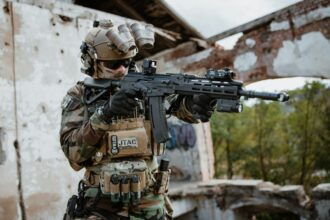
The annals of American military history are replete with tales of valor and sacrifice, but few units embody the pinnacle of covert operations and unwavering dedication quite like Delta Force. Officially known as the 1st Special Forces Operational Detachment-Delta (1st SFOD-D), this elite unit operates under the Joint Special Operations Command (JSOC) and is tasked with some of the most sensitive, dangerous, and complex missions imaginable. Its existence is shrouded in secrecy, its operators honed to an unparalleled level of proficiency, and its history a testament to America’s commitment to confronting threats at their most primal.
The genesis of Delta Force can be traced back to the turbulent decades of the Cold War and the evolving landscape of international terrorism. The United States, while possessing a formidable conventional military, recognized a growing need for a highly specialized, dedicated force capable of responding to unconventional threats that fell outside the purview of traditional military operations. These threats often involved hostage situations, counter-terrorism operations, and clandestine missions requiring a level of discretion and surgical precision that existing units struggled to consistently provide.
The Shadows of the Cold War and Emerging Threats
During the Cold War, the ideological battleground was not solely fought with tanks and bombers. The rise of state-sponsored terrorism and the increasing frequency of international incidents demanding swift and decisive action from the shadows spurred a re-evaluation of American special operations capabilities. While units like the Green Berets excelled in unconventional warfare and direct action, the nuanced and often politically sensitive nature of hostage rescue and direct action against terrorist cells demanded a different breed of operator. The existing military structure, while robust, was not optimally designed for rapid deployment and execution of highly specialized, often deniable, operations.
The Catalyst: The Munich Olympics and the Imperfect Response
A significant turning point in the conceptualization of an elite counter-terrorism unit was the tragic events of the 1972 Munich Olympics. The Palestinian terrorist group Black September launched a brutal attack, taking Israeli athletes hostage. The subsequent rescue attempt by German authorities was a catastrophic failure, resulting in the deaths of all hostages and several terrorists. This incident exposed critical deficiencies in counter-terrorism tactics, training, and equipment within Western nations. For the United States, it served as a stark and painful lesson, highlighting the urgent need for a dedicated, highly trained force capable of preventing such tragedies and responding effectively when they did occur. The world watched as conventional forces, however well-intentioned, proved ill-equipped to handle the specialized demands of modern hostage rescue.
The Vision of Colonel Charles Beckwith
The primary architect of Delta Force was Colonel Charles Beckwith, a decorated Vietnam veteran and a pioneer in U.S. Army Special Forces. Beckwith, having witnessed firsthand the limitations of existing units in certain high-stakes scenarios, became a fervent advocate for the creation of a highly selective and rigorously trained counter-terrorism unit. He understood that such a force would require operators drawn from the best available talent across the U.S. military, individuals with exceptional psychological fortitude, unwavering discipline, and a diverse range of specialized skills. His vision was not simply to create another special operations unit, but to forge an instrument of national power capable of operating with unparalleled effectiveness in the most challenging environments.
The history of Delta Force’s creation is a fascinating topic that delves into the evolution of special operations in the United States military. For those interested in exploring this subject further, a related article can be found at In the War Room, which provides an in-depth analysis of the formation and operational strategies of this elite unit. This resource offers valuable insights into the challenges and triumphs faced by Delta Force since its inception.
Forging the Operators: Selection and Training
The legend of Delta Force is intrinsically linked to the grueling and unforgiving selection and training processes that transform highly skilled individuals into the elite operators who comprise the unit. The standards are not merely high; they are designed to push candidates to their absolute physical and mental limits, identifying those with the resilience, intelligence, and adaptability to succeed where others would falter.
The “Selection” Process: A Crucible of the Elite
The initial phase of Delta Force selection is notoriously demanding, often referred to simply as “Selection.” It is designed to weed out all but the most capable and psychologically resilient individuals. Candidates are subjected to prolonged periods of intense physical exertion, often in austere environments, with minimal sleep and sustenance. Mental fortitude is tested through complex problem-solving exercises, simulated stress scenarios, and constant evaluation of their decision-making capabilities under duress. The emphasis is not solely on brute strength, but on endurance, self-reliance, resourcefulness, and the ability to remain calm and effective when faced with overwhelming adversity. Many aspiring operators do not make it past this initial stage, a testament to the extraordinary standards.
“Green Platoon” and Beyond: Mastering Diverse Skills
Upon successfully completing Selection, candidates enter what is informally known as the “Green Platoon,” a more advanced training pipeline where they begin to hone the specialized skills essential for Delta Force operations. This phase is characterized by intensive instruction in a wide array of disciplines.
Advanced Marksmanship and Weapons Proficiency
Operators are trained to an exceptional level of proficiency with a vast array of firearms, from pistols and rifles to specialized weapons systems. This includes advanced techniques such as close-quarters combat shooting, long-range precision shooting, and the ability to effectively employ weapons in diverse and challenging environments. Mastery of weapons is not just about accuracy; it’s about speed, control, and the ability to neutralize threats with surgical precision.
Close-Quarters Combat (CQC) and Hand-to-Hand Fighting
Given the nature of many Delta Force missions, particularly hostage rescue, proficiency in close-quarters combat is paramount. Operators undergo rigorous training in hand-to-hand combat, including various martial arts disciplines, designed to enable them to neutralize threats effectively and efficiently without relying solely on firearms. This training emphasizes situational awareness, leverage, and the ability to adapt to rapidly evolving close-range engagements.
Explosives and Demolitions
The ability to breach barriers, disable enemy infrastructure, or create strategic diversions requires a deep understanding of explosives and demolitions. Delta operators receive extensive training in the safe and effective use of various explosive devices, understanding their properties and applications in achieving mission objectives.
Advanced Driving and Evasion Techniques
Mobility is often crucial for mission success. Operators are trained in advanced driving techniques, including high-speed pursuit, off-road navigation, and evasive maneuvers, allowing them to operate effectively in a wide range of vehicle platforms and challenging terrain.
Intelligence Gathering and Surveillance
Delta Force operates at the forefront of intelligence gathering. Operators are trained in various surveillance techniques, including reconnaissance, electronic eavesdropping, and human intelligence (HUMINT) gathering. This allows them to provide crucial real-time intelligence to support ongoing operations and future planning.
Medical and Tactical Medicine
Given the inherent dangers of their missions, every Delta operator receives comprehensive training in tactical medicine. This ensures that they can provide immediate and life-saving medical care to themselves and their teammates in combat environments, often under extreme pressure.
The Silent Engagements: Notable Missions and Operations
While much of Delta Force’s history is classified, the impact of their operations is undeniable. Over the decades, they have been instrumental in confronting some of the most significant threats to American interests and global security, often operating in the shadows with little public fanfare.
Operation Eagle Claw: A Defining Challenge
Operation Eagle Claw, the failed rescue attempt of American hostages in Iran in 1980, stands as a pivotal and deeply instructive moment in the history of Delta Force. Though ultimately unsuccessful due to a series of catastrophic mechanical failures and unforeseen environmental conditions, the operation highlighted both the unit’s courage and the critical need for improved interagency coordination and logistical support for such complex missions. The lessons learned from Eagle Claw directly informed the restructuring of special operations forces and the subsequent development of enhanced planning and operational capabilities that would serve Delta well in the future. It was a harsh but invaluable learning experience.
Rescuing the Passengers of Flight 845: A Swift and Decisive Action
In a far more successful endeavor, Delta Force played a crucial role in the resolution of a hijacking incident involving a TWA airliner in 1985. The passengers of Flight 845 were held hostage by Shiite militants in Beirut. Delta Force, working in conjunction with other U.S. agencies, meticulously planned and executed a rescue operation that successfully freed the captives with minimal casualties. This operation showcased the unit’s ability to conduct complex hostage rescue missions with precision and speed, solidifying their reputation as a highly effective counter-terrorism force.
The Hunt for Saddam Hussein: A Post-Conflict Imperative
In the aftermath of the 2003 invasion of Iraq, Delta Force was instrumental in the hunt for Saddam Hussein. Operating in a hostile and complex environment, the unit utilized its exceptional intelligence-gathering and operational capabilities to track down the former Iraqi dictator. Their meticulous efforts culminated in Hussein’s capture in December 2003, a significant achievement that had profound implications for the post-invasion landscape of Iraq. This mission underscored Delta’s adaptability to a wide range of operational theaters and their persistence in achieving high-value objectives.
Counter-Terrorism Operations Worldwide: A Constant Vigil
Beyond these specific, high-profile missions, Delta Force has been continuously engaged in a vast array of counter-terrorism operations across the globe. These missions, often classified and largely unknown to the public, involve disrupting terrorist networks, neutralizing high-value targets, and preventing attacks before they can occur. Their operational tempo is relentless, their adversaries constantly evolving, and their commitment to national security unwavering. These “silent wars” are the bedrock of their operational legacy.
The Operational Philosophy: Stealth, Precision, and Adaptability
The effectiveness of Delta Force lies not only in the individual skills of its operators but also in its deeply ingrained operational philosophy. This philosophy prioritizes meticulous planning, the element of surprise, and the ability to adapt to rapidly changing circumstances, ensuring the highest probability of mission success while minimizing risks.
The Principle of Surprise and Stealth
A cornerstone of Delta Force operations is the principle of surprise. Missions are meticulously planned to maximize the element of stealth, ensuring that targets are unaware of the impending operation until it is too late. This often involves operating under the cover of darkness, utilizing specialized insertion and extraction methods, and employing advanced technology to avoid detection. Surprise is a critical force multiplier, often allowing for the neutralization of threats with minimal engagement.
Precision Targeting and Surgical Execution
When Delta Force engages, it is with unparalleled precision. The unit is trained to identify and neutralize specific threats with surgical accuracy, minimizing collateral damage and civilian casualties. This focus on precision is a testament to their ethical commitment and their understanding of the broader strategic implications of their actions. Every shot, every movement, is deliberate and purposeful.
Adaptability in Dynamic Environments
The nature of special operations is inherently dynamic and unpredictable. Delta Force operators are trained to be highly adaptable, capable of responding to unexpected challenges and evolving circumstances with agility and decisiveness. Whether facing unforeseen enemy resistance, environmental hazards, or unexpected intelligence shifts, the unit’s ability to improvise and adjust is critical to mission success. This constant state of readiness for the unexpected is a hallmark of their operational doctrine.
The Importance of Intelligence Fusion
Delta Force’s success is intrinsically linked to its ability to fuse disparate pieces of intelligence into a coherent and actionable picture. They work closely with intelligence agencies, utilizing a vast array of sources and analytical tools to develop a comprehensive understanding of their targets and operational environments. This intelligence-driven approach ensures that operations are meticulously planned and executed based on the most accurate and up-to-date information available.
The history of the creation of Delta Force is a fascinating topic that delves into the evolution of special operations in the United States military. For those interested in exploring this subject further, a related article provides an in-depth look at the origins and development of this elite unit. You can read more about it in this insightful piece on special operations by following this link. This article not only highlights the challenges faced during its formation but also examines the impact Delta Force has had on modern military tactics.
The Enduring Legacy and Future of Delta Force
| Year | Event | Details |
|---|---|---|
| 1968 | Initiation of Delta Force Concept | General Charles Beckwith, inspired by the British SAS, proposed the creation of a U.S. Army special operations unit. |
| 1969 | Official Formation | Delta Force was officially established as 1st Special Forces Operational Detachment-Delta (1st SFOD-D). |
| 1970 | First Selection and Training | Initial selection and training programs were developed to recruit elite soldiers from various military branches. |
| 1977 | Operational Deployment | Delta Force began participating in counter-terrorism and hostage rescue missions. |
| 1980 | Operation Eagle Claw | Delta Force was involved in the failed attempt to rescue hostages in Iran, leading to improvements in joint special operations. |
The history of Delta Force is a narrative of constant evolution, adaptation, and unwavering commitment to safeguarding national interests. As the global threat landscape continues to shift, the unit remains at the forefront of America’s special operations capabilities, a silent guardian operating in the shadows.
A Legacy of Secrecy and Sacrifice
The legacy of Delta Force is one of profound sacrifice and unwavering dedication, often performed in the utmost secrecy. The operators who serve in this unit are among the most highly trained and courageous individuals in the world, willingly undertaking missions that many would deem impossible. Their contributions, though often unheralded, have had a significant impact on the security of the United States and its allies. The true cost of their service, measured in personal sacrifice and unwavering commitment, is immeasurable.
Evolving Threats, Evolving Tactics
The challenges facing Delta Force are continuously evolving. The rise of asymmetric warfare, cyber threats, and the proliferation of advanced weaponry necessitate a constant adaptation of tactics, techniques, and procedures. The unit remains at the cutting edge of technological integration and innovative operational methodologies, ensuring its continued effectiveness in confronting emerging threats. The battlefield of the future will demand new approaches, and Delta is poised to meet that challenge.
The Unseen Shield: Delta’s Role in Modern Warfare
In the complex and often ambiguous landscape of modern warfare, Delta Force serves as an unseen shield. They are the tip of the spear, the instrument of last resort, deployed when all other options have been exhausted or when the stakes are too high for conventional forces. Their continued existence and operational readiness are a testament to America’s commitment to confronting threats wherever and however they may arise. Their unseen presence provides a crucial layer of security that underpins national defense.
The Future of Elite Operations
The future of Delta Force, like its past, will be defined by its commitment to excellence, its unwavering discipline, and its ability to adapt to an ever-changing world. As new challenges emerge, the unit will continue to evolve, drawing on its rich history and embracing innovation to remain the premier special operations force in the world. The dedication of its operators ensures that America will always have a force capable of tackling its most difficult security challenges, operating with unparalleled skill and unwavering resolve from the shadows.
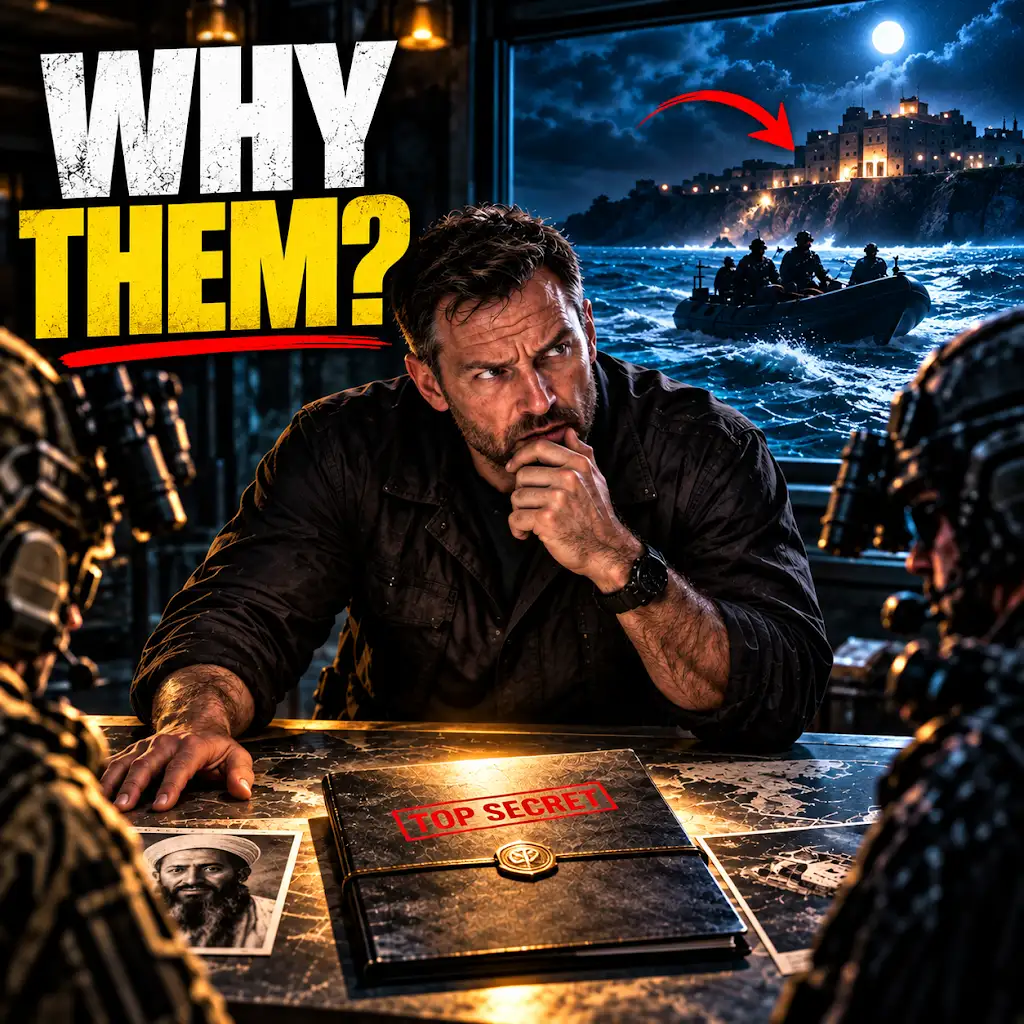
Why SEAL Team Six Got the Bin Laden Raid — Not Delta Force
FAQs
What is Delta Force?
Delta Force is a special operations unit of the United States Army, specifically designed for counterterrorism and other high-risk missions.
When was Delta Force created?
Delta Force was officially formed in November 1977, in response to the increasing need for a specialized counterterrorism unit.
Who was responsible for creating Delta Force?
Delta Force was established by Colonel Charles Beckwith, who was inspired by the success of the British Special Air Service (SAS) during the Iranian Embassy siege in 1980.
What is the selection process like for Delta Force operators?
The selection process for Delta Force operators is extremely rigorous and includes physical fitness tests, psychological evaluations, and specialized training in various combat skills.
What are some notable missions that Delta Force has been involved in?
Delta Force has been involved in numerous high-profile missions, including the capture of Manuel Noriega in Panama, the hunt for Osama bin Laden in Afghanistan, and the rescue of hostages in Operation Eagle Claw during the Iran hostage crisis.