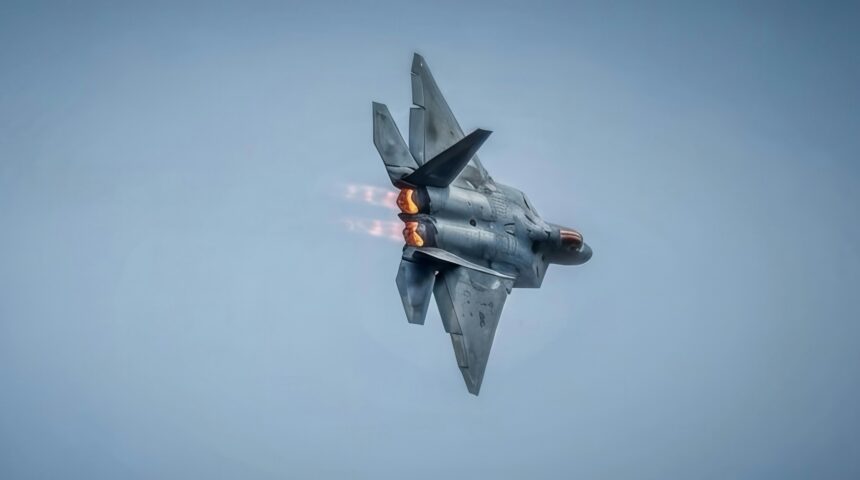
A pervasive dependence on advanced technology has become the hallmark of modern warfare, promising unprecedented precision, speed, and lethality. However, beneath the gleaming surface of sophisticated drones, cyber capabilities, and real-time data streams lies a critical, often overlooked, vulnerability: an overreliance on technology itself. This essay will explore the multifaceted nature of this hidden weakness, examining how the very tools designed to enhance military effectiveness can, under certain circumstances, become significant liabilities, hindering operational agility, fostering strategic inflexibility, and opening doors to unforeseen cascading failures.
The allure of technological superiority is undeniable. Nations invest billions in developing and deploying cutting-edge systems, from stealth aircraft and advanced missile defense to AI-powered targeting and ubiquitous surveillance networks. These investments are often framed as guarantees of victory, creating a psychological buffer against the inherent chaos and uncertainty of conflict. Yet, this emphasis on technological solutions can foster a dangerous complacency, a belief that superior hardware will always trump the ingenuity and adaptability of an adversary. This illusion of invincibility can lead to underestimation of less technologically advanced, but perhaps more ideologically driven, opponents.
The Seduction of the “Silver Bullet”
The belief that a single technological breakthrough or system can solve all military problems is a seductive, yet ultimately flawed, notion. This “silver bullet” mentality can divert resources and attention away from critical areas such as human intelligence, strategic diplomacy, and the long-term cultivation of military personnel. When a conflict arises, and the vaunted technological solution proves insufficient, or is circumvented, the reliance on it can leave the military ill-prepared to adapt and overcome the challenges presented.
The Erosion of Foundational Skills
The integration of advanced technology often comes with the implicit assumption that it will augment, rather than replace, fundamental military skills. However, a steady diet of automated systems and simplified operational interfaces can, over time, lead to an erosion of critical thinking, basic navigation, fieldcraft, and manual weapon proficiency among the rank and file. When technology fails, or is rendered unusable, soldiers may find themselves lacking the foundational competencies to operate effectively, turning a minor disruption into a significant operational setback. The ability to fight and win with limited resources, a hallmark of past successful military campaigns, may be diminished.
In examining the hidden weaknesses of modern warfare, it is essential to consider the insights provided in a related article that discusses the evolving nature of conflict and the vulnerabilities that arise from technological dependence. This article highlights how reliance on advanced systems can create unforeseen risks, making military operations susceptible to cyber threats and electronic warfare. For a deeper understanding of these issues, you can read more in the article available at In the War Room.
The Fragility of Interconnected Systems: The Butterfly Effect in Warfare
Modern warfare is characterized by highly interconnected and interdependent technological systems. Information flows seamlessly between command centers, forward units, and intelligence platforms, creating a network of immense power. However, this very interconnectedness, while offering unprecedented situational awareness, also creates a single point of failure that can propagate disruptions throughout the entire operational theater. A successful attack on a key node in this network, or a cunning exploitation of a vulnerability, can have far-reaching and unpredictable consequences, akin to a butterfly flapping its wings and causing a hurricane.
The Cyber Dimension: A New Battlefield of Vulnerabilities
Cyber warfare has emerged as a primary domain of conflict, offering a less kinetic and potentially more devastating means of disrupting an adversary. The reliance on digital networks for communication, navigation, targeting, and logistics makes modern militaries exceptionally susceptible to cyberattacks. A sophisticated adversary can exploit vulnerabilities to:
- Disrupt Command and Control: Preventing communication, issuing false orders, or rendering critical systems inoperable can paralyze a military force.
- Compromise Intelligence: Stealing sensitive data, planting misinformation, or disrupting surveillance feeds can lead to strategic blunders.
- Disable Weapon Systems: Targeting the electronic components of aircraft, vehicles, or missiles can render them useless or even turn them against their operators.
- Undermine Logistics: Disrupting supply chains, interfering with transportation networks, or crippling maintenance systems can starve a force of essential resources.
The constant evolution of cyber threats and the intricate nature of military networks make it a perpetual game of cat and mouse, where an initial technological advantage can be quickly neutralized by an opponent’s innovative cyber capabilities.
The Cascading Failure Phenomenon
The interconnected nature of modern warfare means that the failure of one system can trigger a chain reaction of failures in others. For instance, a disruption in GPS signals can not only affect navigation but also impact the targeting systems of precision-guided munitions, communication satellite links, and autonomous vehicles. Similarly, a power grid failure in a conflict zone could cripple numerous networked systems, from air traffic control to essential life support for operational units. The military’s deep reliance on these interconnected systems means that a localized failure can rapidly escalate into a theater-wide crisis.
The Erosion of Adaptability and Strategic Flexibility: The Tyranny of the Plan
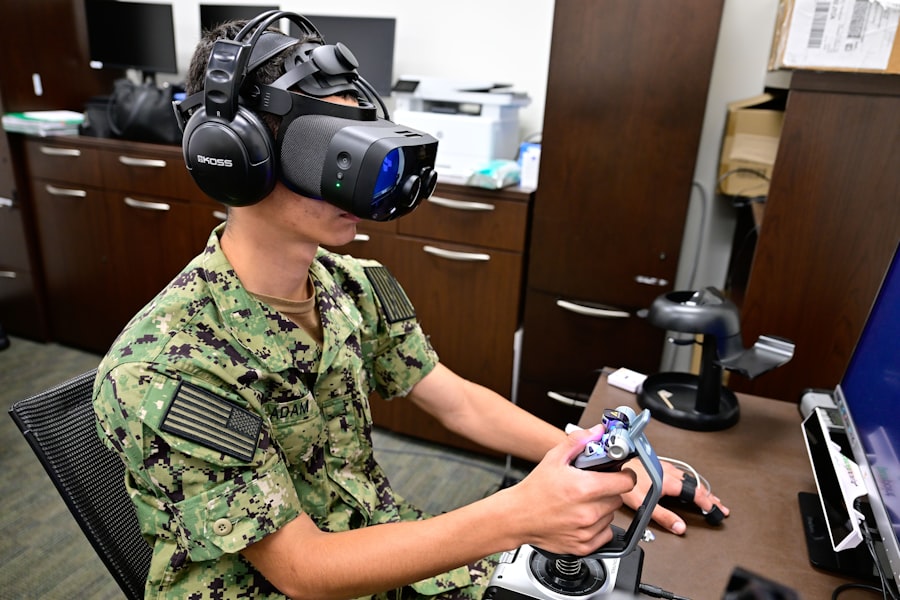
The immense cost and complexity of developing and deploying advanced military technology often lead to a rigid adherence to pre-defined operational plans. These plans are meticulously crafted based on assumptions about the environment, the adversary, and the reliable functioning of technological systems. However, warfare is inherently dynamic and unpredictable. When faced with unexpected developments, novel tactics, or the failure of planned technological solutions, militaries that are overly reliant on technology and their accompanying plans can struggle to adapt.
The “Set-Piece” Warfare Mentality
The ability to orchestrate complex, technologically driven operations can foster a “set-piece” warfare mentality, where battles are conceived as meticulously choreographed performances. While this can be effective against predictable adversaries, it can be disastrous when confronted with an opponent who embraces improvisation and asymmetry. The flexibility to deviate from the plan, to exploit unforeseen opportunities, or to react to emergent threats can be stifled by the very systems designed to control and execute the initial strategy. The inability to think and act outside the technological framework can lead to being outmaneuvered and outfought.
The Disregard for the “Low-Tech” Option
In an environment where overwhelming technological dominance is assumed, the value of simpler, more robust, and less technologically dependent solutions can be overlooked. Insurgencies, for example, often thrive by employing low-tech tactics that exploit the vulnerabilities of high-tech forces. The ability to revert to simpler forms of warfare, such as ground patrols, manual reconnaissance, and less vulnerable communication methods, might be crucial in certain scenarios, but can be deprioritized in favor of ever-more sophisticated digital solutions.
The Human Element: The Unquantifiable Factor Lost in the Code
Despite the increasing automation and algorithmic decision-making in modern warfare, the human element remains a crucial, and often underestimated, factor. The reliance on technology can inadvertently diminish the cognitive and emotional capacity of soldiers, leading to a detachment from the realities of combat and a reduced ability to exercise nuanced judgment.
The Dehumanization of Conflict
The sterile, remote nature of operating drones or executing cyberattacks can create a disconnect between the operator and the consequences of their actions. This can lead to a dehumanization of the enemy and a diminished appreciation for the complexities of asymmetric conflict. The nuances of understanding local populations, building trust, and applying restraint – all critical for achieving lasting stability – can be harder to cultivate when interactions are mediated through screens and algorithms.
The Erosion of Intuition and Courage
Warfare often demands a degree of intuition, moral courage, and the ability to make difficult decisions under immense pressure. While AI can process vast amounts of data, it cannot replicate human empathy, ethical reasoning, or the visceral courage to act in the face of adversity. An over-reliance on technological guidance can lead to a reluctance to trust one’s own judgment, a hesitation to take calculated risks, and a diminished capacity for bold, decisive action when required. The ability to improvise and adapt based on instinct and experience, rather than just programmed parameters, is a vital human trait that technology cannot fully replace.
In examining the hidden weaknesses of modern warfare, one can find insightful perspectives in a related article that delves into the complexities and vulnerabilities of contemporary military strategies. The discussion highlights how reliance on advanced technology can sometimes create unforeseen challenges for armed forces. For a deeper understanding of these issues, you can read more in this article that explores the intricacies of modern combat and its implications for global security.
The Supply Chain and Maintenance Conundrum: The Achilles’ Heel of High-Tech Forces
| Aspect | Impact |
|---|---|
| Cybersecurity | Vulnerability to cyber attacks and hacking |
| Supply chain | Reliance on complex and interconnected supply chains |
| Information warfare | Manipulation of public opinion and misinformation |
| Urban warfare | Challenges of fighting in densely populated areas |
| Environmental impact | Destruction of natural resources and ecosystems |
The sophisticated technology that defines modern warfare is not inherently self-sustaining. It relies on a complex and vulnerable global supply chain for components, software updates, and specialized maintenance. Any disruption to this intricate network can have crippling consequences for a technologically dependent military.
The Vulnerability of Global Supply Chains
The production of advanced military hardware involves a globalized network of suppliers, often in multiple countries. This geographic distribution, while cost-effective in peacetime, can become a significant liability during conflict. Geopolitical tensions, trade disputes, natural disasters, or deliberate sabotage can all disrupt the flow of essential parts and expertise. A technologically advanced force can find itself grounded or rendered ineffective if it cannot receive the necessary spare parts or software patches to keep its systems operational.
The Increasing Complexity of Maintenance and Repair
Modern military systems are incredibly complex, requiring highly specialized knowledge and equipment for maintenance and repair. This reliance on skilled technicians and intricate diagnostic tools means that even minor malfunctions can lead to extended downtime if specialized support is unavailable. In a protracted conflict, the ability to field a force capable of rapid, on-site repairs with limited resources becomes paramount. Over-dependence on external support for repairs can leave a military vulnerable when such support is withdrawn or disrupted.
The Obsolescence Cycle and the Arms Race
The rapid pace of technological advancement means that even the most cutting-edge systems can become obsolete relatively quickly. This perpetual cycle of upgrade and replacement is incredibly costly and creates ongoing pressure to maintain technological superiority. However, it also means that a military may be constantly chasing the technological horizon, investing heavily in systems that may have a limited operational lifespan, and potentially leaving its forces vulnerable if that technological edge is lost to an adversary who has invested wisely in different, perhaps more robust, or even simpler, systems.
In conclusion, while the technological advancements in modern warfare offer undeniable advantages, a critical examination of the overreliance on these tools reveals a profound hidden weakness. The illusion of invincibility, the fragility of interconnected systems, the erosion of adaptability, the diminished human element, and the vulnerability of supply chains all highlight the inherent risks associated with an unchecked embrace of technological solutions. A truly effective military force must cultivate a balanced approach, one that leverages the power of technology while retaining the foundational skills, adaptability, and human judgment necessary to navigate the unpredictable landscape of conflict. The true strength of modern warfare may not lie solely in its most advanced systems, but in its ability to maintain resilience and effectiveness even when those systems falter, a lesson etched in the annals of military history and profoundly relevant to the challenges of the 21st century.

The Hidden Weakness Behind Modern Warfare
FAQs
What is the hidden weakness of modern warfare?
The hidden weakness of modern warfare is the overreliance on technology and the vulnerability of interconnected systems to cyber attacks.
How does the overreliance on technology impact modern warfare?
The overreliance on technology in modern warfare makes military systems and infrastructure susceptible to cyber attacks, which can disrupt operations and compromise sensitive information.
What are the potential consequences of the hidden weakness of modern warfare?
The potential consequences of the hidden weakness of modern warfare include the loss of critical capabilities, the compromise of sensitive information, and the disruption of military operations.
How can the hidden weakness of modern warfare be addressed?
The hidden weakness of modern warfare can be addressed through improved cybersecurity measures, diversification of military capabilities, and increased resilience to cyber attacks.
What are some examples of the hidden weakness of modern warfare being exploited?
Examples of the hidden weakness of modern warfare being exploited include cyber attacks on military infrastructure, the theft of sensitive military information, and the disruption of military operations through digital means.