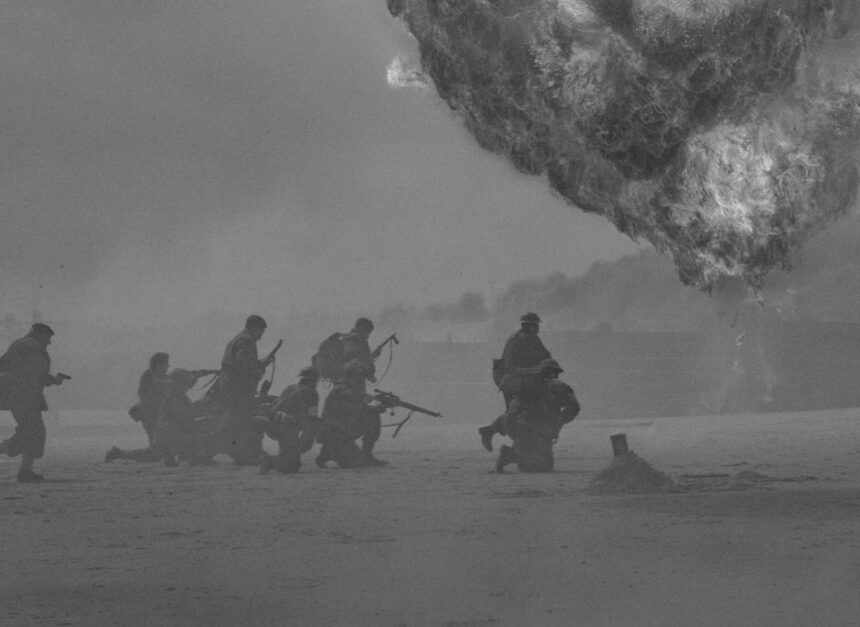
The world watched, captivated, as a coalition of nations, spearheaded by the United States, unleashed a lightning-fast offensive against Iraq in early 1991. Operation Desert Storm, heralded as a swift and decisive victory, remains a subject of fascination, often simplified to a dazzling display of aerial power and ground maneuvers. Yet, beneath the spectacle of its public execution lay a meticulously crafted and often unseen strategic framework. This hidden strategy was not merely about military might; it was a complex interplay of deception, psychological warfare, logistical brilliance, and a profound understanding of the political landscape. It was a war fought not only on the battlefield but also in the minds of the adversary and the international community.
The most potent weapon in the arsenal of Operation Desert Storm was arguably not a missile or a tank, but the carefully constructed narrative designed to sow confusion and cripple the Iraqi will to fight. This was a strategy of deliberate obfuscation, a deliberate obscuring of true intentions and capabilities, all aimed at shaping the adversary’s perception and forcing them into predictable, ultimately disadvantageous, responses.
The Phantom Front: Creating Illusions of an Imminent Land Invasion
One of the most significant, and perhaps least appreciated, elements of Desert Storm’s hidden strategy was the extensive use of deception to create the illusion of an imminent ground invasion from the south. For months, coalition forces engaged in a massive build-up of troops and materiel along the Saudi Arabian-Kuwaiti border. This was not solely for the purpose of a frontal assault, but rather to draw the Iraqi military’s attention, resources, and strategic reserves to this area.
The “Feint and Slam” Gambit: Drawing the Iraqi Lion to the Wrong Den
The Iraqi military, entrenched in Kuwait and anticipating a direct, brutal ground war, had dug in with extensive fortifications. Their strategy was one of attrition, aiming to inflict heavy casualties on any invading force. The coalition’s deception was designed to exploit this mindset. They orchestrated a series of highly publicized exercises, troop movements, and amphibious landing simulations that screamed “frontal assault.” This served to fix the bulk of Saddam Hussein’s elite Republican Guard units in Kuwait, where they would be vulnerable to the Coalition’s eventual flanking maneuver. The sheer scale of the visible preparations for a southern invasion acted as an irresistible lure, drawing the Iraqi air defense systems, artillery, and armor into a posture of static defense, exactly where the coalition wanted them.
The Role of Electronic Warfare and Propaganda: Amplifying the Deception
Beyond the physical manifestations of troop movements, electronic warfare played a crucial role in this grand deception. Coalition forces engaged in extensive jamming of Iraqi communications and radar systems, not only to disrupt their command and control but also to mask the true nature and location of their operations. Simultaneously, carefully crafted propaganda messages, disseminated through various channels, aimed to further amplify the perception of an imminent southern assault. These messages often highlighted the immense firepower being assembled on the border, reinforcing the Iraqi belief that the main event was about to commence. The psychological impact of this sustained pressure, coupled with the perceived overwhelming might arrayed against them, was designed to erode Iraqi morale and decision-making capabilities.
The Desert Mirage: Masking the True Infiltration Routes
While the world focused on the heavily fortified Saudi border, the true strategic maneuver of Desert Storm was being meticulously planned and executed elsewhere. The “left hook,” a vast flanking movement through the less fortified western Iraqi desert, was the lynchpin of the ground offensive. However, keeping this crucial operation hidden required an equally sophisticated level of misdirection.
The Ghost Army: Deceptive Deployments and False Trails
The coalition employed “ghost armies” – units that existed more on paper and in strategic planning than in their overt deployment. These formations were used to draw Iraqi attention and reconnaissance efforts away from the actual areas of infiltration. Dummy tanks, trucks, and even aircraft were positioned in plausible locations to suggest major troop concentrations and offensive preparations. False intelligence was subtly leaked, pointing towards build-ups in areas that were strategically less significant. This created a multitude of red herrings, forcing Iraqi intelligence to chase shadows and dissipate their limited resources in monitoring non-existent threats.
The Power of Silence: Leveraging Stealth and Night Operations
Crucially, the true infiltration routes were kept under an almost absolute veil of secrecy. Operations in the western desert were conducted primarily at night, utilizing advanced night-vision technology that allowed coalition forces to move with near impunity. The vast, sparsely populated desert provided natural cover, and the coalition’s superior mobility and stealth capabilities allowed them to bypass heavily defended Iraqi positions. The Iraqi military, accustomed to fighting in more conventional theaters, found itself outmaneuvered and outflanked by an enemy that seemed to materialize from the desert itself. The absence of a sustained, visible buildup in these areas was, in itself, a form of deception, as the Iraqis were conditioned to expect and observe such preparations.
The hidden strategies behind Operation Desert Storm have been a topic of extensive analysis and discussion among military historians and strategists. For a deeper understanding of the complexities involved in this pivotal conflict, you can explore a related article that delves into the intricacies of the planning and execution of the operation. This article provides valuable insights into the decision-making processes and the geopolitical factors at play. To read more, visit this link.
The Psychological Battlefield: Breaking the Iraqi Will to Resist
Operation Desert Storm was as much a war of attrition for the mind as it was for the body. The coalition recognized that Saddam Hussein’s regime, while militarily capable, was underpinned by a fragile foundation of popular support and a reliance on fear. Undermining this psychological foundation was a key, often understated, strategic objective.
The Air Campaign as a Throttle of Fear: Precision Strikes and Strategic Bombing
The initial phase of Desert Storm, the extensive air campaign, was not merely about destroying military targets. It was a carefully calibrated instrument of psychological warfare, designed to instill fear, disrupt command and control, and isolate the Iraqi leadership.
The “Shock and Awe” Precursor: A Demonstration of Unmatched Power
While the term “shock and awe” would become more associated with later conflicts, its underlying principles were deeply embedded in the air campaign of Desert Storm. The relentless bombing of Iraqi military infrastructure, command centers, and air defenses served as a stark demonstration of the coalition’s technological superiority and overwhelming firepower. The precision of the strikes, utilizing advanced guided munitions, minimized collateral damage to civilian areas, which was a deliberate choice to avoid alienating the Iraqi population and to maintain international support. However, the sheer scale and duration of the aerial bombardment aimed to break the Iraqi spirit.
Targeting the Psyche: Communication Blackouts and Infrastructure Disruption
Beyond military targets, the air campaign also systematically targeted Iraq’s communication networks and key infrastructure. Power grids, telephone exchanges, and transportation hubs were all hit, aiming to cripple the regime’s ability to communicate with its forces and its people. This isolation fostered a sense of helplessness and desperation within the Iraqi military, making them more susceptible to surrendering or deserting. The inability to receive clear orders or understand the full extent of the coalition’s advance further contributed to their psychological breakdown.
The Information Warfare Offensive: Shaping Perceptions and Encouraging Surrender
The coalition understood that controlling the narrative was as important as controlling the airspace. A sophisticated information warfare campaign ran in parallel with the military operations, aiming to influence both the Iraqi military and the international public.
Leaflets and Broadcasts: A Direct Appeal to the Enemy Soldier
During the air campaign, millions of leaflets were dropped over Iraqi positions, offering amnesty and safe passage to those who surrendered. These leaflets, often printed in Arabic and featuring clear instructions, were designed to exploit any existing discontent within the Iraqi ranks and to sow seeds of doubt about their leadership’s directives. Similarly, radio broadcasts, transmitting directly into Iraq, carried messages of hope for surrender and painted a grim picture of the futility of continued resistance. This direct appeal to the individual soldier was a powerful tool in eroding their resolve.
The Global Stage: Maintaining International Unity and Justification
On the international front, the coalition engaged in a relentless public relations effort to maintain global unity and justify the war. Press conferences, carefully curated images and videos of military operations, and constant communication with international media outlets ensured that the coalition’s narrative of liberation and defense of international law remained dominant. This preemptive management of public opinion was crucial in securing and maintaining the broad international coalition that supported Operation Desert Storm.
The Unsung Heroes of Logistics: The Backbone of the Blitzkrieg
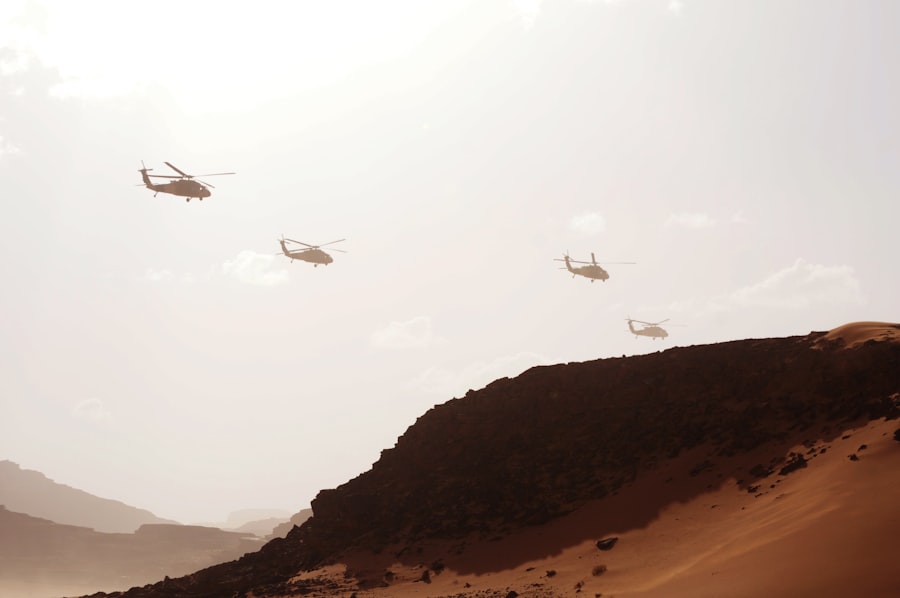
While the dazzling displays of air and ground combat often steal the spotlight, the success of Operation Desert Storm was fundamentally reliant on a logistical operation of unprecedented scale and complexity. The ability to move, supply, and sustain an enormous military force in a harsh desert environment was a strategic triumph in itself.
The Herculean Task of Deployment: Moving an Army Across Oceans
The initial phase of Desert Storm involved the massive deployment of personnel and equipment from around the globe to the Arabian Peninsula. This was a logistical feat of staggering proportions, requiring the coordinated efforts of navies, air forces, and land transport networks on an international scale.
The Sealift Supremacy: Orchestrating the Maritime Conveyor Belt
The vast majority of heavy equipment, including tanks, artillery, and armored vehicles, was transported by sea. The coalition, primarily through the United States Military Sealift Command, orchestrated a massive sealift operation, mobilizing a fleet of cargo ships and specialized vessels. This involved meticulous planning to ensure timely delivery to staging areas, often under considerable time pressure. The sheer volume of materiel moved was immense, a testament to the efficiency of modern maritime logistics.
The Airlift Advantage: Speed and Flexibility in Motion
While sealift handled the bulk of the heavy equipment, the airlift played a crucial role in rapidly deploying personnel and providing critical supplies. The strategic airlift capabilities of the coalition, particularly the U.S. Air Force’s C-5 and C-141 transport aircraft, enabled the swift movement of troops and high-priority equipment to the theater. This provided the flexibility to react to evolving operational requirements and to quickly reinforce forward-deployed units.
Sustaining the Spearhead: The Lifeline of the Desert Front
Once deployed, the challenge shifted to sustaining the combat forces in the unforgiving desert environment. The coalition’s logistical superiority ensured that its forces were consistently resupplied with fuel, ammunition, food, water, and medical support, allowing them to maintain their offensive momentum.
The Pipeline of Fuel and Ammunition: Fueling the War Machine
The desert is a voracious consumer of fuel, and Desert Storm was no exception. The coalition established an elaborate network of fuel pipelines, convoys, and air-delivered supplies to keep the tanks, aircraft, and vehicles running. Similarly, an enormous quantity of ammunition was required to support the intense combat operations. The ability to deliver these vital resources directly to the front lines, even under hostile conditions, was a critical factor in the coalition’s success.
The Mobile Hospitals and Field Support: Preserving the Fighting Force
The provision of advanced medical care in the field was another crucial element of the logistical strategy. Mobile hospitals, surgical teams, and medevac helicopters were positioned to provide immediate treatment to wounded soldiers, significantly improving survival rates. Beyond medical support, comprehensive field support, including maintenance crews, repair facilities, and forward operating bases, ensured that equipment remained operational and that troops had access to essential services. This logistical resilience allowed the coalition to endure the rigors of prolonged combat and maintain its operational effectiveness.
The Art of Command and Control: Harmonizing a Global Force

The success of Operation Desert Storm was not solely a matter of individual bravery or technological prowess. It was a testament to the intricate and sophisticated systems of command and control that allowed a multinational force to operate with remarkable cohesion and efficiency.
The Digital Battlefield: Leveraging Technology for Unified Action
The coalition harnessed cutting-edge communication and information technology to create a seamless network of command and control, enabling real-time situational awareness and rapid decision-making.
Integrated Communication Networks: Speaking the Same Language, Digitally
The establishment of robust and secure communication networks was paramount. This involved integrating various national communication systems into a unified coalition network, allowing for the seamless exchange of intelligence, orders, and tactical information. Advanced encryption techniques ensured the security of these communications, preventing enemy interception. The ability for different units, operating across vast distances, to communicate and coordinate their actions in real-time was a game-changer.
Real-Time Intelligence and Situational Awareness: Seeing the Whole Picture
Sophisticated intelligence gathering and processing systems provided commanders with an unprecedented level of situational awareness. Satellite imagery, electronic surveillance, and human intelligence were all integrated to provide a dynamic and up-to-date picture of the battlefield. This allowed for rapid adaptation to changing circumstances and the identification of enemy vulnerabilities. The ability to see the entire operational picture, from the strategic to the tactical level, was a cornerstone of the coalition’s success.
The Doctrine of Jointness: Synergy Between Services and Nations
Operation Desert Storm was a seminal example of “jointness,” the effective integration of different military branches – army, navy, air force, and marines – working together towards a common objective. This principle was extended to the multinational coalition, where diverse national forces were woven into a cohesive fighting entity.
Inter-Service Cooperation: A Symphony of Combined Arms
The seamless cooperation between the U.S. Army, Navy, Air Force, and Marine Corps was a key to the offensive’s success. For instance, the Air Force provided vital close air support for ground troops, while the Navy imposed a strict blockade of Iraqi ports, cutting off vital supplies. The Marines and Army conducted synchronized ground operations, with each service leveraging its unique strengths. This synergistic approach maximized the effectiveness of each component, creating a combined arms capability that overwhelmed the Iraqi defenses.
Multinational Harmony: Bridging Differences for a Common Goal
The coalition itself comprised forces from over 30 nations, each with its own doctrines, equipment, and cultural nuances. The strategic leadership of the coalition successfully bridged these differences, fostering a spirit of cooperation and mutual respect. Standardized operating procedures, joint training exercises, and clear lines of command ensured that these diverse forces could operate effectively as a single unit. This multinational harmony was a testament to effective diplomacy and strategic foresight.
The hidden strategy behind Operation Desert Storm has been a topic of much analysis and discussion among military historians and strategists. A fascinating article that delves deeper into this subject can be found on In The War Room, where it explores the intricate planning and execution that characterized the operation. Understanding these strategies not only sheds light on the military tactics employed but also reveals the broader geopolitical implications of the conflict. For more insights, you can read the full article here.
The Unforeseen Consequences and Enduring Legacy: Beyond the Battlefield Victory
| Aspect | Details |
|---|---|
| Objective | To expel Iraqi forces from Kuwait and restore Kuwaiti sovereignty |
| Coalition | Led by the United States, with support from 34 other nations |
| Strategy | Air campaign followed by ground assault |
| Duration | January 17, 1991 – February 28, 1991 |
| Casualties | Approximately 300 coalition deaths and 20,000 Iraqi deaths |
| Outcome | Successful liberation of Kuwait and significant damage to Iraqi military capabilities |
While Operation Desert Storm was a resounding military victory, its hidden strategies and their execution had profound and lasting implications that extended far beyond the immediate conflict. The deliberate choices made in its planning and execution continue to shape geopolitical landscapes and military doctrines.
The Dawn of a New Era in Warfare: The Revolution in Military Affairs
Desert Storm is widely considered to have ushered in a new era of warfare, often referred to as the Revolution in Military Affairs (RMA). The success of precision-guided munitions, advanced networked warfare, and the concept of information dominance fundamentally altered the way wars were conceived and fought.
The Precision Strike Doctrine: Minimizing Collateral Damage and Maximizing Efficiency
The extensive use of precision-guided munitions (PGMs) demonstrated the efficacy of targeting specific military objectives with minimal collateral damage. This not only reduced civilian casualties, a key political and ethical consideration, but also allowed for more efficient destruction of enemy assets. The success of PGMs in Desert Storm spurred widespread adoption and further development of these technologies by militaries worldwide.
Network-Centric Warfare: The Power of Connected Forces
The interconnectedness of coalition forces, facilitated by advanced communication and information systems, laid the groundwork for network-centric warfare. This concept emphasizes the ability of forces to share information and coordinate actions in real-time, creating a synergistic effect that amplifies their combat power. Desert Storm provided a real-world proving ground for these ideas, demonstrating their transformative potential on the battlefield.
The Geopolitical Realignment: A Shifting Balance of Power in the Middle East
The outcome of Desert Storm had a dramatic and lasting impact on the geopolitical landscape of the Middle East, creating new alliances and exacerbating existing tensions.
The Containment of Iraq: A Long-Term Strategic Objective
The primary objective of Desert Storm was to liberate Kuwait and neutralize Iraq’s immediate threat to its neighbors. However, the subsequent decade saw a protracted policy of containment, with UN sanctions and ongoing military presence aimed at preventing Saddam Hussein from reconstituting his weapons of mass destruction programs and re-emerging as a regional destabilizing force. This sustained engagement had a significant impact on regional politics and economics.
The Rise of New Power Dynamics: Shifting Alliances and Unforeseen Conflicts
The war also led to a significant shift in regional power dynamics. The empowerment of certain Arab states and the increased reliance on Western powers for security created new alliances and, in some cases, fueled resentment and further instability. The long-term consequences of these shifts continue to reverberate in the Middle East today, influencing ongoing conflicts and diplomatic efforts.
The Ethical and Moral Debates: The Enduring Questions of Intervention
While celebrated as a military success, Operation Desert Storm also ignited important ethical and moral debates regarding the use of military force, humanitarian intervention, and the long-term consequences of foreign intervention in regional conflicts. The strategies employed, particularly the extensive bombing campaign, raised questions about proportionality and the impact on civilian populations. The subsequent decade of containment and the eventual invasion of Iraq in 2003 further amplified these debates, underscoring the complexity and enduring challenges of military intervention in a volatile region. The hidden strategies of Desert Storm, in their effectiveness and their consequences, offer a compelling case study in the intricate art of modern warfare, a blend of overt power and covert manipulation, a testament to the enduring power of strategy in shaping the course of history.
The Invisible Attack That Crippled Iraq’s Army | Desert Storm Documentary
FAQs
What was the hidden strategy behind Operation Desert Storm?
The hidden strategy behind Operation Desert Storm was to use overwhelming air power to weaken the Iraqi military and infrastructure before launching a ground offensive. This strategy aimed to minimize casualties and achieve a swift victory.
How did the use of stealth technology play a role in Operation Desert Storm?
The use of stealth technology, such as the F-117 Nighthawk stealth fighter, allowed coalition forces to conduct precision strikes on key Iraqi targets with minimal risk of detection and interception. This technology played a crucial role in the success of the air campaign.
What role did coalition forces play in Operation Desert Storm?
Coalition forces, led by the United States, played a central role in Operation Desert Storm. The coalition included countries such as the United Kingdom, France, Saudi Arabia, and Egypt, among others. These forces worked together to conduct air and ground operations to liberate Kuwait from Iraqi occupation.
What were the key objectives of Operation Desert Storm?
The key objectives of Operation Desert Storm were to expel Iraqi forces from Kuwait, restore Kuwait’s sovereignty, and enforce United Nations Security Council resolutions. Additionally, the operation aimed to weaken Saddam Hussein’s regime and deter future aggression in the region.
What were the long-term implications of Operation Desert Storm?
Operation Desert Storm had several long-term implications, including the establishment of a no-fly zone over Iraq, the imposition of economic sanctions, and the continued presence of U.S. and coalition forces in the region. The operation also shaped the geopolitical landscape of the Middle East and influenced subsequent military interventions in the region.