The whispers are faint, the shadows deep. They are the instruments of national will, the tip of the spear in conflicts that often never make the headlines. America’s most secret special operations units operate in a realm beyond public scrutiny, their missions shrouded in an impenetrable veil of classification. These are not the well-known Navy SEALs or Army Rangers, though they may comprise members drawn from those very ranks. Instead, these are the organizations that exist in the deepest recesses of intelligence agencies and military commands, tasked with operations so sensitive, so critical, that their very existence must remain unknown to all but the highest echelons of power. Understanding these units requires venturing into the clandestine, piecing together fragments of declassified reports, speculative analyses, and the rare, carefully curated accounts from those who have glimpsed the edges of their operations.
To comprehend the nature of these hidden elite, one must first acknowledge the sheer breadth of clandestine operations undertaken by the United States government. While units like the Special Forces or Delta Force are recognized for their direct action capabilities, America’s most secret special operations units delve into a more nuanced and often more critical spectrum of activities. They are the tools for intelligence gathering in hostile territories, the architects of unconventional warfare, and the quiet professionals who resolve threats before they escalate into overt conflicts. Their defining characteristic is their absolute discretion, their ability to operate with minimal footprint and maximum plausible deniability.
What Constitutes “Secret”?
The term “secret” in this context extends far beyond simple classification. It refers to units whose existence, structure, operational methodologies, and even specific personnel are shielded from public knowledge. This secrecy is not merely for operational security; it is often to preserve strategic advantages, prevent international repercussions, or conduct operations that, if revealed, could undermine diplomatic efforts or sow widespread panic. Unlike units with publicly acknowledged roles, these groups do not have open recruitment programs, their training facilities are not publicized, and their operational successes and failures are rarely, if ever, disclosed.
Distinguishing from More Publicly Known Units
It is crucial to differentiate these hidden elite from well-known special operations forces like the Navy SEAL Teams, Army Special Forces (Green Berets), and the 75th Ranger Regiment. While these units are highly skilled and often operate in classified environments, their existence, general mission profiles, and training are publicly understood and acknowledged. The secret units, conversely, operate at a different level of discretion. Think of them not as the frontline combatants, but as the shadowy figures who pave the way for those combatants, or who operate behind enemy lines in ways that defy conventional military understanding.
The Spectrum of Clandestine Operations
The range of missions undertaken by these secret units is vast and varied, often blurring the lines between military, intelligence, and covert diplomatic functions. They are equipped and trained for tasks that demand extreme stealth, adaptability, and an intimate understanding of human behavior and geopolitical dynamics. These operations can range from sensitive intelligence collection in denied areas to the disruption of enemy networks, the extraction of high-value assets, and even the prevention of catastrophic events through pre-emptive action.
For those interested in exploring the intricacies of America’s most secret special operations units, a fascinating article can be found at In The War Room. This resource delves into the history, training, and missions of elite forces, providing insights into their critical roles in national security and counter-terrorism efforts. Whether you’re a military enthusiast or simply curious about the covert operations that shape global events, this article offers a compelling look into the world of special operations.
The Shadows Within: Key Organizations and Their Enigmatic Roles
Pinpointing the exact composition and mandates of America’s most secret special operations units is an exercise in deciphering classified realities. However, based on declassified documents, expert analysis, and the scant public information available, certain entities and their perceived roles emerge from the obscurity. These are the organizations that inhabit the deepest levels of national security, operating with a degree of autonomy and access that sets them apart.
The Intelligence Community’s Enigmatic Arms
The Central Intelligence Agency (CIA), often perceived solely as an intelligence gathering organization, also possesses clandestine operational capabilities that rival and complement those of the military. Within its Directorate of Operations, specific groups are believed to exist whose mandate is to conduct sensitive paramilitary operations, influence foreign governments, and undertake actions that require a high degree of deniability. These units are the tip of the intelligence spear, tasked with executing missions that intelligence analysis alone cannot accomplish.
Special Activities Center (SAC) – The CIA’s Unacknowledged Enforcers
The Special Activities Center (SAC), previously known as the Special Operations Group (SOG), is widely considered to be the CIA’s premier paramilitary organization. While never officially acknowledged by the agency, its existence has been corroborated by former officials and investigative journalists. The SAC is believed to be responsible for a range of covert operations, including paramilitary actions, psychological operations, and even direct action missions in support of U.S. foreign policy objectives. Its personnel are drawn from highly experienced individuals, often with backgrounds in elite military special operations units, possessing a unique blend of intelligence acumen and combat proficiency. Their operations are designed to be deniable, leaving no trace of American involvement.
Task Force Omega – The Unseen Problem Solvers
While its existence is even more shrouded in secrecy than the SAC, Task Force Omega is a rumored entity within the intelligence community tasked with addressing the most complex and sensitive threats. It is believed to be a highly agile and adaptable unit capable of responding to a wide array of emergent national security challenges, from counter-terrorism operations in highly dangerous environments to the resolution of diplomatic crises through unconventional means. The sheer secrecy surrounding Omega suggests that its mandates are of the highest sensitivity, requiring a level of discretion and autonomy that goes beyond even the SAC.
The Military’s Deepest Black Ops
Beyond the publicly recognized special operations forces, the U.S. military harbors units that operate under extreme secrecy, their missions often classified at the highest levels. These are not auxiliary units but rather specialized detachments designed to handle unique and highly sensitive operational requirements that fall outside the scope of conventional military engagements.
JSOC’s Unacknowledged Tier – Beyond Delta and JSOC’s Shadow
While Joint Special Operations Command (JSOC) is itself a highly secretive organization overseeing units like Delta Force and DEVGRU (Seal Team Six), there are indications of an even deeper, more clandestine tier within its structure. These could be specialized task forces or units designed for exceptionally sensitive missions that require an even greater degree of compartmentalization. Their operational parameters might involve ultra-sensitive intelligence gathering, unconventional warfare tactics against advanced adversaries, or the neutralization of threats that could destabilize global security. The very notion of these “deep black” units within JSOC highlights the layered nature of America’s most secret operations.
The “Ghost Units” – Unverifiable Entities in the Fog of War
There are persistent rumors and speculative accounts of “ghost units” within various branches of the military, entities so deeply classified that their existence is barely alluded to in open discourse. These units are believed to be formed for specific, often ad-hoc, missions that require a unique set of skills and an unparalleled level of secrecy. Their composition, command structure, and even their primary function remain largely speculative, existing in the realm of intelligence lore and whispered accounts from the fringes of special operations. Their purpose is to execute missions that are too sensitive to be entrusted to even the most discreet of recognized units.
The Unconventional Arsenal: Training and Capabilities of the Hidden Elite
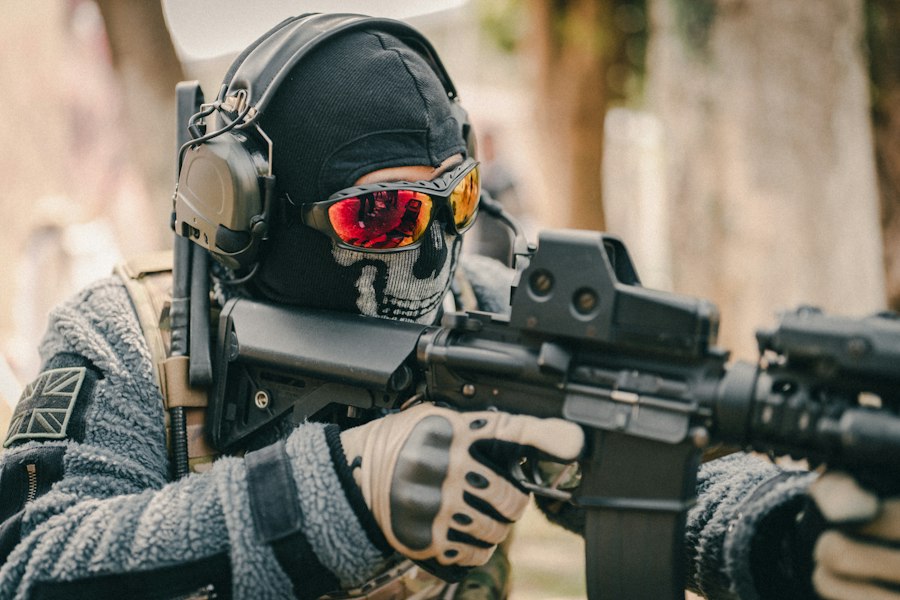
The operators within America’s most secret special operations units are not merely soldiers or agents; they are highly specialized individuals honed through rigorous and unconventional training regimens. Their capabilities extend far beyond conventional combat, encompassing a wide array of skills necessary to operate effectively in the most challenging and unpredictable environments.
Beyond the Battlefield: The Multifaceted Skillset
The operators of these secret units are not just proficient in marksmanship and tactical maneuvers. Their training encompasses a vast spectrum of skills, often including:
Advanced Intelligence Gathering and Analysis
These units are trained to gather intelligence in denied areas, utilizing clandestine methods that often involve infiltration, surveillance, and interrogation. They possess advanced skills in HUMINT (Human Intelligence), SIGINT (Signals Intelligence), and OSINT (Open Source Intelligence) to provide real-time actionable intelligence to decision-makers. This often involves deep cultural understanding and the ability to blend seamlessly into foreign environments.
Psychological Operations and Information Warfare
Understanding and influencing the perceptions of target populations is a critical component of many clandestine operations. Operators are trained in psychological warfare techniques, propaganda dissemination, and the subtle manipulation of information to achieve strategic objectives without resorting to overt force. This can involve influencing public opinion, sowing discord among adversaries, or bolstering support for U.S. interests.
Unconventional Warfare and Sabotage
These units are experts in conducting operations behind enemy lines, disrupting enemy infrastructure, and conducting sabotage missions that can cripple an adversary’s capabilities. This includes expertise in demolitions, improvised explosive devices (IEDs), and the ability to operate with minimal logistical support. They are adept at leveraging local populations and resources to achieve their objectives.
Covert Entry and Exfiltration
The ability to infiltrate and exfiltrate from heavily secured locations without detection is paramount. Training includes advanced techniques in lock picking, electronic countermeasures, and the use of specialized equipment for clandestine entry and exit. This can involve aerial, maritime, and terrestrial insertion methods, often under extreme environmental conditions.
Language Proficiency and Cultural Immersion
To operate effectively in diverse global theaters, operators must possess exceptional language skills and a deep understanding of foreign cultures. They are trained to communicate fluently in multiple languages and to navigate complex social and political landscapes with subtlety and nuance. This allows them to build rapport, gather information, and operate with a high degree of cultural sensitivity.
The Psychological Crucible: Mental Fortitude and Resilience
The nature of their missions demands an exceptional level of mental fortitude. Operators are subjected to intense psychological training to prepare them for prolonged periods of isolation, extreme stress, and the moral ambiguities inherent in covert operations. This includes:
Extreme Stress Inoculation
Training environments are designed to simulate the most stressful operational scenarios, pushing operators to their mental and emotional limits. This inoculation helps them maintain composure, make sound decisions, and execute their missions effectively under duress.
Adaptability and Improvisation
The unpredictable nature of clandestine operations requires an unparalleled ability to adapt to rapidly changing circumstances and improvise solutions on the fly. Operators are trained to think critically, assess situations quickly, and develop creative strategies to overcome unforeseen challenges.
Emotional Resilience and Composure
The psychological toll of covert operations can be significant. Operators are trained to manage their emotions, maintain a professional demeanor, and compartmentalize their experiences to prevent them from impacting their operational effectiveness or personal well-being.
The Moral Compass in the Grey Zones: Ethical Considerations and Oversight
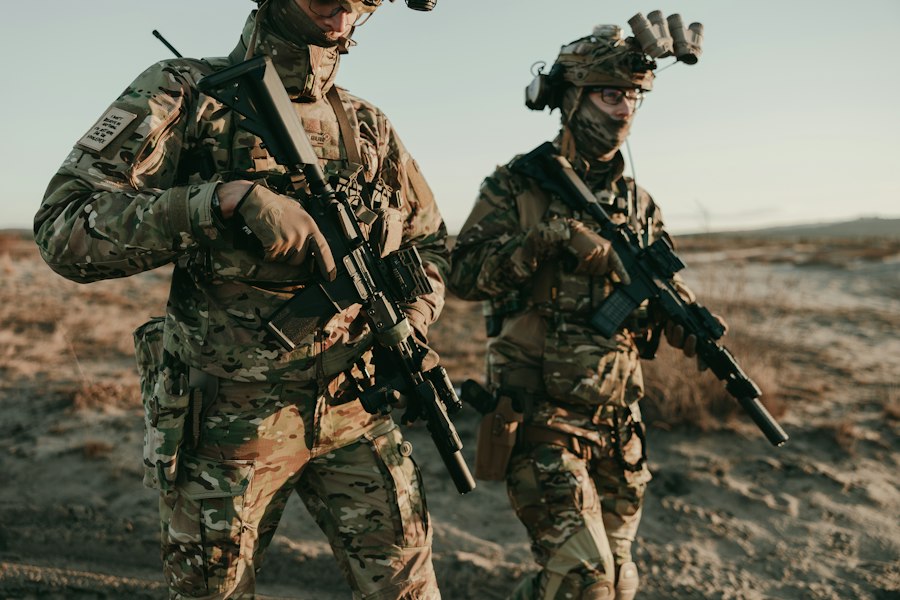
The operations undertaken by America’s most secret special operations units often exist in a moral and legal grey area, raising profound ethical questions about the use of power and the principles of accountability. Operating outside the glare of public scrutiny presents unique challenges in ensuring ethical conduct and maintaining appropriate oversight.
The Tightrope of Plausible Deniability
A cornerstone of many clandestine operations is plausible deniability. This means that the United States can deny any knowledge or involvement in an operation, even if it is conducted with their implicit or explicit sanction. While this can be a strategic necessity, it also creates a significant challenge for accountability.
Navigating Legal Frameworks and International Law
These units must operate within the bounds of U.S. law and, where applicable, international law. However, the nature of their missions often pushes the boundaries of these frameworks, requiring careful legal interpretation and the development of new doctrines to address novel threats. The lack of public knowledge makes it difficult to assess whether these operations are truly adhering to legal and ethical standards.
The Challenge of Accountability Without Transparency
When operations are shrouded in secrecy, holding individuals and organizations accountable for misconduct becomes exceedingly difficult. While there are internal oversight mechanisms within the intelligence community and the Department of Defense, the lack of external transparency raises concerns about whether effective checks and balances are in place.
The Human Element: The Operators’ Burden
The individuals who serve in these elite units carry a unique burden. They are often asked to undertake missions that require them to operate in morally complex situations, facing difficult choices with far-reaching consequences.
The Psychological Impact of Covert Operations
The constant exposure to high-risk, high-stakes environments, coupled with the ethical dilemmas they may face, can take a significant psychological toll on operators. The inability to openly discuss their experiences or seek support due to security classifications can exacerbate these challenges.
Maintaining the Moral Imperative
Despite the secrecy, there is an expectation that these operators will uphold the highest moral standards. The question remains whether the structures in place are sufficient to ensure that the pursuit of national security objectives does not come at the expense of fundamental ethical principles.
America’s most secret special operations units have long been shrouded in mystery, often operating under the radar to carry out high-stakes missions. For those interested in delving deeper into the world of covert military operations, a fascinating article can be found that explores the history and tactics of these elite forces. You can read more about it in this insightful piece on special operations by visiting this link. The article provides a comprehensive overview of the training, challenges, and successes faced by these units, shedding light on their critical role in national security.
The Strategic Imperative: Why Such Secrecy is Necessary
| Unit Name | Branch | Primary Mission | Estimated Personnel | Known Operations | Established |
|---|---|---|---|---|---|
| Delta Force (1st SFOD-D) | U.S. Army | Counter-terrorism, hostage rescue, direct action | ~1,000 | Operation Eagle Claw, Operation Gothic Serpent | 1977 |
| SEAL Team Six (DEVGRU) | U.S. Navy | Counter-terrorism, special reconnaissance, direct action | ~1,200 | Operation Neptune Spear, Maersk Alabama rescue | 1980 |
| Intelligence Support Activity (ISA) | Joint (Army-led) | Signals intelligence, human intelligence, target acquisition | Classified | Various classified missions | 1981 |
| Marine Raiders (MARSOC) | U.S. Marine Corps | Special reconnaissance, direct action, foreign internal defense | ~2,500 | Operation Enduring Freedom, Operation Iraqi Freedom | 2006 (re-established) |
| 75th Ranger Regiment | U.S. Army | Airborne light infantry, direct action raids, special reconnaissance | ~3,600 | Operation Just Cause, Operation Iraqi Freedom | 1943 (modern regiment 1974) |
The existence of America’s most secret special operations units is not an arbitrary choice but a strategic imperative driven by the evolving nature of global threats and the need for flexible, decisive action. In an era of asymmetric warfare, cyber threats, and complex geopolitical landscapes, traditional military responses are often insufficient or politically untenable.
Deterrence Through Unseen Power
The very knowledge that the United States possesses such capabilities, even if their specifics are unknown, can serve as a powerful deterrent. Adversaries may be less inclined to engage in destabilizing activities or to harbor terrorist organizations if they believe that unseen forces could be deployed to neutralize such threats with surgical precision.
Addressing “Black Swan” Events and Existential Threats
Some threats to national security are so profound and emergent that they require immediate and clandestine intervention. These “black swan” events, by their very nature, cannot be anticipated through conventional means, and their resolution demands units that can operate with speed, discretion, and overwhelming effectiveness.
Preventing Escalation and Diplomatic Collateral Damage
In many situations, overt military action could lead to unwanted escalation of conflicts, diplomatic fallout, or even global instability. Secret operations allow for the resolution of critical issues without triggering these undesirable consequences, preserving diplomatic channels and maintaining a degree of strategic ambiguity.
The Advantage of Surprise and Unpredictability
The element of surprise is a critical advantage in any conflict. By operating in secrecy, these units can launch operations with an element of unpredictability, catching adversaries off guard and maximizing the chances of success while minimizing risks.
Shaping the Geopolitical Landscape
These units play a crucial role in shaping the global geopolitical landscape by influencing events in ways that may not be publicly visible. They can be instrumental in supporting allies, undermining adversaries, and maintaining stability in volatile regions through covert means.
The Future of the Hidden Elite: Evolution in a Changing World
As the global landscape continues to shift, so too will the roles and capabilities of America’s most secret special operations units. The threats they face are becoming more sophisticated, more interconnected, and often more abstract, demanding constant adaptation and innovation.
The Rise of Cyber and Information Warfare
The digital realm has become a new battlefield, and the most secret units are increasingly expected to operate in cyberspace. This includes offensive cyber operations to disrupt enemy networks, defensive measures to protect critical infrastructure, and the manipulation of information to achieve strategic objectives. The lines between traditional espionage and cyber warfare are increasingly blurred, requiring operators with a dual skillset.
The Blurring Lines of Warfare: Hybrid Threats and Complex Environments
The future will likely see a continued rise in hybrid threats, where state and non-state actors employ a combination of conventional, irregular, and asymmetric tactics. These clandestine units will need to be adept at operating in these complex, multi-domain environments, seamlessly integrating conventional and unconventional capabilities.
The Enduring Need for Human Intelligence and Human Action
Despite advancements in technology, the human element remains indispensable in intelligence gathering and covert operations. The ability to understand motivations, build trust, and operate with human intuition will continue to be a critical asset for these elite units, even as they leverage advanced technologies. The nuanced understanding of human behavior and the ability to conduct operations that require human agency will likely ensure their continued relevance. The ongoing evolution of these units signifies their critical role in safeguarding national interests in an increasingly complex and unpredictable world, forever operating in the shadows, the silent guardians of an unseen front.
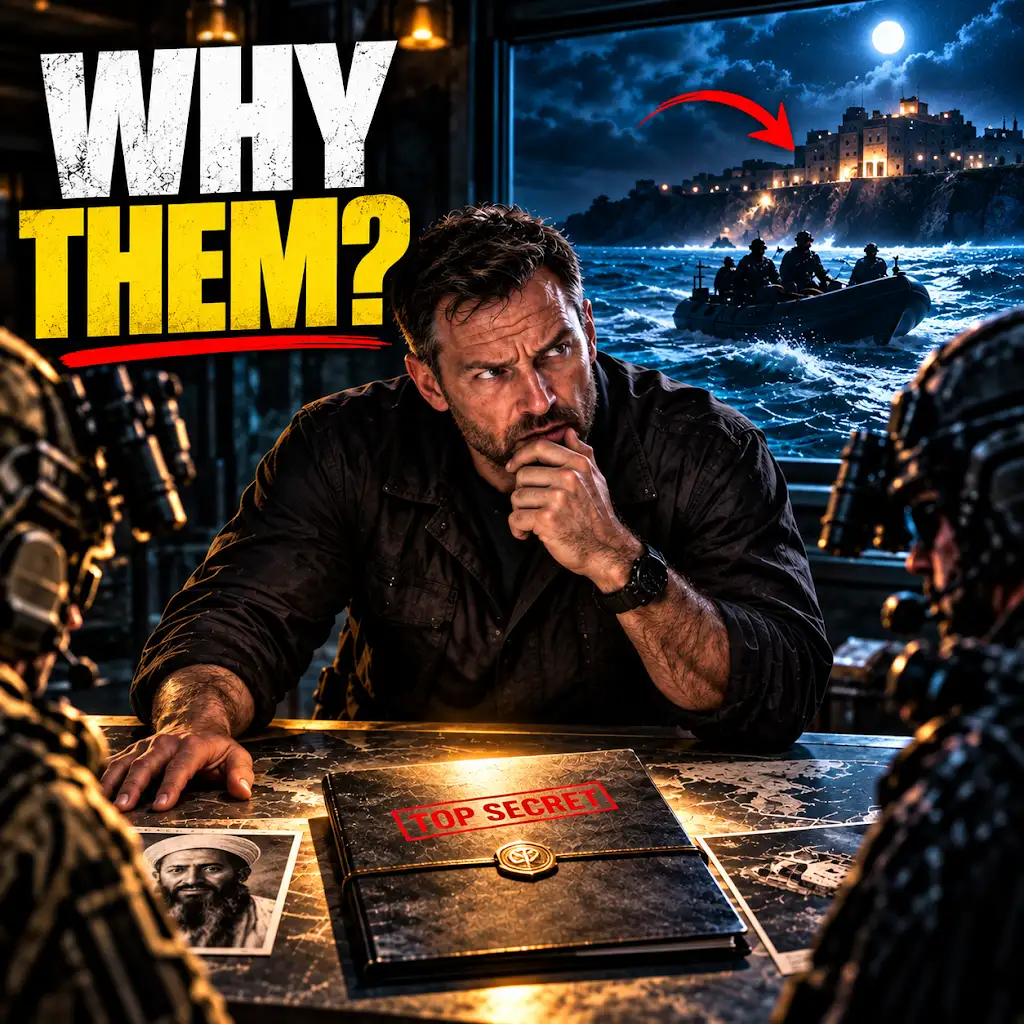
Why SEAL Team Six Got the Bin Laden Raid — Not Delta Force
FAQs
What are special operations units?
Special operations units are elite military forces that are trained and equipped to carry out unconventional and high-risk missions, such as counterterrorism, hostage rescue, and reconnaissance.
How many special operations units does America have?
The United States has several special operations units, including the Navy SEALs, Army Special Forces (Green Berets), Delta Force, and the Air Force Special Tactics Squadrons.
What makes these special operations units so secretive?
These special operations units are highly secretive due to the nature of their missions, which often involve classified information, sensitive operations, and the need to maintain operational security to protect the safety of their personnel.
What kind of training do members of special operations units undergo?
Members of special operations units undergo rigorous and specialized training that includes physical fitness, marksmanship, hand-to-hand combat, survival skills, and specialized tactics for various types of missions.
What are some notable missions carried out by America’s special operations units?
America’s special operations units have been involved in numerous high-profile missions, including the raid that killed Osama bin Laden, the rescue of Captain Richard Phillips from Somali pirates, and the capture of key terrorist leaders in Iraq and Afghanistan.