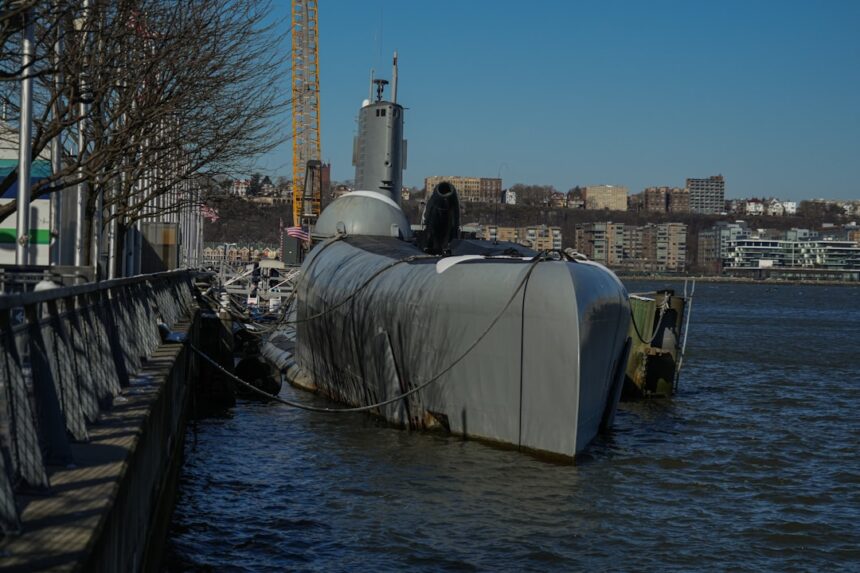
The frigid waters of the Atlantic held a secret that, had it been revealed, could have plunged the world into unimaginable darkness. It was the Cuban Missile Crisis of October 1962, a period of unparalleled tension between the United States and the Soviet Union, where the specter of nuclear war loomed larger than ever. Amidst this precarious standoff, aboard the Soviet submarine B-59, a decision was made that would echo through history, a decision largely shaped by the courage and foresight of one man: Vasili Arkhipov. His heroic actions, often overlooked by mainstream historical accounts, prevented a catastrophic escalation and stand as a testament to the power of individual moral conviction in the face of overwhelming pressure.
The roots of the crisis lay in the escalating Cold War rivalry. Following the failed Bay of Pigs invasion in 1961, Soviet Premier Nikita Khrushchev sought to deter future American aggression against Cuba and to strategically counterbalance American missile deployments in Turkey. The decision was made to secretly install Soviet nuclear-armed ballistic missiles in Cuba, just 90 miles off the coast of Florida.
The Discovery and Escalation
On October 14, 1962, American U-2 spy planes captured photographic evidence of the missile sites under construction. President John F. Kennedy was informed of this discovery on October 16th, triggering an intense period of deliberation within the White House. The intelligence was undeniable: the Soviets were poised to deploy nuclear weapons within striking distance of major American cities.
The Naval Blockade
Kennedy opted for a naval blockade, or “quarantine” as it was diplomatically termed, around Cuba to prevent further Soviet military shipments. This was a measured response, intended to pressure the Soviets without immediate military confrontation. However, it was a high-stakes gamble. The blockade put both navies in direct confrontation, and the potential for accidental or deliberate escalation was immense. Soviet vessels en route to Cuba, including submarines, were ordered to challenge the blockade, creating a powder keg scenario.
The B-59’s Mission
The B-59 was one of a flotilla of Soviet submarines dispatched to the Caribbean, tasked with evading American naval patrols and, if necessary, launching a nuclear torpedo in response to a perceived attack. The submarine was armed with a nuclear depth charge, a weapon of immense destructive power. The crew, however, was largely unaware of the full gravity of their mission or the escalating tensions on the surface. They were operating under orders that assumed a state of war.
Vasili Arkhipov played a crucial role in preventing a potential nuclear disaster during the Cuban Missile Crisis while serving on the B-59 submarine. His decision to withhold consent for launching a nuclear torpedo is often hailed as a pivotal moment in history. For a deeper understanding of the events surrounding this incident and its implications on Cold War dynamics, you can read a related article that provides further insights into the tense atmosphere of that era and the critical decisions made by military personnel. Check it out here: Related Article on the Cuban Missile Crisis.
A World Under Threat: The B-59’s Fateful Encounter
As the naval blockade tightened, the B-59 found itself increasingly isolated and under immense pressure. The American Navy, aware of the presence of Soviet submarines, was actively hunting them, employing anti-submarine warfare tactics that, while not intended to sink the submarines outright, were designed to force them to the surface.
Trapped and Harassed
On October 27, 1962, a day that would later be known as “Black Saturday” due to the extreme tensions, the B-59 was detected by the USS Beale, an American destroyer. The submarine, already deep underwater and experiencing communication blackouts with Moscow, was subjected to a barrage of practice depth charges. These were not intended to destroy the B-59, but to signal to the crew that they had been found and to encourage them to surface.
The Misinformation and Ignorance
Crucially, the crew of the B-59 was unaware that these were practice charges. They believed they were under attack and facing imminent destruction. Compounding this, their radio communications with Moscow had been severed for days, leaving them cut off from vital information about the evolving diplomatic situation. The submarine’s captain, Valentin Savitsky, was a stern and experienced commander, but he was operating under the assumption that the United States had initiated hostilities.
The Nuclear Option
With their submarine battered and their crew suffering from the heat and confinement, Captain Savitsky became increasingly convinced that war had broken out. He, along with Second Captain Viktor Astakhov, believed they had no choice but to retaliate. The order was given to prepare the nuclear torpedo for launch. This was a moment of profound crisis, a decision that, if carried out, would have irrevocably altered the course of human history.
The Voice of Reason: Vasili Arkhipov’s Intervention
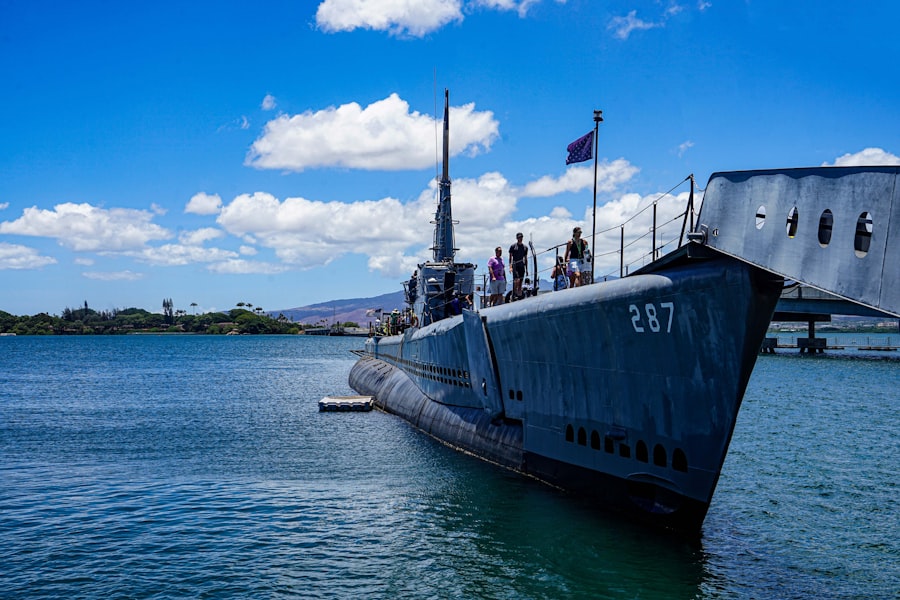
Amidst the rising panic and the captain’s firm resolve to launch, there was one dissenting voice, one officer who possessed the moral fortitude to challenge the prevailing course of action. That officer was Vasili Arkhipov, the flotilla’s chief of staff and the second-in-command of the B-59, though his specific role aboard the B-59 that day was as the third senior officer.
The Trio of Authority
Under Soviet naval doctrine, the launch of a nuclear weapon required the unanimous consent of three senior officers: the submarine’s captain, the political officer (who was effectively a party representative with veto power), and the chief of staff, or in this instance, the second-in-command with delegated authority. On the B-59, this trio consisted of Captain Savitsky, Political Officer Ivan Maslennikov, and Vasili Arkhipov.
The Heated Debate
As the tension mounted and Captain Savitsky prepared to give the final command, Arkhipov recognized the catastrophic implications of such a move. He knew that the intelligence they had was likely incomplete and that the American actions, while aggressive, might not represent a full-scale declaration of war. He forcefully argued against launching the nuclear torpedo, emphasizing the potential for uncontrolled escalation and the devastating consequences for the entire planet.
Appealing to Logic and Restraint
Arkhipov’s arguments were not based on cowardice, but on a clear-headed assessment of the situation and a profound sense of responsibility. He reasoned that if they launched the nuclear torpedo, the United States would almost certainly retaliate with its own nuclear arsenal, leading to a global nuclear war. He argued for patience, for the hope that diplomacy might still prevail, and for the need to confirm the true nature of the American actions before taking such an irreversible step.
Overcoming the Captain’s Rage
Captain Savitsky, driven by a sense of duty and the perceived immediate threat, was furious at Arkhipov’s defiance. The confined space of the submarine became a crucible for an intense verbal confrontation. The heat, the stress, and the fear of immediate annihilation were palpable. Yet, Arkhipov remained steadfast, his calm demeanor and logical appeals eventually cutting through the captain’s anger and despair.
The Unanimous Veto: A World Spared
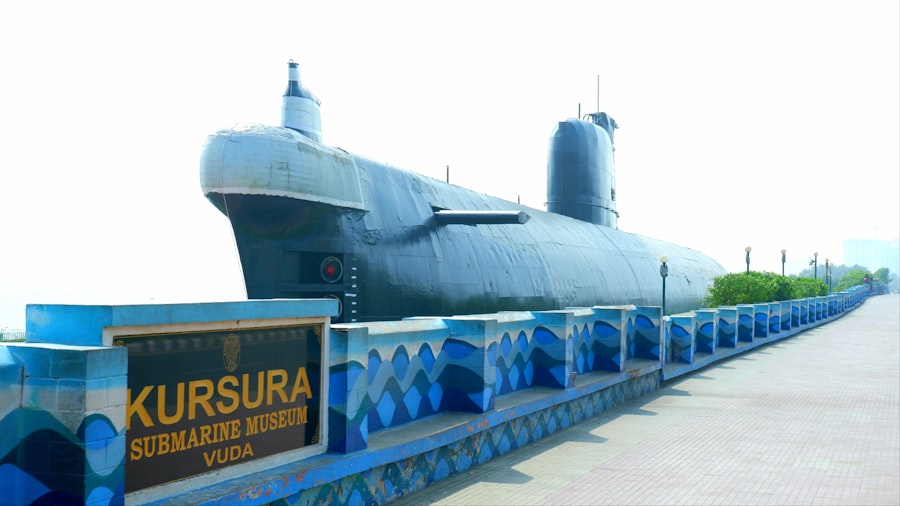
The moment was fraught with peril. The fate of millions hung in the balance, dependent on the ability of these three men to reach a consensus. Vasili Arkhipov’s unwavering commitment to de-escalation proved to be the crucial factor.
The Political Officer’s Role
Political Officer Ivan Maslennikov, while initially swayed by the captain’s perspective, ultimately sided with Arkhipov. The presence of a political officer was intended to ensure adherence to party directives and ideological discipline. However, in this instance, Maslennikov’s judgment was influenced by Arkhipov’s compelling arguments for strategic caution and the preservation of Soviet interests in the long term.
The Hard-Won Consensus
The unanimous agreement required for the launch was ultimately denied. Arkhipov, through sheer force of will and logical persuasion, managed to convince both the captain and the political officer to stand down. This moment of profound restraint, this refusal to succumb to the immediate pressures of perceived attack, was nothing short of heroic. It was a triumph of rational thought over panic and a testament to the power of individual agency in preventing global catastrophe.
The Submarine Surfaces
With the decision made not to launch, the B-59, after a tense standoff, eventually surfaced and was allowed to proceed. The immediate threat of nuclear war from that particular submarine had been averted. The crew, exhausted and shaken, were unaware of the true magnitude of the crisis they had just navigated and the pivotal role Arkhipov had played in their survival and the survival of the world.
Vasili Arkhipov played a crucial role in preventing a potential nuclear disaster during the Cuban Missile Crisis while serving on the B-59 submarine. His decision to withhold consent for a nuclear strike has been widely discussed in various articles, including one that delves into the broader implications of his actions and the tense atmosphere of that era. For more insights on this pivotal moment in history, you can read the article at In The War Room. Arkhipov’s story serves as a powerful reminder of the importance of individual judgment in moments of crisis.
The Legacy of Vasili Arkhipov: A Silent Guardian
| Attribute | Value |
|---|---|
| Submarine Name | B-59 |
| Submarine Type | Project 641 (NATO reporting name: Foxtrot-class) |
| Country | Soviet Union |
| Commander | Vasili Arkhipov |
| Significance | Prevented nuclear war during the Cuban Missile Crisis |
Vasili Arkhipov’s actions remained largely unknown to the public for decades. The Soviet Union, understandably, was not keen to highlight instances where its commanders defied orders or where internal dissent played a crucial role in averting disaster. His story emerged gradually through historical research and the accounts of those involved, revealing the chilling proximity of nuclear war.
A Shadowy Hero
Arkhipov was not a figure who sought recognition or glory. He was a professional naval officer who, in a moment of extreme duress, made a profound moral choice. His heroism was silent, his bravery manifested in his steadfastness under pressure and his commitment to preventing a catastrophic outcome. He did not lead troops into battle or deliver inspiring speeches; his impact was made in the quiet, tense confines of a submerged submarine, through the power of his voice and his conviction.
The Importance of Dissent
Arkhipov’s story underscores the critical importance of dissenting voices, especially in hierarchical structures. It highlights that even in the most dire circumstances, individual critical thinking and moral courage can make a profound difference. His ability to stand against the prevailing sentiment and the authority of his captain demonstrates the strength that can emerge from principles and a deep understanding of the potential consequences of one’s actions.
A Lesson for the Ages
In an era where geopolitical tensions can still escalate, Vasili Arkhipov’s story serves as a powerful reminder of the fragility of peace and the immense responsibility that leaders and individuals hold. It is a narrative that calls for reflection on the choices made in moments of crisis and the often-unsung heroes who, through their quiet courage, have shaped the course of history for the better. His name may not be as widely recognized as some, but his actions on that fateful October day in 1962 have undeniably saved countless lives and preserved the world as we know it.
The Unseen Sacrifice
The true depth of Arkhipov’s sacrifice is perhaps immeasurable. He bore the weight of that decision, the knowledge of what could have happened, and the quiet burden of preventing it. While the world basked in the eventual de-escalation of the Cuban Missile Crisis, unaware of the internal struggle aboard the B-59, Vasili Arkhipov carried the silent knowledge of a world teetering on the precipice, a precipice he helped it step back from. His heroism, though understated, is a beacon of hope and a testament to the profound impact one person can have on the fate of humanity.
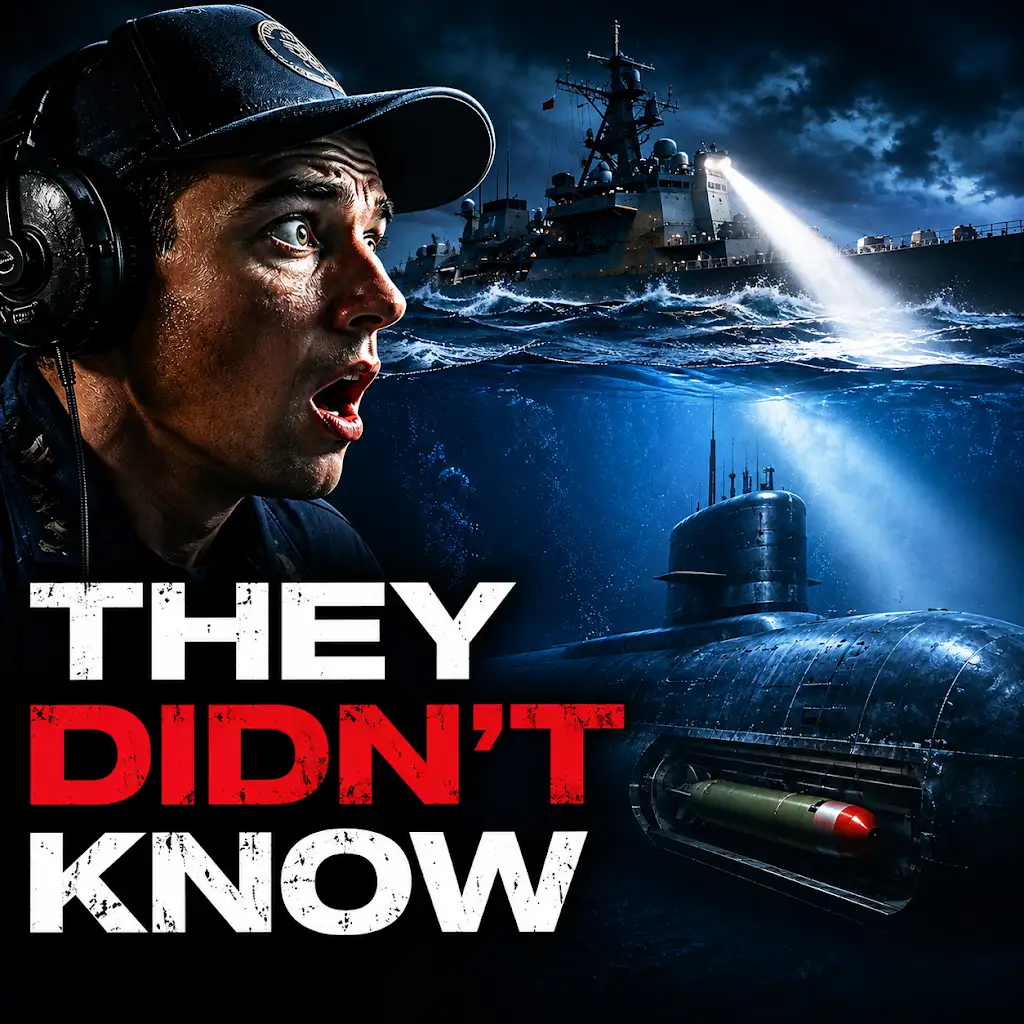
The U.S. Navy Didn’t Know This Submarine Had a Nuclear Torpedo
FAQs
Who was Vasili Arkhipov?
Vasili Arkhipov was a Soviet naval officer who played a critical role in preventing a nuclear war during the Cuban Missile Crisis in 1962.
What was the B-59 submarine?
The B-59 submarine was a Soviet submarine armed with nuclear torpedoes that was stationed near Cuba during the Cuban Missile Crisis.
What was Vasili Arkhipov’s role in the Cuban Missile Crisis?
Vasili Arkhipov was the second-in-command on the B-59 submarine and he refused to authorize the use of nuclear torpedoes when the submarine was under attack by US forces, preventing a potential nuclear war.
How did Vasili Arkhipov’s actions impact the outcome of the Cuban Missile Crisis?
Vasili Arkhipov’s decision to prevent the use of nuclear torpedoes on the B-59 submarine helped to defuse the tense situation and ultimately contributed to a peaceful resolution of the Cuban Missile Crisis.
What is the significance of Vasili Arkhipov’s actions?
Vasili Arkhipov’s actions are widely regarded as having averted a potential nuclear war between the United States and the Soviet Union, and he is considered a hero for his role in preventing a catastrophic outcome during the Cuban Missile Crisis.