The biting December wind swept across the Ardennes forest, carrying with it the first whispers of a storm that would soon engulf the Western Front. For the Allied forces, weary from months of hard-fought campaigning since the D-Day landings, the winter of 1944 promised a period of relative respite. They anticipated a defensive posture, a time to consolidate gains and prepare for the final push into Germany. However, deep within the shadowed Ardennes, a desperate and audacious gamble was being meticulously prepared by the German High Command. This was the dawn of the Ardennes Offensive, a final, fervent attempt by Adolf Hitler to shatter the Allied advance and alter the course of the war.
The strategic situation for Nazi Germany in late 1944 was dire. The Eastern Front was crumbling under the relentless pressure of the Red Army, and in the West, Allied forces had successfully liberated France and were pushing towards the German border. Resources were stretched thin, and the Luftwaffe was no longer a significant threat. Yet, in the face of overwhelming odds, Hitler clung to a desperate vision: a decisive offensive that would split the Allied armies, recapture Antwerp, and force the Western Allies to negotiate a separate peace, allowing Germany to concentrate its remaining strength against the Soviet Union.
The Strategic Imperative: A Fading Hope
By December 1944, Germany’s industrial capacity was severely hampered by Allied bombing campaigns and the ongoing war on multiple fronts. The once-mighty Wehrmacht, though still capable of inflicting considerable damage, was largely outmatched in terms of manpower, materiel, and air superiority. The loss of key territories and the ever-tightening blockade were pushing the Third Reich towards inevitable defeat. It was against this backdrop of impending collapse that Hitler conceived of his audacious counteroffensive, a last-ditch effort to snatch victory from the jaws of defeat.
The Objective: Antwerp and a Fractured Alliance
The primary objective of the Ardennes Offensive, code-named “Wacht am Rhein” (Watch on the Rhine), was the capture of the vital port city of Antwerp. This strategically crucial harbor was the primary supply hub for the Allied armies in the north. If successfully seized, it would sever the Allied supply lines, plunge their northern forces into chaos, and potentially force a political crisis within the Allied coalition. Hitler believed that such a shock would be enough to break the Allied will to fight and pave the way for a negotiated peace favorable to Germany.
The German Ardennes Offensive in December 1944, also known as the Battle of the Bulge, marked a significant turning point in World War II as German forces launched a surprise counteroffensive against Allied troops in the dense forests of Belgium. For a deeper understanding of the strategic implications and the fierce battles that ensued during this critical period, you can read a related article on the topic at In The War Room. This resource provides valuable insights into the military tactics employed and the experiences of soldiers on both sides during this intense winter campaign.
The Element of Surprise: A Masterclass in Deception
The success of any offensive hinges on the element of surprise, and for the Ardennes Offensive, this was paramount. The Germans meticulously planned and executed a deception campaign designed to lull the Allies into a false sense of security. The chosen sector of the front, the Ardennes, was considered a quiet sector, lightly defended and with difficult terrain ill-suited for a large-scale offensive. The Allies, anticipating a defensive winter, had therefore deployed fewer troops and less heavy equipment in this region.
The Quiet Sector: An Illusion of Peace
The Ardennes, a mountainous and heavily forested region straddling Belgium and Luxembourg, was largely overlooked by Allied intelligence. It was perceived as a difficult area for offensive operations, particularly in winter conditions. Consequently, Allied forces stationed there were a mix of experienced but battle-weary units and newly arrived, less seasoned American divisions. This lack of significant military presence in a sector considered “quiet” proved to be a critical miscalculation.
The Deception Campaign: “Grease the Wheels”
Under the guise of troop rotations and defensive preparations, German units were secretly assembled and moved into position. Propaganda efforts were amplified to suggest defensive operations, and captured Allied intelligence reports were subtly “leaked” to reinforce the idea of a quiet sector. This elaborate deception, combined with the inherent difficulty of Allied reconnaissance in the dense Ardennes forests, allowed the Germans to amass a formidable force of tanks, artillery, and infantry without raising significant alarm.
The Storm Breaks: Operation “Wacht am Rhein” Unleashed
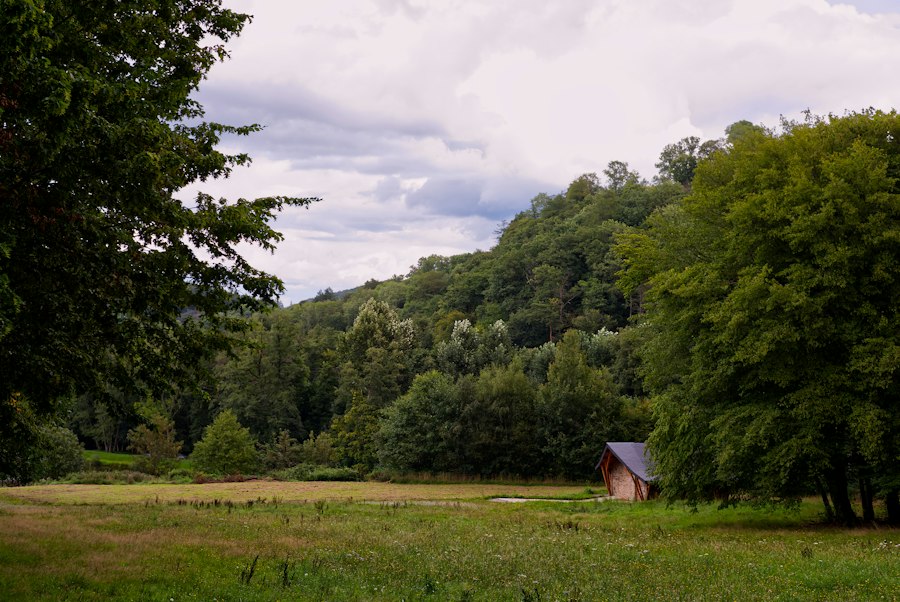
On the morning of December 16, 1944, under a shroud of fog and a heavy artillery barrage, the German offensive commenced. The Allied forces, caught completely off guard, were subjected to a ferocious onslaught. The initial German thrusts were exceptionally successful, exploiting the weak points in the Allied defenses and rapidly advancing into the Ardennes.
The Initial Assault: A Shocking Blow
The German offensive was launched along a broad front, with three Panzer armies spearheading the attack: the Sixth Panzer Army under SS General Sepp Dietrich, the Fifth Panzer Army under General Hasso von Manteuffel, and the Seventh Army under General Erich Brandenberger. The fog provided excellent cover for the initial German advance, masking their movements and preventing effective Allied air interdiction. The sheer ferocity and unexpectedness of the attack overwhelmed the thinly spread American defenses.
The Breakthrough: Exploiting Weaknesses
The German Panzer divisions, renowned for their speed and maneuverability, exploited the gaps in the Allied lines. They advanced rapidly, encircling isolated pockets of American troops and pushing deeper into Allied territory. The initial days of the offensive saw rapid German gains, with towns and villages falling quickly. The speed of the advance created a “bulge” in the Allied lines, a testament to the initial success of the German surprise.
The Siege of Bastogne: A Symbol of Resistance
One of the most iconic and pivotal moments of the offensive was the German attempt to capture the strategically vital crossroads town of Bastogne. While the German advance continued, American forces, under the command of Brigadier General Anthony McAuliffe, managed to establish a strong defensive perimeter within Bastogne. Despite being heavily outnumbered and surrounded, the defenders famously held out, their defiance becoming a potent symbol of American resolve. McAuliffe’s iconic, curt reply of “Nuts!” to a German surrender demand encapsulated the spirit of the besieged garrison.
The Allied Response: “Hold That Line!”
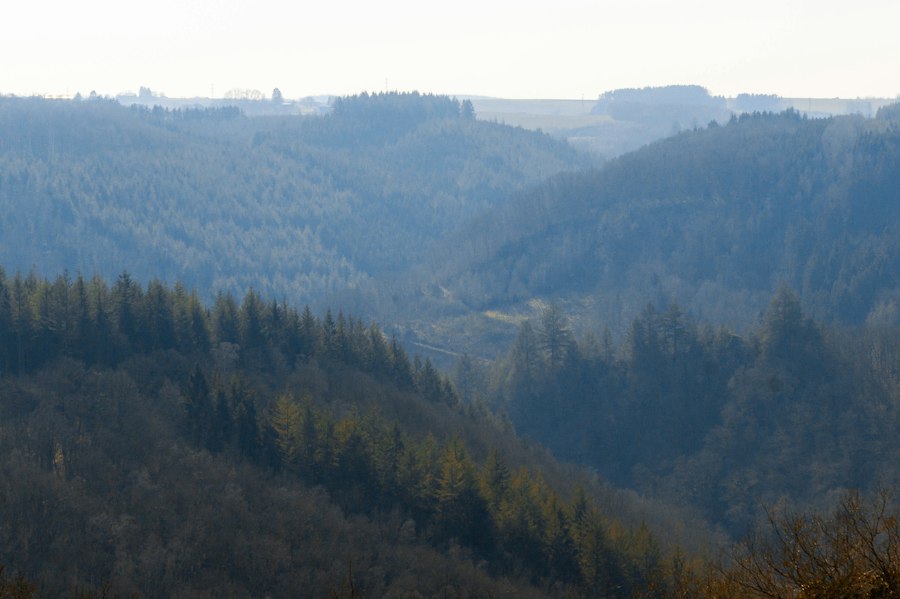
The initial shock of the Ardennes Offensive quickly gave way to a determined Allied response. Supreme Allied Commander General Dwight D. Eisenhower, though initially caught by surprise, acted swiftly to redeploy reserves and stabilize the crumbling front lines. The fighting in the Ardennes became a brutal and attritional struggle, with both sides suffering heavy casualties.
Eisenhower’s Decisive Action: Redeploying the Reserves
Eisenhower recognized the gravity of the situation and immediately ordered reinforcements to be rushed to the Ardennes. Crucially, he temporarily detached the American First Army and Ninth Army from Field Marshal Montgomery’s 21st Army Group and placed them under the command of General Omar Bradley’s Twelfth Army Group. This decisive command decision allowed for a more unified and effective Allied response in the critical southern sector of the offensive.
The Battle of the Bulge: A Brutal Confrontation
The term “Battle of the Bulge” became synonymous with the intense fighting that characterized the Ardennes Offensive. Allied forces, fighting in challenging winter conditions and facing determined German resistance, launched counterattacks to contain and then push back the German advance. The fighting was characterized by intense artillery duels, desperate infantry assaults, and dogfights in the skies as the weather eventually cleared.
The Role of Air Power: The Skies Open Up
As the fog lifted, Allied air superiority began to play a decisive role. The Royal Air Force (RAF) and the United States Army Air Forces (USAAF) launched massive air operations, bombing German supply lines, disrupting their troop movements, and providing vital close air support for ground troops. The German inability to match this air power was a significant factor in their eventual containment and defeat.
The German Ardennes Offensive in December 1944, also known as the Battle of the Bulge, marked a significant turning point in World War II as German forces launched a surprise attack through the dense forests of the Ardennes region. This ambitious operation aimed to split the Allied forces and capture the vital port of Antwerp. For a deeper understanding of the strategies and outcomes of this critical battle, you can explore a related article that provides insights into the various military tactics employed during this time. To learn more about the broader implications of the offensive, visit this detailed analysis.
The Turning Tide: The German Retreat and Allied Victory
| Metric | Details |
|---|---|
| Operation Name | Ardennes Offensive (Battle of the Bulge) |
| Start Date | December 16, 1944 |
| End Date | January 25, 1945 |
| Location | Ardennes Forest, Belgium and Luxembourg |
| German Commanders | Adolf Hitler, Field Marshal Gerd von Rundstedt, Field Marshal Walter Model |
| Allied Commanders | General Dwight D. Eisenhower, General Omar Bradley, General George S. Patton |
| German Forces Strength | Approximately 200,000 troops |
| Allied Forces Strength | Approximately 600,000 troops |
| German Tanks and Vehicles | About 1,000 tanks and assault guns |
| Allied Tanks and Vehicles | Approximately 2,000 tanks and armored vehicles |
| Casualties (German) | Approximately 100,000 (killed, wounded, missing) |
| Casualties (Allied) | Approximately 90,000 (killed, wounded, missing) |
| Outcome | Allied victory; German offensive failed to achieve objectives |
| Significance | Last major German offensive on Western Front; depleted German resources |
The initial German successes could not be sustained. The offensive, while achieving a temporary strategic surprise and inflicting significant casualties, ultimately failed to achieve its ambitious objectives. The Allies, with their superior resources and growing determination, began to push back, squeezing the German salient and forcing a retreat.
The Exhaustion of German Resources: The Offensive Fades
The Ardennes Offensive was a massive undertaking that consumed precious German resources – tanks, fuel, ammunition, and experienced manpower – that could not be easily replaced. The extended supply lines, coupled with relentless Allied attacks from the air and ground, began to cripple the German war machine. The offensive, which had begun with such ferocity, started to falter as German units ran out of fuel and ammunition, and were unable to receive sufficient reinforcements.
The Allied Counteroffensive: Shrinking the Salient
With the German advance halted and their offensive momentum lost, the Allies launched their own counteroffensives. The American forces, in particular, fought with renewed ferocity, driven by a desire to avenge the losses and defeat the enemy. The German salient, which had once threatened to split the Allied front, began to shrink as Allied troops pushed from both the north and the south.
The Cost of Victory: A Scarred Landscape
The Ardennes Offensive, while a strategic victory for the Allies, came at a tremendous cost. Both sides suffered heavy casualties, and the Ardennes landscape was left scarred by the brutal fighting. The offensive, however, represented the last major German offensive on the Western Front and effectively crippled the Wehrmacht’s offensive capabilities, paving the way for the final Allied push into Germany. The Battle of the Bulge, as it came to be known, stands as a testament to the resilience and determination of the Allied soldiers and a stark reminder of the desperate measures taken by a collapsing Nazi regime.

Eisenhower Gave Montgomery 2 U.S. Armies—Then He Wanted More
FAQs
What was the German Ardennes Offensive in December 1944?
The German Ardennes Offensive, also known as the Battle of the Bulge, was a major German offensive campaign on the Western Front during World War II. It took place in the Ardennes region of Belgium, France, and Luxembourg from December 16, 1944, to January 25, 1945.
What were the objectives of the German Ardennes Offensive?
The primary objective of the German Ardennes Offensive was to split the Allied forces, capture the vital Belgian port city of Antwerp, and ultimately force the Western Allies to negotiate a peace settlement in favor of Germany.
Who were the key commanders involved in the German Ardennes Offensive?
The key German commander in the Ardennes Offensive was Field Marshal Gerd von Rundstedt, while the American forces were led by General Dwight D. Eisenhower. The German forces were mainly under the command of Generals Hasso von Manteuffel and Sepp Dietrich.
What were the outcomes of the German Ardennes Offensive?
Despite initial success and creating a “bulge” in the Allied lines, the German Ardennes Offensive ultimately failed due to logistical issues, Allied air superiority, and the resilience of the American forces. The offensive resulted in heavy casualties for both sides, but the Allies were able to repel the German advance and regain lost ground.
How did the German Ardennes Offensive impact the outcome of World War II?
The German Ardennes Offensive was the last major offensive campaign on the Western Front by the Germans during World War II. Its failure depleted German resources and manpower, hastening the end of the war in Europe. The Allies were able to regroup, launch a counteroffensive, and eventually defeat Germany in May 1945.