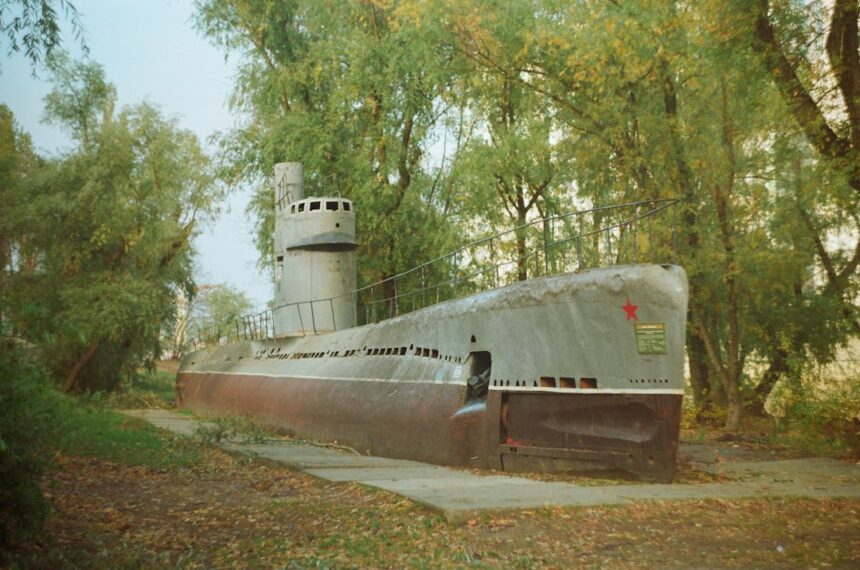
The silent, monstrous silhouette of a Soviet submarine gliding through the inky depths was a potent symbol of Cold War power. For decades, the Soviet Union poured immense resources into its underwater fleet, seeking to achieve a strategic advantage that would offset its perceived territorial vulnerabilities and conventional military disadvantages. The core of this strategy, particularly during the height of the Cold War, often hinged on a belief in the overwhelming power of speed and stealth. Soviet designers and strategists envisioned submarines that could outmaneuver, outgun, and outlast their Western counterparts, projecting power across vast oceans and threatening the vital sea lanes of NATO. However, beneath the surface of this ambitious vision lay a fundamental flaw: the overreliance on speed as the ultimate strategic currency, a deficiency that ultimately hampered the effectiveness of the Soviet submarine force and, in crucial ways, contributed to its inability to decisively achieve its strategic objectives.
The Pursuit of Unrivaled Velocity
The Soviet Union’s obsession with speed was not born out of a vacuum. It was a response to geopolitical realities and a deep-seated desire to challenge the established naval dominance of the United States and its allies. The vast expanse of the Soviet coastline, with its numerous potential invasion points, necessitated a deterrent force capable of projecting power far from its shores. Furthermore, the development of increasingly sophisticated anti-submarine warfare (ASW) capabilities by NATO fueled a continuous arms race, pushing Soviet designers to seek attributes that would allow their submarines to evade detection and engagement. Speed, in this context, was seen as a primary means of achieving both stealth and offensive potential.
Early Innovations and the Drive for Supremacy
From the early days of nuclear submarine development, the Soviets consistently pushed the boundaries of speed. The initial generations of Soviet nuclear-powered attack submarines (SSNs) and ballistic missile submarines (SSBNs) were characterized by powerful, often groundbreaking, propulsion systems. The goal was clear: to build submarines that could travel faster than any potential adversary, enabling them to dictate the terms of engagement. This pursuit was driven by a strategic imperative to respond rapidly to perceived threats and to maintain a credible nuclear deterrent by ensuring the survivability of their SSBNs. The sheer engineering might required to achieve these speeds was impressive, often involving novel reactor designs and hull configurations.
The “Run Silent, Run Deep” Paradox
While the pursuit of speed aimed to enhance stealth, it paradoxically introduced new vulnerabilities. The higher a submarine travels, the more noise it generates. Soviet submarines, particularly those designed for maximum speed, often exhibited significantly higher acoustic signatures than their Western counterparts. This was a trade-off that Soviet engineers struggled to overcome. The intricate mechanisms required for high-speed propulsion, such as powerful turbine engines and high-RPM propeller shafts, were inherently noisier. Moreover, the materials and construction techniques used often lagged behind Western innovations in noise reduction. This created a fundamental dilemma: the very speed that was intended to facilitate evasion also made the submarines more detectable by increasingly sensitive passive sonar systems.
The Soviet submarine strategy during the Cold War often prioritized speed and stealth, but this approach ultimately proved insufficient in achieving its strategic objectives. A related article that delves deeper into the shortcomings of this strategy can be found at In The War Room. It explores how the emphasis on speed overlooked critical factors such as detection technology, operational tactics, and the importance of a well-rounded naval strategy, which collectively contributed to the failures of Soviet submarine operations.
The Stealth Deficit: Speed vs. Silence
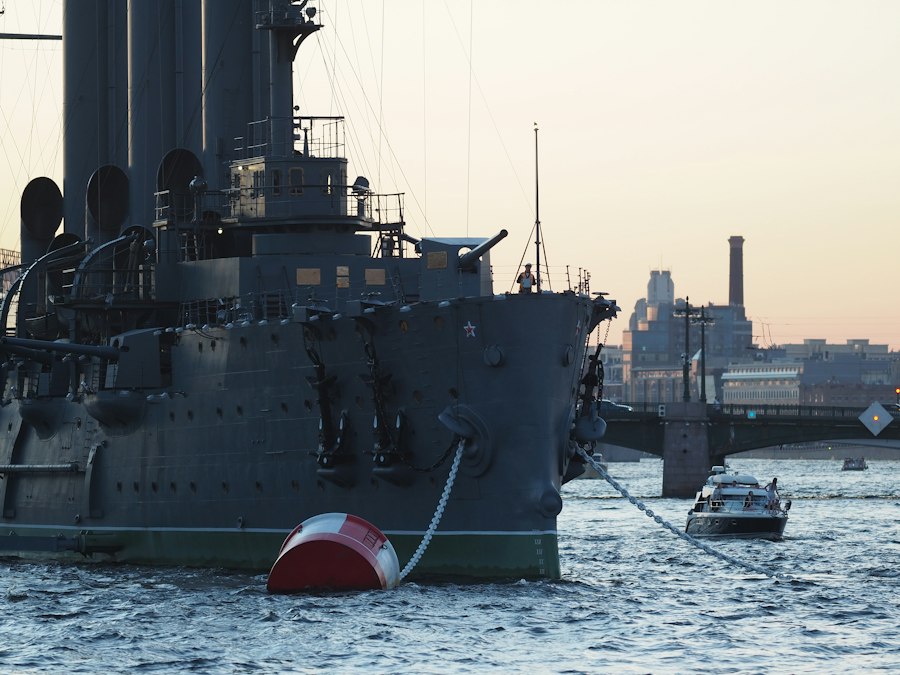
The critical failure in Soviet submarine strategy lay in its miscalculation of the evolving nature of anti-submarine warfare. While speed offered a tactical advantage in terms of maneuverability and potentially escaping immediate threats, it was an insufficient substitute for true acoustic stealth. NATO’s ASW capabilities were not solely reliant on outrunning Soviet submarines; they were increasingly focused on detecting and tracking them through passive listening arrays, sophisticated sonar, and other intelligence-gathering methods. The noisy nature of high-speed Soviet submarines made them prime targets for these passive detection systems, negating much of the benefit of their speed.
The Limits of Acoustic Signature Management
Soviet submarine design placed a premium on raw speed, often at the expense of acoustic quieting. This meant that while a Soviet submarine could potentially outrun an attacking torpedo or a pursuing vessel in a direct chase, it was often detected long before such a confrontation could occur. Passive sonar arrays, spread across vast ocean expanses, were designed to pick up the subtle sounds of submarines. The distinctive acoustic signatures of Soviet high-speed submarines, with their powerful engines and less sophisticated sound dampening, made them relatively easy to locate and track, even at considerable distances. This acoustic “signature” became a critical intelligence advantage for NATO.
The Evolution of NATO’s ASW Capabilities
NATO’s ASW forces were not static. They evolved in parallel with submarine technology. While Soviet submarines were becoming faster, NATO’s sonar technology, hydrophone arrays, and computational analysis capabilities were also advancing rapidly. The ability to analyze the acoustic characteristics of different submarines, identifying unique noise patterns, became a crucial part of ASW. The “sound” of a Soviet submarine moving at high speed was often recognizable, allowing NATO to categorize and track them effectively. The emphasis on speed by the Soviets, therefore, played directly into the strengths of NATO’s passive detection and tracking methods.
Strategic Misalignments and Unfulfilled Objectives
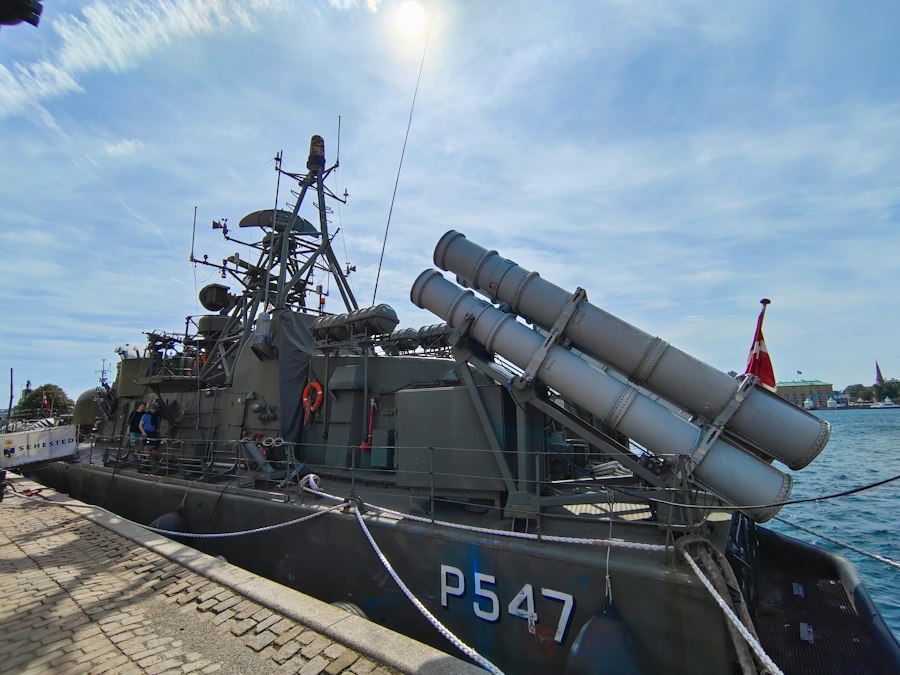
The flaw in Soviet submarine strategy extended beyond engineering trade-offs; it was also rooted in a fundamental misunderstanding of strategic priorities. The pursuit of speed often overshadowed the more crucial aspects of submarine warfare, such as operational endurance, reliability, and the ability to operate effectively in a sustained, low-signature environment. This led to a disconnect between the capabilities of the submarines and the actual strategic missions they were intended to perform.
The “Hunter-Killer” Fallacy
A significant aspect of Soviet submarine doctrine involved the concept of “hunter-killer” operations, where submarines would actively seek out and destroy enemy vessels. While speed could theoretically enable them to engage targets more aggressively, the inherent noisiness of their high-speed operations often compromised their ability to effectively “hunt.” They were more like “chase submarines” – capable of rapid pursuit once detected, but less adept at the patient, stealthy stalking that characterizes successful submarine warfare. This meant that many potential engagements were lost before they even began, as the target submarine was alerted to the presence of the attacker.
The SSBN Survivability Conundrum
For Soviet SSBNs, the primary mission was deterrence through survivability. The idea was that these submarines, carrying nuclear missiles, would be able to survive a first strike and retaliate, thus deterring an attack. However, the high-speed designs, while offering some evasion capabilities, also made them more susceptible to detection during their patrols. The increased acoustic signature meant that even in deep water, they were potentially vulnerable to coordinated ASW efforts. If SSBNs were consistently detectable due to their speed, their deterrent value was significantly diminished. The Soviets were in a constant struggle to balance the need for rapid deployment and evasive maneuvers with the absolute requirement of remaining undetected for extended periods.
The Cost of Obsolescence and Operational Limitations
The relentless focus on speed also had practical consequences for the operational life and effectiveness of Soviet submarines. High-speed operations place immense strain on machinery and hull integrity, leading to higher maintenance requirements and potentially shorter operational lifespans. Furthermore, the emphasis on speed often came at the expense of other crucial qualities, such as habitability, endurance, and the capacity for extended silent running.
Maintenance Nightmares and Reduced Endurance
The powerful propulsion systems required for high speeds were complex and prone to breakdowns. This translated into significant maintenance challenges for the Soviet Navy. Submarines spent more time in port undergoing repairs, reducing their operational availability. Furthermore, operating at high speeds consumed fuel and reactor power at a much faster rate than at lower speeds. This limited the endurance of Soviet submarines on patrol, requiring more frequent returns to base, again impacting their operational effectiveness and the ability to maintain a constant presence in strategic areas. The dream of a submarine that could operate at top speed for days on end was largely unattainable in practice.
The Sacrifice of Other Crucial Capabilities
To achieve high speeds, compromises were inevitably made in other areas. The internal space of Soviet submarines was often more cramped, impacting crew comfort and morale during long deployments. The focus on powerful engines might have come at the expense of advanced sonar systems, quieter torpedo tubes, or more sophisticated electronic warfare capabilities. These trade-offs meant that while a Soviet submarine might be faster, it might not be as well-equipped for the complex realities of underwater warfare or as comfortable for its crew during extended patrols. The holistic approach to submarine design and strategy was often sacrificed for the singular pursuit of velocity.
The Soviet submarine strategy, which heavily emphasized speed as a primary advantage, ultimately fell short due to various tactical and technological shortcomings. While the ability to move quickly underwater seemed advantageous, it did not compensate for issues such as stealth, detection capabilities, and operational flexibility. For a deeper understanding of the complexities surrounding this strategy, you can explore a related article that discusses these failures in detail. The insights provided in this piece highlight how relying solely on speed can lead to significant vulnerabilities in naval warfare. To read more, visit this article.
A Strategic Rethink and the Legacy of Speed
| Metric | Description | Impact on Soviet Submarine Strategy |
|---|---|---|
| Maximum Speed | High underwater speed capability (up to 30+ knots in some models) | Intended to outrun enemy detection and attacks but led to increased noise and reduced stealth |
| Noise Levels | Increased noise generated at high speeds due to machinery and hydrodynamics | Made submarines easier to detect by NATO sonar systems, negating speed advantage |
| Endurance | Limited battery life and fuel consumption at high speeds | Reduced operational time underwater, limiting strategic deployment and patrol duration |
| Stealth | Compromised by speed-induced cavitation and noise | Reduced ability to remain undetected, critical for effective submarine warfare |
| Detection Range by NATO Sonar | Increased detection range due to noise emissions at high speed | Allowed NATO forces to track and counter Soviet submarines more effectively |
| Strategic Flexibility | Focus on speed limited design trade-offs in other areas like stealth and endurance | Resulted in submarines that were fast but vulnerable, reducing overall strategic effectiveness |
While the Soviet Union never entirely abandoned the pursuit of speed in its submarine designs, the limitations and flaws inherent in this approach gradually became more apparent. The strategic environment evolved, and the nature of naval warfare shifted. The legacy of the Soviet emphasis on speed is a complex one, highlighting the dangers of prioritizing a single attribute over a balanced, adaptable strategy.
The Gradual Shift Towards Quieter Designs
As the Cold War progressed and the effectiveness of passive sonar continued to improve, there was a growing recognition within the Soviet Navy and its design bureaus of the need for quieter submarines. Later generations of Soviet and Russian submarines began to incorporate more advanced noise reduction technologies, a departure from the earlier, speed-obsessed designs. However, the deep-seated culture and ingrained design philosophies proved difficult to completely overcome. Even these later submarines often retained a legacy of faster, noisier predecessors.
Lessons Learned for Future Naval Strategy
The Soviet experience offers valuable lessons for naval strategists worldwide. It underscores the fact that technological superiority is not solely about achieving the highest numbers in a single metric. True strategic advantage lies in a balanced approach, integrating speed, stealth, endurance, survivability, and sophisticated weaponry into a cohesive whole. The overemphasis on speed proved to be a costly miscalculation, demonstrating that in the silent, unseen world of submarine warfare, silence and the ability to operate undetected for extended periods often trump raw velocity. The ghost of the fast, noisy Soviet submarine serves as a potent reminder of the perils of strategic inflexibility and the enduring importance of acoustic stealth in the underwater domain.
The Soviet Submarine That Broke a Speed Record—and Its Own Stealth
FAQs
1. What was the Soviet submarine strategy based on?
The Soviet submarine strategy was primarily based on the concept of speed, aiming to outrun and outmaneuver enemy vessels.
2. Why did the focus on speed fail as a successful strategy for Soviet submarines?
The focus on speed alone failed as a successful strategy for Soviet submarines because it neglected other crucial aspects of submarine warfare, such as stealth, endurance, and advanced technology.
3. How did the reliance on speed impact the effectiveness of Soviet submarines?
Relying solely on speed made Soviet submarines more vulnerable to detection by enemy sonar systems, reducing their overall effectiveness in combat situations.
4. What were the consequences of the failed Soviet submarine strategy based on speed?
The consequences of the failed Soviet submarine strategy based on speed included increased vulnerability to enemy attacks, higher casualty rates, and a diminished overall impact on naval operations.
5. What lessons can be learned from the failure of the Soviet submarine strategy?
The failure of the Soviet submarine strategy highlights the importance of a balanced approach to submarine warfare, emphasizing a combination of speed, stealth, endurance, and advanced technology for optimal effectiveness in combat situations.