The sun, usually a gentle harbinger of a new day in Hawaii, rose on December 7, 1941, to the thunderous roar of Imperial Japanese Navy aircraft. This assault, meticulously planned and brutally executed, would forever be etched in history as the fatal mistake that propelled the United States into World War II, irrevocably altering the global landscape and Japan’s own destiny. The attack on Pearl Harbor was not merely a tactical maneuver; it was a strategic gamble of monumental proportions, born from a confluence of escalating tensions, nationalistic fervor, and a profound miscalculation of American resolve.
The path to Pearl Harbor was paved with years of escalating geopolitical friction between the United States and Japan. The early 20th century witnessed Japan’s rapid ascent as a major world power, fueled by industrialization and a burgeoning imperial ambition. This ambition, however, brought it into direct conflict with established Western powers, particularly the United States, which held significant interests in the Pacific region.
Japan’s Imperial Aspirations and the Greater East Asia Co-Prosperity Sphere
Following its victories in the First Sino-Japanese War (1894-1895) and the Russo-Japanese War (1904-1905), Japan emerged as a dominant force in East Asia. The nation’s leaders, steeped in a sense of manifest destiny and a desire for regional hegemony, began to articulate a vision for a “Greater East Asia Co-Prosperity Sphere.” This concept, ostensibly aimed at liberating Asian nations from Western colonial rule, was in reality a thinly veiled attempt to establish Japanese economic and political dominance.
- Resource Acquisition: Japan, an island nation with limited natural resources, recognized its vulnerability. The industrialization that propelled its military might was heavily reliant on imported raw materials, particularly oil, iron ore, and rubber. China, Southeast Asia, and the Dutch East Indies (modern-day Indonesia) were seen as vital sources for these resources.
- Military Expansion: The Japanese military, increasingly influential in government, advocated for a proactive and aggressive foreign policy. This led to territorial acquisitions and military interventions, such as the invasion of Manchuria in 1931 and the full-scale invasion of China in 1937, igniting the Second Sino-Japanese War.
- Nationalism and Ideology: A potent blend of nationalism, emperor worship, and a belief in Japanese racial superiority permeated Japanese society. This ideology fostered a sense of exceptionalism and a willingness to undertake extreme measures to achieve national objectives, often viewing Western powers as obstacles to Japan’s rightful place in the world.
American Responses and Escalating Sanctions
The United States, initially hesitant to become entangled in Asian affairs, found its interests increasingly threatened by Japan’s aggressive expansionism. The “Open Door” policy towards China, which advocated for equal trading opportunities for all nations, was directly challenged by Japan’s growing control.
- Condemnation and Diplomacy: The U.S. government publicly condemned Japan’s actions in China and Manchuria, employing diplomatic channels to express its disapproval and urge restraint. However, these diplomatic efforts proved largely ineffective in altering Japan’s course.
- Economic Pressure: As Japan’s aggression continued, the United States began to implement economic sanctions. These sanctions started with minor restrictions but progressively escalated, becoming more severe and comprehensive.
- Scrap Metal Embargo (1940): The U.S. banned the export of scrap metal to Japan, a crucial material for its war machine.
- Oil Embargo (July 1941): This was the most crippling blow. The U.S., in conjunction with Britain and the Netherlands, imposed a full oil embargo on Japan. Japan was estimated to have only an 18-month supply of oil. This measure was intended to force Japan to cease its hostilities, but it instead had the opposite effect, pushing Japan towards a desperate gamble.
- Asset Freezing: In addition to the oil embargo, the U.S. froze Japanese assets in American banks, further tightening the economic noose around Japan.
The Perception of a Declining American Will
Japanese military and political leaders harbored a significant miscalculation regarding American resolve. They perceived the United States as a decadent, peace-loving nation, lacking the fighting spirit and national unity to sustain a protracted war in the Pacific. This perception was fueled by:
- Isolationist Sentiment in the U.S.: Prior to the attack, there was a strong isolationist movement in the United States, advocating for non-intervention in foreign conflicts. Japanese strategists believed this sentiment would lead to public pressure against a prolonged war.
- U.S. Military Preparedness: While the U.S. military was undergoing a period of rearmament, it was still perceived by some as being less prepared and less experienced than the seasoned Japanese forces.
- The “Southern Expansion” Debate: Within Japan, there was a debate between those advocating for a southward expansion into resource-rich Southeast Asia and those favoring a confrontation with the Soviet Union. The perceived weakness of the United States, coupled with the critical need for oil, ultimately swayed the decision towards the southern expansion, which inevitably meant confronting the U.S. Pacific Fleet.
Japan’s fatal mistake at Pearl Harbor is often analyzed in the context of strategic miscalculations and the underestimation of American resolve. A related article that delves deeper into the implications of this pivotal moment in history can be found at In the War Room, where it explores the broader consequences of the attack and how it ultimately led to Japan’s downfall in World War II. This article provides valuable insights into the strategic errors made by Japanese leadership and the lessons that can be learned from this critical event.
The Gambit: Operation Z and the Attack on Pearl Harbor
Faced with an existential crisis stemming from the oil embargo, Japan’s military leadership, under Admiral Isoroku Yamamoto, conceived of a daring and audacious plan: a preemptive strike against the U.S. Pacific Fleet at Pearl Harbor. This operation, codenamed “Operation Z,” was a high-stakes gamble designed to cripple the American naval presence in the Pacific, allowing Japan to secure its vital resource acquisitions unimpeded.
Admiral Yamamoto’s Strategic Vision
Admiral Yamamoto, a graduate of Harvard University and a proponent of modern naval warfare, understood the formidable industrial might of the United States. He recognized that a prolonged war would likely result in Japan’s defeat. His objective was to deliver a decisive blow that would shatter American morale and naval power, forcing the U.S. to negotiate a favorable peace settlement.
- The Element of Surprise: Yamamoto emphasized the critical importance of surprise. An early morning attack, catching the American fleet at anchor and unprepared, was deemed essential to maximize damage and minimize Japanese losses.
- Crippling the Pacific Fleet: The primary targets were the American battleships, considered the backbone of naval power at the time. Destroying these capital ships would, in theory, neutralize the U.S. threat in the Pacific for months, if not years.
- Securing the Southern Resources: The success of the attack was inextricably linked to Japan’s ability to then rapidly seize and consolidate control over resource-rich territories in Southeast Asia, including the Philippines, Malaya, and the Dutch East Indies.
The Unveiling of the Kido Butai
The strike force, known as the Kido Butai (Striking Force), was a formidable assembly of aircraft carriers and their supporting vessels. This concentration of carrier power represented a revolutionary departure from traditional naval warfare, which had been dominated by battleships.
- Carrier Task Force: The Kido Butai comprised six aircraft carriers: Akagi, Kaga, Soryu, Hiryu, Shokaku, and Zuikaku. These carriers launched a total of 350 aircraft, including torpedo bombers, dive bombers, and fighter planes.
- Naval Aviation Dominance: The plan hinged on the effectiveness of naval aviation, a relatively new and untested form of warfare on such a grand scale. The Japanese had developed advanced torpedoes capable of operating in shallow waters, a crucial factor for Pearl Harbor.
- Supporting Vessels: A large contingent of battleships, cruisers, destroyers, and submarines accompanied the carriers, providing anti-aircraft support, reconnaissance, and a potential follow-up surface action.
The Two Waves of Attack
The attack was executed in two distinct waves, meticulously timed to achieve maximum destruction.
- First Wave (07:55 AM): The initial assault focused on the battleships moored along “Battleship Row” and the airfields on Oahu. The element of surprise was absolute.
- Torpedo Attacks: Japanese torpedo bombers targeted the battleships, aiming for critical areas like the decks and torpedo tubes.
- Bombing Runs: Dive bombers unleashed their payloads on the anchored ships and military installations, seeking to cause catastrophic damage and ignite fuel stores.
- Fighter Strafing: Zero fighters engaged American aircraft attempting to take off or defend themselves, asserting air superiority.
- Second Wave (08:45 AM): The second wave, while less successful in terms of battleship destruction, continued to inflict damage on other vessels and infrastructure. This wave also targeted targets of opportunity.
The Devastation: A Day of Infamy
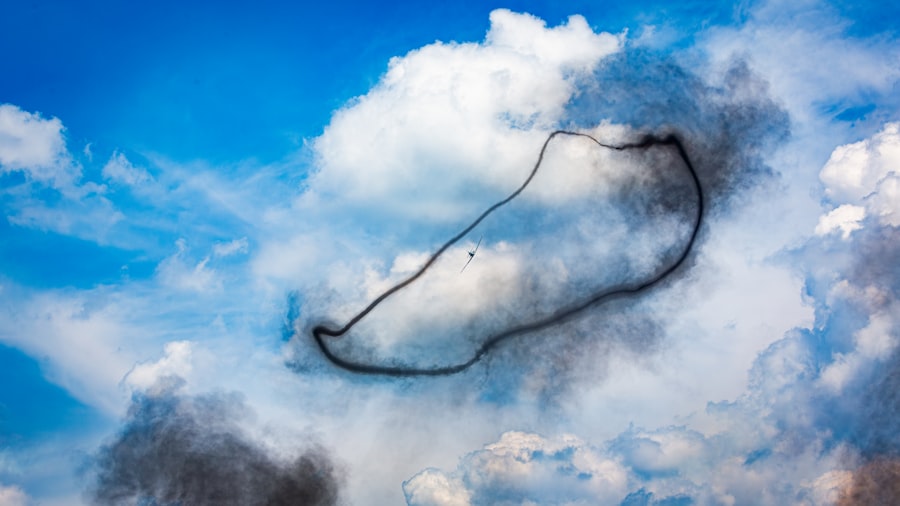
The morning of December 7, 1941, dawned bright and clear. The unsuspecting sailors and airmen of the U.S. Pacific Fleet were largely caught off guard, many enjoying a rare Sunday morning off duty. The sudden, brutal assault shattered the peace and plunged the naval base into chaos.
Sinking and Damaging the Mighty Battleships
The primary targets, the battleships, bore the brunt of the initial Japanese assault. While many were severely damaged, a crucial miscalculation by the Japanese would prevent the complete annihilation of this vital class of ship.
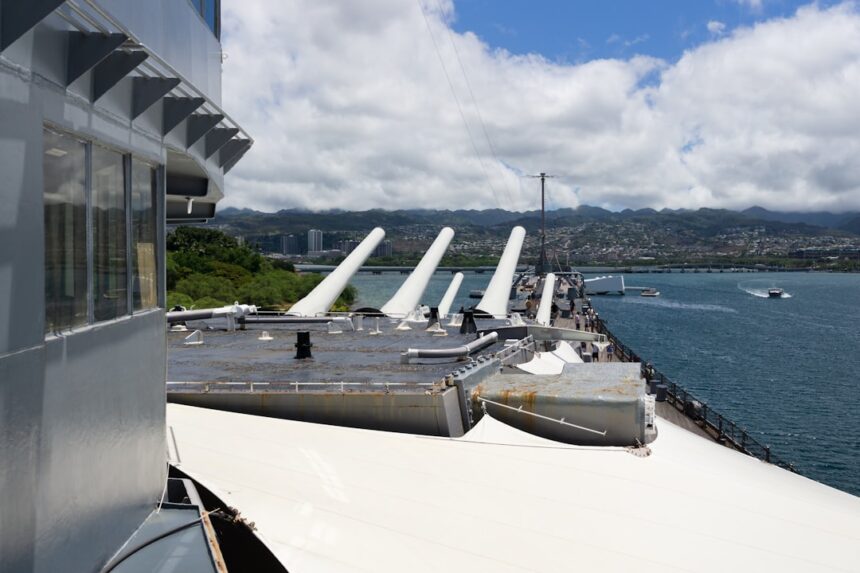
- USS Arizona (BB-39): The most iconic symbol of the attack, the Arizona was struck by bombs that detonated its forward magazine, causing a massive explosion and sinking the ship in minutes. Over 1,100 men were killed.
- USS Oklahoma (BB-37): This battleship capsized after being hit by multiple torpedoes, trapping hundreds of sailors inside.
- USS West Virginia (BB-48): Heavily damaged by torpedoes and bombs, it sank at its berth but was later raised and repaired.
- USS California (BB-44): Also heavily damaged and sunk, it was eventually refloated and returned to service.
- USS Nevada (BB-36): The only battleship to attempt to sortie during the attack, the Nevada was hit by bombs and torpedoes but managed to run aground, preventing its sinking and later serving in the invasion of Normandy.
- USS Pennsylvania (BB-38), USS Maryland (BB-46), and USS Tennessee (BB-43): These battleships sustained damage but were relatively quickly repaired and returned to service.
The Impact on Other Vessels and Infrastructure
Beyond the battleships, the Japanese attack inflicted significant damage on a variety of other naval assets and critical infrastructure at Pearl Harbor.
- Cruisers and Destroyers: Several cruisers and destroyers were damaged or sunk, further depleting the U.S. naval presence.
- Airfields and Aircraft: The Japanese meticulously targeted the airfields on Oahu, destroying numerous American aircraft on the ground before they could even get airborne. This significantly hampered the American ability to respond effectively to the attack.
- Repair Facilities and Fuel Depots: While not the primary targets, some repair facilities and fuel storage tanks were hit, further exacerbating the logistical challenges for the U.S. Navy.
The Human Cost: Sacrifice and Survival
The human cost of the attack was immense, with thousands of American servicemen losing their lives. The bravery and sacrifice displayed by many during the chaos are a testament to the spirit of those who defended the base.
- Casualties: Over 2,400 Americans were killed, and more than 1,000 were wounded.
- Heroism Under Fire: Numerous accounts of heroism emerged, with sailors and airmen fighting back against overwhelming odds, attempting to save their shipmates, and manning anti-aircraft guns despite the danger.
- The “Remember Pearl Harbor” Rallying Cry: The shock and outrage that followed the attack galvanized American public opinion and became a potent rallying cry for the war effort.
The Strategic Blunder: Why Japan Lost the War
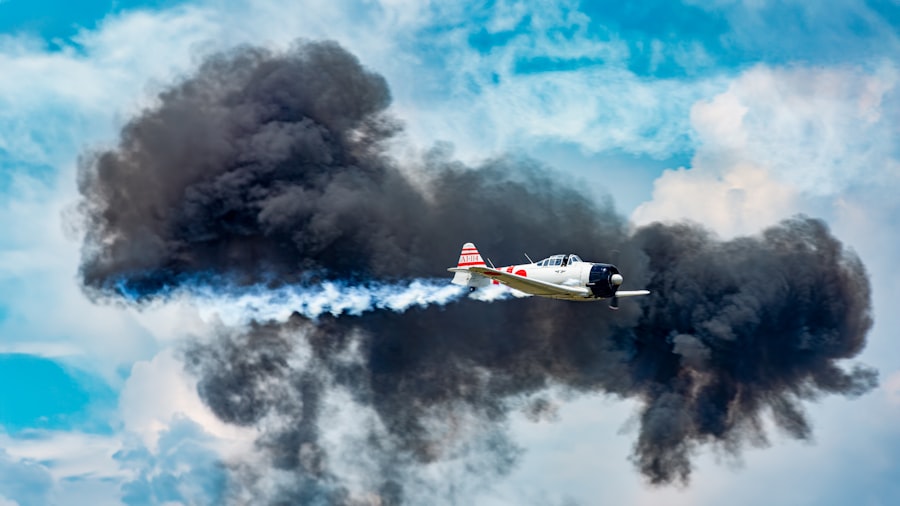
Despite the initial tactical success and the devastating material damage inflicted, Japan’s attack on Pearl Harbor proved to be a colossal strategic blunder. The very act that was intended to cripple the United States ultimately ensured its full and unwavering commitment to the war, leading to Japan’s eventual defeat.
The Missed Opportunity: Undermining the Carriers and Submarines
While the Japanese successfully targeted the battleships, they failed to recognize the evolving nature of naval warfare and overlooked equally critical targets.
- The U.S. Aircraft Carriers: The most significant oversight was the absence of the U.S. aircraft carriers from Pearl Harbor. They were at sea, conducting a ferry mission for aircraft to Wake Island, and thus escaped the attack. This allowed the U.S. to retain its most potent offensive naval weapon.
- The Submarine Fleet: The Japanese also failed to target the extensive U.S. submarine fleet based at Pearl Harbor, which would play a crucial role in interdicting Japanese shipping and disrupting their supply lines throughout the war.
- Fuel Depots and Repair Facilities: While some fuel tanks were hit, the main fuel storage depots, critical for fueling the fleet for extended operations, were left largely intact. Similarly, vital repair facilities, crucial for fixing damaged ships, were not effectively destroyed.
The Galvanizing Effect on American Public Opinion
The attack on Pearl Harbor, a direct and unprovoked act of aggression against American soil, had a profound and unifying effect on the American public. The isolationist sentiment that had previously held sway evaporated overnight.
- Unifying the Nation: The Japanese assault transformed public opinion from hesitant isolationism to a fervent desire for retribution and a total commitment to winning the war.
- Declaration of War: President Franklin D. Roosevelt famously declared December 7, 1941, “a date which will live in infamy.” The following day, Congress overwhelmingly approved a declaration of war against Japan, with only one dissenting vote.
- The “Arsenal of Democracy” Unleashed: The attack served as the catalyst that fully mobilized the immense industrial and economic might of the United States. The “Arsenal of Democracy” was now fully engaged in a global conflict.
The Long and Costly War Ahead for Japan
The Japanese leadership underestimated the capacity of the United States to wage a protracted war and rebuild its naval forces. They envisioned a swift victory, but instead, they ignited a conflict that would ultimately prove their undoing.
- Industrial Superiority of the U.S.: The U.S. possessed an unparalleled industrial capacity, enabling it to out-produce Japan in ships, aircraft, tanks, and all other war materiel.
- The Unbroken Spirit of the American People: Contrary to Japanese expectations, the attack did not break American morale; it strengthened it. The determination to defeat Japan became a national imperative.
- The Two-Ocean War: While the U.S. focused on Japan, it also had to contend with the war in Europe against Nazi Germany. However, the resources and resolve committed to the Pacific theater were immense and ultimately decisive.
Japan’s decision to attack Pearl Harbor is often regarded as a pivotal moment in World War II, marking a significant miscalculation in their military strategy. The surprise attack not only galvanized the United States into joining the war but also led to a series of events that would ultimately contribute to Japan’s downfall. For a deeper understanding of this critical error and its implications, you can read more in this insightful article about Japan’s strategic blunders during the war. Check it out here.
The Aftermath: A World Transformed
| Event | Details |
|---|---|
| Date | December 7, 1941 |
| Location | Pearl Harbor, Hawaii |
| Attackers | Imperial Japanese Navy |
| Targets | U.S. Pacific Fleet |
| Damage | 8 battleships sunk or damaged, 188 aircraft destroyed, 2,403 Americans killed |
| Outcome | U.S. entry into World War II |
The attack on Pearl Harbor marked the definitive entry of the United States into World War II, transforming the global conflict from a regional struggle into a truly world war. The consequences of this single event reverberated across continents and shaped the geopolitical landscape for decades to come.
The United States: From Isolation to Superpower
The war effort that began at Pearl Harbor propelled the United States from a position of relative isolation to that of a global superpower.
- Industrial and Economic Dominance: The war stimulated unprecedented industrial growth and technological innovation, solidifying America’s economic leadership.
- Global Military Presence: The U.S. emerged with a vast and experienced military, establishing a permanent global presence that would define its foreign policy for the remainder of the 20th century.
- The Dawn of the Nuclear Age: The war culminated in the development and use of atomic weapons, ushering in a new and terrifying era of international relations.
Japan: From Empire to Defeat and Reconstruction
For Japan, the attack on Pearl Harbor represented the beginning of the end of its imperial ambitions. The subsequent years of devastating warfare led to its utter defeat and a radical transformation of its society and political system.
- Decades of War: The Pacific War was brutal and costly, marked by fierce island battles and immense casualties on both sides.
- Atomic Bombings and Surrender: The atomic bombings of Hiroshima and Nagasaki in August 1945 led to Japan’s unconditional surrender.
- Post-War Occupation and Reconstruction: Under American occupation, Japan underwent significant political and economic reforms, transforming into a democratic nation and a major global economic power, albeit one that renounced military aggression.
The Shifting Global Balance of Power
The end of World War II, catalyzed by the events of December 7, 1941, fundamentally reshaped the global balance of power. The decline of European colonial empires, the rise of the United States and the Soviet Union as superpowers, and the subsequent onset of the Cold War were all indirect consequences of the war that began with that fateful raid. The attack on Pearl Harbor, therefore, stands not only as a pivotal moment in American history but as a stark reminder of the catastrophic consequences of miscalculation and the unpredictable nature of international conflict. The “fatal mistake” of Pearl Harbor irrevocably altered the course of history, leaving an indelible mark on the 20th century and beyond.
Japan Won Pearl Harbor—So Why Did It Lose the War?
FAQs
What was Japan’s fatal mistake at Pearl Harbor?
Japan’s fatal mistake at Pearl Harbor was launching a surprise military strike on the United States naval base at Pearl Harbor, Hawaii on December 7, 1941. This attack led to the United States’ entry into World War II.
What were the consequences of Japan’s attack on Pearl Harbor?
The attack on Pearl Harbor resulted in significant damage to the US Pacific Fleet, including the sinking of several battleships and the loss of over 2,400 American lives. It also prompted the United States to declare war on Japan, leading to its involvement in World War II.
Why did Japan attack Pearl Harbor?
Japan attacked Pearl Harbor as a preemptive strike to prevent the United States from interfering with its military actions in Southeast Asia. Japan sought to expand its empire and viewed the US Pacific Fleet as a potential threat to its plans.
How did the attack on Pearl Harbor impact Japan’s position in World War II?
The attack on Pearl Harbor initially gave Japan the upper hand in the Pacific, but it ultimately led to a prolonged and costly war with the United States. The US military’s subsequent mobilization and the entry of other Allied powers into the conflict weakened Japan’s position and ultimately led to its defeat.
What lessons were learned from Japan’s attack on Pearl Harbor?
Japan’s attack on Pearl Harbor demonstrated the dangers of underestimating an adversary and the potential consequences of initiating a conflict without fully considering the long-term implications. It also highlighted the importance of preparedness and intelligence in national defense.