The evolution of military war gaming is a story of innovation, adaptation, and the enduring human drive to anticipate and overcome conflict. From rudimentary dice rolls and tabletop simulations to sophisticated artificial intelligence-driven scenarios, war gaming has continuously transformed to mirror the changing nature of warfare itself. This evolution is not merely about technological advancement; it reflects a deeper understanding of strategy, the psychological elements of command, and the intricate complexities of the modern battlefield.
Before the formalization of war gaming, military leaders and strategists intuitively employed forms of simulation to analyze potential conflicts. These early methods, while lacking the structured rigor of modern games, laid the groundwork for understanding the value of predictive analysis and strategic exploration.
Chess and the Strategic Mindset
While not a military tool in its modern sense, the game of chess has long been recognized for its ability to cultivate strategic thinking. Its abstract representation of opposing forces, movement capabilities, and the ultimate objective of capturing the enemy’s king provided a conceptual framework for understanding strategic maneuvering and the importance of anticipating an opponent’s moves. Military thinkers throughout history have drawn parallels between chess and the art of war, emphasizing the need for foresight, tactical acumen, and the understanding of positional advantage. The game fostered a mindset where players were forced to think several steps ahead, consider multiple branching possibilities, and adapt their plans based on the opponent’s actions. This foundational element of anticipating consequences and reacting to dynamic situations is a core principle that would later be integrated into formal war gaming.
Abstract Representations and Strategic Debates
Beyond chess, various cultures developed abstract games and exercises that served as informal precursors to war gaming. These could involve rudimentary maps, counters, or even verbal wargames where commanders would debate hypothetical scenarios. The focus was on exploring different courses of action, identifying potential strengths and weaknesses in plans, and fostering a shared understanding of strategic objectives. These discussions, often occurring around maps or with simple markers, allowed for a low-fidelity simulation of combat. They enabled the testing of ideas in a risk-free environment, where the only cost was time and intellectual effort. The emphasis was on the cognitive process of strategizing and the articulation of military intent.
The Prussian Influence: Formalization Begins
The 19th century witnessed a significant step towards formalizing war gaming, particularly within the Prussian military. The desire to overcome the perceived strategic shortcomings that had plagued Prussia in earlier conflicts led to the development of more structured simulation methods. This era marked a transition from informal debate to more systematic analysis.
Helmuth von Moltke the Elder and the Kriegsspiel
Helmuth von Moltke the Elder, the architect of Prussian victories in the 1860s and 1870s, is widely credited with championing and refining the concept of Kriegsspiel, or “wargame.” Moltke recognized that theoretical study alone was insufficient to prepare officers for the realities of command. He envisioned a system that would allow officers to experience the pressures of decision-making in a simulated combat environment. This was a revolutionary idea at the time, moving beyond static lectures and theoretical texts.
The Kriegsspiel involved two opposing sides, each with a commander and staff, operating on a large map. A referee, often a senior officer, would arbitrate the game, acting as the umpire of rules and the interpreter of events. The game progressed through a series of moves and counter-moves, with players issuing orders and the referee describing the outcomes based on pre-defined rules and an understanding of military doctrine. This system aimed to replicate the fog of war, the friction of operations, and the psychological impact of combat.
Evolution of Kriegsspiel: From Simple to Complex
The early iterations of Kriegsspiel were relatively simple, focusing on tactical engagements and maneuver. However, over time, the game evolved to incorporate more complex operational and strategic considerations. The introduction of more detailed rules, statistical elements, and even the inclusion of logistical and intelligence factors made the simulations more realistic. The Prussian military’s dedication to refining Kriegsspiel made it an integral part of officer training, contributing significantly to their operational effectiveness and strategic prowess. The game became a crucible for developing leadership qualities, fostering initiative, and instilling a disciplined approach to planning and execution.
The history of military war gaming is a fascinating journey that reflects the evolution of strategy and tactics throughout the ages. For those interested in exploring this topic further, a related article can be found at In The War Room, which delves into the origins and development of war games, highlighting their significance in military training and planning. This resource provides valuable insights into how these simulations have shaped modern warfare and strategic thinking.
The Dawn of Mechanized Warfare: Adapting to New Technologies
The advent of mechanization and air power in the early 20th century presented a profound challenge to existing military doctrines and, consequently, to the methods used for their simulation. War gaming had to evolve to reflect the increased tempo, scale, and complexity of modern warfare.
The Impact of Tanks and Aircraft
The introduction of tanks and aircraft fundamentally altered the battlefield. These technologies increased mobility, firepower, and the potential for rapid exploitation. Traditional war games, often focused on infantry and cavalry engagements, struggled to capture the dynamics of armored thrusts, aerial bombardments, and the synergistic effects of combined arms. New forms of simulation were needed to explore these novel dimensions of conflict.
Early Attempts at Mechanized Wargaming
Initial attempts to incorporate mechanized warfare into wargames involved adapting existing systems. This might have meant using larger maps, more abstract representations of armored units, or new rules to govern movement and combat. However, the rapid pace of technological development meant that these adaptations were often quickly outpaced by the realities of the battlefield. The challenge was to move beyond simply adding new units to existing frameworks and instead to fundamentally rethink how these new capabilities interacted and influenced strategic outcomes.
The Interwar Period and Strategic Airpower
The interwar period saw the rise of strategic airpower as a significant factor. Air forces began to develop doctrines for bombing enemy industrial centers and cities, introducing a new dimension of warfare that targeted the enemy’s will and capacity to wage war. War games began to grapple with these new concepts, exploring scenarios involving long-range bombing missions, air defense, and the impact of air superiority on land operations. This required the development of new models and rules to represent the capabilities and limitations of aircraft and the complex interplay between air and ground forces.
World War II and the Intensification of Simulation
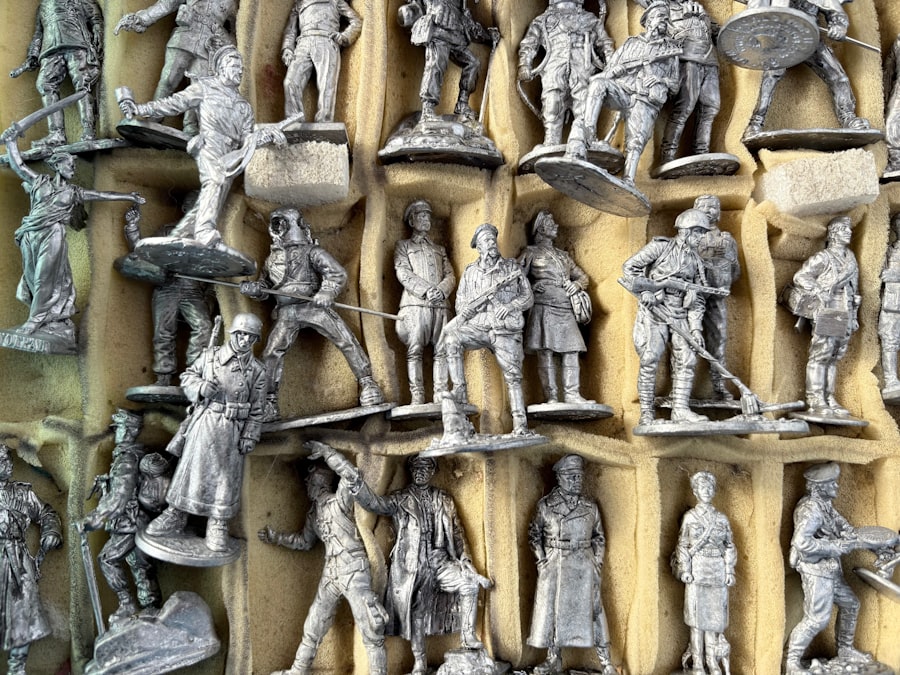
The immense scale and complexity of World War II underscored the critical need for sophisticated analytical tools. War gaming played an increasingly important role in testing strategies, understanding enemy capabilities, and preparing commanders for the unprecedented challenges of global conflict.
Operations Research and Scientific Approaches
During World War II, the burgeoning field of Operations Research began to be applied to military problems. This involved using mathematical and statistical methods to analyze complex situations and optimize decision-making. War gaming became a practical application of these scientific approaches, providing a framework for testing hypotheses and evaluating different courses of action with a greater degree of rigor.
Game Theory and its Influence
The development of Game Theory, particularly by mathematicians like John von Neumann, provided a powerful theoretical underpinning for understanding strategic interactions. While not directly a war gaming technique, Game Theory offered a mathematical framework for analyzing situations where the outcome for each participant depends on the actions of all. This influenced the design of war games by encouraging a focus on rational decision-making, the identification of optimal strategies, and the understanding of zero-sum or non-zero-sum interactions between opposing forces.
The Rise of Command-and-Control Simulations
The sheer scale of operations in World War II necessitated a greater focus on command and control. War games began to explore not only the tactical and operational aspects of conflict but also the challenges of directing vast armies and complex logistical networks across extended theaters of operation. This led to the development of simulations that tested communication systems, decision-making processes at various echelons of command, and the ability to adapt to rapidly changing situations. The focus shifted from individual unit engagements to the broader challenges of managing the entire military apparatus.
Analyzing Amphibious Operations and Logistics
Key aspects of World War II, such as the massive amphibious landings and the intricate logistical challenges of supplying far-flung armies, were extensively studied through war games. These simulations allowed for the detailed planning and rehearsal of complex operations, identifying potential bottlenecks, and refining procedures to ensure success. The detailed planning of D-Day, for instance, likely involved numerous simulations to iron out every conceivable logistical and operational challenge.
The Cold War Era: Nuclear Deterrence and Complex Threats
The advent of nuclear weapons and the ideological confrontation of the Cold War presented entirely new strategic paradigms. War gaming evolved to address the existential threat of nuclear war, the complexities of proxy conflicts, and the need for flexible response options.
Nuclear War Gaming and Deterrence Theory
The development of nuclear weapons necessitated a radical shift in war gaming. Simulations began to explore the chilling scenarios of nuclear escalation, the dynamics of deterrence, and the potential consequences of a first strike or retaliation. These games often involved abstract representations of nuclear forces, command and control systems, and the potential for global devastation. The goal was to understand the thresholds for escalation, the credibility of threats, and the delicate balance of power that maintained the uneasy peace.
Exploring Escalation Ladders and Crisis Management
Cold War war games were deeply concerned with the concept of escalation ladders. They sought to understand how conventional conflicts could escalate to nuclear exchanges and how crises could be managed to prevent such an outcome. These simulations involved players grappling with difficult choices, balancing the need to assert strength with the imperative to avoid catastrophic conflict. The focus was on exploring the psychological aspects of decision-making under extreme pressure.
The Rise of Computer-Assisted Wargaming
The advent of computing power in the latter half of the 20th century revolutionized war gaming. Computers could process vast amounts of data, run complex calculations, and automate repetitive tasks, allowing for more sophisticated and realistic simulations. This marked a significant departure from purely manual wargames.
Early Computer Models and Their Limitations
Early computer-assisted war games often involved complex algorithms and statistical models to represent combat outcomes. While these models offered greater speed and a degree of objectivity, they also had limitations. The abstraction required to translate complex combat into computational terms could sometimes lead to unrealistic results or an overemphasis on quantifiable factors, neglecting the human element. Nevertheless, these early systems laid the groundwork for future advancements.
Analyzing Proxy Wars and Limited Conflicts
The Cold War was also characterized by numerous proxy conflicts. War games developed to analyze these situations often focused on the dynamics of insurgency, counter-insurgency, and the intervention of external powers. These simulations had to grapple with irregular warfare, the influence of local political factors, and the complex interplay of conventional and unconventional forces.
The history of military war gaming is a fascinating journey that reflects the evolution of strategy and tactics over centuries. From ancient simulations used by generals to modern digital platforms, war gaming has played a crucial role in military training and planning. For those interested in exploring this topic further, a related article can be found at In the War Room, which delves into the various methods and technologies that have shaped the practice of war gaming throughout history.
The Digital Age: Towards Sophisticated, Immersive Simulations
| War Game | Year | Significance |
|---|---|---|
| Kriegsspiel | 1812 | Considered the first modern war game, used by Prussian military for training |
| Tactics | 1954 | Popular board game simulating military tactics and strategy |
| Risk | 1957 | Classic board game of global domination and strategy |
| Warhammer 40,000 | 1987 | Science fiction tabletop war game with a large fan base |
The late 20th and early 21st centuries have witnessed an explosion in digital technology, profoundly impacting the field of military war gaming. These advancements have enabled simulations of unprecedented realism and complexity.
High-Fidelity Simulations and Virtual Environments
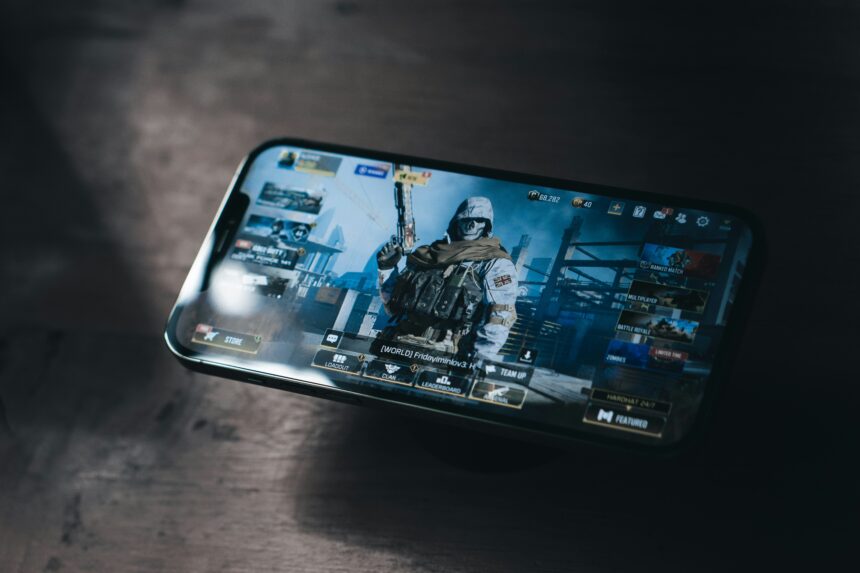
Modern war games often utilize high-fidelity computer simulations that create immersive virtual environments. These simulations can replicate terrain, weather, sensor data, and the behavior of individual units with remarkable accuracy. This allows participants to experience a much closer approximation of the battlefield, enhancing their situational awareness and decision-making skills. The visual and auditory fidelity can create a powerful sense of presence.
The Role of Artificial Intelligence (AI)
Artificial intelligence is increasingly being integrated into military war gaming. AI can be used to control opposing forces, act as intelligent “red teams” that probe defenses, or even to analyze player performance and provide feedback. AI-powered agents can learn from past games and adapt their strategies, providing a more challenging and dynamic opponent. This allows for the exploration of novel tactics and the identification of vulnerabilities that human opponents might not discover.
Multi-Domain Operations and Network-Centric Warfare
Modern military strategy emphasizes multi-domain operations, where actions are coordinated across land, sea, air, space, and cyberspace. War games now strive to integrate these diverse domains, simulating the complex interactions and interdependencies between them. Network-centric warfare, which focuses on information superiority and the rapid dissemination of data, is also a key area of simulation.
Cyber Warfare and Information Operations
The rise of cyber warfare and information operations has led to the development of specialized war games that focus on these new dimensions of conflict. Simulations now explore the vulnerabilities of digital infrastructure, the impact of disinformation campaigns, and the challenges of defending against and conducting cyber attacks. These games often require participants to think beyond traditional kinetic warfare.
The Future of War Gaming: Predictive Analytics and Human-Machine Teaming
The evolution of military war gaming is far from over. Future developments are likely to focus on even more sophisticated AI, advanced predictive analytics, and the seamless integration of human and machine decision-making. The goal remains constant: to better understand, prepare for, and ultimately prevent conflict through rigorous analysis and intelligent simulation. War gaming will continue to be an indispensable tool for military leaders seeking to navigate an increasingly complex and uncertain global landscape. The ongoing quest is to create simulations that not only replicate the physical aspects of war but also capture the intangible elements of leadership, morale, and the unpredictable human factor.
The Military Machine That Didn’t Need a Napoleon
FAQs
What is military war gaming?
Military war gaming is a strategic simulation of warfare, often used by military organizations to train and prepare for real-life combat situations. It involves the use of rules, scenarios, and often physical models to simulate military tactics and strategies.
When did military war gaming originate?
Military war gaming has been used for centuries, with some of the earliest recorded instances dating back to ancient China and Greece. However, modern military war gaming as we know it today began to take shape in the 19th century, with the development of formal rules and structured scenarios.
How has military war gaming evolved over time?
Military war gaming has evolved significantly over time, from simple tabletop exercises to complex computer simulations. Advances in technology have allowed for more realistic and immersive war gaming experiences, while also enabling the integration of real-time data and feedback.
What role does military war gaming play in modern warfare?
Military war gaming continues to be an important tool for military training and strategic planning. It allows military leaders to test different tactics and strategies in a controlled environment, identify potential weaknesses, and develop effective responses to various scenarios.
Are there any famous examples of military war gaming influencing real-world events?
One famous example of military war gaming influencing real-world events is the wargaming conducted by the United States Navy prior to the Battle of Midway during World War II. The insights gained from these war games helped the U.S. Navy achieve a decisive victory over the Japanese fleet, changing the course of the war in the Pacific.