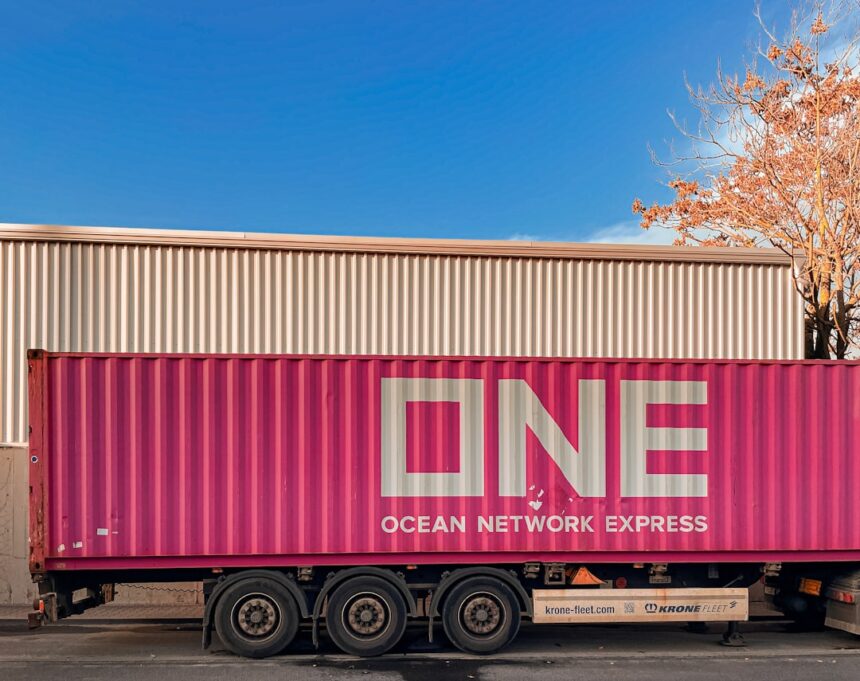
The global commercial shipping industry serves as the backbone of international trade, facilitating the movement of goods across vast oceans and connecting markets worldwide. This industry encompasses a diverse range of vessels, including container ships, bulk carriers, tankers, and specialized cargo ships, each designed to transport specific types of goods. With over 90% of the world’s trade being carried by sea, the significance of commercial shipping cannot be overstated.
In recent years, the commercial shipping industry has undergone significant transformations driven by globalization, technological advancements, and changing consumer demands. The rise of e-commerce has led to an increase in shipping volumes, while the need for faster delivery times has prompted shipping companies to innovate and optimize their operations.
As a result, the industry has seen the emergence of mega-ships capable of carrying thousands of containers, as well as advancements in logistics and supply chain management that enhance efficiency and reduce costs.
Key Takeaways
- Commercial shipping is a critical component of global trade, influenced by supply-demand dynamics and fluctuating freight rates.
- Shipping costs are affected by factors such as fuel prices, labor, regulations, and technological advancements.
- Technology plays a key role in improving efficiency, safety, and environmental compliance in the shipping industry.
- Environmental regulations and sustainability concerns are increasingly shaping operational practices and investment decisions.
- Future trends in commercial shipping include digitalization, green technologies, and evolving trade patterns offering new opportunities.
Supply and Demand in Commercial Shipping
The dynamics of supply and demand in commercial shipping are influenced by various factors, including global economic conditions, trade policies, and consumer behavior. When economies are thriving, demand for shipping services typically increases as businesses seek to expand their reach and import raw materials or finished goods. Conversely, during economic downturns, demand may decline as companies scale back production and reduce imports.
This cyclical nature of demand can lead to fluctuations in freight rates and shipping capacity. On the supply side, the availability of vessels plays a critical role in determining shipping capacity. The order book for new ships, which reflects future supply, is influenced by shipbuilding trends and the financial health of shipping companies.
When demand outstrips supply, freight rates tend to rise, benefiting shipowners. However, an oversupply of vessels can lead to lower rates and financial strain for operators. Thus, understanding the interplay between supply and demand is essential for stakeholders in the commercial shipping industry.
Factors Affecting Shipping Costs

Shipping costs are influenced by a myriad of factors that can vary significantly based on the type of cargo being transported and the routes taken. One of the primary determinants is fuel prices, which constitute a substantial portion of operating expenses for shipping companies. Fluctuations in oil prices can have a direct impact on freight rates, as higher fuel costs often lead to increased shipping charges passed on to customers.
In addition to fuel prices, port fees, labor costs, and maintenance expenses also contribute to overall shipping costs. Port congestion can further exacerbate these expenses, as delays in loading and unloading cargo can lead to increased turnaround times and additional charges. Moreover, regulatory compliance costs related to environmental standards and safety regulations can add another layer of complexity to shipping expenses.
As such, shipping companies must navigate a complex landscape of costs while striving to remain competitive in a challenging market.
The Role of Technology in Commercial Shipping
Technology has revolutionized the commercial shipping industry in recent years, enhancing efficiency and safety while reducing operational costs. Innovations such as automated cargo handling systems, advanced navigation tools, and real-time tracking solutions have transformed how goods are transported across the globe. These technologies enable shipping companies to optimize their routes, minimize delays, and improve overall service quality.
Moreover, the advent of digital platforms has facilitated better communication between shippers, carriers, and customers. Online booking systems allow for seamless transactions and greater transparency in pricing and availability. Additionally, data analytics plays a crucial role in decision-making processes within the industry.
By analyzing historical data and market trends, shipping companies can make informed choices regarding fleet management, capacity planning, and pricing strategies.
Environmental and Regulatory Challenges in Commercial Shipping
| Metric | Description | Typical Value / Range | Unit |
|---|---|---|---|
| Freight Rate | Cost charged per ton or container for shipping goods | 5 – 20 | USD per ton / per TEU |
| Fuel Consumption | Amount of fuel used by a vessel per day | 20 – 150 | Metric tons per day |
| Operating Cost | Daily cost to operate a vessel including crew, maintenance, and insurance | 5,000 – 30,000 | USD per day |
| Vessel Speed | Average cruising speed of commercial ships | 12 – 25 | Knots |
| Port Turnaround Time | Average time a ship spends in port for loading/unloading | 12 – 48 | Hours |
| Deadweight Tonnage (DWT) | Maximum weight a ship can safely carry including cargo, fuel, and crew | 10,000 – 400,000 | Metric tons |
| Container Capacity | Number of twenty-foot equivalent units (TEUs) a container ship can carry | 500 – 24,000 | TEUs |
| Ballast Ratio | Proportion of time a vessel sails without cargo (ballast voyage) | 10% – 30% | Percentage |
| Charter Rate | Daily hire rate for chartering a vessel | 3,000 – 50,000 | USD per day |
| CO2 Emissions | Carbon dioxide emissions per ton-mile transported | 10 – 40 | Grams CO2 per ton-mile |
As global awareness of environmental issues grows, the commercial shipping industry faces increasing pressure to adopt sustainable practices. The sector is a significant contributor to greenhouse gas emissions, prompting regulatory bodies to implement stricter environmental standards. Initiatives such as the International Maritime Organization’s (IMO) strategy to reduce emissions by at least 50% by 2050 have set ambitious targets for shipowners.
Compliance with these regulations presents challenges for shipping companies, particularly regarding the adoption of cleaner fuels and technologies. The transition to low-sulfur fuels or alternative energy sources requires substantial investment and may impact operational efficiency in the short term. Additionally, navigating varying regulations across different jurisdictions adds complexity to compliance efforts.
As such, the industry must balance environmental responsibilities with economic viability while seeking innovative solutions to meet regulatory demands.
The Impact of Global Trade on Commercial Shipping
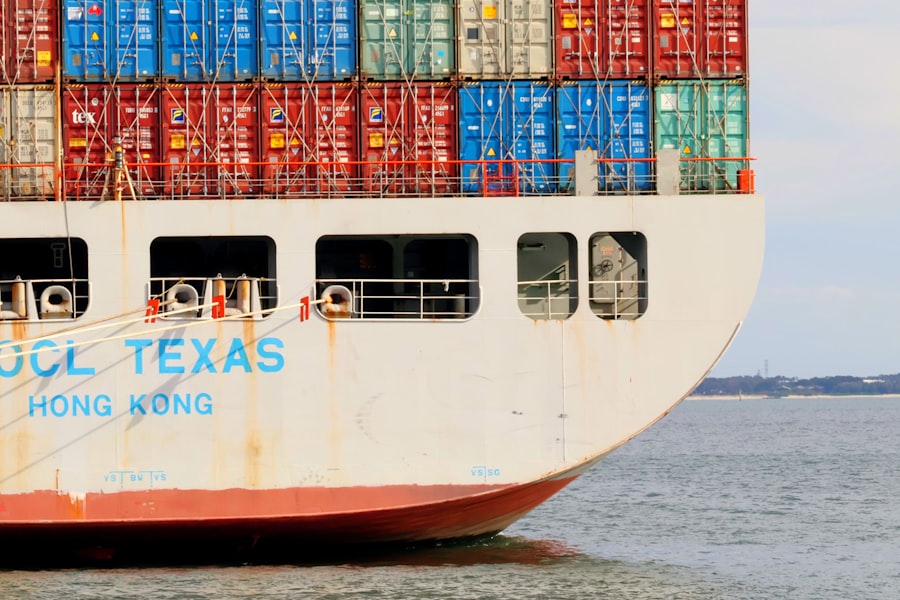
Global trade is intrinsically linked to the commercial shipping industry, as it drives demand for transportation services across international borders. Changes in trade policies, such as tariffs or trade agreements, can significantly influence shipping volumes and routes. For instance, trade tensions between major economies can lead to shifts in supply chains as companies seek alternative markets or suppliers.
Furthermore, emerging markets play a pivotal role in shaping global trade dynamics. As countries like China and India continue to grow economically, their demand for imported goods increases, creating new opportunities for shipping companies. Conversely, economic slowdowns in these regions can lead to reduced demand for shipping services.
Thus, understanding the intricacies of global trade is essential for stakeholders in the commercial shipping industry to navigate potential challenges and capitalize on emerging opportunities.
The Economics of Container Shipping
Container shipping has become a dominant mode of transport within the commercial shipping industry due to its efficiency and cost-effectiveness. The economics of container shipping are characterized by economies of scale; larger vessels can carry more containers at a lower cost per unit compared to smaller ships. This has led to a trend toward mega-container ships that can accommodate thousands of TEUs (twenty-foot equivalent units), significantly reducing transportation costs.
However, the container shipping sector also faces challenges related to overcapacity and fluctuating demand. During periods of economic growth, demand for containerized goods may surge; however, during downturns, excess capacity can lead to decreased freight rates and financial strain on operators. Additionally, competition among shipping lines has intensified as alliances form to optimize routes and share resources.
As such, understanding the economic principles governing container shipping is crucial for stakeholders aiming to thrive in this competitive landscape.
The Economics of Bulk Shipping
Bulk shipping operates under a different economic model compared to container shipping, focusing on transporting large quantities of unpackaged goods such as coal, grain, or minerals. The economics of bulk shipping are influenced by factors such as commodity prices, seasonal demand fluctuations, and geopolitical events that can disrupt supply chains. Unlike containerized cargo that benefits from standardized units, bulk cargo requires specialized vessels designed for specific types of goods.
The bulk shipping market is often characterized by longer-term contracts between shippers and carriers, providing stability amid fluctuating spot market rates. However, this sector is not immune to volatility; changes in global commodity prices can significantly impact freight rates and profitability for bulk carriers. Additionally, environmental regulations targeting emissions from bulk carriers present both challenges and opportunities for innovation within this segment of the industry.
The Role of Freight Rates in Commercial Shipping
Freight rates serve as a critical indicator of market conditions within the commercial shipping industry. These rates fluctuate based on supply and demand dynamics, operational costs, and external factors such as geopolitical events or natural disasters. For shippers seeking transportation services, understanding freight rate trends is essential for budgeting and planning logistics.
Freight rates can vary significantly depending on the type of cargo being transported and the routes taken. For instance, containerized cargo may command higher rates due to its value-added services compared to bulk commodities that are often subject to more competitive pricing pressures. Additionally, seasonal variations can influence freight rates; peak seasons may see increased demand leading to higher rates while off-peak periods may result in lower charges as competition intensifies among carriers.
Investment and Financing in the Shipping Industry
Investment in the commercial shipping industry is crucial for maintaining competitiveness and adapting to changing market conditions. Shipowners often require substantial capital to finance new vessels or upgrade existing fleets with modern technologies that enhance efficiency and compliance with environmental regulations. Financing options may include traditional bank loans, private equity investments, or public offerings.
The cyclical nature of the shipping market poses challenges for investors; periods of high profitability may be followed by downturns that impact returns on investment. As such, stakeholders must carefully assess market conditions before committing capital to new projects or expansions. Additionally, emerging trends such as digitalization and sustainability initiatives present new investment opportunities within the industry that could reshape its future landscape.
The Future of Commercial Shipping: Trends and Opportunities
The future of commercial shipping is poised for transformation driven by technological advancements and evolving market demands. Automation is expected to play a significant role in enhancing operational efficiency; autonomous vessels may soon become a reality as companies explore ways to reduce labor costs while improving safety at sea. Furthermore, advancements in artificial intelligence and data analytics will enable more precise decision-making regarding route optimization and fleet management.
Sustainability will also be a key focus area for the future of commercial shipping as stakeholders seek innovative solutions to reduce environmental impact. The adoption of alternative fuels such as hydrogen or biofuels could revolutionize how ships operate while meeting regulatory requirements for emissions reduction. Additionally, investments in green technologies will likely become increasingly attractive as consumers prioritize sustainability in their purchasing decisions.
In conclusion, the commercial shipping industry stands at a crossroads where traditional practices intersect with modern innovations. As global trade continues to evolve alongside technological advancements and environmental considerations, stakeholders must remain agile and forward-thinking to navigate challenges while seizing opportunities that arise within this dynamic sector.
In the realm of commercial shipping economics, understanding the impact of global trade dynamics is crucial. A related article that delves into these aspects can be found at this link. It provides insights into how fluctuations in trade policies and international relations can significantly influence shipping costs and logistics strategies.
WATCH THIS! 🌊 The Invisible Army That Controls Global Shipping
FAQs
What is commercial shipping economics?
Commercial shipping economics refers to the study and analysis of the economic factors that influence the shipping industry, including costs, revenues, market demand, supply, and the impact of regulations on shipping operations.
What are the main cost components in commercial shipping?
The main cost components include fuel expenses, crew wages, maintenance and repairs, port fees, insurance, and capital costs related to ship acquisition and financing.
How does fuel price affect commercial shipping economics?
Fuel price is a significant variable cost in shipping. Fluctuations in fuel prices directly impact operating costs, influencing freight rates and the overall profitability of shipping companies.
What role do freight rates play in commercial shipping economics?
Freight rates determine the revenue earned from transporting goods. They are influenced by supply and demand dynamics, fuel costs, competition, and global trade patterns, affecting the economic viability of shipping routes.
How do global trade patterns impact commercial shipping economics?
Global trade patterns dictate the volume and direction of cargo flows, affecting demand for shipping services, vessel deployment, and route profitability.
What is the impact of regulations on commercial shipping economics?
Regulations related to safety, environmental standards, and emissions can increase operational costs due to compliance requirements, influencing ship design, fuel choices, and overall economics.
How do ship size and type affect commercial shipping economics?
Larger ships often benefit from economies of scale, reducing cost per unit of cargo, but may face limitations in port accessibility. Different ship types are optimized for specific cargoes, affecting operational efficiency and costs.
What is the significance of supply and demand in commercial shipping economics?
Supply of vessels and demand for shipping services determine freight rates and utilization levels. An imbalance can lead to overcapacity or shortages, impacting profitability.
How do economic cycles influence commercial shipping economics?
Economic expansions typically increase demand for shipping, raising freight rates and profits, while recessions reduce trade volumes, leading to lower rates and potential financial challenges for shipping companies.
What strategies do shipping companies use to improve economic performance?
Strategies include optimizing fleet deployment, slow steaming to reduce fuel consumption, entering long-term contracts, investing in fuel-efficient technologies, and diversifying cargo types and routes.