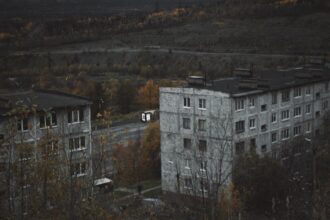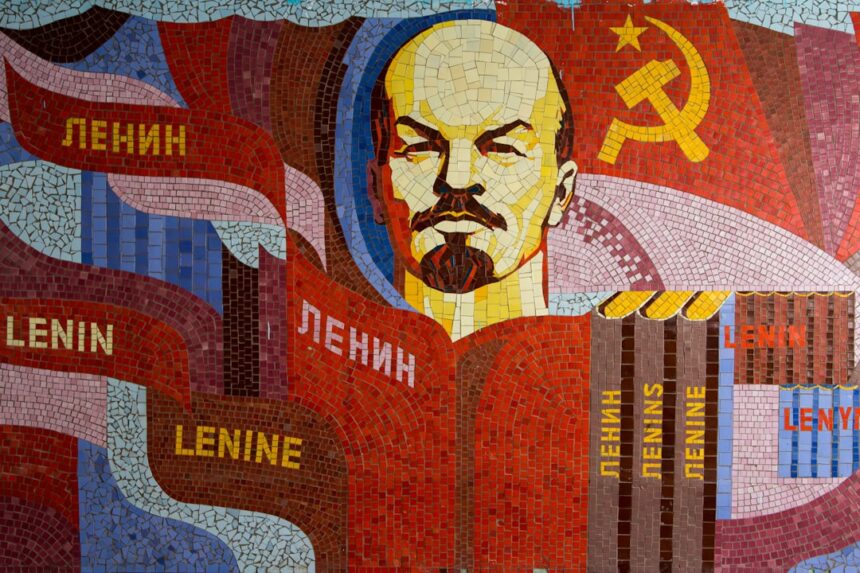
The collapse of the Soviet Union in 1991 marked a pivotal moment in world history, reshaping the geopolitical landscape and altering the course of numerous nations. This monumental event was not merely a political upheaval; it was the culmination of decades of economic stagnation, social unrest, and ideological disillusionment. The Soviet Union, once a superpower that championed communism and sought to spread its influence across the globe, found itself unable to sustain its vast empire.
The internal contradictions of its centralized economy, coupled with a lack of political freedoms, led to widespread dissatisfaction among its citizens and ultimately to its disintegration. As the Soviet Union crumbled, it left behind fifteen independent republics, each grappling with the challenges of sovereignty and self-governance. The transition from a single-party state to multiple independent nations was fraught with difficulties.
The ideological framework that had once unified these republics began to fracture, giving rise to nationalistic sentiments and ethnic tensions. The collapse not only signified the end of an era but also initiated a complex process of transformation that would have lasting implications for the newly formed states and the global community.
Key Takeaways
- The collapse of the Soviet Union had far-reaching economic consequences for the former Soviet republics.
- Disintegration of trade and economic relationships led to significant challenges for the global economy.
- Transition to market economies and privatization were key steps in the economic reforms of the former Soviet republics.
- The rise of oligarchs and income inequality were prominent features of the post-Soviet economic landscape.
- Foreign investment and aid played a crucial role in the economic development of the former Soviet republics.
Economic Consequences for Former Soviet Republics
The economic consequences of the Soviet Union’s collapse were profound and far-reaching. Each of the former republics faced the daunting task of transitioning from a centrally planned economy to a market-oriented system. This shift was not merely a change in policy; it required a complete overhaul of economic structures that had been in place for decades.
Many republics experienced severe economic contractions, with GDP plummeting as industries struggled to adapt to new market realities. The sudden loss of subsidies and support from Moscow left many regions in dire straits, leading to widespread unemployment and poverty. In addition to immediate economic hardships, the collapse also resulted in significant disparities among the former republics.
Some nations, such as the Baltic states, managed to implement reforms more swiftly and effectively, leading to relatively rapid economic recovery. In contrast, others, like Ukraine and Belarus, faced prolonged periods of stagnation and regression. The varying degrees of success in transitioning to market economies highlighted the importance of governance, institutional capacity, and external support in shaping economic outcomes in the post-Soviet space.
Impact on Global Economy
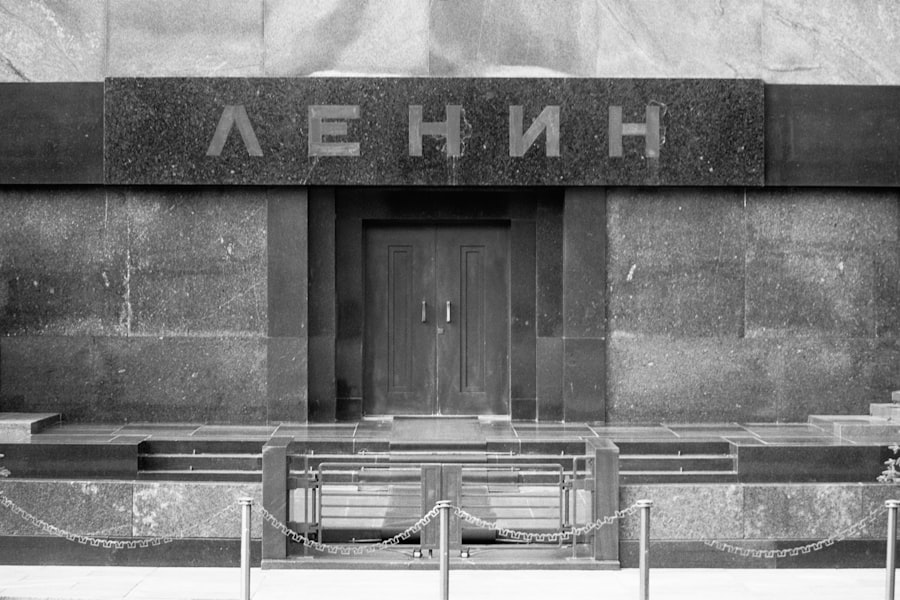
The dissolution of the Soviet Union had significant implications for the global economy as well. The end of the Cold War ushered in a new era of economic relations characterized by increased trade liberalization and globalization. With the Soviet bloc no longer a counterweight to Western capitalism, countries around the world began to reassess their economic strategies and align themselves more closely with market-oriented policies.
This shift facilitated greater integration into the global economy, allowing for increased foreign investment and trade opportunities. Moreover, the collapse prompted a reevaluation of economic ideologies worldwide. The failure of the Soviet model led many nations to embrace neoliberal policies, emphasizing deregulation, privatization, and free markets.
This ideological shift not only influenced former Soviet republics but also resonated across developing countries seeking pathways to growth and development. As nations sought to capitalize on newfound opportunities, the global economy experienced a period of dynamic change that would shape international relations for decades to come.
Disintegration of Trade and Economic Relationships
| Year | Trade Volume (in billions) | Unemployment Rate | GDP Growth Rate |
|---|---|---|---|
| 2015 | 16.5 | 5.3% | 2.4% |
| 2016 | 15.8 | 5.7% | 1.8% |
| 2017 | 14.9 | 6.2% | 1.5% |
| 2018 | 14.2 | 6.8% | 1.2% |
The disintegration of the Soviet Union resulted in the fragmentation of established trade relationships that had been built over decades. The once-cohesive economic network that linked the republics began to unravel as borders were redrawn and national identities reasserted themselves. This fragmentation disrupted supply chains and trade routes that had functioned under a centralized system, leading to inefficiencies and increased costs for businesses operating in the region.
As each republic sought to establish its own economic policies and trade agreements, many faced challenges in accessing markets that had previously been integrated within the Soviet framework. The loss of preferential trade arrangements meant that former Soviet states had to navigate a complex web of tariffs and regulations when engaging with one another and with external partners. This disintegration not only hampered economic recovery but also fostered an environment of competition rather than cooperation among neighboring countries.
Transition to Market Economies
The transition from centrally planned economies to market-oriented systems was fraught with challenges for former Soviet republics. Each nation embarked on this journey at its own pace, influenced by historical legacies, political contexts, and external pressures. While some countries embraced rapid reforms aimed at liberalizing their economies, others adopted more cautious approaches that prioritized stability over speed.
This divergence in strategies led to varied outcomes in terms of economic growth and development. In many cases, the transition was marked by significant social upheaval as citizens grappled with the realities of a market economy. The sudden exposure to competition led to business closures and job losses, creating a sense of uncertainty among populations accustomed to state guarantees.
Additionally, the lack of institutional frameworks necessary for a functioning market system often hindered progress. As governments struggled to implement effective policies, many citizens became disillusioned with the promises of reform, leading to political instability and social unrest.
Privatization and Economic Reforms

Privatization emerged as a central tenet of economic reform in many post-Soviet states, aiming to transfer state-owned enterprises into private hands. While this process was intended to stimulate efficiency and innovation, it often resulted in unintended consequences. In many cases, privatization was executed hastily and without adequate regulatory frameworks, leading to widespread corruption and mismanagement.
The lack of transparency in the privatization process allowed well-connected individuals to acquire valuable assets at bargain prices, exacerbating inequalities within society. The consequences of these privatization efforts were felt across various sectors of the economy. While some industries thrived under new ownership structures, others struggled to adapt to competitive pressures without proper investment or management expertise.
The uneven distribution of wealth resulting from privatization contributed to social tensions and discontent among those who felt left behind in the new economic order. As citizens witnessed the emergence of wealthy oligarchs while their own living standards declined, calls for reform grew louder.
Rise of Oligarchs and Income Inequality
The post-Soviet landscape saw the emergence of oligarchs—powerful business magnates who amassed significant wealth and influence during the privatization process. These individuals often leveraged their connections within government structures to secure favorable conditions for their enterprises, further entrenching their power within society. The rise of oligarchs not only reshaped economic dynamics but also contributed to widening income inequality across former Soviet republics.
As wealth became concentrated in the hands of a few, social divisions deepened, leading to growing resentment among those who struggled economically.
In many cases, this inequality manifested itself in political instability as citizens demanded greater accountability and transparency from their leaders.
The challenge of addressing income inequality became a central issue for policymakers seeking to foster social cohesion and sustainable economic growth.
Economic Challenges and Instability
The transition from a planned economy to a market-oriented system was fraught with economic challenges that often led to instability across former Soviet republics. Many nations faced hyperinflation, currency devaluation, and rising unemployment as they navigated uncharted waters in their quest for reform. The lack of established institutions capable of managing these transitions exacerbated vulnerabilities within economies already struggling with structural weaknesses.
Political instability further complicated efforts to stabilize economies. Frequent changes in leadership and policy direction created an environment of uncertainty that deterred both domestic and foreign investment. As governments grappled with competing interests and social unrest, many found it difficult to implement coherent economic strategies that could foster growth and development.
This cycle of instability hindered progress toward achieving sustainable economic outcomes for citizens who were eager for improvement.
Foreign Investment and Aid
In response to the challenges faced by post-Soviet states, foreign investment and international aid became critical components of their economic recovery strategies. Many countries sought assistance from international financial institutions such as the International Monetary Fund (IMF) and World Bank, which provided funding contingent upon implementing specific reforms aimed at stabilizing economies. These external resources were intended to bolster efforts toward market liberalization while addressing pressing social needs.
However, reliance on foreign investment often came with strings attached, leading some nations to adopt policies that prioritized short-term gains over long-term sustainability. While foreign capital influxes provided much-needed liquidity for struggling economies, they also raised concerns about dependency on external actors and potential exploitation by foreign interests.
Long-term Effects on Economic Development
The long-term effects of the Soviet Union’s collapse on economic development continue to resonate today across former republics. While some nations have successfully transitioned into thriving market economies with robust growth rates, others remain mired in stagnation or regression due to persistent structural challenges. The legacy of centralized planning has left deep scars on institutions that continue to struggle with issues such as corruption, inefficiency, and lack of transparency.
Moreover, the historical context surrounding each republic’s transition has shaped its trajectory in unique ways. Nations that embraced comprehensive reforms early on have generally fared better than those that hesitated or adopted piecemeal approaches. As these countries continue to evolve within an increasingly interconnected global economy, understanding their diverse experiences becomes essential for policymakers seeking effective strategies for sustainable development.
Lessons Learned from the Soviet Union’s Collapse
The collapse of the Soviet Union offers valuable lessons for contemporary policymakers navigating complex transitions from authoritarianism to democracy or from planned economies to market systems. One key takeaway is the importance of establishing strong institutions capable of supporting economic reforms while ensuring accountability and transparency. Without robust governance structures in place, efforts toward reform can easily devolve into corruption or mismanagement.
Additionally, fostering inclusive growth remains paramount in addressing social disparities that can arise during periods of significant change. Policymakers must prioritize equitable access to opportunities while mitigating potential negative impacts on vulnerable populations during transitions. Ultimately, understanding both successes and failures from this historical moment can inform future strategies aimed at promoting stability, resilience, and sustainable development in diverse contexts around the world.
The economic shockwaves experienced by the Soviet Union in the late 20th century had profound implications not only for its own citizens but also for the global economy. These changes are explored in greater detail in a related article on the topic, which can be found at In the War Room. This article delves into the factors that contributed to the Soviet Union’s economic decline and the subsequent impact on international relations and economic policies.
WATCH THIS! The War That Secretly Bankrupted An Empire: How Afghanistan Destroyed the USSR
FAQs
What were the economic shockwaves experienced by the Soviet Union?
The Soviet Union experienced significant economic shockwaves in the late 1980s and early 1990s, including a sharp decline in industrial production, widespread shortages of consumer goods, and a collapse in the value of the ruble.
What were the causes of these economic shockwaves?
The economic shockwaves in the Soviet Union were primarily caused by a combination of factors, including inefficiencies in the centrally planned economy, a lack of technological innovation, and a decline in oil prices, which were a major source of revenue for the Soviet government.
How did the economic shockwaves impact the Soviet Union?
The economic shockwaves had a profound impact on the Soviet Union, leading to widespread social and political unrest, a decline in living standards, and ultimately the dissolution of the Soviet Union in 1991.
What were the long-term effects of the economic shockwaves on the former Soviet republics?
The economic shockwaves had long-term effects on the former Soviet republics, including a period of economic hardship and transition as they shifted from centrally planned economies to market-based systems. This transition was marked by inflation, unemployment, and a decline in social services.
How did the economic shockwaves in the Soviet Union impact global markets?
The economic shockwaves in the Soviet Union had a significant impact on global markets, contributing to a period of economic uncertainty and volatility. The collapse of the Soviet Union also led to geopolitical realignments and changes in global trade patterns.