The raid that ended the life of Osama bin Laden, the architect of 9/11, stands as a monumental achievement in modern military history. At its forefront, orchestrating the complex and perilous operation, was Admiral William H. McRaven. His leadership, characterized by meticulous planning, unwavering resolve, and a profound understanding of the stakes involved, proved to be the linchpin of the mission’s success. This article will delve into the multifaceted aspects of Admiral McRaven’s decisive leadership throughout the Bin Laden raid, exploring the strategic foresight, the tactical execution, and the human element that defined his command.
The journey to Operation Neptune Spear, the codename for the raid on Osama bin Laden’s compound in Abbottabad, Pakistan, was a protracted and arduous one. Admiral McRaven, then a Vice Admiral and Commander of the Joint Special Operations Command (JSOC), was instrumental in shaping the intelligence gathering and operational planning that would eventually lead to the raid. His vision extended beyond mere intelligence acquisition; it was about understanding the enemy, the environment, and the sheer audacity of the objective.
The Long Shadow of 9/11 and the Pursuit of Justice
The September 11th attacks represented a profound trauma for the United States and a personal catalyst for many within the intelligence and special operations communities. For Admiral McRaven, the lingering presence of Osama bin Laden represented an unresolved injustice and a continued threat. He understood that the pursuit of bin Laden was not simply a military objective, but a moral imperative and a critical step in bringing closure to a nation scarred by terrorism. This deeply ingrained sense of purpose permeated his approach to every aspect of the operation.
Building the Foundation: Intelligence Dominance
The success of any complex military operation hinges on the quality of its intelligence. Admiral McRaven placed an unparalleled emphasis on intelligence gathering and analysis. He fostered an environment within JSOC that encouraged relentless pursuit of information, cross-agency collaboration, and innovative methods of surveillance.
The “Find, Fix, Finish” Mentality
Admiral McRaven was a proponent of the “Find, Fix, Finish” doctrine, a philosophy that emphasizes precise intelligence to locate the target, the ability to isolate and engage them, and the execution of the mission. This was not just a theoretical construct but a practical framework that guided his teams in their relentless pursuit of bin Laden. The years spent meticulously piecing together fragmented information, identifying potential hideouts, and observing patterns of behavior were a testament to this unwavering commitment to intelligence dominance.
The Abbottabad Breakthrough: A Masterclass in Patience and Persistence
The identification of the Abbottabad compound as a potential stronghold for bin Laden was a pivotal moment, but it was the sustained intelligence efforts, championed by McRaven, that transformed suspicion into actionable certainty. This involved a multi-faceted approach, including human intelligence, signals intelligence, and aerial surveillance. The patience and persistence required to monitor the compound for extended periods, discerning the routines and identifying key individuals, were a direct reflection of McRaven’s leadership in demanding thoroughness.
Admiral William McRaven’s decision-making process during the raid that led to the death of Osama bin Laden has been a topic of extensive discussion and analysis. For a deeper understanding of the strategic considerations and the implications of that historic operation, you can explore a related article that delves into the intricacies of military leadership and decision-making in high-stakes situations. This article can be found at this link.
Crafting the Sword: Tactical Precision and Innovation
Once the target was identified and the intelligence solidified, Admiral McRaven’s focus shifted to the intricate and perilous task of crafting the operational plan. This was a period of intense deliberation, innovation, and calculated risk-taking, where every detail was scrutinized to ensure the highest probability of success and the minimization of collateral damage.
The “Impossible” Mission: Designing for Failure and Success
The inherent risks of the Bin Laden raid were immense. The compound was heavily fortified, located deep within Pakistani territory, and any misstep could have led to catastrophic consequences, including international condemnation, loss of life, and the potential escape of the target. Admiral McRaven, with his extensive experience in high-stakes operations, understood the need to plan for every conceivable contingency, including the possibility of failure.
Multiple Contingency Plans: Redundancy as a Strategic Imperative
A hallmark of McRaven’s leadership was his insistence on developing multiple, robust contingency plans. This wasn’t about dwelling on the negative, but about proactively addressing potential challenges. He ensured that the teams were prepared for mechanical failures, unexpected enemy resistance, comms blackouts, and even potential capture by Pakistani forces. This layered approach to planning provided a crucial safety net and instilled confidence in the operators.
The Helicopter Approach: Innovation Born of Necessity
The reliance on traditional air insertion methods was deemed too risky due to the compound’s proximity to Islamabad and the potential for early detection. This led to the development of a revolutionary approach involving highly modified helicopters that could hover and deploy SEALs without landing. This innovation, a testament to McRaven’s willingness to embrace new technologies and tactics, was a critical element in achieving surprise.
The “Ghost Plane” Scenario: Mastering the Element of Surprise
Achieving surprise was paramount to the success of the raid. Admiral McRaven understood that any indication of an impending operation could compromise the entire mission. This led to the meticulous planning and execution of the “ghost plane” scenario, a sophisticated deception that involved flying in aircraft at high altitudes to create a diversion and mask the true approach of the helicopters.
Deception and Misdirection: A Tactical Masterstroke
The use of deception extended beyond the aerial approach. Various operational aspects were designed to create a smokescreen, diverting attention from the real objective. This intricate dance of misdirection demonstrated McRaven’s understanding of psychological warfare and his ability to think several steps ahead of the adversary.
The Breach and Clear: Unwavering Execution Under Fire
The actual assault on the compound was a testament to the rigorous training and disciplined execution of the SEAL teams, guided by McRaven’s vision. The “breach and clear” operation required split-second decisions, precise coordination, and the ability to adapt to evolving circumstances in a chaotic environment.
The Role of the Operators: Trust and Empowerment
Admiral McRaven placed immense trust in the abilities of the highly trained SEAL operators. While he meticulously planned the broad strokes of the operation, he empowered his commanders on the ground to make critical tactical decisions in the heat of the moment. This balance of strategic oversight and tactical autonomy was crucial for the success of the dynamic raid.
The Commander in the Cockpit: Real-Time Decision-Making

While the planning phase was critical, Admiral McRaven’s leadership truly shone during the real-time execution of the raid. From his vantage point, he was able to monitor the unfolding events, make critical decisions, and provide essential support to the teams on the ground.
The “Eyes of God”: Command and Control from Afar
Admiral McRaven, along with other key leaders, monitored the operation from the “Situation Room” at the White House and from an airborne command post. This allowed for a comprehensive overview of the raid’s progress, enabling real-time adjustments and critical decision-making. The ability to process information and react decisively under immense pressure was a defining characteristic of his leadership.
The Critical Moments: Adapting to the Unforeseen
During the raid, numerous unforeseen events occurred, from a helicopter crash to unexpected resistance. Admiral McRaven had to make snap decisions that could have profound implications. His calm demeanor and his ability to weigh options quickly, drawing on his extensive experience and the intelligence available, were crucial in navigating these critical moments.
The “Kill or Capture” Dilemma: Moral and Strategic Calculus
The directive regarding Osama bin Laden was clear: “kill or capture.” However, the operational realities of the raid presented complexities. Admiral McRaven had to ensure that the rules of engagement were adhered to while maximizing the chances of neutralizing the threat. This involved a delicate balance between lethal force and the potential for apprehension, a testament to the moral and strategic considerations that underpinned his command.
Adherence to Rules of Engagement: Principled Warfare
Despite the high emotions and the immense pressure, Admiral McRaven emphasized strict adherence to the rules of engagement. This commitment to lawful conduct, even in the face of a relentless enemy, reflected a broader principle of ethical warfare that he championed.
The Human Element: Leading Through Fear and Uncertainty
Beyond the tactical brilliance and strategic foresight, Admiral McRaven’s leadership was deeply rooted in his understanding of the human element. He recognized the immense bravery, sacrifice, and emotional toll that such operations exacted on the individuals involved.
The Weight of Responsibility: A Leader’s Burden
Admiral McRaven bore the immense weight of responsibility for the lives of the operators who were executing the raid. Every decision he made carried the potential for life or death. His ability to compartmentalize his emotions while remaining deeply empathetic to the risks faced by his teams was a testament to his character.
Building Trust and Morale: The Foundation of Unit Cohesion
McRaven understood that strong leadership was not just about issuing orders but about building trust and fostering a sense of shared purpose. He had spent years cultivating relationships with the operators, understanding their capabilities, and instilling confidence in their abilities. This deep-seated trust was the foundation upon which the success of the raid was built.
The Aftermath: Managing the Narrative and Honoring the Sacrifice
The successful execution of the raid was only the beginning. Admiral McRaven also played a crucial role in managing the aftermath, including the dissemination of information to the public and the honoring of the sacrifices made by all involved.
Communication and Transparency: A Delicate Balance
The release of information about the raid was a carefully managed process. Admiral McRaven was involved in ensuring that the narrative was accurate and that the strategic implications of the operation were understood. This involved a delicate balance between transparency and the need to protect sensitive operational details.
Honoring the Fallen: The Eternal Debt of Gratitude
While the raid was a resounding success, it was not without its challenges and risks. Admiral McRaven was acutely aware of the sacrifices made by the individuals who participated in the mission. His commitment to honoring their bravery and their contribution to national security remained a constant throughout the operation and its aftermath.
Admiral William McRaven played a pivotal role in the decision-making process for the Navy SEAL raid that ultimately led to the death of Osama bin Laden. His insights and leadership during this critical operation have been widely discussed in various articles. For a deeper understanding of the strategic considerations and challenges faced during the raid, you can read a related article that explores the complexities of the mission in detail at In The War Room. This resource provides valuable context on the decisions made by McRaven and his team, shedding light on the intricacies of military operations in high-stakes situations.
The Legacy of Decisive Leadership: A Blueprint for Future Success
| Metric | Details |
|---|---|
| Operation Name | Operation Neptune Spear |
| Date of Raid | May 2, 2011 |
| Lead Commander | Admiral William H. McRaven |
| Location | Abbottabad, Pakistan |
| Number of SEALs Involved | Approximately 24 |
| Duration of Raid | Approximately 40 minutes |
| Outcome | Osama bin Laden killed, intelligence gathered |
| Casualties | 1 U.S. helicopter destroyed, no U.S. fatalities |
| Decision Factors | Intelligence reliability, risk assessment, political considerations |
| Post-Raid Impact | Significant boost to U.S. counterterrorism efforts and morale |
Admiral William H. McRaven’s leadership in the Bin Laden raid transcended mere military command. It was a masterclass in strategic thinking, tactical innovation, and the profound importance of human leadership in the face of immense adversity. His decisive approach, characterized by meticulous planning, unwavering resolve, and a deep understanding of the stakes, has left an indelible mark on the history of special operations and continues to serve as a blueprint for future missions.
A Model of Strategic Foresight and Tactical Acumen
The Bin Laden raid serves as a powerful example of how strategic foresight, combined with meticulous tactical planning and execution, can achieve seemingly impossible objectives. Admiral McRaven’s ability to conceptualize the entire operation, from intelligence gathering to the final extraction, and to then translate that vision into a series of precise actions, is a testament to his exceptional leadership capabilities.
The Enduring Impact on Special Operations
The techniques and methodologies employed in Operation Neptune Spear, many of which were championed or refined by Admiral McRaven, have had a lasting impact on the evolution of special operations forces worldwide. His emphasis on intelligence dominance, innovative tactics, and the psychological preparedness of operators continues to shape training and operational doctrine.
The Symbol of Unwavering Resolve
In a world often grappling with complex threats and uncertain outcomes, Admiral McRaven’s leadership in the Bin Laden raid stands as a powerful symbol of unwavering resolve and the capacity of determined individuals and well-trained teams to achieve the seemingly insurmountable. His legacy is one of courage, intellect, and the profound impact of decisive leadership in the pursuit of justice and security.
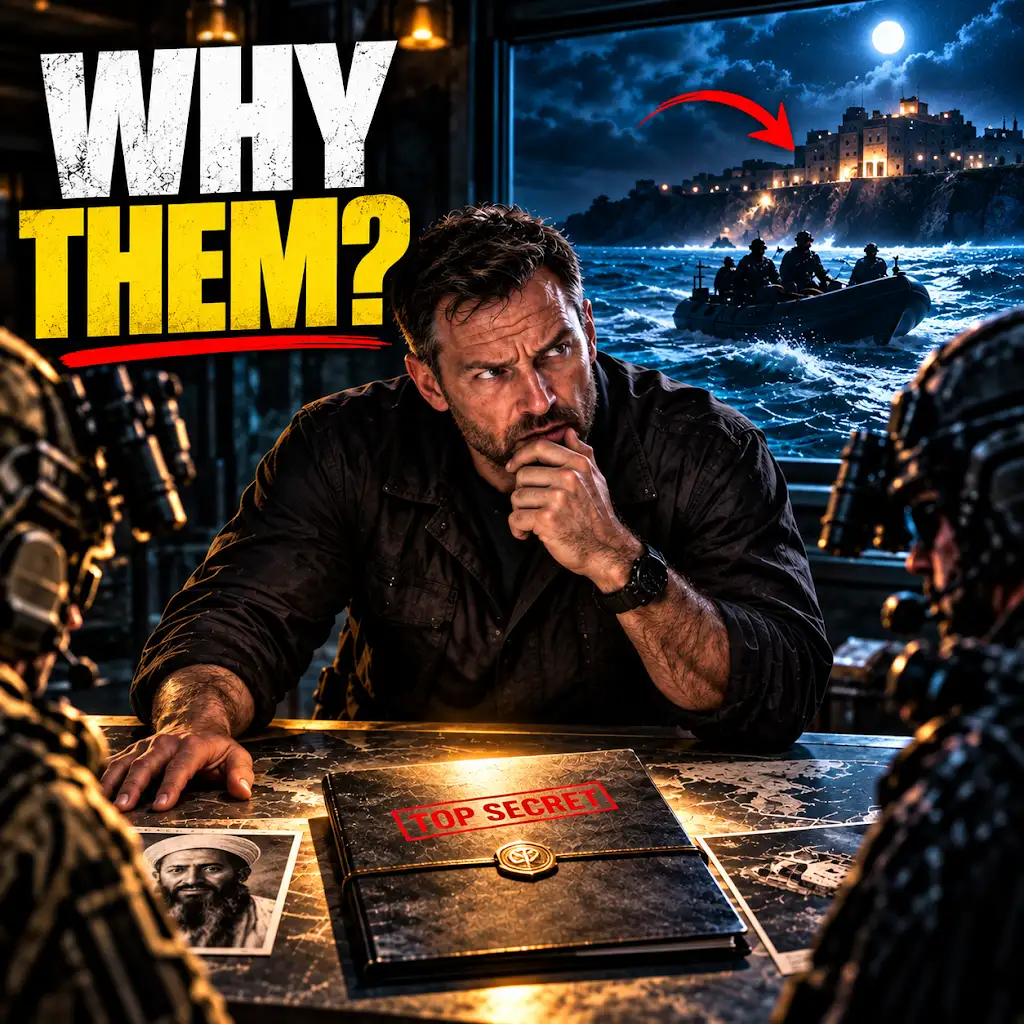
Why SEAL Team Six Got the Bin Laden Raid — Not Delta Force
FAQs
What was Admiral McRaven’s role in the bin Laden raid decision?
Admiral McRaven was the commander of the United States Special Operations Command and played a crucial role in planning and executing the raid that led to the death of Osama bin Laden.
How did Admiral McRaven contribute to the success of the mission?
Admiral McRaven oversaw the planning and coordination of the raid, ensuring that all aspects of the operation were meticulously planned and executed. His leadership and strategic decision-making were instrumental in the success of the mission.
What challenges did Admiral McRaven face during the bin Laden raid?
Admiral McRaven and his team faced numerous challenges during the bin Laden raid, including navigating Pakistani airspace without detection, ensuring the safety of the Navy SEALs involved in the operation, and coordinating with various agencies to maintain operational security.
How did Admiral McRaven’s leadership style impact the outcome of the mission?
Admiral McRaven’s leadership style, which emphasized meticulous planning, clear communication, and decisive action, played a significant role in the success of the bin Laden raid. His ability to inspire and motivate his team under high-pressure circumstances was crucial to achieving the mission’s objectives.
What was the significance of Admiral McRaven’s role in the bin Laden raid decision?
Admiral McRaven’s leadership and strategic decision-making in the bin Laden raid decision demonstrated the importance of effective command and control in complex military operations. His role in the mission highlighted the critical role that special operations forces play in national security and counterterrorism efforts.