October 27, 1962, stands as a grim monument in the annals of human history, a day when the world teetered on the precipice of nuclear annihilation. It was the apex of the Cuban Missile Crisis, a thirteen-day confrontation between the United States and the Soviet Union that brought the Cold War to its most terrifying fever pitch. On this single, fraught Saturday, decisions made in hushed tones in Washington and Moscow, and observed with bated breath by a global populace, would determine the fate of civilization. The stakes were unimaginably high, the rhetoric sharp, and the possibility of a catastrophic miscalculation loomed large.
The crisis itself did not erupt spontaneously on October 27th. Its roots lay in the escalating tensions between the superpowers and a bold, strategic gambit by Soviet Premier Nikita Khrushchev. Following the failed Bay of Pigs invasion in 1961, which revealed the United States’ determination to oust Fidel Castro’s communist regime, Cuba found itself increasingly vulnerable. The Soviets, under Khrushchev, saw an opportunity to bolster their communist ally and, more crucially, to redress a perceived strategic imbalance with the United States.
The American Nuclear Advantage
For years, the United States had enjoyed a significant advantage in intercontinental ballistic missile (ICBM) capabilities. American missiles stationed in Turkey, bordering the Soviet Union, posed a direct threat to Soviet cities. Khrushchev viewed the deployment of Soviet medium-range and intermediate-range ballistic missiles (MRBMs and IRBMs) in Cuba as a direct countermeasure, effectively placing American soil within range of Soviet nuclear weapons. This move, shrouded in secrecy, was intended to deter further American aggression against Cuba and to level the nuclear playing field.
Operation Anadyr: The Secret Deployment
The plan, code-named Operation Anadyr, involved the clandestine transportation of hundreds of Soviet nuclear warheads, along with the missiles themselves and the personnel to operate them, to the island nation. This was an unprecedented undertaking, requiring immense logistical planning and absolute secrecy. Soviet ships, disguised and under cover of darkness, ferried the offensive weaponry across the Atlantic. The hope was that by the time the United States discovered the missile sites, the installations would be operational and the threat too potent to ignore, forcing a diplomatic rather than military response.
The Discovery: A U-2 Flight’s Revelation
The illusion of secrecy was shattered on October 14, 1962, when a high-altitude American U-2 spy plane, conducting a routine reconnaissance mission over Cuba, captured photographic evidence of Soviet missile sites under construction. The images were stark and undeniable: launch pads, missile erectors, and what appeared to be transporter-erectors for ballistic missiles. This discovery immediately triggered a high-level emergency meeting at the White House, igniting what would become known as the Cuban Missile Crisis.
The Cuban Missile Crisis, which reached its peak on October 27, 1962, was a pivotal moment in Cold War history, showcasing the intense standoff between the United States and the Soviet Union. For a deeper understanding of the events and their implications, you can explore a related article that delves into the strategies and decisions made during this critical period. To read more, visit this article.
Escalation and the Brink of War
The initial discovery of the missile sites sent shockwaves through the American administration. President John F. Kennedy and his advisors, including the Executive Committee of the National Security Council (ExComm), were confronted with a stark choice: a direct military strike or a diplomatic approach. The weight of the world’s future rested on their deliberations.
The ExComm Debates: Hawk vs. Dove
Within ExComm, a fierce debate ensued. The “hawks,” led by figures like Secretary of Defense Robert McNamara and Attorney General Robert Kennedy, advocated for immediate military action. They argued that the missiles, if allowed to become operational, would fundamentally alter the strategic balance and present an unacceptable threat to the United States. Options ranged from a surgical airstrike to a full-scale invasion of Cuba.
Conversely, the “doves,” while acknowledging the grave danger, cautioned against an immediate military response. They feared that any offensive action could provoke a Soviet retaliation, potentially escalating into a full-blown nuclear war. Their preference leaned towards diplomatic solutions, blockade, and negotiation. President Kennedy, caught between these competing pressures, sought a path that would remove the missiles without triggering a nuclear catastrophe.
The Naval Quarantine: A Calculated Risk
After days of intense discussion and agonizing over the potential consequences, President Kennedy announced his decision to the nation on October 22nd. He revealed the presence of the Soviet missiles in Cuba and declared a naval “quarantine” around the island. This was a carefully chosen term, deliberately avoiding the more aggressive “blockade,” which would have been an act of war. The quarantine aimed to prevent further offensive weapons from reaching Cuba.
The implementation of the quarantine on October 24th was a tense affair. American warships positioned themselves to intercept any Soviet vessels attempting to cross the line. The world watched with bated breath as Soviet ships approached the quarantine line. The possibility of the first shot being fired, sparking an unimaginable chain reaction, was palpable.
The Unseen Threat: Soviet Submarines
While the world’s attention was focused on the naval surface vessels, a more immediate and terrifying threat was lurking beneath the waves. Soviet submarines, armed with nuclear torpedoes, were operating in the vicinity of the quarantine line. These submarines, commanded by officers unaware of the full extent of the crisis, posed a direct and immediate danger.
The U-2 Incident: A Critical Flashpoint
October 27, 1962, proved to be the most perilous day of the crisis. A U-2 spy plane, piloted by Major Rudolf Anderson Jr., was shot down over Cuba by a Soviet surface-to-air missile (SAM). This act, whether ordered by Moscow or carried out by local commanders acting without explicit authorization, was a grave escalation. It presented President Kennedy with an agonizing dilemma: retaliate against the SAM site, which would almost certainly lead to further conflict, or absorb the loss and continue pursuing a diplomatic solution.
The Day the World Held its Breath: October 27, 1962
The events of October 27th unfolded with a terrifying sense of inevitability, each passing hour tightening the knot of global anxiety. The downing of the U-2 was a stark reminder of the unpredictable and volatile nature of the situation, where a single misstep could have devastating consequences.
The President’s Dilemma: Retaliation or Restraint
President Kennedy was presented with intelligence reports confirming the U-2’s demise. The pressure to respond decisively was immense, both from within his own military and from a public that had been informed of the Soviet threat. The Joint Chiefs of Staff strongly advocated for an immediate airstrike on the SAM sites responsible for the shootdown. However, President Kennedy, ever mindful of the potential for escalation, resisted. He understood that such an action could trigger a Soviet counter-offensive, plunging the world into nuclear war.
Whispers of a Deal: Secret Negotiations
Behind the scenes, frantic diplomatic efforts were underway. Robert Kennedy, acting as a direct intermediary, engaged in secret discussions with Soviet Ambassador Anatoly Dobrynin. The tension was palpable as they navigated the labyrinth of mistrust and brinkmanship.
Khrushchev, on the one hand, sent two conflicting messages to Kennedy. The first, received on October 26th, was emotional and seemed to offer a concession: the removal of missiles in exchange for a US pledge not to invade Cuba. The second message, received on October 27th, was more demanding, adding the condition that the US must also remove its Jupiter missiles from Turkey. This added complexity to the already precarious negotiations.
The Missile Sites: Operational Readiness
Crucially, intelligence reports indicated that the Soviet missile sites in Cuba were nearing operational readiness. This meant that the threat, which had been the catalyst for the crisis, was becoming increasingly imminent. The window of opportunity for a diplomatic solution was rapidly closing. The thought that these weapons could be launched at any moment was a chilling prospect that weighed heavily on the minds of leaders and citizens alike.
The Path to De-escalation: A Fragile Agreement

Despite the intense pressure and the provocative actions, the leaders of both superpowers recognized the existential threat they faced. The desire to avoid nuclear war ultimately trumped the urge for absolute victory or retribution.
The Secret Deal: Trading Missiles for Peace
The turning point came through the secret negotiations between Robert Kennedy and Anatoly Dobrynin. While the public face of the agreement involved the Soviet Union removing its missiles from Cuba in exchange for a US pledge not to invade the island, a crucial, albeit unpublicized, element was also agreed upon. The United States would, at a later date, remove its Jupiter missiles from Turkey. This reciprocal concession was vital for Khrushchev to save face and to justify the withdrawal of Soviet missiles to his own government.
The Soviet Withdrawal: A Gradual Retreat
Following the agreement, the Soviet Union began the arduous process of dismantling the missile sites and withdrawing the offending weaponry. This was a slow and methodical process, carefully monitored by US reconnaissance flights and naval vessels. The relief that spread across the globe as the Soviet ships, now laden with missiles, turned back towards home was immense.
The American Pledge: A Non-Invasion Guarantee
The United States upheld its end of the bargain, publicly pledging not to invade Cuba. This promise, though tested at various points in the subsequent decades, has largely been honored. The removal of the Jupiter missiles from Turkey, though a more discreet aspect of the resolution, was also carried out, albeit with some delay to avoid the appearance of being directly linked to the Cuban missile withdrawal.
The Cuban Missile Crisis, which reached its peak on October 27, 1962, was a pivotal moment in Cold War history, showcasing the intense standoff between the United States and the Soviet Union. This confrontation not only brought the world to the brink of nuclear war but also highlighted the importance of diplomacy in resolving international conflicts. For a deeper understanding of the events and their implications, you can read a related article on this topic at In the War Room, which provides insightful analysis and context surrounding this critical period.
The Lingering Shadow and Lessons Learned
| Event | Details |
|---|---|
| Date | October 27, 1962 |
| Location | Cuba, United States, Soviet Union |
| Participants | John F. Kennedy, Nikita Khrushchev, Fidel Castro |
| Key Decisions | Naval blockade of Cuba, negotiations between US and USSR, removal of missiles from Cuba |
| Outcome | Agreement to remove missiles from Cuba, easing of tensions between US and USSR |
The Cuban Missile Crisis, while resolved without resorting to nuclear war, left an indelible scar on the global psyche and profoundly shaped the trajectory of the Cold War. The sheer proximity to annihilation served as a stark and terrifying lesson for all involved.
The Hotline: A Direct Communication Link
One of the most immediate and tangible outcomes of the crisis was the establishment of the Moscow-Washington hotline, or “red telephone.” This direct communication link was designed to allow leaders of the two superpowers to communicate directly and swiftly in times of crisis, reducing the risk of misunderstanding and miscalculation that had so nearly plunged the world into war.
A Shift in Superpower Dynamics
The crisis led to a period of cautious détente between the United States and the Soviet Union. Both sides recognized the destructive potential of their rivalry and the need for a more measured approach. While ideological differences and proxy conflicts continued, the direct threat of nuclear war between the superpowers was significantly diminished, at least for a time.
The Nuclear Taboo: A Reinforcement of Deterrence
The near-catastrophe of October 1962 reinforced the concept of mutually assured destruction (MAD). The understanding that a nuclear attack by one side would inevitably lead to the annihilation of both served as a powerful deterrent against initiating such a conflict. The world had glimpsed the abyss and recoiled.
The Legacy of Fear and Resilience
October 27, 1962, remains a potent symbol of the fragility of peace and the devastating consequences of nuclear proliferation. It serves as a constant reminder of the importance of diplomacy, communication, and the need for leaders to exercise restraint in times of extreme tension. The day the world held its breath is a testament to both the terrifying potential of human conflict and the extraordinary resilience of the human spirit in averting disaster. The lessons learned from that harrowing Saturday continue to resonate in the ongoing efforts to prevent nuclear war and to foster international stability.
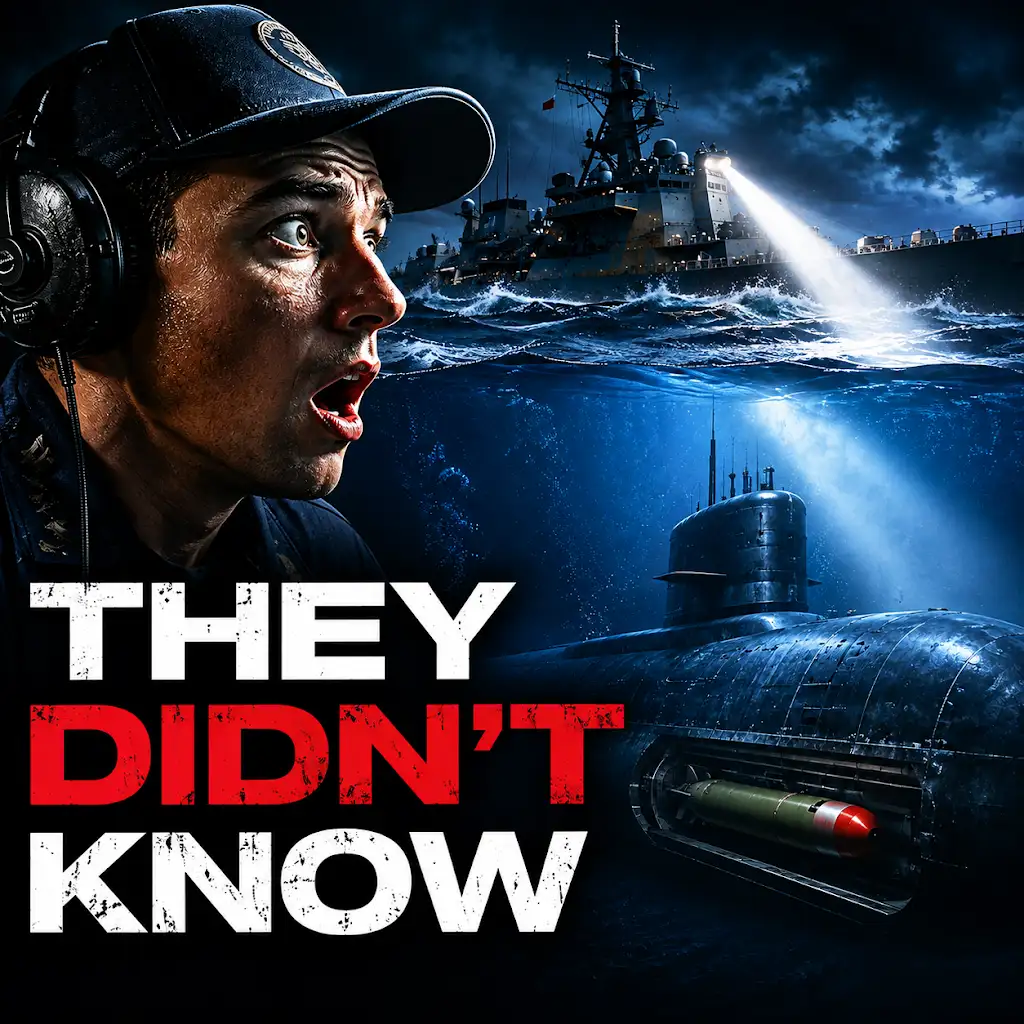
The U.S. Navy Didn’t Know This Submarine Had a Nuclear Torpedo
FAQs
What was the Cuban Missile Crisis?
The Cuban Missile Crisis was a 13-day confrontation between the United States and the Soviet Union in October 1962, stemming from the installation of nuclear-armed Soviet missiles in Cuba.
What led to the Cuban Missile Crisis?
The Cuban Missile Crisis was triggered by the discovery of Soviet missile installations in Cuba by American spy planes, which prompted a tense standoff between the two superpowers.
How did the Cuban Missile Crisis end?
The Cuban Missile Crisis ended when the Soviet Union agreed to remove its missiles from Cuba in exchange for the United States promising not to invade Cuba and secretly agreeing to remove its own missiles from Turkey.
What were the potential consequences of the Cuban Missile Crisis?
The potential consequences of the Cuban Missile Crisis included the possibility of nuclear war between the United States and the Soviet Union, which could have resulted in catastrophic global destruction.
What impact did the Cuban Missile Crisis have on international relations?
The Cuban Missile Crisis led to a period of improved communication and cooperation between the United States and the Soviet Union, as both sides recognized the need to avoid a similar crisis in the future.