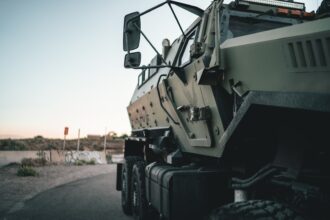
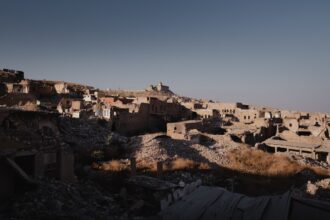
The Cold War, a global ideological and geopolitical struggle between the United States and the Soviet Union, cast a long and profound shadow over the Middle East. While the region was not a direct battlefield for the superpowers, its strategic importance, rich oil reserves, and complex internal dynamics made it a fertile ground for proxy conflicts and intense military competition. The Cold War’s military impact in the Middle East was multifaceted, shaping alliances, fueling regional arms races, instigating devastating wars, and leaving a legacy of instability that continues to resonate today.
The Cold War fundamentally altered the geopolitical landscape of the Middle East, transforming it into a chessboard where the superpowers vied for influence. Both the United States and the Soviet Union sought to cultivate allies, offering military aid, political support, and strategic partnerships in exchange for strategic advantage and access to resources. This patronage system, while seemingly offering security to recipient nations, often exacerbated existing regional tensions and entangled local conflicts with global ideological rivalries.
The American Embrace: Supporting Israel and Conservative Monarchies
The United States, driven by a desire to contain Soviet influence and protect Western interests, strategically aligned itself with key states in the region. The creation of the state of Israel in 1948, coupled with its subsequent wars against its Arab neighbors, became a central focus of American foreign policy.
The Genesis of the Israeli-American Alliance
Following World War II, the United States, though initially hesitant, increasingly saw Israel as a democratic outpost and a bulwark against Soviet-backed Arab nationalism. This alliance manifested in substantial military aid, including advanced weaponry, training, and intelligence sharing. The Yom Kippur War of 1973, in particular, underscored the depth of this commitment, with the US undertaking a massive airlift of military supplies to Israel, preventing its collapse. This sustained military backing was instrumental in Israel’s ability to maintain its military superiority in the region for decades.
The Strategic Imperative of Oil: Partnership with Gulf Monarchies
The immense oil wealth of the Persian Gulf also drew the attention of the United States. Recognizing the vital importance of these reserves to the global economy and its own industrial needs, Washington forged strong ties with conservative monarchies, most notably Saudi Arabia.
The Doctrine of Containment and the Eisenhower Doctrine
The Eisenhower Doctrine, articulated in 1957, explicitly stated the US commitment to defending Middle Eastern nations against communist aggression. This doctrine was often interpreted to include the protection of oil supplies and the pro-Western monarchies from internal subversion or external threats, particularly those perceived as Soviet-inspired. Military cooperation, including the sale of advanced weaponry and the establishment of military bases and training programs, became a cornerstone of these relationships.
The “Twin Pillars” Strategy and Regional Stability
During the Nixon administration, the “Twin Pillars” strategy aimed to empower Iran and Saudi Arabia as regional security partners, effectively outsourcing the task of maintaining stability to these client states. This involved a significant transfer of American military technology and expertise, arming them to the teeth in the hope that they could deter Soviet ambitions and regional instability.
The Soviet Gambit: Championing Arab Nationalism and Anti-Colonial Movements
The Soviet Union, on the other hand, sought to undermine Western influence by supporting Arab nationalist movements, socialist regimes, and anti-colonial aspirations. This strategy often placed Moscow at odds with pro-Western monarchies and contributed to the ideological polarization of the region.
The Appeal of Socialism and Pan-Arabism
The Soviet Union found fertile ground in the burgeoning Arab nationalist sentiment that swept across the Middle East in the post-colonial era. Ideologies like Nasserism in Egypt and Ba’athism in Syria and Iraq resonated with the Soviet model of state-led development and anti-imperialist rhetoric.
Soviet Military Aid to Egypt and Syria
Egypt, under Gamal Abdel Nasser, became a primary recipient of Soviet military aid. Following the Suez Crisis of 1956, where Nasser defied Britain and France, the Soviet Union stepped in, supplying Egypt with tanks, aircraft, and other military hardware. This support continued under Nasser’s successors, making Egypt a formidable military power in the Arab world. Similarly, Syria, with its Ba’athist government, became a staunch Soviet ally, receiving significant military assistance.
The Arms Race in the Levant
The Soviet military backing of Egypt and Syria fueled a dangerous arms race with Israel and its American patrons. This constant influx of sophisticated weaponry created a volatile environment, where the potential for devastating conflicts was ever-present. The recurrent Arab-Israeli wars were a direct manifestation of this Cold War-driven military buildup.
The Soviet Presence in Iraq and South Yemen
Beyond Egypt and Syria, the Soviet Union also cultivated relationships with other states. Iraq, particularly after the 1958 revolution and subsequent shifts in its political landscape, received Soviet military support. South Yemen, the only avowedly Marxist state in the Arab world, became a key Soviet client, granting Moscow strategic access to the Bab al-Mandab Strait, a crucial chokepoint.
For those interested in exploring the intricate dynamics of Cold War military history in the Middle East, a related article can be found at this link: Cold War Military Strategies in the Middle East. This article delves into the geopolitical strategies employed by superpowers during the Cold War and their lasting impact on the region’s military landscape. It provides valuable insights into how these historical events continue to shape contemporary conflicts and alliances in the Middle East.
The Proxy Wars and the Blood Price: Superpower Intervention in Regional Conflicts
The Cold War’s military impact in the Middle East was most starkly illustrated through the proxy wars that ravaged the region. While the superpowers rarely engaged in direct combat with each other, they actively supported opposing sides in regional conflicts, turning local disputes into arenas for ideological struggle and military competition. These proxy wars resulted in immense human suffering, widespread destruction, and a lasting legacy of instability.
The Arab-Israeli Wars: A Recurring Theatre of Cold War Competition
The Arab-Israeli conflict, a deeply entrenched historical and political issue, became a central proxy battleground of the Cold War. The superpowers’ unwavering support for their respective allies transformed each war into a test of wills and a demonstration of military might.
The 1967 Six-Day War: A Devastating Israeli Victory
The Six-Day War saw a decisive Israeli victory, largely attributed to superior intelligence, superior training, and the effective utilization of advanced American-supplied weaponry. The war significantly redrew the geopolitical map of the Middle East, with Israel occupying the Sinai Peninsula, the Gaza Strip, the West Bank, East Jerusalem, and the Golan Heights. The Soviet Union, which had supported its Arab allies, was deeply embarrassed by their swift defeat.
The 1973 Yom Kippur War: A Renewed Conflict and Shifting Dynamics
The Yom Kippur War, launched by Egypt and Syria, marked a significant shift. Initially, the Arab forces achieved considerable success, catching Israel by surprise. The war highlighted the effectiveness of Soviet-supplied anti-tank and anti-aircraft missiles. The subsequent American airlift of military supplies to Israel, however, ultimately tipped the scales back in Israel’s favor. The war also led to the first major oil crisis, demonstrating the potent leverage that oil-producing Arab nations could wield.
The Camp David Accords and the Shifting Sands of Diplomacy
The Yom Kippur War, despite its devastating impact, also paved the way for diplomatic breakthroughs. The Camp David Accords in 1978, brokered by the United States, led to a peace treaty between Egypt and Israel. This marked a significant realignment, as Egypt, once a leading Soviet client, moved firmly into the American sphere of influence. This strategic shift had a profound impact on the regional balance of power.
The Lebanese Civil War: A Complex Mosaic of Intervention
The Lebanese Civil War (1975-1990) was a particularly convoluted and brutal conflict that saw multiple external actors, armed and supported by Cold War powers, entangled in a deeply sectarian and fragmented society.
The Role of Syria and the PLO
Syria, with Soviet backing, intervened militarily in Lebanon in 1976, ostensibly to restore order but ultimately to assert its own influence. The Palestine Liberation Organization (PLO), with its strong ties to the Soviet Union and various Arab states, was a major player in the conflict, often clashing with Lebanese Christian militias supported by Israel.
The Israeli Invasion of 1982 and its Aftermath
Israel’s invasion of Lebanon in 1982, ostensibly to secure its northern border from PLO attacks, was also influenced by the Cold War context. While Israel received American military support, the invasion further destabilized the region and contributed to the rise of new extremist groups.
The Iran-Iraq War: A Costly Stalemate Fueled by External Interests
The devastating Iran-Iraq War (1980-1988) was a conflict of immense proportions, characterized by trench warfare reminiscent of World War I, chemical weapons, and a staggering death toll. While the immediate causes were rooted in historical animosities and border disputes, the Cold War powers played a significant, albeit often covert, role in prolonging and exacerbating the conflict.
The Geopolitical Stakes and Shifting Alliances
The war presented a complex strategic dilemma for both superpowers. The US, initially wary of both Iran’s revolutionary fervor and Iraq’s regional ambitions, eventually tilted towards Iraq, providing it with intelligence and tacit support, while simultaneously attempting to prevent an Iranian victory. The Soviet Union, initially supporting Iraq, also engaged in a delicate balancing act, seeking to maintain its influence without alienating either side entirely.
The Arms Merchants and the Flow of Weaponry
Both sides were heavily armed by various international actors, including those with Cold War affiliations. This included the flow of Western weaponry to Iraq and, at times, discreet arms sales to Iran by various countries, driven by profit or strategic considerations. The war became a lucrative market for arms manufacturers, regardless of their patrons’ ideological leanings.
The Impact of the War on Regional Power Dynamics
The Iran-Iraq War drained the resources of both combatants, significantly altering the regional power balance. It weakened both nations militarily and economically, creating opportunities for other actors to assert their influence and contributing to the rise of new regional powers.
The Arms Race and the Militarization of the Middle East

The Cold War directly fueled an unprecedented arms race in the Middle East. Both superpowers, driven by strategic calculations and the desire to maintain their clients’ military superiority, poured vast quantities of advanced weaponry into the region. This led to the Middle East becoming one of the most heavily militarized regions in the world, with a disproportionate concentration of military hardware and personnel.
The Technological Transfer of Destructive Power
The Cold War was a period of rapid technological advancement in military hardware. The United States and the Soviet Union competed to provide their allies with the latest tanks, aircraft, missile systems, and naval vessels.
American Military Hardware: Dominance in the Skies and Seas
The United States equipped its allies, particularly Israel and Saudi Arabia, with state-of-the-art fighter jets like the F-4 Phantom and later the F-15 and F-16, advanced tanks like the M60 Patton, and sophisticated naval assets. This technological edge played a crucial role in shaping the outcome of regional conflicts.
Soviet Military Technology: The Backbone of Arab Armies
The Soviet Union, in turn, supplied its allies with formidable weaponry, including MiG fighter jets, T-series tanks, and advanced surface-to-air missile systems. These weapons formed the backbone of many Arab armies and were instrumental in their ability to challenge Israeli military superiority.
The Proliferation of Advanced Weaponry and the Escalation of Conflict
The widespread availability of advanced weaponry had a destabilizing effect on the region. It lowered the threshold for conflict and increased the potential for devastating outcomes.
The Nuclear Shadow: The Ambiguous Case of Israel
While the Cold War primarily focused on conventional arms, the shadow of nuclear weapons also loomed over the Middle East. Israel, with its perceived existential threat, developed a covert nuclear weapons program, a development that was largely tolerated, if not tacitly acknowledged, by the United States. This added another layer of strategic complexity and anxiety to the region.
The Rise of Non-State Actors and Asymmetric Warfare
The proliferation of weapons also extended to non-state actors. The Cold War-era patronage of various groups, coupled with the availability of weapons from both sides of the conflict, contributed to the rise of militant organizations and the increasing prevalence of asymmetric warfare, a phenomenon that continues to plague the region.
The Legacy of Superpower Intervention: Enduring Instability and Unresolved Conflicts
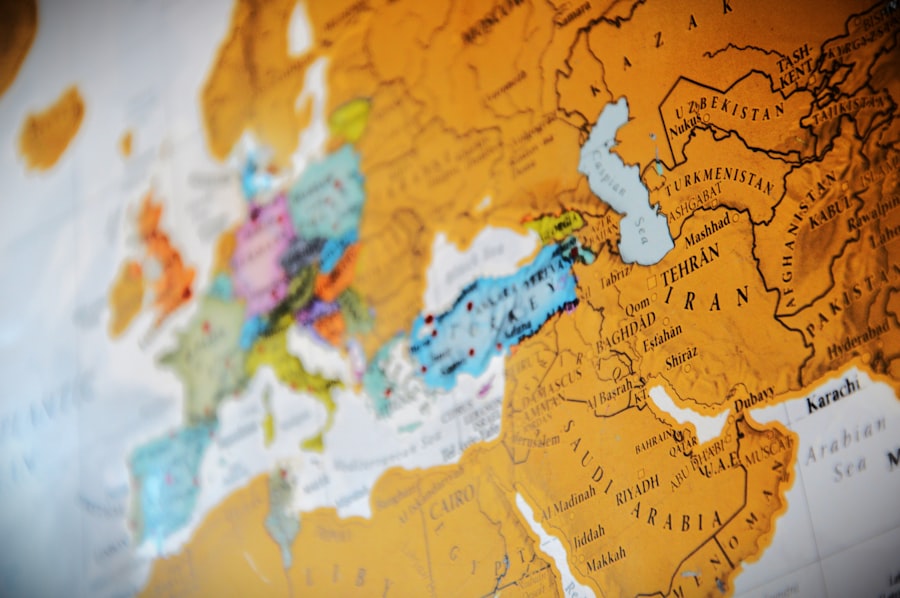
The Cold War’s military impact in the Middle East extends far beyond its formal conclusion. The alliances forged, the arms races instigated, and the proxy wars fought have left an enduring legacy of instability, unresolved conflicts, and deeply entrenched grievances. The end of the bipolar world did not magically resolve the issues created or exacerbated by superpower competition.
The Lingering Effects of Proxy Warfare
The devastating human cost of the proxy wars, including displacement, loss of life, and the destruction of infrastructure, continues to impact the region. The psychological scars of these conflicts run deep, contributing to intergenerational trauma and a persistent sense of insecurity.
The Rise of Islamist Extremism
The Cold War-era patronage of various groups, including some that would later evolve into extremist organizations, inadvertently contributed to the rise of Islamist extremism. The anti-Soviet fervor and the desire to counter Western influence sometimes led to the support of groups whose ideologies were far more radical than initially intended.
The Ongoing Israeli-Palestinian Conflict
The enduring Israeli-Palestinian conflict, a central theater of Cold War competition, remains a major source of instability. The deep-seated issues of occupation, settlement, and the right of return, exacerbated by decades of superpower involvement and the constant flow of arms, continue to fuel violence and hinder the prospects for a lasting peace.
The Uneven Distribution of Power and the Arms Trade
The Cold War cemented an uneven distribution of military power in the Middle East, with certain states becoming heavily armed through superpower patronage. This has contributed to ongoing regional rivalries and the continued reliance on the international arms trade as a primary source of military strength.
The Continued Demand for Advanced Weaponry
Even after the Cold War, many Middle Eastern states continue to demand and acquire advanced weaponry from global powers, including the United States and Russia. This perpetuates the cycle of militarization and diverts resources that could be used for development and social progress.
The Struggle for Regional Hegemony
The legacy of Cold War alliances and rivalries continues to influence the struggle for regional hegemony, with various powers vying for influence and security in a complex and often volatile environment.
The intricate dynamics of Cold War military history in the Middle East are well explored in various scholarly articles, one of which provides a comprehensive analysis of the geopolitical strategies employed by superpowers during this tense period. For those interested in delving deeper into this subject, the article on In the War Room offers valuable insights into the military alliances and conflicts that shaped the region. Understanding these historical contexts can shed light on contemporary issues still affecting the Middle East today.
The Unfinished Business: The Enduring Military Scars on the Middle East
| Country | Military Expenditure (USD) | Number of Military Personnel |
|---|---|---|
| Israel | 20 billion | 170,000 |
| Iran | 13 billion | 523,000 |
| Saudi Arabia | 67 billion | 478,000 |
| Egypt | 11 billion | 438,500 |
The military impact of the Cold War on the Middle East is not a closed chapter. The region continues to grapple with the consequences of superpower intervention, the proliferation of weapons, and the unresolved conflicts that were so deeply intertwined with the global ideological struggle. Understanding this historical military impact is crucial for comprehending the current geopolitical landscape and for charting a path towards a more stable and peaceful future for the Middle East. The Cold War may have ended, but its military scars on the region remain, a stark reminder of the devastating consequences of global power struggles played out on local stages. The constant flow of arms, the entrenchment of certain political factions through external support, and the unresolved territorial and political disputes all bear the unmistakable imprint of the Cold War’s military intervention. The region’s ongoing challenges are a testament to the enduring and profound military legacy of that era.

The Intelligence System That Won the Six-Day War Before It Began
FAQs
What was the Cold War military history in the Middle East?
During the Cold War, the Middle East became a battleground for influence between the United States and the Soviet Union. Both superpowers sought to gain strategic advantage in the region through military alliances, arms sales, and proxy wars.
What were some key events of the Cold War military history in the Middle East?
Key events in the Cold War military history of the Middle East include the Suez Crisis of 1956, the Six-Day War of 1967, and the Soviet invasion of Afghanistan in 1979. These events were marked by significant military interventions and geopolitical maneuvering by the superpowers.
How did the Cold War impact military alliances in the Middle East?
The Cold War led to the formation of military alliances in the Middle East, with countries such as Egypt, Iraq, and Syria aligning with the Soviet Union, while countries like Israel, Iran, and Saudi Arabia were supported by the United States. These alliances shaped the regional balance of power and influenced military strategies and arms acquisitions.
What role did arms sales play in the Cold War military history of the Middle East?
During the Cold War, both the United States and the Soviet Union engaged in extensive arms sales to countries in the Middle East, fueling regional conflicts and contributing to the militarization of the region. These arms sales had long-lasting implications for the security and stability of the Middle East.
How did the Cold War military history in the Middle East impact the region’s geopolitical landscape?
The Cold War military history in the Middle East had a profound impact on the region’s geopolitical landscape, contributing to ongoing conflicts, power struggles, and the proliferation of weapons of mass destruction. The legacy of Cold War military interventions continues to shape the political and security dynamics of the Middle East today.