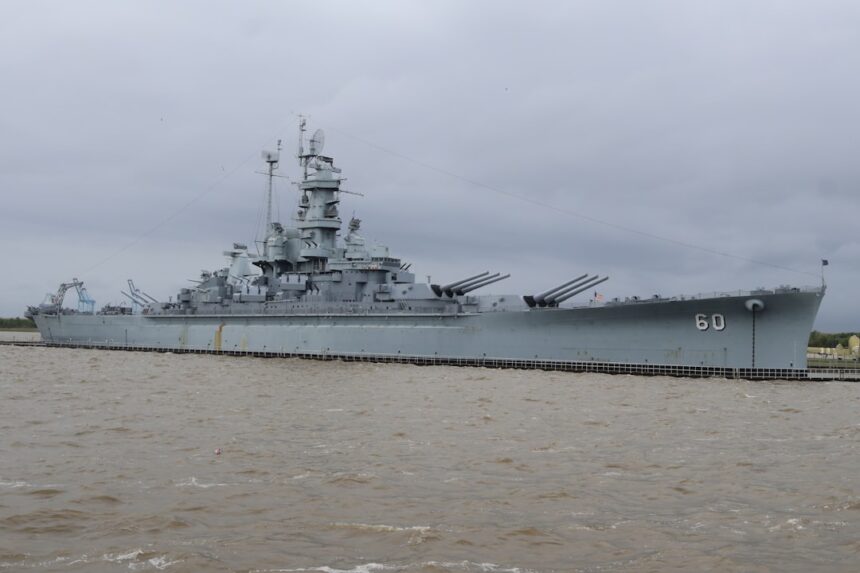
The Soviet Navy emerged as a formidable force in the early 20th century, particularly following the Russian Revolution of 1917. Initially, the Bolshevik government prioritized land forces, viewing the navy as a secondary concern.
Following the war, under Stalin’s leadership, the Soviet Union embarked on an ambitious naval expansion program, developing a blue-water navy capable of projecting power globally. This transformation accelerated during the Cold War, with Admiral Sergei Gorshkov’s leadership from 1956 to 1985 being instrumental in modernizing the fleet with nuclear submarines, aircraft carriers, and advanced surface combatants. By the 1970s, the Soviet Navy had evolved from a coastal defense force into a significant global maritime power that challenged Western naval dominance across multiple theaters of operation.
In the post-war period, the Soviet leadership invested heavily in naval expansion and modernization. The establishment of the Ministry of the Navy in 1947 marked a turning point, as it signaled a commitment to developing a robust naval presence. The Soviet Union sought to challenge the dominance of the United States and its allies on the high seas.
This ambition was reflected in the construction of new classes of submarines, surface ships, and aircraft carriers, which were designed to enhance the navy’s operational capabilities. The rise of the Soviet Navy was not merely a military endeavor; it was also a symbol of national pride and a demonstration of the Soviet Union’s status as a superpower.
Key Takeaways
- The Soviet Navy grew significantly during the Cold War, becoming a major maritime force.
- It played a crucial role in Cold War strategy, focusing on power projection and deterrence.
- Technological advancements, including submarines and missile systems, enhanced Soviet naval capabilities.
- The Soviet Navy expanded its global presence, challenging Western naval dominance.
- Its legacy continues to influence modern military doctrine and naval strategy worldwide.
The Soviet Navy’s Role in the Cold War
During the Cold War, the Soviet Navy played a crucial role in the broader geopolitical struggle between the East and West. As tensions escalated between the two superpowers, the navy became an essential instrument of Soviet foreign policy. It was tasked with protecting maritime trade routes, projecting power in key regions, and deterring potential adversaries.
The navy’s presence in strategic waterways such as the Mediterranean Sea and the Indian Ocean underscored its importance in global affairs. The Cold War also saw the development of various naval doctrines that shaped the Soviet Navy’s operational strategies. The concept of “sea denial” emerged as a central tenet, emphasizing the need to prevent enemy forces from operating freely in contested waters.
This approach was complemented by an emphasis on submarine warfare, with the Soviet Union investing heavily in nuclear-powered submarines capable of launching ballistic missiles. The navy’s role extended beyond traditional military engagements; it also involved intelligence gathering and surveillance operations aimed at monitoring Western naval activities.
The Expansion of the Soviet Navy
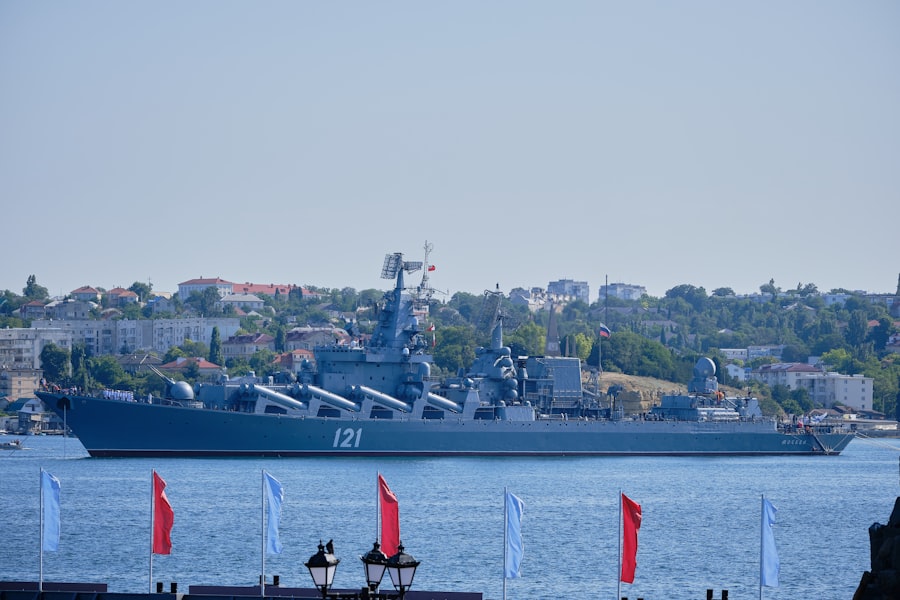
The expansion of the Soviet Navy during the Cold War was characterized by rapid growth and diversification. The navy’s fleet expanded significantly, with an emphasis on both surface vessels and submarines. By the 1970s, the Soviet Navy had become one of the largest in the world, boasting a diverse array of ships designed for various missions.
This expansion was driven by a combination of technological advancements and strategic imperatives, as the Soviet leadership sought to counterbalance NATO’s naval capabilities. The construction of aircraft carriers, cruisers, and destroyers reflected a shift towards more versatile naval power. The introduction of advanced missile systems further enhanced the navy’s strike capabilities, allowing it to engage targets at greater distances.
Additionally, the establishment of naval bases in strategic locations around the globe facilitated sustained operations and increased operational reach. This expansion was not without challenges; logistical constraints and resource allocation issues often hampered efforts to maintain and modernize the fleet.
Key Naval Strategies of the Soviet Union
The Soviet Union developed several key naval strategies that guided its operations throughout the Cold War. One of the most significant was the emphasis on asymmetric warfare, which aimed to exploit weaknesses in enemy forces while minimizing direct confrontation. This approach was particularly evident in submarine warfare, where Soviet submarines were designed to operate stealthily and strike at high-value targets with precision.
Another critical strategy was the focus on anti-access/area denial (A2/AD) capabilities. The Soviet Navy sought to create a formidable defensive perimeter around its maritime borders, utilizing advanced missile systems and submarines to deter potential aggressors. This strategy was complemented by extensive training exercises that simulated real-world scenarios, ensuring that naval personnel were prepared for various contingencies.
The integration of air power into naval operations also became a hallmark of Soviet strategy, with naval aviation playing a vital role in supporting fleet operations.
The Soviet Navy’s Technological Advances
| Metric | Details |
|---|---|
| Active Personnel | Approximately 350,000 (1980s) |
| Number of Submarines | Over 300 (including ballistic missile, attack, and diesel-electric submarines) |
| Number of Surface Combatants | Approximately 200 (including cruisers, destroyers, frigates, and corvettes) |
| Ballistic Missile Submarines (SSBNs) | About 40 operational SSBNs |
| Attack Submarines (SSNs and SSKs) | Over 200 (nuclear and diesel-electric) |
| Aircraft Carriers | 1 (Kiev-class, limited fixed-wing capability) |
| Major Naval Bases | Murmansk, Vladivostok, Sevastopol, Baltiysk |
| Primary Naval Strategy | Sea denial, nuclear deterrence, and protecting Soviet ballistic missile submarines |
| Key Naval Engagements | Limited direct combat; focus on intelligence gathering and presence missions |
| Technological Focus | Submarine technology, anti-ship missiles, and electronic warfare |
Technological innovation was a cornerstone of the Soviet Navy’s development during its peak years. The introduction of nuclear propulsion revolutionized submarine design, allowing for longer deployments and greater operational flexibility. Nuclear-powered submarines could remain submerged for extended periods, making them difficult to detect and engage.
This technological leap not only enhanced deterrence but also allowed for more complex naval strategies. In addition to nuclear propulsion, advancements in missile technology transformed naval warfare. The development of anti-ship cruise missiles provided Soviet surface ships and submarines with formidable strike capabilities.
These missiles could be launched from various platforms, enabling coordinated attacks against enemy fleets. Furthermore, improvements in radar and sonar technology enhanced situational awareness, allowing for more effective tracking and targeting of adversary vessels. The combination of these technological advances solidified the Soviet Navy’s reputation as a formidable maritime force.
The Soviet Navy’s Global Presence
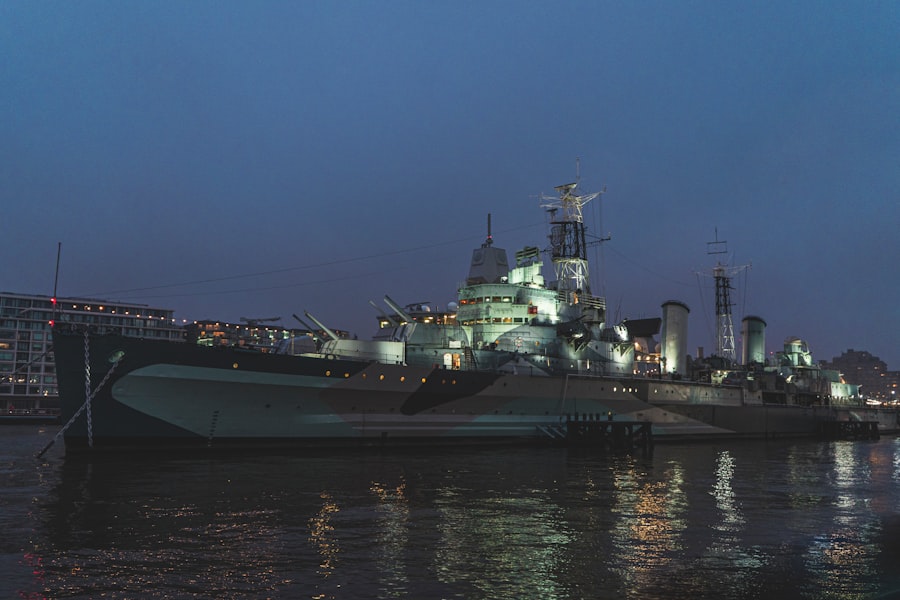
The global presence of the Soviet Navy during the Cold War was marked by its ability to project power far beyond its home waters. The establishment of naval bases in strategic locations around the world allowed for sustained operations and increased influence in key regions. From Cuba to Vietnam, the Soviet Navy sought to establish a foothold that would enable it to counter Western influence and protect its interests.
The navy’s global operations included participation in joint exercises with allied nations and deployments to support revolutionary movements in various parts of the world. These actions were often accompanied by diplomatic efforts aimed at strengthening ties with other socialist states. The presence of Soviet naval forces in international waters served as a reminder of Moscow’s commitment to defending its interests and asserting its influence on the global stage.
The Arms Race at Sea
The arms race at sea during the Cold War was characterized by intense competition between the United States and the Soviet Union. Both superpowers sought to outpace each other in naval capabilities, leading to significant investments in shipbuilding and technological innovation. This competition extended beyond conventional forces; it also encompassed nuclear deterrence strategies that shaped naval doctrine.
The development of ballistic missile submarines (SSBNs) became a focal point in this arms race. These submarines were designed to carry nuclear missiles capable of striking targets across vast distances, providing a second-strike capability that was crucial for deterrence. The race for supremacy at sea also included advancements in anti-submarine warfare technologies, as both sides sought to counter each other’s underwater capabilities.
This relentless pursuit of naval superiority contributed to heightened tensions and an ever-present sense of rivalry between East and West.
The Soviet Navy’s Influence on Geopolitics
The influence of the Soviet Navy on geopolitics during the Cold War cannot be overstated. Its presence in key maritime regions allowed the Soviet Union to exert pressure on rival powers and support allied regimes around the world. The navy’s ability to project power through naval deployments often served as a tool for diplomacy, enabling Moscow to negotiate from a position of strength.
Moreover, the Soviet Navy played a critical role in shaping regional conflicts and crises. Its involvement in events such as the Cuban Missile Crisis highlighted how naval power could escalate tensions between superpowers. The navy’s strategic positioning allowed it to respond rapidly to emerging threats, reinforcing Moscow’s commitment to protecting its interests abroad.
As such, the Soviet Navy became an integral part of the broader geopolitical landscape during this tumultuous period.
The Legacy of the Soviet Navy
The legacy of the Soviet Navy is multifaceted, encompassing both its achievements and shortcomings. On one hand, it successfully established itself as a major maritime power capable of challenging Western dominance at sea. Its innovations in submarine warfare and missile technology left an indelible mark on naval strategy worldwide.
Many concepts developed during this era continue to influence modern naval operations. On the other hand, challenges such as resource constraints and bureaucratic inefficiencies hindered its effectiveness at times. The collapse of the Soviet Union in 1991 marked a significant turning point for its navy, leading to reductions in fleet size and operational capabilities.
Nevertheless, remnants of its legacy persist in contemporary naval forces that draw upon lessons learned from this period.
The Impact of the Soviet Navy on Military Doctrine
The impact of the Soviet Navy on military doctrine extended beyond its own operations; it influenced global military thinking regarding naval warfare. The emphasis on asymmetric strategies and A2/AD capabilities reshaped how navies approached conflict at sea. Many nations studied Soviet tactics and technologies to inform their own military planning.
Furthermore, concepts such as integrated naval operations involving air power became more widely adopted as a result of Soviet innovations. The lessons learned from Cold War naval engagements continue to resonate today, as modern navies grapple with similar challenges posed by advanced adversaries and evolving technologies.
The Soviet Navy’s Enduring Influence
Even after its dissolution, the influence of the Soviet Navy endures in contemporary geopolitics and military strategy. Many former Soviet states have retained elements of their naval heritage while adapting to new realities in an increasingly multipolar world. Additionally, nations around the globe continue to study Soviet naval doctrine as they seek to navigate complex maritime challenges.
The legacy of technological advancements initiated during this period remains relevant today, with ongoing developments in submarine warfare and missile technology reflecting lessons learned from past experiences. As nations confront emerging threats at sea, they often look back at historical precedents set by powerful navies like that of the Soviet Union for guidance on how best to adapt their strategies for future conflicts. In conclusion, while time has passed since its peak influence during the Cold War era, understanding both its achievements and limitations provides valuable insights into contemporary maritime dynamics—underscoring how history shapes current military thought across nations worldwide.
The Cold War era was marked by significant naval developments, particularly within the Soviet Navy, which sought to expand its influence and capabilities on the high seas. For a deeper understanding of the strategic implications of these naval advancements, you can read more in the article available at this link. This article provides insights into the naval strategies employed by the Soviet Union and their impact on global maritime dynamics during the Cold War.
FAQs
What was the role of the Soviet Navy during the Cold War?
The Soviet Navy played a crucial role in projecting Soviet power globally, protecting maritime borders, and countering the naval dominance of NATO, particularly the United States. It focused on submarine warfare, missile technology, and maintaining a strategic nuclear deterrent.
How did the Soviet Navy compare to the US Navy during the Cold War?
The Soviet Navy was generally smaller and less technologically advanced than the US Navy but emphasized submarine capabilities, especially ballistic missile submarines (SSBNs). The US Navy had a larger surface fleet and superior carrier strike groups, while the Soviet Navy focused on anti-ship missiles and undersea warfare.
What types of ships were prominent in the Soviet Navy during the Cold War?
The Soviet Navy operated a variety of vessels, including nuclear-powered ballistic missile submarines (SSBNs), attack submarines (SSNs), cruisers, destroyers, frigates, and missile boats. Submarines were particularly significant for their strategic nuclear deterrent role.
Did the Soviet Navy have nuclear capabilities during the Cold War?
Yes, the Soviet Navy was a key component of the USSR’s nuclear triad, operating nuclear-powered ballistic missile submarines equipped with submarine-launched ballistic missiles (SLBMs) capable of delivering nuclear warheads.
What was the significance of Soviet submarine forces in the Cold War?
Soviet submarines were vital for strategic deterrence, intelligence gathering, and disrupting NATO naval operations. Their ballistic missile submarines ensured a second-strike nuclear capability, while attack submarines targeted enemy vessels and protected Soviet naval assets.
How did the Soviet Navy influence Cold War naval strategy?
The Soviet Navy’s focus on submarines and missile technology forced NATO to develop anti-submarine warfare tactics and maintain a strong naval presence. The Soviet emphasis on denying NATO access to certain maritime areas shaped naval deployments and strategies on both sides.
What were some key naval incidents involving the Soviet Navy during the Cold War?
Notable incidents include the 1986 Black Sea bumping incident, where Soviet and US naval vessels collided, and various submarine encounters and espionage activities in international waters, highlighting the tense naval rivalry between the superpowers.
How did the Soviet Navy evolve throughout the Cold War?
The Soviet Navy expanded significantly from a coastal defense force to a blue-water navy capable of global operations. It invested heavily in nuclear submarines, missile technology, and surface combatants, reflecting the USSR’s strategic priorities and technological advancements.
What happened to the Soviet Navy after the Cold War ended?
After the Soviet Union dissolved in 1991, the Soviet Navy was succeeded by the Russian Navy, which inherited most of its ships and infrastructure. The Russian Navy faced budget constraints and restructuring but continues to maintain a significant naval presence.