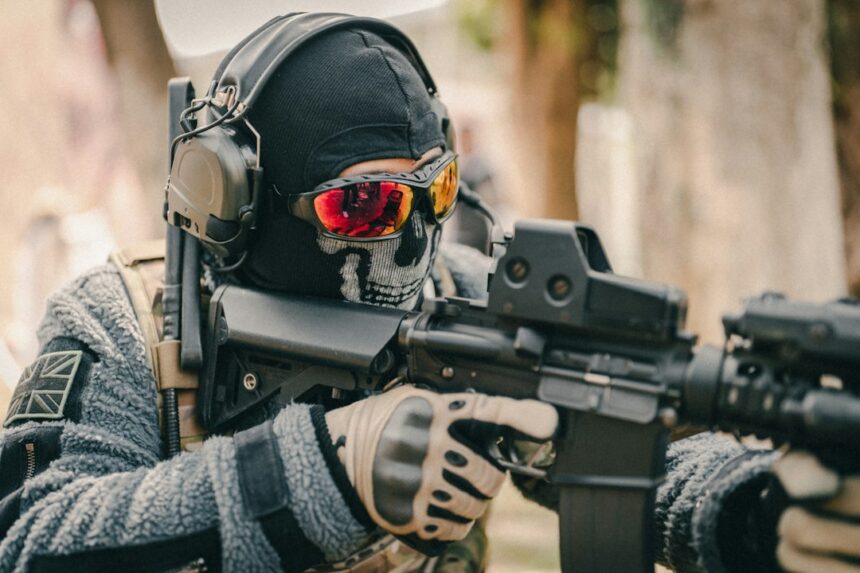
The intricate tapestry of global security often features threads woven by clandestine organizations, and among the most potent are the Central Intelligence Agency (CIA) and the Joint Special Operations Command (JSOC). While their operational theaters might seem distinct – intelligence gathering for the former, direct action for the latter – their collaboration is not merely beneficial but often indispensable for achieving complex national security objectives. This partnership, shrouded in secrecy, represents a fusion of analytical acumen and lethal capability, creating a formidable force multiplier in the shadows.
The post-9/11 era marked a significant inflection point, accelerating and deepening the relationship between the CIA and JSOC. The realization that traditional intelligence methods alone were insufficient to counter emerging asymmetric threats, coupled with the need for rapid, surgical responses to imminent dangers, necessitated a more integrated approach.
The Intelligence-Action Nexus
Prior to 9/11, while informal exchanges existed, a formalized and systematic fusion of intelligence and special operations capabilities was less common. The CIA’s role was primarily to gather, analyze, and disseminate information, while JSOC units were tasked with executing high-risk missions based on intelligence provided by various military and intelligence agencies. The attacks highlighted a critical vulnerability: the gap between knowing and acting. The imperative shifted from merely identifying threats to actively disrupting and neutralizing them with precision and speed.
Responding to Asymmetric Warfare
The rise of non-state actors, terrorist networks, and persistent insurgencies presented a unique challenge. These adversaries operated in diffuse, often ungoverned spaces, making them difficult targets for conventional military forces. Special operations forces, with their specialized training, adaptability, and capacity for clandestine operations, became crucial. However, their effectiveness was directly proportional to the quality and timeliness of the intelligence they received. This is where the CIA’s expertise in human intelligence (HUMINT), signals intelligence (SIGINT), and geospatial intelligence (GEOINT) became invaluable.
The intricate relationship between the CIA and JSOC (Joint Special Operations Command) has been a focal point in discussions about modern warfare and counterterrorism strategies. For a deeper understanding of how these two entities collaborate on special operations, you can read the insightful article available at In The War Room, which delves into their operational dynamics and the implications for national security.
The CIA’s Intelligence Contributions to JSOC Operations
The CIA’s role as the nation’s premier intelligence agency is fundamental to JSOC’s operational success. Its vast reach, deep analytical capabilities, and diverse intelligence-gathering methods provide JSOC with the actionable insights necessary to plan and execute its most sensitive missions.
Human Intelligence (HUMINT) Prowess
HUMINT remains the cornerstone of intelligence gathering for sensitive operations. CIA case officers operating deep within hostile territories cultivate sources, develop relationships, and extract critical information that often cannot be obtained through technical means. This can include identifying key enemy leadership, understanding their operational plans, mapping their logistical networks, and uncovering their intentions.
Source Development and Cultivation
The CIA invests heavily in identifying, recruiting, and managing human sources, often at great personal risk to its officers and assets. The information gleaned from these sources can provide an unparalleled level of detail and nuance, offering insights into the psychology and decision-making processes of adversaries.
In-Depth Analysis of Human Networks
Beyond individual sources, the CIA meticulously analyzes complex human networks – tribal affiliations, extremist cells, criminal organizations – to understand their dynamics, power structures, and vulnerabilities. This network analysis is crucial for identifying leverage points and potential courses of action for JSOC.
Signals Intelligence (SIGINT) and Technical Support
While HUMINT provides the human element, SIGINT offers a critical layer of technical intelligence. The CIA leverages its sophisticated technical collection capabilities to intercept communications, monitor electronic activity, and analyze digital footprints of adversaries.
Intercept and Decryption Capabilities
The ability to intercept and, where possible, decrypt communications provides a direct window into the planning and execution of terrorist or insurgent activities. This intelligence can be life-saving, enabling preemptive action against impending attacks or the capture of key operatives.
Geospatial Intelligence (GEOINT) for Targeting
GEOINT, derived from satellite imagery, aerial reconnaissance, and other sources, is vital for understanding the physical environment in which JSOC operates. This includes identifying potential targets, assessing their accessibility, mapping escape routes, and understanding the surrounding terrain.
Open-Source Intelligence (OSINT) and Predictive Analysis
In the modern era, open-source information – publically available data from the internet, social media, news reports, and academic publications – has become an increasingly valuable intelligence asset. The CIA’s analysts are adept at sifting through this vast sea of data to identify trends, predict potential threats, and unearth previously unknown connections.
Trend Identification and Threat Forecasting
By analyzing OSINT, the CIA can identify emerging ideologies, recruitment patterns, and evolving tactics of extremist groups, providing early warnings of potential threats. This proactive approach allows for preemptive measures and the development of counter-strategies.
Corroboration and Verification of Other Intel Streams
OSINT can also be used to corroborate or challenge information gathered through other intelligence disciplines, enhancing the overall accuracy and reliability of assessments provided to JSOC.
JSOC’s Operational Expertise Leveraging CIA Intelligence
JSOC, a command comprised of the most elite special operations units from all branches of the U.S. military, relies heavily on the intelligence provided by the CIA to conduct its high-stakes missions. The synergy between intelligence and action is what defines this collaboration.
Precision Strike and Direct Action Missions
The most visible aspect of JSOC’s operations is its ability to conduct precision strikes and direct action missions. These operations are often against high-value targets, requiring surgical precision to minimize collateral damage and achieve specific objectives.
Target Identification and Validation
CIA intelligence is paramount in identifying and validating the intended targets of these missions. This includes ensuring the target is who they are believed to be, confirming their location, and understanding their immediate threat level.
Mission Planning and Rehearsal
Based on CIA assessments, JSOC planners meticulously craft mission profiles. This involves developing operational timelines, ingress and egress routes, contingency plans, and rules of engagement. Detailed intelligence on the target’s environment and potential resistance is crucial for effective planning.
Counterterrorism Operations
JSOC’s counterterrorism operations are a primary focus, aimed at disrupting, degrading, and defeating terrorist organizations. The CIA’s intelligence is often the initiating spark for these operations.
Disrupting Terrorist Networks
By providing intelligence on the structure, personnel, and activities of terrorist networks, the CIA enables JSOC to dismantle these organizations, capture or eliminate key leaders, and disrupt their funding and recruitment efforts.
Preempting Attacks
The ability to anticipate and prevent terrorist attacks is a critical function of this partnership. CIA intelligence that identifies an imminent threat allows JSOC to intervene before an attack can be carried out.
Hostage Rescue and Personnel Recovery
JSOC units are frequently tasked with the high-risk, high-reward missions of rescuing hostages and recovering personnel who have been captured or gone missing in hostile territories.
Intelligence on Captive Locations and Conditions
The CIA’s intelligence gathering efforts are crucial in determining the location of hostages, understanding their conditions, and identifying the best approach for their extraction. This can involve painstaking surveillance and human source reporting.
Tactical Intelligence for Extraction
During a rescue operation, real-time intelligence provided by the CIA, often relayed through tactical intelligence specialists embedded with JSOC units, can be critical for navigating the immediate threat environment and ensuring the safe extraction of hostages.
The Operational Framework: How the Collaboration Works
The collaboration between the CIA and JSOC is not a spontaneous event but a structured process, governed by protocols and facilitated by dedicated liaison mechanisms.
Liaison Officers and Embedded Personnel
A key element of this collaboration is the presence of liaison officers from both organizations within each other’s structures. CIA officers are embedded within JSOC units, providing direct intelligence support, while JSOC liaisons work within CIA operations centers.
Real-Time Information Sharing
This embedding ensures the seamless and rapid flow of information. As intelligence is developed by the CIA, it can be immediately communicated to JSOC planners and operators, and vice-versa, allowing for agile decision-making.
Cross-Agency Understanding and Trust
The presence of embedded personnel fosters mutual understanding of each other’s capabilities, limitations, and operational cultures, building essential trust.
Joint Planning and Operational Briefings
Formal and informal joint planning sessions are a regular feature of this partnership. These meetings bring together intelligence analysts, operators, and policymakers to discuss potential threats and develop strategies.
Threat Assessments and Course of Action Development
During these briefings, CIA analysts present their latest assessments of threats, and JSOC leaders outline potential operational courses of action, leading to a collaborative approach to problem-solving.
Mission Synchronization
Effective collaboration ensures that intelligence collection efforts are synchronized with operational requirements, maximizing the impact of both intelligence gathering and direct action.
The Role of Innovation and Technology
Both organizations are at the forefront of technological innovation, and their collaboration often drives the development and deployment of new capabilities.
Advanced ISR Platforms
The CIA’s investment in advanced Intelligence, Surveillance, and Reconnaissance (ISR) platforms, coupled with JSOC’s need for near real-time data, spurs the development of cutting-edge ISR technologies.
Data Fusion and Analytics
The sheer volume of data generated by modern intelligence collection requires sophisticated data fusion and analytics capabilities. The collaboration between the CIA and JSOC pushes the boundaries of these technologies to make sense of vast datasets.
The intricate relationship between the CIA and JSOC special operations has been a topic of significant interest among military and intelligence analysts. For those looking to delve deeper into this complex dynamic, a related article can provide valuable insights into their collaborative efforts and operational strategies. You can explore more about this subject in the detailed analysis found here, which discusses the implications of their joint missions and the impact on modern warfare.
Challenges and the Future of Collaboration
| Metric | CIA Special Operations | JSOC Special Operations |
|---|---|---|
| Primary Mission | Covert intelligence gathering and paramilitary operations | Direct action, counterterrorism, and special reconnaissance |
| Operational Scope | Global, often clandestine and politically sensitive | Global, focused on high-value targets and rapid response |
| Typical Unit Size | Small teams, often under 20 operatives | Small to medium teams, 10-100 operatives depending on mission |
| Command Structure | Central Intelligence Agency, Directorate of Operations | U.S. Special Operations Command (USSOCOM), Joint Special Operations Command |
| Notable Operations | Operation Neptune Spear (initial intelligence), various covert missions | Operation Neptune Spear (direct action), Operation Gothic Serpent |
| Training Focus | Tradecraft, clandestine operations, intelligence collection | Close quarters combat, direct action, advanced tactics |
| Typical Equipment | Silenced weapons, surveillance gear, specialized communications | Advanced weaponry, night vision, tactical vehicles |
| Estimated Personnel | Classified, estimated hundreds | Several thousand across all JSOC units |
Despite its success, the collaboration between the CIA and JSOC is not without its challenges. Maintaining secrecy, navigating bureaucratic hurdles, and ensuring ethical conduct are constant concerns.
Maintaining Secrecy and Compartmentation
The highly sensitive nature of their operations necessitates rigorous adherence to secrecy and compartmentation. Leaks of information could have dire consequences for personnel and ongoing missions.
Protecting Sources and Methods
The CIA’s ability to operate effectively relies on the protection of its sources and methods. This requires careful management of information shared with JSOC, ensuring that operational security is paramount.
Managing Information Flow
Balancing the need for timely information sharing with the imperative of secrecy is a delicate act. Protocols and clearances are in place to manage this flow effectively.
Interagency Coordination and Bureaucratic Hurdles
While the CIA and JSOC have a well-established partnership, navigating the broader interagency environment can sometimes present challenges, requiring effective communication and coordination with other government departments and agencies.
Overcoming Silos
Ensuring that intelligence and operational planning are not confined to separate bureaucratic silos is an ongoing effort, requiring continuous dialogue and collaboration across different branches of government.
Resource Allocation and Prioritization
Determining resource allocation and prioritization for joint operations can sometimes be complex, requiring careful consideration of national security priorities and the capabilities of each organization.
Ethical Considerations and Oversight
The nature of their missions raises significant ethical considerations, and robust oversight mechanisms are in place to ensure that operations are conducted legally and ethically.
Accountability and Transparency (within classified parameters)
While operational details remain classified, there are established chains of command and oversight bodies responsible for ensuring accountability and adherence to ethical standards.
Adapting to Evolving Threats
As global threats continue to evolve, the collaboration between the CIA and JSOC must also adapt. This requires a constant re-evaluation of strategies, technologies, and operational approaches.
The partnership between the CIA and JSOC represents a critical component of America’s national security apparatus. It is a testament to the power of integrated intelligence and action, a force multiplier that operates in the shadows to protect the nation and its interests. The future of this collaboration will undoubtedly be shaped by the ever-changing global landscape, but its core imperative – to identify, understand, and neutralize threats with precision and speed – will remain.
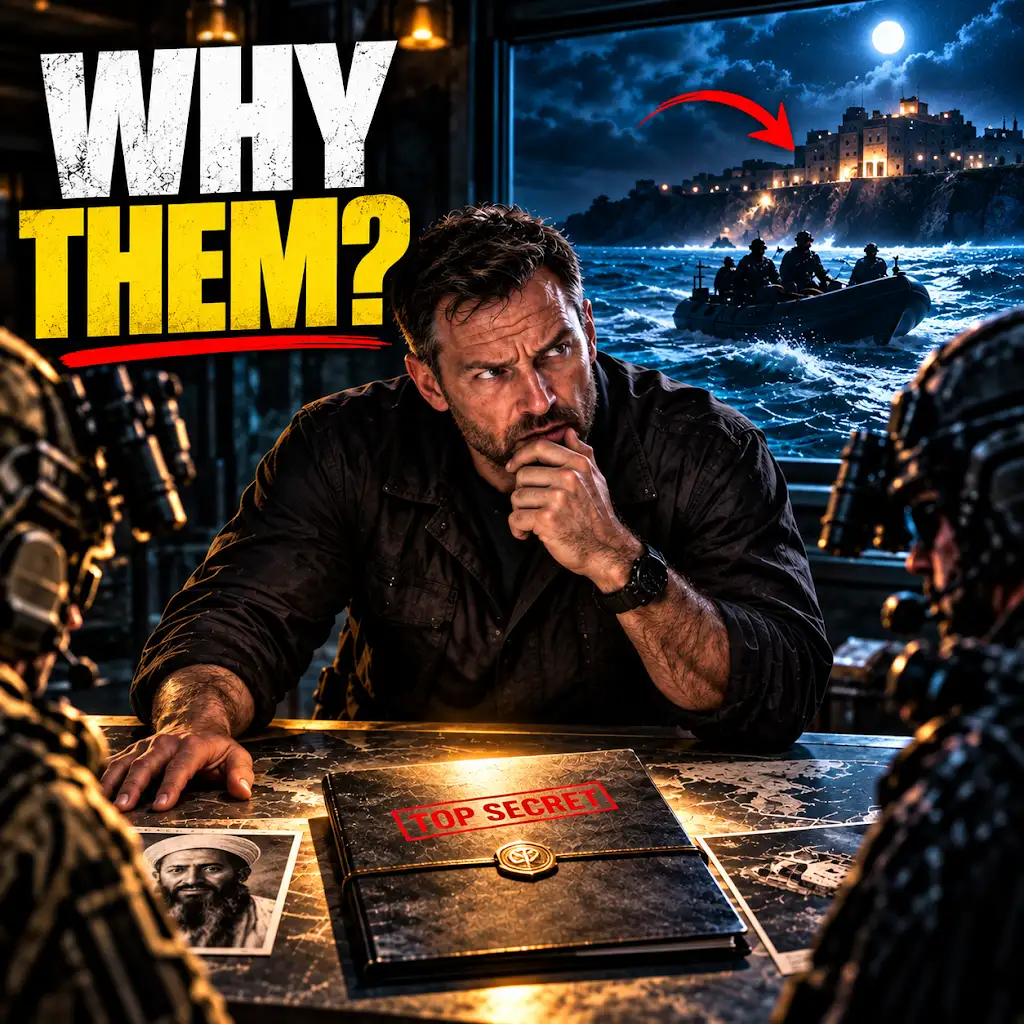
Why SEAL Team Six Got the Bin Laden Raid — Not Delta Force
FAQs
What is the CIA?
The CIA, or Central Intelligence Agency, is a civilian foreign intelligence service of the federal government of the United States, tasked with gathering, processing, and analyzing national security information from around the world.
What is JSOC?
JSOC, or Joint Special Operations Command, is a component command of the United States Special Operations Command (USSOCOM) and is charged with overseeing the Special Mission Units of the U.S. military.
What are special operations?
Special operations are military activities conducted by specially designated, organized, trained, and equipped forces using operational techniques and modes of employment not standard to conventional forces.
How do the CIA and JSOC work together in special operations?
The CIA and JSOC often collaborate on special operations missions, with the CIA providing intelligence and JSOC providing the operational capabilities to carry out missions such as counterterrorism operations, hostage rescues, and intelligence gathering.
What are some examples of CIA and JSOC special operations?
Some well-known examples of CIA and JSOC special operations include the raid that killed Osama bin Laden in Pakistan in 2011, the capture of Saddam Hussein in Iraq in 2003, and the rescue of Jessica Buchanan in Somalia in 2012.