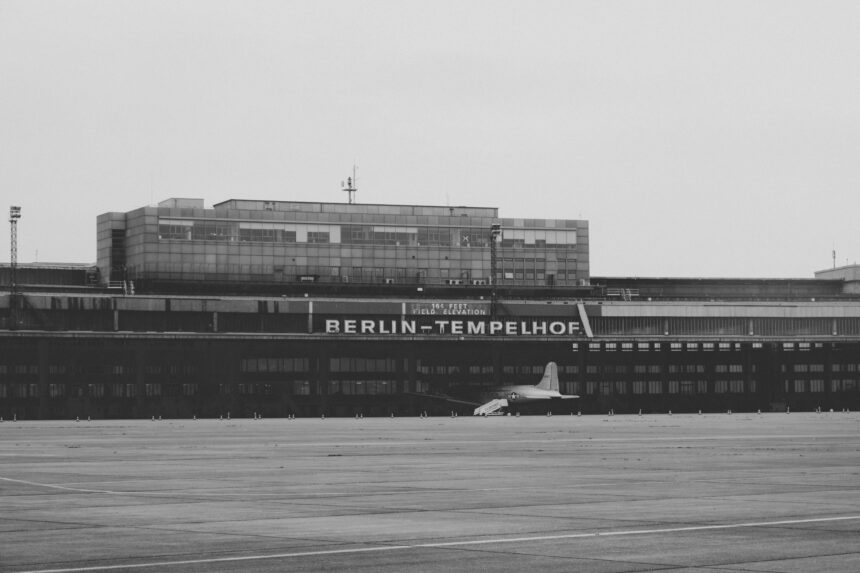
The Berlin Airlift, a monumental feat of logistics and a profound demonstration of Western resolve, stands as a pivotal moment in the early Cold War. From June 1948 to May 1949, the Allied powers, primarily the United States and Great Britain, orchestrated a massive aerial resupply operation to sustain the beleaguered population of West Berlin. This extraordinary humanitarian effort, born out of a geopolitical crisis, not only prevented the starvation and capitulation of millions but also cemented the division of Germany and served as a stark warning to Soviet expansionism.
The seeds of the Berlin Airlift were sown in the ashes of World War II. Following Germany’s defeat, the victorious Allied powers – the United States, Great Britain, France, and the Soviet Union – divided the nation and its capital, Berlin, into four occupation zones. Berlin, however, lay deep within the Soviet zone, creating an isolated Western enclave accessible only by land and air routes that traversed Soviet-controlled territory. This precarious arrangement, agreed upon in the immediate post-war euphoria, soon became a focal point of escalating ideological tensions.
Post-War Germany: A Divided Landscape
- The Four Zones: The Potsdam Agreement of 1945 formalized the division of Germany into four occupation zones. Each Allied power assumed administrative responsibility for its respective zone, aiming to demilitarize and denazify the country and prepare it for eventual self-governance.
- Berlin’s Unique Predicament: The fate of Berlin was particularly complex. As the capital, it was also divided into four sectors. However, its geographical isolation within the Soviet zone meant that the Western sectors were entirely dependent on Soviet goodwill for access. This inherent vulnerability would soon be exploited.
- The Ideological Divide: The initial cooperation between the wartime allies quickly fractured as the Cold War began to take shape. The Soviet Union, determined to establish a communist buffer zone in Eastern Europe, clashed with the Western powers’ commitment to democracy and free markets. Germany, and particularly Berlin, became a microcosm of this intensifying ideological struggle.
Growing Tensions and the Currency Reform
By 1948, the division between the Soviet Union and the Western Allies had become irreparable. Disagreements over economic policies, reparations, and the future political structure of Germany fueled mistrust and animosity. The Western Allies, seeking to stabilize the economy of their zones and lay the groundwork for a unified West German state, decided to introduce a new currency, the Deutsche Mark, into their sectors of Germany and West Berlin on June 20, 1948. This decision, implemented without Soviet consultation, was viewed by Moscow as a direct challenge to its authority and a betrayal of wartime agreements.
- The Deutsche Mark: A Catalyst for Conflict: The introduction of the Deutsche Mark was intended to combat rampant inflation and the thriving black market that plagued post-war Germany. However, the Soviets saw it as an attempt to integrate West Germany economically into the Western sphere, further solidifying the division they opposed.
- Soviet Response: The Blockade: In retaliation for the currency reform and as a means to exert pressure on the Western Allies, the Soviet Union announced its intention to halt all traffic – rail, road, and canal – into West Berlin. This blockade, which went into effect on June 24, 1948, was a calculated move to force the Western powers to abandon their plans for West Germany and to cede control of Berlin to Soviet influence.
The Berlin Airlift of 1948 was a pivotal moment in Cold War history, showcasing the determination of the Western Allies to support West Berlin amidst a Soviet blockade. For a deeper understanding of the events surrounding this significant operation, you can explore a related article that delves into the strategic implications and humanitarian efforts involved during this critical period. To read more, visit this article.
The Soviet Blockade: Strangling a City
The Soviet blockade was a bold and aggressive maneuver designed to starve West Berlin into submission. By cutting off all land and water access, the Soviets aimed to isolate the city’s roughly two million inhabitants and demonstrate the futility of Western presence. The implications were dire: without food, fuel, and essential supplies, the population of West Berlin faced starvation and a bleak future. The Western Allies were confronted with a stark choice: abandon Berlin, risking a significant blow to their credibility and potentially triggering further Soviet aggression, or find an alternative means to supply the city.
The Stakes: A City on the Brink
- Humanitarian Catastrophe: The immediate consequence of the blockade was the looming threat of widespread famine. West Berlin relied heavily on external supplies for its basic needs. With food reserves dwindling, the specter of mass starvation became a terrifying reality.
- Geopolitical Implications: The failure to support West Berlin would have been interpreted as a sign of weakness by the Soviet Union and its allies. It could have emboldened Moscow to exert similar pressure on other vulnerable Western outposts, potentially leading to a domino effect of Soviet expansionism in Europe.
- The Test of Western Resolve: The blockade presented a critical test for the nascent alliance between the United States, Great Britain, and France. Their ability to respond effectively would shape the future of the Cold War and their standing on the global stage.
The Soviet Ultimatum: A Game of Leverage
The Soviet Union’s actions were not merely reactive; they were a strategic gambit to leverage the situation in their favor. By creating an untenable situation in West Berlin, they hoped to:
- Force Concessions: The Soviets aimed to compel the Western Allies to abandon their plans for West Germany and to negotiate a unified, neutralized Germany under Soviet influence.
- Undermine Western Unity: They sought to sow discord among the Western Allies, hoping that the immense logistical and political burden of supplying Berlin would prove too much for them to bear.
- Demonstrate Soviet Power: The blockade was also a demonstration of Soviet resolve and its willingness to use coercive tactics to achieve its objectives.
The “Raisin Bomber” Operation: A Lifeline from the Sky

Faced with the unyielding Soviet blockade and the dire humanitarian crisis unfolding in West Berlin, the Western Allies made a historic decision: to supply the city entirely by air. What began as a tentative plan to provide emergency rations quickly escalated into an unprecedented logistical undertaking, codenamed “Operation Vittles” by the Americans and “Operation Plainfare” by the British. This aerial lifeline, which became affectionately known as the “Rosinenbomber” (Raisin Bomber) by the Berliners, was a testament to human ingenuity, courage, and unwavering determination.
The Birth of Operation Vittles/Plainfare
The idea of an airlift was not new, but its scale and duration were unprecedented. Initial discussions focused on the feasibility of flying in essential supplies like flour and coal. However, as the blockade persisted and the needs of the city grew, the scope of the operation expanded exponentially. The key challenges were immense: transporting millions of tons of goods, coordinating a constant stream of aircraft, and ensuring the safety and efficiency of air corridors.
- Logistical Puzzles: The primary challenge was to calculate the exact tonnage of supplies needed daily for the survival of over two million people. This included food, coal for heating and industry, medicine, and all other essential goods.
- Air Corridor Management: The three air corridors granted to the Western Allies by the Soviet Union were narrow and heavily trafficked. Maintaining order and preventing mid-air collisions became a critical aspect of the operation.
- Aircraft and Personnel: The Allies mobilized a vast fleet of aircraft, including American C-47 Skytrains and C-54 Skymasters, and British Dakotas and Yorks. Thousands of pilots, mechanics, air traffic controllers, and ground crew worked tirelessly to keep the planes flying.
The Scale of the Operation: A Symphony of Engines
The Berlin Airlift was a logistical marvel. At its peak, hundreds of aircraft were in the air at any given moment, landing and taking off from Berlin’s airports at incredibly short intervals. The constant drone of engines became a familiar soundtrack to the lives of West Berliners, a symbol of hope and resilience.
- Daily Tonnage: The initial targets for daily supply were modest, but they quickly increased. By the spring of 1949, the airlift was delivering an average of over 8,000 tons of supplies per day.
- Frequency of Flights: At the height of the operation, aircraft were landing and taking off in Berlin every few minutes. This required meticulous scheduling and exceptional flying skills.
- Types of Cargo: The cargo was diverse, ranging from basic foodstuffs like flour, potatoes, and dried milk to vital commodities like coal, medicine, and even spare parts for essential industries.
The Human Element: Pilots, Mechanics, and Berliners
Beyond the sheer numbers and logistical prowess, the Berlin Airlift was defined by the human stories of courage and sacrifice. Pilots braved challenging weather and the constant threat of Soviet interference. Mechanics worked around the clock to keep the aging aircraft operational. And the people of West Berlin, enduring immense hardship, maintained a remarkable spirit of defiance and gratitude.
- The “Candy Bombers”: One of the most enduring images of the airlift is that of pilots dropping small packages of candy attached to handkerchief parachutes for the children of Berlin. This simple act of kindness, initiated by pilot Gail Halvorsen, became a powerful symbol of goodwill and the humanitarian spirit of the operation.
- Berliners’ Resilience: The people of West Berlin endured severe rationing, power outages, and the constant anxiety of their precarious situation. Yet, they met the challenge with remarkable stoicism, working in vital industries and expressing their unwavering support for the airlift.
- The Sacrifice of Allied Personnel: The airlift was not without its dangers. Accidents did occur, and some Allied personnel lost their lives in the line of duty, a stark reminder of the risks involved in this vital mission.
The Mechanics of Mercy: Airports, Aircraft, and Logistics
The success of the Berlin Airlift hinged on the efficient operation of its key components: the airports, the aircraft, and the complex logistical network that supported them. The Allies had to maximize the use of existing infrastructure and adapt their aircraft for the unique demands of constant, heavy-duty transport.
The Airports of the Airlift
Two primary airports served as the gateways for the airlift into West Berlin: Tempelhof in the American sector and Gatow in the British sector. Tegel, an airfield in the French sector, was also brought into service later in the operation to alleviate congestion. These airports became the bustling hubs of the aerial supply line.
- Tempelhof: The Iconic Hub: Tempelhof Airport, with its distinctive terminal building, became the most iconic symbol of the airlift. Its strategic location and ample capacity made it the primary landing and unloading point for a significant portion of the Allied aircraft.
- Gatow’s Crucial Role: Gatow, a smaller but vital airport, played a critical role in the British contribution to the airlift, handling a substantial volume of cargo and passengers.
- Tegel’s Expansion: As the airlift intensified, Tegel Airport was expanded and upgraded to handle the increasing traffic, further enhancing the capacity of the operation.
The Aircraft of the Airlift: Workhorses of the Sky
The backbone of the airlift was a diverse fleet of transport aircraft, primarily from the United States Air Force and the Royal Air Force. These planes, often aging but reliable, were pushed to their limits, flying countless sorties in all weather conditions.
- American C-54 Skymaster: This four-engine heavy transport aircraft became the workhorse of the American airlift. Its substantial cargo capacity and reliability made it indispensable for carrying bulk goods like coal and flour.
- American C-47 Skytrain (Dakota): A smaller but still vital twin-engine transport, the C-47 was used for lighter cargo and for ferrying personnel. It was a ubiquitous sight throughout the war and continued its service in Berlin.
- British Avro York and Handley Page Halifax: These British aircraft, adapted from bomber designs, also played significant roles in the airlift, contributing to the overall tonnage delivered to the city.
The Unseen Network: Ground Crews and Air Traffic Control
The smooth functioning of the airlift relied heavily on the dedication and expertise of thousands of ground crews and air traffic controllers. These individuals worked tirelessly behind the scenes to ensure that aircraft were loaded and unloaded efficiently, that runways were maintained, and that air traffic was managed with precision.
- Loading and Unloading: Teams of workers, often Berliners themselves, worked in shifts to load and unload aircraft rapidly, minimizing turnaround times.
- Maintenance and Repair: Aircraft required constant maintenance and repair. Mechanics worked around the clock, often in harsh weather conditions, to keep the planes airworthy.
- Air Traffic Control: The complex coordination of hundreds of aircraft in the narrow air corridors required highly skilled air traffic controllers who managed takeoffs, landings, and flight paths with exceptional precision.
The Berlin Airlift of 1948 was a pivotal moment in Cold War history, showcasing the determination of the Western Allies to support West Berlin amidst Soviet blockades. For a deeper understanding of the geopolitical implications and the logistics behind this monumental operation, you can explore a related article that delves into the strategic decisions made during this crisis. This insightful piece can be found here, offering a comprehensive overview of the challenges faced and the eventual success of the airlift.
The End of the Blockade and Its Lasting Legacy
| Aspect | Details |
|---|---|
| Duration | June 24, 1948 – May 12, 1949 |
| Background | Soviet Union blockaded West Berlin, cutting off supplies |
| Response | Western Allies organized airlift to supply West Berlin |
| Flights | Over 200,000 flights delivering food, fuel, and supplies |
| Success | Blockade lifted in May 1949 |
The Soviet blockade, which had paralyzed West Berlin for nearly a year, eventually proved to be an unsustainable and politically damaging tactic for Moscow. The unwavering resolve of the Western Allies, coupled with the immense logistical success of the airlift, forced the Soviet Union to reconsider its strategy. On May 12, 1949, the Soviets lifted the blockade, marking a significant victory for the West and a testament to the power of humanitarian action in the face of political aggression.
The Lifting of the Blockade: A Moment of Triumph
The decision to lift the blockade was not a sudden capitulation but rather a pragmatic assessment of the situation by the Soviet leadership. The airlift had proven to be a remarkably effective countermeasure, undermining the very purpose of the blockade. Furthermore, the international condemnation of Soviet actions and the unwavering support for West Berlin had created significant diplomatic pressure.
- Soviet Realization: The Soviets realized that their blockade had failed to achieve its primary objective of forcing the Western Allies out of Berlin. Instead, it had galvanized Western resolve and generated widespread sympathy for the beleaguered city.
- A Diplomatic Stalemate: The airlift had effectively neutralized the effectiveness of the blockade, leading to a diplomatic stalemate. The Soviets, unable to achieve their goals through coercion, opted to de-escalate.
- May 12, 1949: The official lifting of the blockade on May 12, 1949, was met with widespread jubilation in West Berlin and across the Western world. It was a day of profound relief and a reaffirmation of freedom and resilience.
The Legacy of the Airlift: Shaping the Cold War
The Berlin Airlift had profound and lasting consequences that shaped the trajectory of the Cold War and international relations. It solidified the division of Germany, cemented the commitment of the Western Allies to the defense of Europe, and demonstrated the effectiveness of air power as a tool of humanitarian aid and political deterrence.
- The Division of Germany Solidified: The airlift unequivocally demonstrated that West Berlin would remain a part of the Western sphere, effectively sealing the fate of Germany’s division into two distinct states: the Federal Republic of Germany (West Germany) and the German Democratic Republic (East Germany).
- NATO’s Formation: The perceived threat posed by the Soviet Union, as highlighted by the blockade, was a significant catalyst for the formation of the North Atlantic Treaty Organization (NATO) in April 1949. This military alliance committed Western nations to mutual defense against Soviet aggression.
- A Symbol of Western Resolve and Humanitarianism: The airlift became an enduring symbol of Western commitment to democratic values and its willingness to undertake extraordinary humanitarian efforts in the face of adversity. It demonstrated that the West would not abandon its allies or principles.
- The Dawn of the Airlift Era: The success of the Berlin Airlift proved the viability of large-scale aerial resupply operations, paving the way for future humanitarian missions and military logistics conducted by air. It forever changed the perception of what was possible through air transport.
Remembering the Airlift: A Story of Courage and Hope
The Berlin Airlift remains etched in history as a remarkable testament to human courage, ingenuity, and the enduring power of hope. The stories of the pilots, the ground crews, and the resilient people of Berlin continue to inspire, serving as a powerful reminder of what can be achieved when nations unite for a common cause, especially in the face of oppression. The “Rosinenbomber” continues to be a beloved symbol of that historic endeavor, a reminder that even in the darkest of times, acts of kindness and determination can bring light and sustenance.

How 90 Seconds Kept 2 Million People Alive
FAQs
What was the Berlin Airlift 1948?
The Berlin Airlift was a massive operation conducted by the Western Allies to supply West Berlin with food, fuel, and other necessities after the Soviet Union blockaded the city in 1948.
Why did the Soviet Union blockade West Berlin?
The Soviet Union blockaded West Berlin in an attempt to force the Western Allies to abandon the city and give up their control over West Germany. The blockade was a response to the introduction of a new currency in West Germany, which the Soviet Union saw as a threat to their influence in the region.
How long did the Berlin Airlift last?
The Berlin Airlift lasted for 11 months, from June 1948 to May 1949. During this time, Western Allied forces flew in over 2.3 million tons of supplies to West Berlin.
What was the significance of the Berlin Airlift?
The Berlin Airlift was a major Cold War event that demonstrated the determination of the Western Allies to support West Berlin and resist Soviet aggression. It also solidified the division of Germany into East and West, leading to the eventual formation of East and West Germany.
How did the Berlin Airlift come to an end?
The Berlin Airlift came to an end in May 1949 when the Soviet Union lifted the blockade after realizing that the Western Allies were committed to supplying West Berlin by air. This marked a significant victory for the Western Allies and a turning point in the early stages of the Cold War.