The winter of 1944-1945 descended upon Europe with a chilling finality. For years, the continent had been a cauldron of conflict, and as the Allied forces pressed eastward, victory seemed within grasp. Yet, in the dense, snow-laden forests of the Ardennes, a desperate gamble by Adolf Hitler would unleash one of the most brutal and unexpected offensives of the war. This was the Battle of the Bulge, a colossal clash that would not only test the mettle of soldiers on the front lines but also highlight the distinct, and at times strained, leadership styles of the two most prominent Allied commanders in the European theater: Dwight D. Eisenhower and Bernard Montgomery.
The Calm Before the Storm: Strategic Landscape and Pre-War Tensions
The Allied advance into Germany in late 1944 had been meteoric. Following the D-Day landings and the subsequent liberation of France, the Western Allies, spearheaded by the American First and Third Armies and the British Second Army, pushed relentlessly towards the Rhine. However, their momentum had begun to falter. Supply lines were stretched thin, and the German forces, though battered, were still capable of fierce resistance. In the Ardennes, a region of rolling hills and thick forests, a relatively quiet sector of the front was held by American troops, deemed less experienced by some, a strategic oversight that Hitler would exploit with devastating effect.
Eisenhower’s Strategic Vision: A Unified Command
Dwight D. Eisenhower, as Supreme Allied Commander, bore the immense responsibility of orchestrating the Allied war effort across multiple fronts. His leadership was characterized by a pragmatic, diplomatic approach, focused on maintaining unity among the diverse Allied forces. He understood that disparate national ambitions and personalities could easily fracture the coalition. Eisenhower favored a broad strategic vision, allowing his subordinate commanders significant latitude in executing their operational plans. His primary concern was the ultimate defeat of Germany, and he was willing to delegate and trust his generals to achieve this objective.
Montgomery’s Operational Acumen: The “Desert Fox” in the West
Bernard Montgomery, a veteran of campaigns in North Africa and Italy, commanded the 21st Army Group, comprising British, Canadian, and Polish forces, as well as significant American contingents in the north of the Western Front. Known for his meticulous planning, his almost paternalistic concern for his troops, and a sometimes imperious demeanor, Montgomery was a brilliant tactician. However, his relationship with some American commanders, including Eisenhower, had been marked by friction. Their differing approaches to command and strategy, particularly concerning the speed and direction of the advance, had created underlying tensions. Montgomery often favored a more methodical, all-out assault, whereas Eisenhower, particularly after the costly Operation Market Garden, was more inclined to a broader, coordinated advance.
The Battle of the Bulge, a pivotal moment in World War II, saw key military leaders like General Dwight D. Eisenhower and Field Marshal Bernard Montgomery play crucial roles in the Allied response to the German offensive. For a deeper understanding of the strategic decisions made during this critical battle, you can explore a related article that delves into the complexities of their leadership styles and the impact of their decisions on the outcome of the war. To read more, visit this article.
The German Offensive: Operation Wacht am Rhein
On December 16, 1944, under the cloak of fog and snow, the German Sixth Panzer Army, SS Panzer Corps, and Fifth Panzer Army launched a surprise offensive through the Ardennes. The assault was designed to punch through Allied lines, seize the vital port of Antwerp, and divide the Allied forces. The element of surprise was complete. American troops, caught off guard and vastly outnumbered in key sectors, reeled under the onslaught. The initial German gains were spectacular, creating a deep “bulge” in the Allied front line.
The Shock and the Response: Initial Disarray
The ferocity and speed of the German attack initially threw the Allied command structure into disarray. Reports of breakthroughs and collapsing defenses flooded into Eisenhower’s headquarters. His immediate concern was to contain the penetration and prevent a catastrophic breach of the Allied lines. The fluidity of the situation demanded swift and decisive action.
Hitler’s Last Desperate Gamble
For Hitler, this offensive was a Hail Mary pass, a desperate attempt to reverse the tide of the war. He believed that by delivering a decisive blow to the Western Allies, he could sow discord among them, potentially leading to a separate peace that would allow Germany to concentrate its remaining forces on the Eastern Front. The audacity of the plan was matched only by the desperation that fueled it.
Eisenhower’s Crisis Management: Holding the Line
Upon receiving the initial alarming reports, Eisenhower’s leadership was put to the ultimate test. He understood the gravity of the situation and the potential for a strategic disaster. His response was characterized by swift decision-making, a willingness to redeploy forces, and a steadfast refusal to panic.
The Strategic Readjustment: Redeploying Reserves
Eisenhower’s first priority was to halt the German advance. He immediately ordered the American Ninth Army, which had been in reserve, to reinforce the northern shoulder of the bulge. Crucially, he also ordered the redeployment of the American Third Army and the British Second Army to counter the German thrust. This involved complex logistical maneuvers and a willingness to interrupt ongoing operations.
The Bastogne Stand: A Symbol of Resistance
One of the most iconic moments of the battle was the defense of Bastogne, a vital road junction. The surrounded American 101st Airborne Division, famously replying “Nuts!” to a German surrender demand, became a symbol of tenacious resistance. Eisenhower recognized the strategic and symbolic importance of Bastogne and ensured that every effort was made to relieve the besieged garrison. His communication with General McAuliffe, the acting commander of the 101st, reinforced the unwavering commitment to holding the town.
The Broader Allied Coordination
Eisenhower’s genius lay in his ability to coordinate the efforts of vast and diverse armies. While the brunt of the fighting fell on American forces, he ensured that British and Canadian units were available to plug gaps and launch counter-offensives. His constant communication with his field commanders, even amidst the chaos, was crucial in maintaining a coherent response.
Montgomery’s Moment: The Northern Front and the Counter-Offensive
As the battle raged, Bernard Montgomery found himself in a critical position, responsible for the northern sector of the Ardennes salient. His forces, though initially less directly impacted by the initial German breakthrough, were instrumental in containing the German advance and launching counter-attacks.
Taking Command of the Northern Front
When the German offensive began, Montgomery, in his characteristic style, quickly asserted his authority over the northern sector. He was instrumental in reorganizing the American Ninth Army and preparing it for its crucial role in stemming the German advance. His presence on the front lines, visible and commanding, provided a sense of order and reassurance to the troops.
The Battle of the Ourthe and the Advance North
Montgomery’s forces played a pivotal role in preventing the German Sixth Panzer Army from achieving its objective of reaching Antwerp. The fierce fighting along the Ourthe River and the subsequent Allied counter-offensives north of the bulge were critical in blunting the German spearhead. His methodical approach, while sometimes criticized for its perceived slowness, ensured that his troops were well-prepared and supplied for their offensives.
The Controversial Meeting at Divisional Headquarters
A defining moment that highlighted the dynamic between Eisenhower and Montgomery occurred during the battle. In a hastily arranged meeting at a British divisional headquarters, Montgomery, in an attempt to clarify command arrangements and assert his leadership in the north, presented a plan that some interpreted as undermining Eisenhower’s supreme command. While the exact nuances of the exchange remain debated by historians, it revealed the underlying tensions and Montgomery’s assertive nature even within Eisenhower’s overall command structure. Eisenhower, while acknowledging Montgomery’s capabilities, ultimately reaffirmed his own supreme authority.
The Battle of the Bulge was a pivotal moment in World War II, showcasing the contrasting leadership styles of General Dwight D. Eisenhower and Field Marshal Bernard Montgomery. Their strategic decisions during this intense winter campaign had lasting implications for the Allied forces. For a deeper understanding of the dynamics between these two military leaders, you can explore a related article that delves into their differing approaches and the overall impact on the war effort. To read more about this fascinating topic, visit this article.
The Climax and the Aftermath: Pushing Back the Tide
The Battle of the Bulge raged for nearly six weeks, a brutal attritional struggle in brutal conditions. Allied forces, initially caught by surprise, gradually regained the initiative. The sheer weight of Allied manpower and matériel, combined with increasingly effective German resistance, began to wear down the attackers.
The Relief of Bastogne and the German Retreat
The relief of Bastogne by General Patton’s Third Army on December 26th marked a turning point. With the German salient contained, Allied forces began to push back, squeezing the bulge from both the north and the south. The German offensive, starved of fuel and with its objectives unattainable, was forced into a slow and costly retreat.
The High Cost of Victory
The Battle of the Bulge came at a staggering human cost. Both sides suffered immense casualties. For the Americans, it was the costliest battle of World War II, with over 80,000 killed, wounded, or missing. The battle underscored the resilience and fighting spirit of the American soldier, who, despite the initial shock, ultimately held the line and pushed back the enemy.
The Impact on Allied Strategy
The Battle of the Bulge had significant strategic implications. It was Hitler’s last major offensive on the Western Front, a costly gamble that depleted Germany’s remaining resources and manpower. While it temporarily disrupted the Allied advance, it ultimately hastened Germany’s defeat. For Eisenhower, the battle was a testament to his ability to manage a crisis and maintain unity among diverse forces. For Montgomery, it was a demonstration of his tactical prowess and his unwavering commitment to his troops.
Legacies of Leadership: Eisenhower vs. Montgomery
The Battle of the Bulge remains a significant case study in military leadership, particularly in the context of Allied command. The differing styles of Eisenhower and Montgomery, while occasionally creating friction, ultimately served the Allied cause effectively.
Eisenhower’s Unified Command Philosophy
Eisenhower’s success lay in his ability to foster a spirit of cooperation and mutual respect among his commanders. He understood that the ultimate goal was the defeat of the enemy, and he was willing to navigate the egos and ambitions of his generals to achieve this. His vision of a unified Allied command, though not without its challenges, proved to be a crucial factor in Allied victory.
Montgomery’s Methodical Brilliance
Montgomery, with his meticulous planning and direct command style, was a formidable battlefield leader. His concern for his soldiers and his strategic acumen were undeniable. While his interactions with other Allied commanders could be prickly, his contributions to the war effort, particularly during the Ardennes campaign, were immense. The Battle of the Bulge showcased both his strengths and the complexities of his personality within the broader Allied command structure.
The Battle of the Bulge, a brutal and bloody chapter in World War II, served as a crucible for the Allied leadership. Dwight D. Eisenhower’s steady hand and strategic vision, coupled with Bernard Montgomery’s tactical brilliance and unwavering resolve, were instrumental in overcoming Hitler’s final desperate offensive. The Ardennes avalanche, though a shock to the system, ultimately solidified Allied determination and paved the way for the final victory in Europe. The contrasting styles of these two titans of war, while sometimes a source of tension, ultimately demonstrated the diverse qualities needed to lead a coalition to triumph against overwhelming odds.
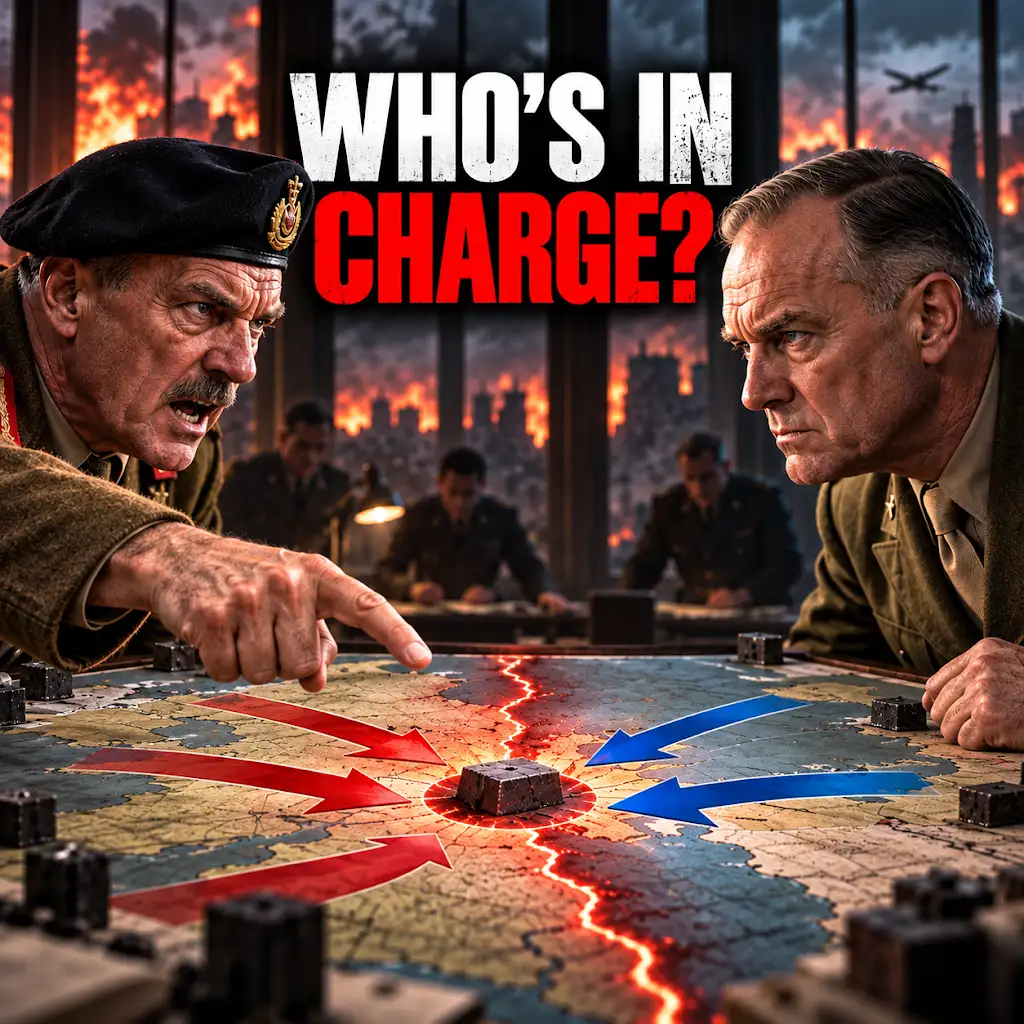
Eisenhower Gave Montgomery 2 U.S. Armies—Then He Wanted More
FAQs

What was the Battle of the Bulge?
The Battle of the Bulge was a major German offensive campaign launched through the Ardennes region in Belgium and Luxembourg during World War II.
Who were the key military leaders involved in the Battle of the Bulge?
The key military leaders involved in the Battle of the Bulge were General Dwight D. Eisenhower, the Supreme Commander of the Allied Expeditionary Force, and General Bernard Montgomery, the commander of the British 21st Army Group.
What were the strategies employed by Eisenhower and Montgomery during the Battle of the Bulge?
Eisenhower focused on maintaining a flexible defense and reinforcing key positions, while Montgomery advocated for a concentrated counterattack to push back the German forces.
How did the Battle of the Bulge impact the outcome of World War II?
The Battle of the Bulge resulted in heavy casualties on both sides, but ultimately the Allies were able to repel the German offensive and continue their advance towards Germany, leading to the eventual defeat of Nazi Germany.
What were the key differences in approach between Eisenhower and Montgomery during the Battle of the Bulge?
Eisenhower favored a more defensive and flexible approach, while Montgomery pushed for a more aggressive and concentrated counterattack strategy. Their differing approaches led to some tensions and disagreements during the battle.