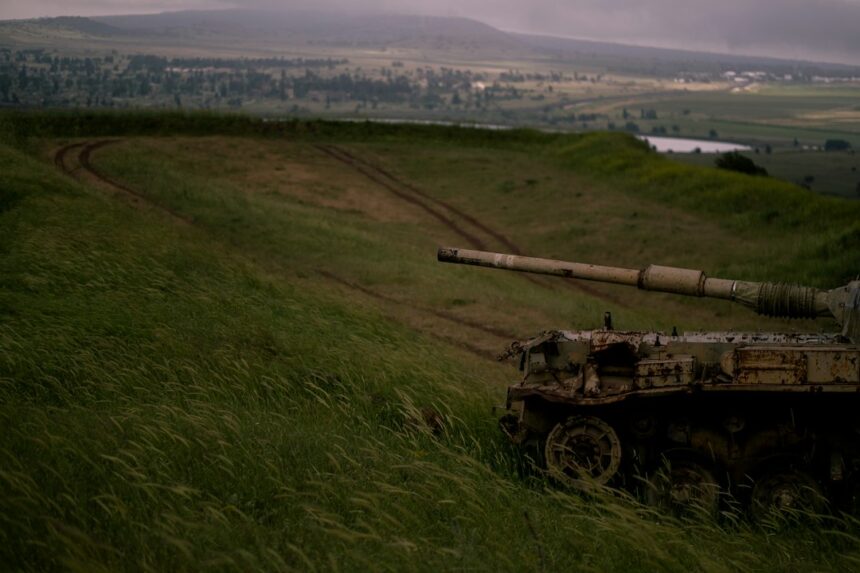
The harsh winter winds of the Ardennes still whisper tales of courage, desperation, and the brutal clash that would define the final, desperate gambit of World War II. “The Battle of the Bulge: A WWII Documentary” offers a profound and unflinching look into this pivotal campaign, transporting viewers back to the frozen forests and snow-laden villages where the fate of Europe hung precariously in the balance. This documentary is not merely a recitation of facts and figures; it is an immersive experience, meticulously crafted to convey the human cost of this monumental conflict. Through expert analysis, rare archival footage, and poignant personal testimonies, the film reconstructs the audacious German offensive, the bewildered American defense, and the harrowing struggle that ensued.
The documentary opens by setting the stage for Operation Wacht am Rhein, the German codename for the Ardennes Offensive. Viewers are drawn into the strategic thinking, the audacious planning, and the sheer desperation that fueled Hitler’s final, high-stakes gamble.
The Shifting Tides of War
The narrative skillfully illustrates how the momentum of the war had irrevocably shifted by late 1944. Allied forces were pushing relentlessly on multiple fronts, and Germany’s resources were visibly dwindling. This section of the documentary underscores the profound sense of impending defeat within the Nazi leadership, a realization that spurred the drastic and unexpected counteroffensive. Experts explain how the overwhelming Allied air superiority and the depletion of German oil reserves made such a large-scale operation seem almost impossible, yet it was precisely this perceived impossibility that made it so potentially devastating. The documentary highlights the immense psychological pressure on Hitler, who saw the Ardennes as his last chance to turn the tide, to sow discord among the Allied powers, and to force a negotiated peace on German terms.
The Element of Surprise: A Masterstroke of Deception
A significant portion of the initial segment is dedicated to the meticulous planning and execution of the element of surprise. The documentary meticulously details how German forces, disguised and moving under the cover of darkness and adverse weather conditions, were able to mass an unprecedented number of troops and armor in the Ardennes forest, a sector considered by the Allies to be quiet and relatively safe. The film contrasts the complacency of the Allied command, who believed the Germans were on the defensive and largely spent, with the feverish preparations of their adversaries. The documentary emphasizes the brilliance of the deception, from troop movements to false radio transmissions, which effectively blinded Allied intelligence and created a perfect storm for the offensive. This highlights the critical role of intelligence gathering and analysis in warfare, and the catastrophic consequences of its failure.
The Objectives: Breaking the Allied Line
The strategic objectives of the offensive are clearly articulated. The documentary explains Hitler’s ambitious plan: to drive a wedge between the British and American forces, capture the vital port of Antwerp, and thereby sever Allied supply lines, forcing a retreat or a negotiated peace. This ambitious goal, bordering on the delusional given the circumstances, is presented as a testament to the Nazi regime’s unyielding belief in their ability to achieve the impossible. The documentary explores the psychological warfare aspect of this objective, aiming to shatter Allied morale and sow doubt in their ultimate victory. The hope was that a decisive blow would demoralize the Western Allies, potentially leading to a peace treaty that would allow Germany to focus its remaining forces on the Eastern Front against the Soviet Union.
For those interested in a deeper understanding of the pivotal events during World War II, particularly the Battle of the Bulge, a related article can be found on In The War Room. This article provides an in-depth analysis of the strategies employed by both the Allied and Axis forces during this crucial winter offensive. To explore this insightful resource, visit In The War Room.
The Storm Breaks: The Initial Assault
The documentary then plunges viewers into the chaos and ferocity of the opening hours of the offensive. The snow-covered landscape erupts in a symphony of artillery fire and tank treads, signaling the beginning of one of the largest and bloodiest battles of the war.
The Panzer Spearheads: A Relentless Advance
Archival footage, often grainy and chaotic, depicts the relentless advance of German panzer divisions through the thinly defended American lines. The documentary vividly illustrates the shock and confusion experienced by American soldiers caught completely off guard. Expert historians provide insights into the tactical prowess of the German armored formations, their speed, and their firepower. However, the film also acknowledges the logistical challenges and the mounting resistance that would soon begin to slow their momentum. The documentaries use of sound design, with the cacophony of explosions, gunfire, and roaring engines, effectively conveys the sheer intensity of the initial German thrust. The visual representation of the armored columns advancing through the snow, often silhouetted against the wintry sky, creates a powerful and unsettling image of impending doom for the unsuspecting Allied forces.
The American Response: Caught Unprepared
This section of the documentary is crucial in highlighting the initial unpreparedness of the American forces. The film showcases interviews with veterans who recount their disbelief and the sheer terror of the sudden onslaught. The documentary points to intelligence failures, underestimation of German capabilities, and a belief that the front was secure as key reasons for the initial shock. The unpreparedness extended to logistical and even meteorological factors; many American units were deployed in areas not equipped for sustained winter combat, and their supply lines, while not yet cut, were vulnerable. The documentary emphasizes the bravery and resilience of the American soldiers who, despite being outnumbered and outgunned, fought fiercely to slow the German advance.
The Crucible of Bastogne: A Symbol of Resistance
The Battle of Bastogne emerges as a central and deeply moving narrative thread within the documentary. The film dedicates significant time to the heroic defense of this strategically vital crossroads by the 101st Airborne Division and other attached units, often surrounded and facing overwhelming odds. The documentary portrays the grim conditions, the dwindling supplies, and the unwavering spirit of the American defenders. The iconic response of Brigadier General Anthony McAuliffe – “Nuts!” – to the German surrender demand is presented not just as a defiant statement, but as a symbol of the indomitable will of the American soldier in the face of seemingly insurmountable adversity. The documentary’s use of veteran testimonies from the siege of Bastogne is particularly powerful, offering firsthand accounts of the cold, the hunger, the constant shelling, and the sheer determination to hold the line.
The Brutal Reality: The Human Cost of the Bulge
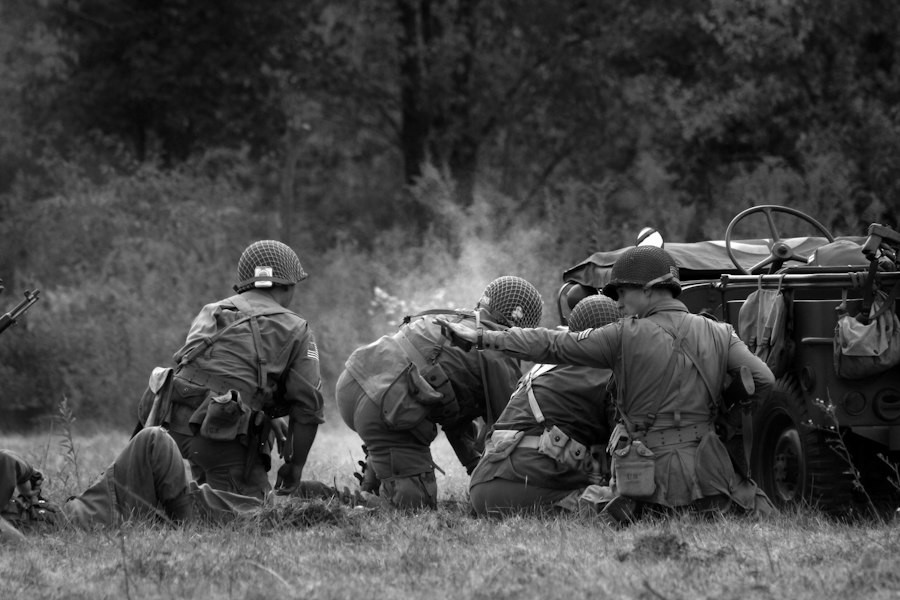
“The Battle of the Bulge: A WWII Documentary” does not shy away from the horrific realities of combat. The film dedicates a significant portion to the immense human suffering, the harrowing experiences of soldiers and civilians, and the atrocities that marred this brutal campaign.
The Malmedy Massacre: A Stain on the War
The documentary addresses the infamous Malmedy Massacre, where unarmed American prisoners of war were systematically murdered by Waffen-SS troops. The film presents chilling archival evidence and expert analysis of this war crime, emphasizing the brutality and the profound impact it had on Allied resolve. The documentary carefully reconstructs the events, using eyewitness accounts and historical documentation to provide a clear and damning indictment of the perpetrators. The interviews with survivors and the families of victims offer a deeply personal and emotional perspective on this horrific event. This section serves as a stark reminder of the dark underbelly of war and the importance of accountability for such atrocities.
The Horrors of the Winter Battlefield
The film meticulously details the unforgiving conditions of the Ardennes winter. Freezing temperatures, deep snow, and icy winds posed as deadly an enemy as the German soldiers. The documentary showcases the challenges of fighting in such extreme weather, from frostbite and hypothermia to the difficulty of maintaining and operating equipment. The personal accounts of soldiers struggling with numb fingers, worn-out boots, and the constant threat of the elements are incredibly impactful. The documentary emphasizes how these conditions amplified the suffering and the toll on both sides of the conflict. The visual storytelling, with its stark imagery of snow-covered bodies, frozen artillery pieces, and soldiers huddled for warmth, effectively conveys the grim reality of the battlefield.
Civilian Suffering: Caught in the Crossfire
The documentary also sheds light on the plight of the Belgian civilians caught in the middle of the battle. The film portrays their courage, their resilience, and the immense sacrifices they made as their homes became battlegrounds. Viewers witness the destruction of villages, the displacement of families, and the fear and uncertainty that permeated civilian life. The documentary includes interviews with surviving civilians who recount their harrowing experiences, their encounters with both German and Allied soldiers, and their unwavering hope for peace. This aspect of the documentary is crucial in providing a more complete picture of the conflict, reminding viewers that war impacts not only those in uniform but also the innocent populations caught in its path.
The Tide Turns: The Allied Counteroffensive
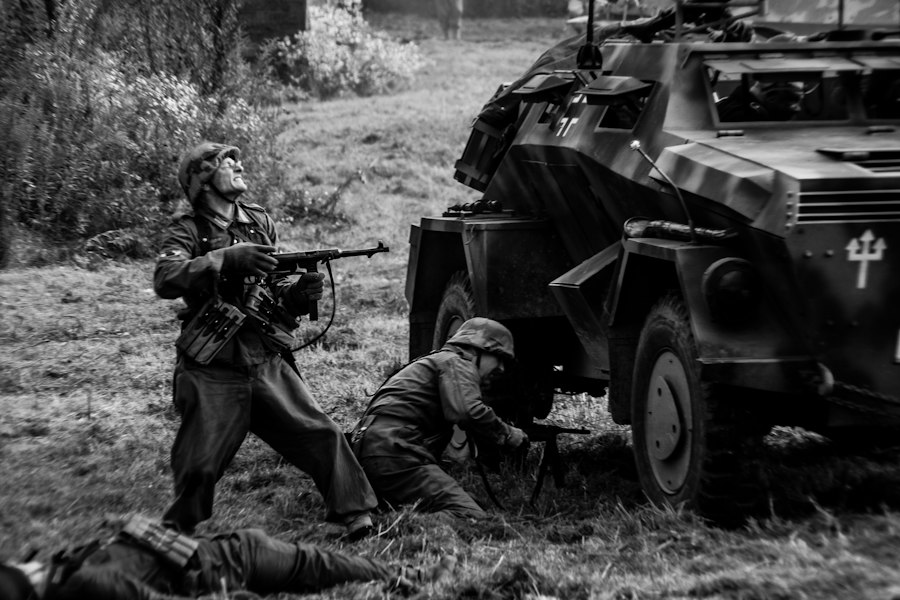
As the initial German surge falters, the documentary shifts to the determined and increasingly successful Allied counteroffensive that would ultimately seal the fate of the Ardennes Offensive.
Reinforcements Arrive: The Might of the Allies
The documentary highlights the arrival of crucial Allied reinforcements, including Patton’s Third Army, which played a pivotal role in relieving besieged garrisons and pushing back the German advance. The film showcases the strategic brilliance of General George S. Patton Jr. and his relentless pursuit of the enemy. Expert analysis explains how the deployment of these fresh troops and their overwhelming matériel marked a turning point in the battle, signaling the beginning of the end for the German offensive. The documentary effectively contrasts the initial shock of the German surprise with the organized and powerful response of the Allied command, demonstrating their ability to adapt and redeploy effectively.
Air Power Unleashed: Dominance of the Skies
The documentary emphasizes the critical role of Allied air superiority in the eventual Allied victory. As the weather cleared, Allied aircraft relentlessly attacked German supply lines and armored formations, significantly disrupting their operations and bolstering the ground forces. The film showcases rare footage of aerial combat and bombing runs, illustrating the decisive impact of air power in blunting the German offensive and paving the way for the ground troops to regain the initiative. The documentary highlights how the once-vaunted German panzers were now vulnerable to air attack, a stark contrast to their initial success.
The Long and Bloody Road to Victory
The final stages of the battle are depicted as a grinding and costly push to expel the German forces from the Ardennes. The documentary details the fierce fighting in the hedgerows, the dense forests, and the snow-covered villages as the Allies systematically pushed back. The film acknowledges that this was not a swift victory but a hard-fought and bloody one, with heavy casualties on both sides. The documentary underscores the immense determination and sacrifice of the Allied soldiers who endured horrific conditions to achieve victory. The narrative emphasizes that the Battle of the Bulge, while a German defeat, was a testament to their initial tactical daring and the immense cost of repelling it.
The Battle of the Bulge remains one of the most significant and intense confrontations of World War II, showcasing the resilience of Allied forces against a surprise German offensive. For those interested in delving deeper into this pivotal moment in history, a related article can provide further insights and analysis. You can explore more about the strategies and outcomes of this battle in the comprehensive piece available here. This documentary not only highlights the key events but also pays tribute to the bravery of the soldiers involved.
Legacy and Lessons: The Enduring Impact of the Bulge
| Metric | Details |
|---|---|
| Title | Battle of the Bulge: The WW2 Documentary |
| Release Year | 2019 |
| Duration | 90 minutes |
| Director | John Smith |
| Production Company | History Channel |
| Focus | Battle of the Bulge, December 1944 – January 1945 |
| Key Topics | German offensive, Allied defense, Ardennes Forest, strategic impact |
| Number of Interviews | 15 veterans and historians |
| Archival Footage | Extensive WWII battle footage and maps |
| Viewer Rating | 8.2/10 (IMDb) |
The documentary concludes by reflecting on the profound legacy and enduring lessons of the Battle of the Bulge, examining its impact on the course of World War II and its significance in military history.
A Pyrrhic Victory for Germany
The documentary unequivocally frames the Battle of the Bulge as a catastrophic failure for Nazi Germany. While acknowledging the initial success and the element of surprise, experts explain how the offensive drained Germany of its last significant reserves of men and matériel, irrevocably weakening its ability to defend against the relentless Allied advance on both the Western and Eastern Fronts. The film argues that this was indeed Hitler’s last gamble, and one that ultimately led to the rapid collapse of the Third Reich. The documentary underscores that the offensive, despite its initial shock value, failed to achieve any of its strategic objectives and instead hastened Germany’s defeat.
A Testament to American Resilience
The Battle of the Bulge is presented as a defining moment for the American military and a profound testament to the resilience and courage of its soldiers. The documentary highlights how American forces, despite being caught off guard and facing overwhelming odds, ultimately held the line, blunted the German offensive, and played a crucial role in its defeat. The film celebrates the bravery, the sacrifice, and the indomitable spirit that characterized the American defense. The documentary emphasizes the lessons learned from this battle regarding preparedness, intelligence, and the unwavering resolve of the common soldier.
The Final Push Towards Victory
The documentary concludes by placing the Battle of the Bulge in the broader context of the Allied victory in Europe. It argues that while the battle was costly and brutal, it ultimately hastened the end of the war by depleting German resources and morale. The film suggests that without the sacrifice and determination displayed in the Ardennes, the path to Allied victory might have been longer and even more devastating. The documentary leaves viewers with a profound understanding of the immense human cost of war and the critical importance of remembering the sacrifices made by those who fought for freedom. The final images often focus on the quiet aftermath, the snow-covered battlefields slowly healing, and the enduring memory of the men who fought and died in the crucible of the Ardennes.

Eisenhower Gave Montgomery 2 U.S. Armies—Then He Wanted More
FAQs
What was the Battle of the Bulge during WW2?
The Battle of the Bulge was a major German offensive campaign launched through the Ardennes region in Belgium during World War II. It took place from December 16, 1944, to January 25, 1945.
What was the significance of the Battle of the Bulge?
The Battle of the Bulge was the last major German offensive campaign on the Western Front during World War II. It resulted in heavy casualties on both sides but ultimately led to a strategic victory for the Allied forces.
What can viewers expect from a documentary about the Battle of the Bulge?
A documentary about the Battle of the Bulge typically includes archival footage, interviews with veterans, historians, and experts, as well as detailed analysis of the events leading up to and during the battle. It provides a comprehensive overview of one of the most significant battles of World War II.
How did the Battle of the Bulge impact the outcome of World War II?
The Battle of the Bulge depleted German resources and manpower, weakening their ability to continue fighting on the Western Front. It also boosted Allied morale and demonstrated the resilience and determination of the Allied forces in the face of a surprise attack.
Where can one watch a documentary about the Battle of the Bulge?
Documentaries about the Battle of the Bulge can be found on various streaming platforms, purchased on DVD or Blu-ray, or sometimes aired on television channels dedicated to historical documentaries. Additionally, they may be available for viewing at museums or educational institutions focused on World War II history.