The B-59 Submarine Crisis: October 27, 1962
October 27, 1962, remains etched in the annals of history as Black Saturday, the day the world teetered on the edge of nuclear Armageddon. While the Cuban Missile Crisis is often remembered through the lens of aerial reconnaissance and tense White House meetings, the submerged drama unfolding beneath the waves of the Caribbean brought humanity even closer to a catastrophic miscalculation. The Soviet submarine B-59, a diesel-electric leviathan navigating a tense naval blockade, found itself at the epicenter of a situation so volatile that the actions of its crew, particularly three men in its cramped confines, held the potential to unleash a global inferno. This was not a battle of bombers and missiles in the open, but a claustrophobic, high-stakes standoff where desperation and miscommunication threatened to ignite the unthinkable.
The Shadow of the Cold War
The Cuban Missile Crisis, a thirteen-day confrontation between the United States and the Soviet Union, was the zenith of Cold War tensions. The discovery of Soviet ballistic missile sites under construction in Cuba, a mere 90 miles from Florida, sent shockwaves through the American government and public. President John F. Kennedy responded with a naval blockade, euphemistically termed a “quarantine,” aimed at preventing further Soviet military shipments from reaching Cuba. This audacious move, while designed to de-escalate, simultaneously raised the stakes, placing both superpowers in an unprecedentedly dangerous proximity. The world held its breath, aware that a single spark could set off a chain reaction of unimaginable destruction.
A Submerged Threat: The B-59’s Mission
The B-59 was one of nine Project 641 (Foxtrot-class) diesel-electric submarines deployed by the Soviet Union to Cuba. These vessels were equipped with nuclear-tipped torpedoes, a formidable weapon designed as a deterrent and a potential retaliatory strike. The B-59, under the command of Captain Valentin Savitsky, was part of a contingent tasked with evading the U.S. naval quarantine and reaching Cuba. Their mission was fraught with peril, not only from the threat of detection and interdiction by the U.S. Navy but also from the immense pressure and isolation experienced by the submarine’s crew. The suffocating environment within the submarine, coupled with the constant threat of attack, created a breeding ground for anxiety and extreme decision-making.
The B-59 submarine incident on October 27, 1962, during the Cuban Missile Crisis, remains a pivotal moment in Cold War history, highlighting the precarious nature of nuclear brinkmanship. For a deeper understanding of this event and its implications, you can read a related article that explores the tensions of that era and the decisions made by military leaders. For more details, visit this article.
The U.S. Naval Quarantine: A Noose Tightens
The U.S. Navy’s blockade was an aggressive but calculated move. Its objective was to intercept Soviet ships carrying military equipment to Cuba and to project American resolve. However, this naval cordon also presented a significant threat to Soviet submarines operating in the area, particularly those that were less technologically advanced than their American counterparts. The B-59, a diesel-electric submarine, was slower and less stealthy than the nuclear-powered submarines of the U.S. Navy. Furthermore, its operating conditions were far more challenging, relying on raising its snorkel to the surface to recharge its batteries and ventilate its interior, a vulnerability that made it susceptible to detection.
The Rules of Engagement: Ambiguity and Escalation
The U.S. Navy had received orders to stop and search any Soviet vessels suspected of carrying contraband. While the intention was to avoid direct confrontation, the reality on the ground was far more complex. U.S. destroyers were authorized to use depth charges, not as weapons of destruction, but as signaling devices to force submarines to surface. The intent was to disable, not to sink, but the immense pressure in the submarine and the lack of clear communication could easily lead to misinterpretation and a drastic escalation. This ambiguity in the rules of engagement, coupled with the inherent dangers of submarine warfare, created a tinderbox situation.
The Psychological Toll of the Blockade
For the crew of the B-59, the blockade was a suffocating ordeal. They were operating in hostile waters, deep underwater, with limited communication to the outside world. The constant presence of American warships overhead, the jarring sounds of depth charges exploding nearby, and the dwindling supplies of oxygen all contributed to an immense psychological strain. The submarine’s interior was hot, humid, and cramped, adding to the palpable sense of claustrophobia and impending doom. The crew was effectively cut off, their fate entirely in the hands of their commanders and the unfolding events above them.
The Depth Charges: A Perilous Encounter
On the afternoon of October 27, 1962, the B-59, operating at a depth of about 300 feet, found itself in the path of U.S. Navy destroyers participating in the quarantine. The destroyers, acting on instructions, began dropping practice depth charges in the vicinity of the submarine. These were not intended to sink the B-59 but to force it to the surface for inspection. However, for the men inside the submarine, the explosions were terrifying and disorienting. The submarine bucked and swayed with each concussion, and the crew was subjected to the deafening roar of the explosions.
Misinterpreting the Signals: The Illusion of Attack
Inside the B-59, the situation was dire. The submarine had been submerged for several days, its batteries were nearly depleted, and the heat and lack of fresh air were becoming unbearable. Captain Savitsky and his crew were unaware that the depth charges were merely signals. They believed they were under a deliberate attack by the U.S. Navy and that their lives were in imminent danger. This critical misunderstanding, born from the isolation and the sheer intensity of the experience, was a pivotal moment in the crisis.
The Nuclear Torpedo: A Desperate Option
In this perceived state of attack, Captain Savitsky considered the unthinkable: launching their nuclear-tipped torpedo. The submarine carried three such torpedoes, and under Soviet doctrine, the captain and two senior officers had the authority to launch one if they believed they were under direct attack and cut off from Moscow. The decision to consider this option stemmed from a combination of factors: the intense psychological pressure, the belief that they were about to be sunk, and the desire to retaliate against what they perceived as an unprovoked assault.
The Human Factor: Three Men on the Brink
The B-59 crisis ultimately hinged on the decisions of three men: Captain Valentin Savitsky, Second Captain Vasili Arkhipov, and Political Officer Ivan Maslennikov. Savitsky, a seasoned but increasingly agitated commander, was convinced they were under attack and advocated for launching the nuclear torpedo. Maslennikov, a Party loyalist, was also inclined towards retaliation. However, it was Vasili Arkhipov, the flotilla’s flotilla commander and the third man in command, who held the decisive vote and the critical role in de-escalating the situation.
The Agony of Choice: Savitsky’s Plea
Captain Savitsky, his voice strained by the cacophony of the depth charges and the oppressive heat, argued vehemently for the launch. He believed that retaliating with the nuclear torpedo was their only option for survival and for inflicting damage on the enemy who, in his mind, was systematically trying to destroy them. The pressure to act was immense, amplified by the suffocating environment and the isolation from any external guidance or confirmation of the U.S. Navy’s true intentions.
The Voice of Reason: Arkhipov’s Restraint
Vasili Arkhipov, however, possessed a clearer perspective and a profound sense of responsibility. Unlike Savitsky, he had a better understanding of the political context and the potential global repercussions of launching a nuclear weapon. He knew that the depth charges, while terrifying, were likely warning signals, not a prelude to destruction. Furthermore, he understood that a nuclear strike would inevitably trigger a full-scale nuclear war, annihilating not only Cuba and the United States but also the Soviet Union. Arkhipov’s calm demeanor and his reasoned arguments against launching the torpedo were crucial in preventing a catastrophic outcome.
The Political Officer’s Dilemma: Loyalty and Survival
Ivan Maslennikov, the political officer, represented the ideological imperative of the Soviet Union. His role was to ensure adherence to Party doctrine and to maintain morale. While he was initially swayed by Savitsky’s conviction that they were under attack, Arkhipov’s arguments forced him to confront the reality of the potential consequences. The dilemma for Maslennikov was a stark one: to follow the perceived immediate need for retaliation, or to heed the warning about the ultimate devastation that such an action would unleash.
The B-59 submarine played a crucial role during the Cuban Missile Crisis, particularly on October 27, 1962, when tensions between the United States and the Soviet Union reached a boiling point. This incident highlights the precarious nature of Cold War politics and the potential for miscommunication to escalate into conflict. For a deeper understanding of the events surrounding this tense period, you can read more in this insightful article on the subject. The article provides a comprehensive overview of the crisis and its implications for international relations. If you’re interested, check it out here: this article.
The Tipping Point: De-escalation and Survival
| Aspect | Metric |
|---|---|
| Submarine Name | B-59 |
| Date | October 27, 1962 |
| Location | Caribbean Sea |
| Role | Soviet Submarine involved in Cuban Missile Crisis |
| Significance | Part of the closest the world has ever come to nuclear war |
The standoff within the B-59’s command center was intense. Captain Savitsky was insistent, Maslennikov was wavering, and Arkhipov was steadfast in his refusal to authorize the launch. The debate raged for what felt like an eternity, the fate of the world hanging in the balance of their differing perspectives and motivations. It was Arkhipov’s persistent reasoning and his unwavering commitment to preventing a nuclear catastrophe that ultimately swayed the decision.
The Power of Diplomacy (Under the Waves)
Arkhipov’s approach was not one of outright defiance but of careful persuasion. He appealed to Savitsky’s sense of duty and the immense responsibility they all held. He highlighted the lack of definitive proof of a deliberate attack and the catastrophic consequences of a nuclear strike, emphasizing that their primary mission was to survive and return to Soviet territory. His reasoned arguments, delivered in the face of extreme pressure, proved to be more potent than the immediate urge for retaliation.
The Unspoken Agreement: A Shared Fear of Oblivion
While the records do not detail every word exchanged, it is understood that a silent understanding emerged between the three men. They all recognized the devastating implications of a nuclear launch. The fear of total annihilation, a fear that permeated the entire planet during the Cuban Missile Crisis, was acutely present within the confines of the B-59. Arkhipov’s foresight and his ability to articulate this shared dread ultimately led to a collective decision to stand down.
The Order to Surface: A Fragile Victory
With Arkhipov’s persistent efforts, a consensus was reached. Savitsky, though perhaps reluctantly, rescinded his order to launch the nuclear torpedo. The decision was made to surface the B-59, a move that carried its own risks but was infinitely preferable to the alternative. The submarine slowly ascended, its crew emerging from the suffocating depths into the relative openness of the surface, still under the watchful eyes of the U.S. Navy. This was a fragile victory, a testament to the power of human reason and restraint in the face of overwhelming pressure.
The Aftermath: A Lesson in Nuclear Restraint
The B-59 crisis, though largely unknown to the public at the time, serves as a stark reminder of how close the world came to nuclear war. The actions of Vasili Arkhipov, in particular, are hailed as heroic, a demonstration of the critical importance of individual judgment and moral courage in preventing global catastrophe. His intervention prevented a decision that would have irrevocably altered the course of human history.
The Secret Revealed: A Close Call for Posterity
For decades, the full extent of the B-59 submarine crisis remained classified. It was only through declassified documents and later oral histories that the story began to emerge, revealing the terrifying reality of the near-miss. The public’s awareness of this event underscores the importance of understanding the human element in nuclear decision-making and the potential for even the most advanced military machinery to be influenced by human emotions and misinterpretations.
The Importance of Communication and De-escalation
The B-59 crisis highlights the critical need for clear communication and robust de-escalation protocols, especially in high-stakes geopolitical situations. The ambiguity of the U.S. Navy’s depth charge signals, coupled with the isolation of the Soviet submarine, created a perfect storm for disaster. This event underscores the ongoing importance of diplomatic channels and the establishment of trust, even between adversaries, to prevent such terrifying close calls in the future.
The Legacy of Arkhipov: A Silent Guardian
Vasili Arkhipov’s story is a powerful testament to the fact that history is often shaped by individuals who, in moments of extreme crisis, choose reason and restraint over immediate action. His decision not to launch the nuclear torpedo, despite immense pressure, saved countless lives and prevented a global catastrophe. His legacy is that of a silent guardian, a man whose quiet courage on that fateful day continues to resonate as a profound lesson in nuclear restraint. The B-59 crisis, though a moment of terrifying peril, ultimately offers a glimmer of hope, a testament to the enduring capacity for human wisdom to prevail, even when standing on the precipice of annihilation.
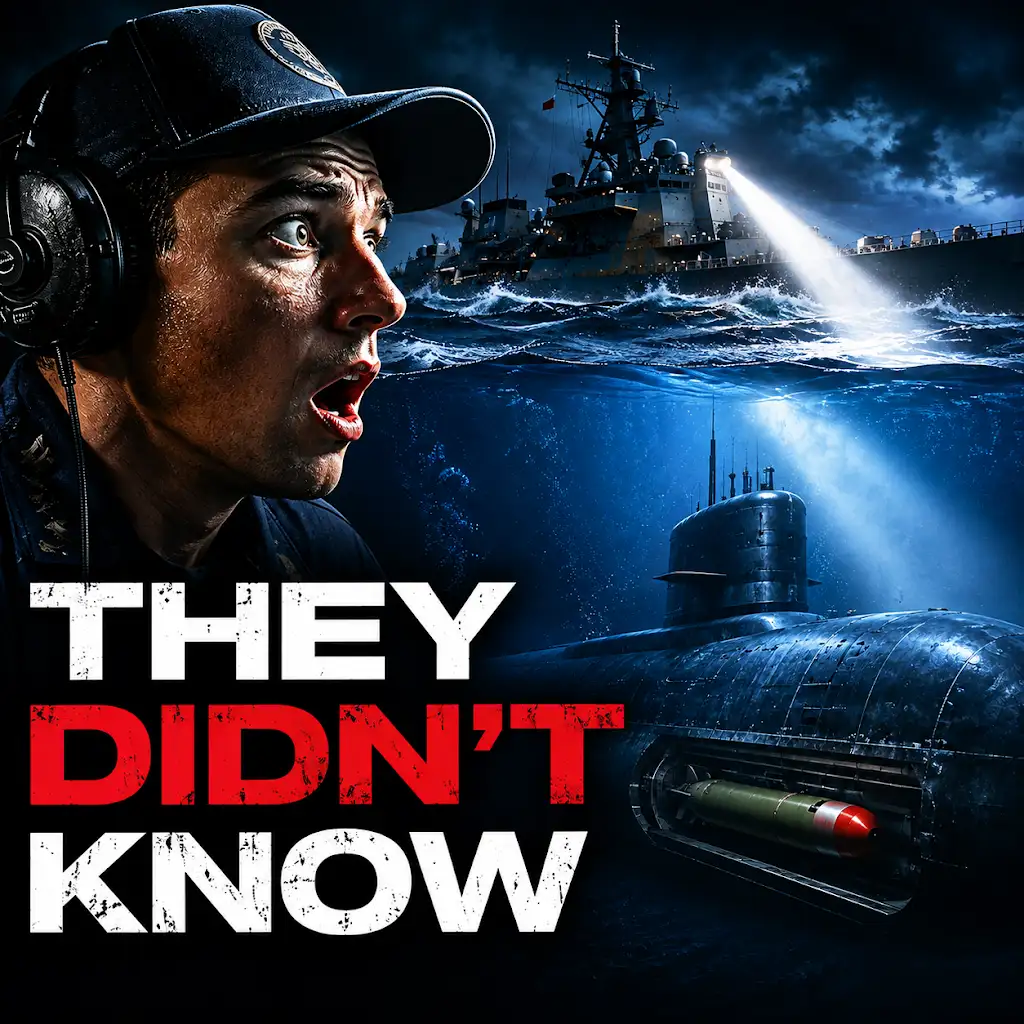
The U.S. Navy Didn’t Know This Submarine Had a Nuclear Torpedo
FAQs
What is the B-59 submarine?
The B-59 submarine was a Soviet nuclear-armed submarine that played a significant role in the Cuban Missile Crisis in October 1962.
What happened to the B-59 submarine on October 27, 1962?
On October 27, 1962, the B-59 submarine was located near Cuba and was subjected to depth charges by U.S. Navy forces, which were attempting to force the submarine to surface.
How did the B-59 submarine crew respond to the depth charges?
The crew of the B-59 submarine believed that a war may have already started and were unaware that the depth charges were non-lethal. They debated whether to launch a nuclear torpedo in response.
What was the outcome of the B-59 submarine crisis?
The crisis was ultimately resolved when the B-59 submarine surfaced and the U.S. and Soviet governments reached an agreement to end the Cuban Missile Crisis, averting a potential nuclear war.
What is the historical significance of the B-59 submarine incident?
The B-59 submarine incident is considered one of the closest moments the world has come to nuclear war, and it highlighted the dangers of miscommunication and miscalculation during the Cold War.