The hushed whispers of deception were as vital to victory in World War II as the roar of artillery or the thunder of bombers. Military leaders, operating under immense pressure and with stakes unimaginably high, understood that the battlefield was not merely a physical space to be conquered, but a psychological arena where minds, as much as machines, could be manipulated. The art of deception, far from being a mere peripheral tactic, was woven into the very fabric of strategic planning and operational execution. It was a sophisticated dance of misinformation, misdirection, and illusion, designed to sow confusion in enemy ranks, exploit vulnerabilities, and ultimately tip the scales in favor of the Allied and Axis powers. This clandestine warfare, often unseen and unacknowledged in the grand narratives of battles, played an indispensable role in shaping the outcomes of countless engagements, from the shores of Normandy to the frozen plains of Russia.
The Psychological Battlefield: Illusion and Misdirection
The fundamental principle underpinning military deception was the exploitation of human psychology. Commanders sought to create a reality for the enemy that was deliberately false, leveraging their assumptions, biases, and reliance on intelligence. This involved not only tactical ruses on the immediate battlefield but also grand strategic gambits designed to mislead entire armies over extended periods. The goal was to make the enemy perceive a threat where none existed, or to conceal a genuine threat that was about to be unleashed. This psychological manipulation was a subtle yet powerful weapon, capable of diverting crucial resources, paralyzing decision-making, and creating opportunities for decisive action.
Crafting False Realities: The Power of Inoculation
One of the most potent forms of deception involved the deliberate introduction of false information into the enemy’s intelligence channels. This was not simply about fabricating outright lies, but about seeding plausible narratives that, when corroborated by other fabricated evidence, would lead the enemy to an incorrect conclusion. This process, akin to inoculating the enemy’s intelligence system with a controlled dose of poison, required meticulous planning and a deep understanding of how enemy intelligence operated. For example, false radio traffic, deliberately leaked documents, or even staged sightings of nonexistent units were all employed to create a convincing illusion. The objective was to create a consistent and believable picture that would solidify in the minds of enemy planners, making them resistant to any accurate intelligence that might contradict it.
The Art of the Feint: Diverting Attention
The feint, a classic military maneuver, found renewed vigor in World War II. It involved creating the appearance of an attack or a significant operation in one location to draw enemy attention and resources away from the true objective. This could manifest in numerous ways, from small-scale diversions to massive, elaborate campaigns. The key was to make the feigned operation appear credible and threatening enough to warrant a substantial defensive response. This often involved simulating troop movements, artillery bombardments, or even air raids in areas far removed from the actual point of attack. The success of a feint depended on its ability to overwhelm the enemy’s observational capacity and their inclination to react defensively to perceived threats.
Camouflage and Concealment: Hiding in Plain Sight
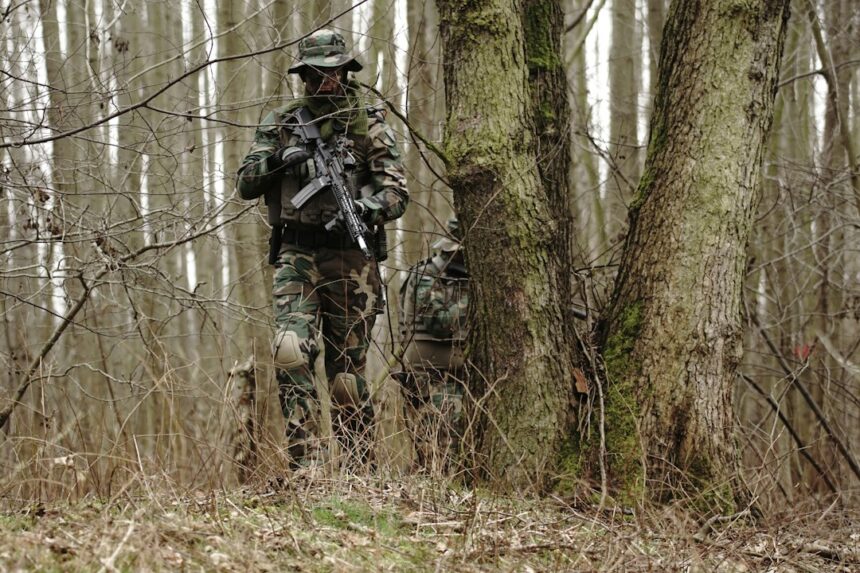
While deception often involved creating illusions, it also relied heavily on the effective concealment of actual forces and intentions. Camouflage, in its most literal sense, was a crucial element. This ranged from the traditional methods of blending military equipment and installations into the natural landscape using netting, paint, and foliage, to more sophisticated techniques of obscuring large formations and movements. The objective was to make the enemy’s reconnaissance efforts futile, preventing them from accurately assessing the strength and disposition of opposing forces. The ability to hide in plain sight, to become invisible to the enemy’s eyes and sensors, was a prerequisite for many successful deceptive operations.
World War II was marked by a range of innovative military deception tactics that played a crucial role in shaping the outcome of various campaigns. One fascinating aspect of these strategies is the use of misinformation to mislead enemy forces about troop movements and intentions. For a deeper understanding of these tactics and their implications, you can explore the article available at this link. It provides insights into how deception was employed effectively during the war, highlighting key operations that turned the tide in favor of the Allies.
Deceptive Operations on the Grand Strategic Scale
World War II witnessed deception on a scale previously unimagined. These were not isolated incidents but meticulously planned, multi-faceted operations designed to influence the course of entire campaigns and even the war itself. These grand stratagems often involved the creation of elaborate phantom armies, the manipulation of diplomatic channels, and the systematic dissemination of misinformation across vast geographic areas. The success of these operations relied on long-term planning, immense resources, and an unparalleled understanding of the enemy’s strategic objectives and vulnerabilities.
Operation Mincemeat: The Man Who Never Was
Perhaps one of the most celebrated examples of strategic deception is Operation Mincemeat, a British operation during World War II. The plan involved dressing a corpse in a Royal Marines uniform, implanting it with forged documents detailing a planned Allied invasion of Greece and Sardinia, and then allowing the body to drift ashore on the Spanish coast. The assumption was that the Spanish, neutral but with close ties to Germany, would pass the intelligence to their German allies. The forged documents, carefully crafted to appear authentic, successfully convinced the German high command to divert significant forces away from Sicily, the actual target of the Allied invasion. The body, of a fictional Major Martin, carrying the fictional “Operation Husky” plans, became a ghost that haunted German defenses. This single operation, a triumph of imagination and meticulous execution, directly contributed to the success of the Allied invasion of Sicily in 1943. It demonstrated the profound impact that a single, well-executed deception could have on the strategic balance of power.
The Ghost Armies of D-Day: Operation Fortitude
The Normandy landings on D-Day represented a colossal undertaking, and the success of this invasion hinged on a massive deception campaign known as Operation Fortitude. The objective was to convince the German forces that the main Allied invasion would occur at the Pas-de-Calais, the closest point between Britain and France, rather than Normandy. This involved the creation of entirely fictitious armies, complete with dummy landing craft, inflatable tanks, and an extensive network of radio traffic designed to simulate a massive build-up in the Pas-de-Calais. The British employed double agents, propaganda, and even fake airfields to bolster the illusion. Field Marshal Erwin Rommel, the German commander responsible for defending the French coast, was largely convinced by the deception, leading him to keep significant forces in reserve in the Pas-de-Calais, weakening the defenses in Normandy. The success of Operation Fortitude was so profound that even after the Normandy landings, the Germans continued to believe that the Pas-de-Calais was the primary invasion point, delaying their response and allowing the Allied bridgehead to solidify. This monumental deception operation is a testament to the power of coordinated deception on the largest possible scale, proving that the threat of an imagined enemy could be as effective as a real one.
Tactical Deception in the Trenches and Beyond
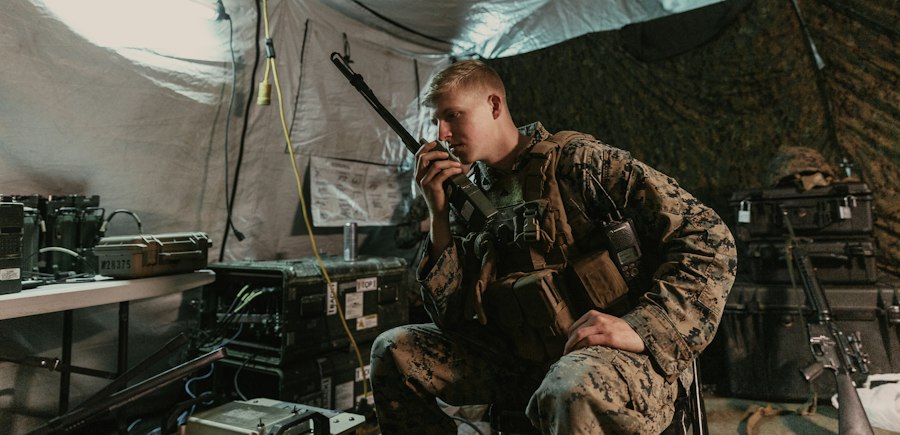
Beyond the grand strategic maneuvers, deception was a constant and crucial element of tactical warfare. On the battlefield, where split-second decisions could mean the difference between life and death, clever stratagems were employed to gain local advantages, disrupt enemy formations, and conserve precious resources. These tactical deceptions were often more fluid and improvised, adapting to the ever-changing realities of combat.
The Smoke Screen and the Shadow: Concealing Movement
The humble smoke screen, a seemingly simple tactic, was an indispensable tool for deception. By creating artificial fog, commanders could mask troop movements, artillery emplacements, or even the withdrawal of units. This obscured visibility not only for the enemy but also for their own forces, adding an element of surprise. The psychological impact of a sudden and dense smoke screen could also be significant, inducing confusion and hesitation in enemy ranks. Beyond literal smoke, the concept of operating in the shadows, of making movements under the cover of darkness or inclement weather, also served as a form of concealment that bordered on deception. The enemy might be aware of potential activity but be unable to confirm its nature or scale.
The Dummy Position: Misleading Enemy Fire
Creating dummy fortifications, artillery pieces, and even tank positions was a common tactic to draw enemy fire away from genuine assets. These decoys, often crudely constructed but made to appear convincing at a distance, could waste enemy ammunition and reveal their positions, allowing Allied artillery to target them effectively. The enemy, believing they were hitting vital targets, would expend valuable resources on these phantoms, leaving their true objectives unmolested. This tactic was particularly effective in positional warfare, where static defenses were common. The effectiveness of these dummy positions was amplified by their ability to absorb the enemy’s attention and fire, thereby protecting the real forces that were crucial for the offensive.
Radio Deception: The Whispers of Warfare
The advent of radio communication in World War II offered a powerful new medium for deception. Radio silence was often employed to conceal movements, but conversely, controlled radio traffic could be used to mislead. This involved broadcasting messages from fictitious units or simulating the command and control of nonexistent formations. By carefully crafting the content and timing of these broadcasts, military planners could create a false impression of troop strength, disposition, and intentions. This was particularly effective in confusing enemy intelligence and command structures, sowing doubt and misdirection. The risk, however, was always present that the enemy could identify the deception, making it a high-stakes game of cat and mouse within the electromagnetic spectrum.
Deception as a Psychological Weapon
The art of deception was not merely about physical manipulation but also about the psychological impact it had on the enemy. A well-executed deception could instill fear, sow doubt, and erode the enemy’s confidence. It played on their inherent desire for certainty and their vulnerability to the unknown. The psychological dimension of deception was as vital as any material advantage gained.
The Power of Uncertainty: Inducing Paralysis
One of the most potent effects of deception was the creation of uncertainty. When an enemy force is unsure of the true intentions, strength, or location of their adversary, their decision-making process can become paralyzed. This uncertainty can lead to a reluctance to commit forces, a hesitancy to launch offensives, and a general state of defensive inertia. Deception tactics were specifically designed to cultivate this sense of doubt, preventing the enemy from acting decisively and creating opportunities for the deceiving force to achieve its objectives. The psychological weight of not knowing what was coming, or where the next blow would land, could be as debilitating as any physical attack.
Exploiting Rumor and Propaganda: The Battlefield of the Mind
Rumors and propaganda were potent tools in the arsenal of deception. By carefully planting stories, disseminating false information through captured individuals or civilian networks, and broadcasting carefully crafted messages, commanders could manipulate the enemy’s perception of events. This could be used to demoralize enemy troops, foster dissent, or create an inflated sense of the enemy’s strength and capabilities, thereby discouraging an attack. The battlefield of the mind was as crucial as the physical battlefield, and propaganda served as a weapon to influence the thoughts and feelings of the enemy population and their soldiers.
World War II was marked by a variety of military deception tactics that played crucial roles in shaping the outcomes of battles and campaigns. One notable example is Operation Fortitude, which aimed to mislead the Germans about the location of the Allied invasion of Normandy. This operation involved a complex web of fake radio traffic, inflatable tanks, and even phantom armies. For a deeper understanding of these fascinating strategies, you can read more about them in this insightful article on military deception tactics during the war at In the War Room.
Ethical Considerations and the Legacy of Deception
| Deception Tactic | Description | Notable Operation | Effectiveness | Outcome |
|---|---|---|---|---|
| Dummy Equipment | Use of inflatable tanks, fake aircraft, and artillery to mislead enemy reconnaissance. | Operation Fortitude | High | Successfully diverted German forces away from Normandy invasion beaches. |
| Radio Traffic Simulation | Generating fake radio communications to simulate troop movements and build false intelligence. | Operation Quicksilver | High | Confused German intelligence about the location of the main Allied invasion. |
| Double Agents | Using spies who fed false information to the enemy. | Operation Mincemeat | Very High | Misled Axis powers about Allied invasion plans, contributing to success in Sicily. |
| Fake Invasion Plans | Creating false plans and documents to mislead enemy about attack locations. | Operation Bodyguard | High | Helped ensure the success of the D-Day landings by confusing German command. |
| Camouflage and Concealment | Hiding real troop movements and installations using natural and artificial cover. | Various campaigns | Moderate | Reduced enemy targeting accuracy and delayed detection of real operations. |
The use of deception in warfare, while often militarily effective, also raises complex ethical questions. The deliberate manipulation of truth, even in the context of armed conflict, can be seen as a violation of fundamental moral principles. Yet, throughout history, and particularly during World War II, the justification for such tactics has often rested on the idea that they are necessary to save lives, shorten wars, and achieve victory against a ruthless enemy.
The Moral Tightrope: Necessity Versus Morality
The question of whether deception is morally justifiable in war is a perennial debate. Proponents argue that in the brutal realities of conflict, deception is a necessary evil, a tool that can minimize casualties and bring about a swifter end to hostilities. They point to examples like Operation Mincemeat, where a few carefully planted lies are argued to have prevented far greater bloodshed. Conversely, critics argue that deception erodes trust, dehumanizes the enemy, and can have long-lasting negative consequences. The line between legitimate military deception and outright perfidy can be thin, and the historical context often dictates the perception of its ethical standing.
The Enduring Influence: Deception in Modern Warfare
The lessons learned from the sophisticated use of deception in World War II continue to influence military strategy today. While the tools and technologies have evolved, the fundamental principles of misinformation, misdirection, and the exploitation of psychological vulnerabilities remain relevant. Modern warfare, with its emphasis on information operations, cyber warfare, and psychological operations, builds upon the foundations laid during World War II. The art of deception, therefore, is not a relic of the past but a dynamic and evolving aspect of military conflict, constantly adapting to the changing landscape of global power. The enduring legacy of World War II deception lies in its demonstration that the mind is as crucial a battlefield as any physical terrain, and that the ability to shape perception can be a decisive factor in the outcome of any conflict.
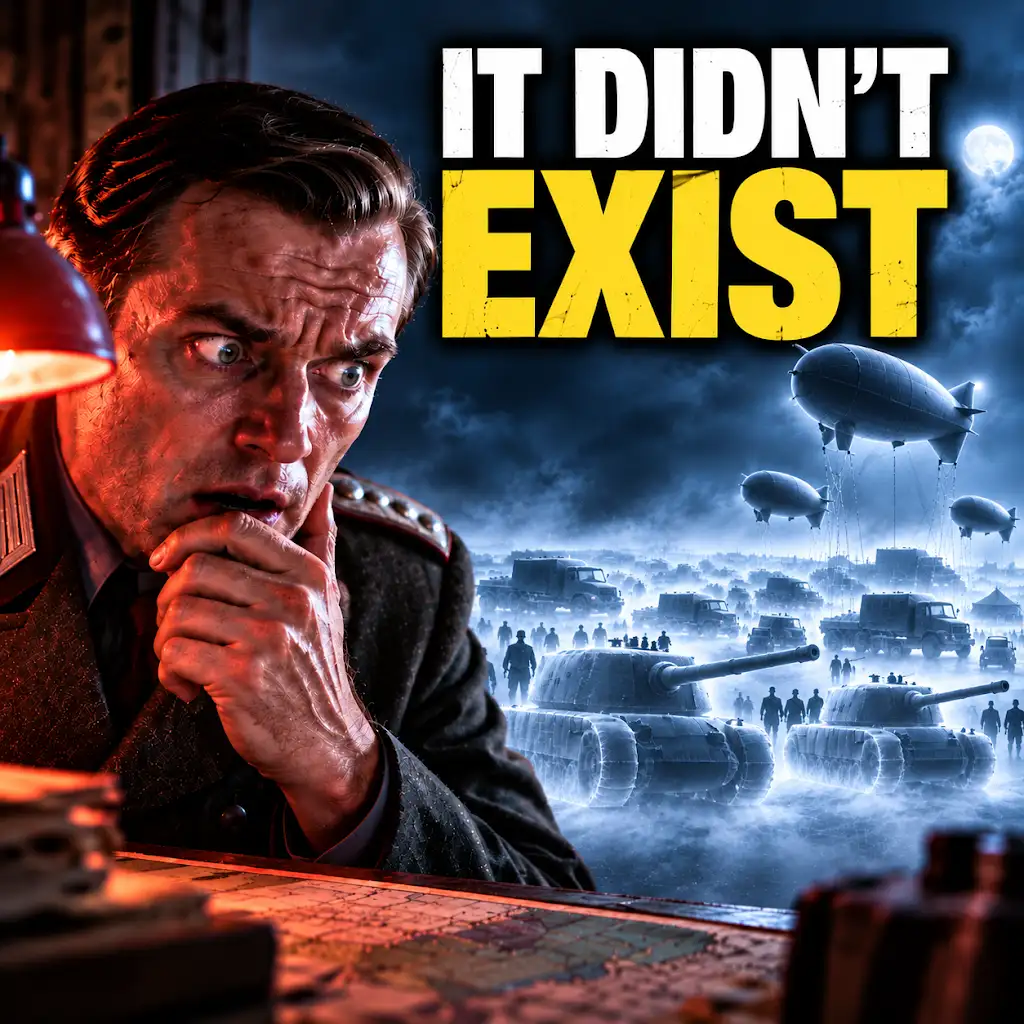
How the Allies Built an Army for Germany to Discover
FAQs
What were some key military deception tactics used during World War II?
Some key military deception tactics used during World War II included creating fake military units, using dummy tanks and aircraft, spreading false information through double agents, and employing camouflage techniques to mislead the enemy.
How did the Allies use military deception tactics during World War II?
The Allies used military deception tactics such as Operation Bodyguard, which involved creating a fictional invasion force to mislead the Germans about the location of the actual D-Day landings. They also used dummy paratroopers and inflatable tanks to deceive the enemy.
What was Operation Fortitude and how did it contribute to the success of D-Day?
Operation Fortitude was a key deception plan carried out by the Allies to deceive the Germans about the location of the D-Day landings. It involved creating a fictional First United States Army Group (FUSAG) to mislead the Germans into thinking the invasion would take place at Pas-de-Calais instead of Normandy.
How did the Germans use military deception tactics during World War II?
The Germans used military deception tactics such as creating fake airfields, deploying dummy aircraft, and spreading false information through double agents to mislead the Allies about their intentions and troop movements.
What role did camouflage play in military deception tactics during World War II?
Camouflage played a crucial role in military deception tactics during World War II by helping to conceal real military assets and create the illusion of larger forces. Camouflage techniques were used to disguise tanks, aircraft, and even entire military installations to deceive the enemy.