The Ardennes Offensive, a desperate gamble launched by Nazi Germany in the winter of 1944-1945, stands as a pivotal and brutal chapter in military history. It was an audacious attempt to split the Allied forces, recapture the vital port of Antwerp, and force a negotiated peace on the Western Front. Instead, it resulted in one of the bloodiest battles fought by the United States in World War II, forever etching the name “Battle of the Bulge” into the collective memory. This offensive, characterized by surprise, ferocity, and ultimately, catastrophic failure for the Germans, offers a stark illustration of strategic miscalculation, the resilience of Allied soldiers, and the devastating cost of warfare.
By late 1944, the Third Reich was teetering on the brink of collapse. Allied forces had liberated France and Belgium and were poised to push deep into Germany. The Soviet Union, having repelled the German invasion on the Eastern Front, was relentlessly advancing towards Berlin. Faced with an unwinnable war on multiple fronts, Adolf Hitler, clinging to the illusion of German military superiority, conceived of a bold, if ultimately doomed, plan. He sought to reignite the war in the West, not with an offensive aimed at destroying Allied armies outright, but at fracturing their coalition and sowing enough chaos to induce a political capitulation.
The Grand Illusion: Hitler’s Vision for Victory
Hitler’s obsession with a decisive victory in the West stemmed from a deep-seated belief in his own strategic genius and a profound underestimation of Allied resolve. He envisioned a lightning strike through the seemingly impregnable Ardennes Forest, a sector lightly defended by American troops, to achieve a swift breakthrough. The objective was to seize Antwerp, the crucial Belgian port vital for Allied supply lines. A successful capture of Antwerp would, in Hitler’s mind, isolate the British and Canadian forces in the north and create a schism between the American and British armies. This, he hoped, would lead to a collapse of Allied morale and a willingness to negotiate a peace that would preserve Germany’s territorial integrity, allowing it to focus its remaining strength against the Soviets. The element of surprise was paramount, with meticulous planning conducted in secrecy, withholding operational details even from many of his own senior commanders.
Underestimating the Enemy: Allied Complacency and Intelligence Failures
A critical factor that facilitated the initial German success was a pervasive sense of complacency among Allied leadership. Following a string of victories, many commanders believed the war in the West was nearing its end. The Ardennes sector, characterized by difficult terrain and harsh winter conditions, was considered a relatively quiet front, deemed suitable for resting and refitting American divisions. This perception led to a thinning of defensive lines and a reliance on intelligence that consistently underestimated German capabilities and intentions. Allied intelligence agencies, while not entirely blind, were largely focused on anticipated German defenses and offensives elsewhere, failing to piece together the dispersed and secretive preparations for a major operation in the Ardennes. The sheer scale and audacious nature of Hitler’s plan, coupled with the logistical challenges of massing troops and equipment undetected, contributed to this critical oversight.
The Ardennes: A Seemingly Impregnable Bastion
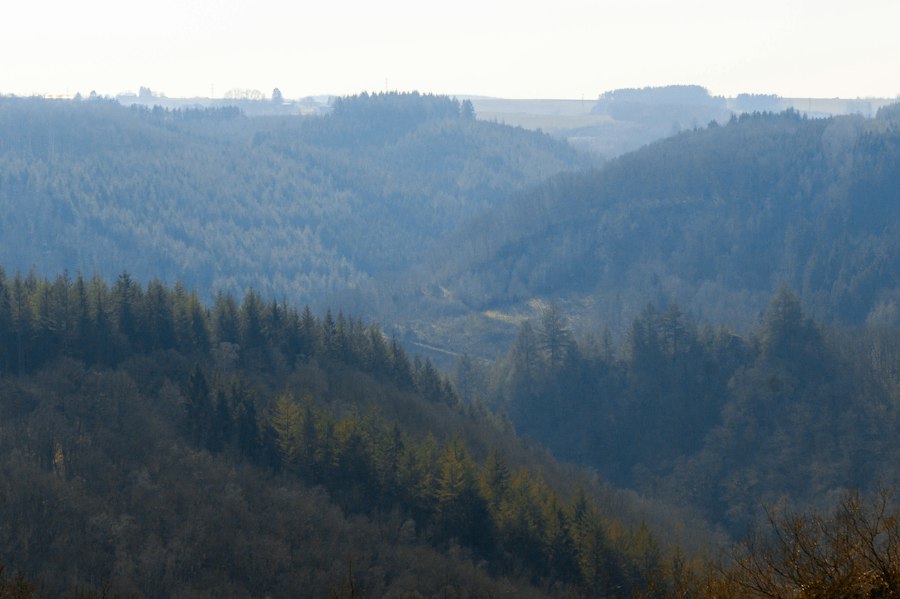
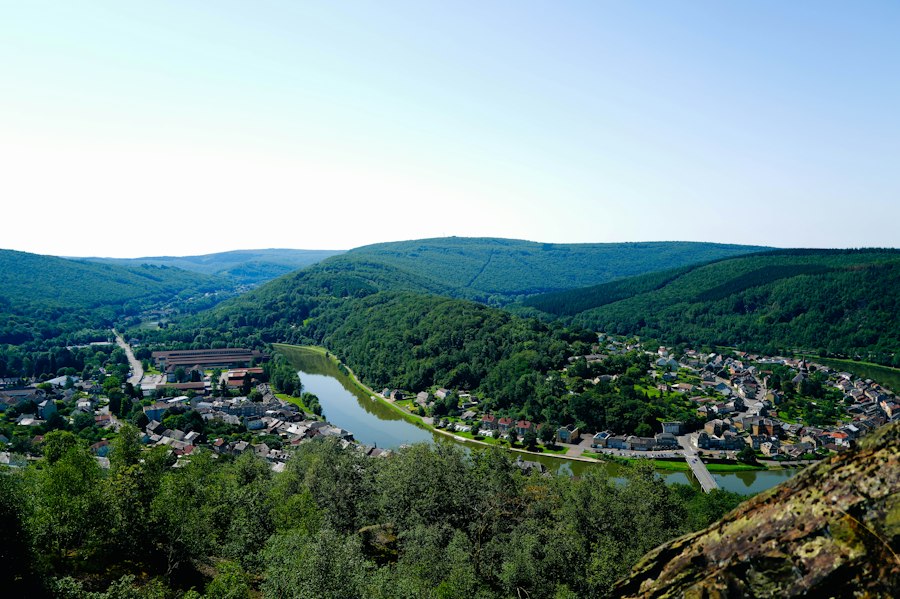
The Ardennes region, a rugged and heavily wooded area straddling Belgium, Luxembourg, and Germany, presented a formidable natural barrier. Its narrow roads, dense forests, and steep valleys were not ideal for large-scale military operations, especially during the brutal winter months. This terrain was precisely why the Allies considered it a less critical sector, assuming it would naturally impede any significant offensive. However, Hitler saw the Ardennes as an opportunity. He believed that the very difficulty of the terrain, combined with the element of surprise, would make it a perfect corridor for his panzer divisions to exploit, catching the Allies completely off guard in an area they believed to be relatively secure. The logistical challenges of moving such a large force through this region were immense, but the German military apparatus, fueled by desperation and the dictator’s unwavering will, managed to orchestrate the seemingly impossible.
The Ardennes Offensive, also known as the Battle of the Bulge, was a significant military campaign during World War II that showcased the resilience and determination of Allied forces against a surprise German offensive. For a deeper understanding of the strategies and outcomes of this pivotal battle, you can explore a related article that delves into the complexities of the campaign and its impact on the war. To read more, visit this article.
The Offensive Begins: A Storm Descends on Christmas Eve
On December 16, 1944, under the cover of a pre-dawn darkness and a blizzard that grounded Allied air power, the German offensive, codenamed Wacht am Rhein (Watch on the Rhine), was unleashed. The attack slammed into thinly held American lines across an 80-mile front. The initial onslaught was brutal and devastating, achieving a level of surprise that stunned the American defenders. The sheer force and unexpectedness of the German thrust shattered defenses and sent shockwaves through the Allied command.
Operation “Wacht am Rhein”: The German Blueprint for Disaster
The German plan was ambitious and complex, relying on speed, surprise, and overwhelming armored force. Three German armies – the Sixth Panzer Army, Fifth Panzer Army, and Seventh Army – were tasked with breaching the Allied lines and advancing rapidly towards the Meuse River and then Antwerp. Special combat groups, including elite SS Panzer divisions, were equipped to spearhead the assault. The offensive was designed to exploit the terrain and overwhelm isolated American units, creating a massive salient in the Allied front. The reliance on achieving rapid breakthroughs and maintaining momentum was a key feature, with little provision for prolonged defensive battles or logistical setbacks. The plan’s success hinged on the Allies’ inability to react swiftly and effectively, a hope that was, for a brief period, realized.
The Shock and Awe: American Defenders Overwhelmed
The initial German attack achieved unprecedented levels of surprise and shock. American soldiers, accustomed to a relatively quiet sector, found themselves facing a massive, well-coordinated assault by elite German armored divisions. The dense fog and snow severely hampered Allied air reconnaissance and support, denying them their usual advantage. Many American units were caught in their barracks or unprepared for the ferocity of the attack. The German tanks, often spearheaded by powerful Tiger IIs, tore through the thinly spread American lines, pushing deeper into the Ardennes. The American defenders, though often outnumbered and outgunned, fought with incredible courage and tenacity, attempting to slow the German advance and buy precious time for reinforcements to arrive. Their desperate stand in isolated towns and villages became legendary, embodying the spirit of defiance against overwhelming odds.
The Massacre at Malmedy: A Stain on German Conduct
Among the horrors of the offensive, the Malmedy massacre stands out as a stark example of Nazi brutality. On December 17, 1944, elements of the SS-Obersturmbannführer Joachim Peiper’s Kampfgruppe Peiper encountered a column of American soldiers near Malmedy. Approximately 80-100 American prisoners of war were gunned down in cold blood by SS troops. This atrocity, along with other documented instances of German mistreatment of Allied prisoners, fueled American determination and instilled a deep-seated anger that would contribute to the ferocity of the counterattack. The massacre served as a grim reminder of the ideological depravity driving the Nazi war machine and solidified the Allies’ resolve to achieve unconditional surrender.
The Turning of the Tide: Allied Resilience and Reinforcements
While the initial German success was undeniable, the offensive soon encountered significant obstacles, not least of which was the formidable resilience of the American soldiers. Despite the shock and disarray, pockets of fierce resistance sprang up, delaying the German advance and creating crucial time for Allied command to react and redeploy its forces. The logistical strain on the German army also began to tell, further hindering their progress.
Bastogne Holds: The Icon of American Grit
The Belgian town of Bastogne became the symbolic heart of the American resistance. Cut off and surrounded by German forces, the 101st Airborne Division and other supporting units, despite dwindling supplies and facing overwhelming odds, refused to surrender. Their defiant stand, epitomized by Brigadier General Anthony McAuliffe’s now-famous one-word response – “Nuts!” – to a German demand for surrender, became a beacon of hope for the Allied cause. The continued holding of Bastogne denied the Germans a critical road junction and forced them to expend valuable resources and time attempting to dislodge the tenacious defenders. This act of unyielding courage became an enduring symbol of American fortitude in the face of adversity.
The Mighty Eighth Air Force Unleashed: The Sky Becomes a Battlefield
As the weather eventually improved, the full might of the Allied air forces was brought to bear. The Eighth Air Force, along with the Ninth Air Force and the Royal Air Force, launched massive aerial attacks against German armor, supply lines, and transportation hubs. The skies, previously denied to the Allies by the weather, became a deadly battleground. Allied fighter-bombers and heavy bombers wreaked havoc on the German advance, interdicting their progress and destroying vital equipment. The overwhelming air superiority of the Allies, a crucial advantage throughout the war, proved decisive in blunting and eventually reversing the German offensive. The German reliance on ground forces alone, without adequate air cover, proved to be a fatal flaw.
Strategic Redeployments: Eisenhower’s Masterstroke
General Dwight D. Eisenhower, the Supreme Allied Commander, demonstrated remarkable composure and decisiveness in the face of the crisis. He swiftly ordered the redeployment of vital Allied reserves, including the powerful Third Army under General George S. Patton, to counter the German thrust. Patton, in a remarkable feat of speed and logistical brilliance, famously turned his Third Army around 180 degrees, marching north from its position in Lorraine to relieve the beleaguered forces in Bastogne. This strategic maneuver, executed with incredible speed and determination, caught the Germans off guard and helped to stabilize the crumbling Allied front. The ability to react with such speed and flexibility was a testament to the Allied command structure and its logistical capabilities.
The Grind of War: The Battle of Attrition and Retreat
As the initial German breakthrough sputtered and stalled, the Ardennes Offensive devolved into a brutal battle of attrition. The Germans, their objectives unmet and their forces increasingly depleted, found themselves fighting a defensive action against an aroused and determined enemy. The harsh winter conditions, which had initially favored the Germans by grounding Allied aircraft, now became a shared enemy, hindering both sides.
The Cost of Success: German Logistics and Manpower Collapse
The German offensive, despite its initial gains, was plagued by crippling logistical problems. Their supply lines, stretched thin and vulnerable to Allied air and ground attacks, could not keep pace with the advancing armored spearheads. Fuel, ammunition, and food became scarce. Furthermore, the Germans had severely underestimated the number of troops and equipment required to sustain such an ambitious offensive. They had committed their last strategic reserves, and the heavy losses sustained in the Ardennes left them with little ability to mount further significant operations on either the Western or Eastern fronts. The offensive, designed to be a decisive blow, ultimately became a costly drain on Germany’s already depleted resources.
The Allied Counteroffensive: Pushing Back the Tide
With the German advance halted and their supply lines disrupted, the Allies launched a series of coordinated counteroffensives. The American First and Ninth Armies pushed south and east, while Patton’s Third Army drove north to link up with the besieged defenders of Bastogne. The fighting was intense and bloody, characterized by fierce house-to-house combat in snow-choked villages and brutal tank battles across frozen fields. The Allies, now fully aware of the German threat and buoyed by the success of their countermoves, fought with renewed determination.
The Psychological Impact: Shattered Morale and Broken Dreams
For Germany, the failure of the Ardennes Offensive was a devastating psychological blow. The last vestige of hope for a negotiated peace or a significant reversal of fortune on the Western Front was extinguished. The offensive, which had been portrayed as a decisive turning point by Nazi propaganda, now became a symbol of strategic miscalculation and ultimate defeat. The heavy losses in men and materiel further demoralized an already weary German population and military. For the Allies, particularly the American forces, the battle was a harsh reminder of the enduring brutality of war, but it also solidified their resolve to see the conflict through to its inevitable conclusion.
The Ardennes Offensive, also known as the Battle of the Bulge, was a significant military campaign during World War II that showcased the resilience of Allied forces against a surprise German attack. For those interested in exploring this pivotal moment in military history further, a related article can provide deeper insights into the strategies and outcomes of the battle. You can read more about it in this informative piece on the topic at this link. Understanding the complexities of the Ardennes Offensive helps to appreciate the broader context of the war and the sacrifices made by soldiers on both sides.
The Legacy of the Ardennes: A Defining Moment
| Metric | Value | Details |
|---|---|---|
| Operation Name | Ardennes Offensive (Battle of the Bulge) | Last major German offensive campaign on the Western Front during World War II |
| Dates | December 16, 1944 – January 25, 1945 | Approximately 6 weeks |
| Location | Ardennes Forest, Belgium, Luxembourg, and Germany | Western Front, Europe |
| German Forces | Approximately 200,000 troops | Including 12 divisions, 1,000 tanks and assault guns |
| Allied Forces | Approximately 600,000 troops | Primarily U.S. Army units with some British forces |
| German Casualties | Estimated 80,000 – 100,000 | Killed, wounded, or captured |
| Allied Casualties | Approximately 75,000 | Killed, wounded, or missing |
| Outcome | Allied Victory | German offensive failed to achieve strategic objectives |
| Significance | Depleted German resources and hastened the end of WWII in Europe | Marked the last major German offensive on the Western Front |
The Ardennes Offensive, despite its ultimate failure for Germany, left an indelible mark on military history and the collective memory of the nations involved. It was a battle that tested the limits of human endurance, showcased the devastating power of modern warfare, and offered profound lessons for future military strategy.
The “Bulge”: A Scar on the American Landscape
The Battle of the Bulge, as it became colloquially known, remains the largest and bloodiest battle fought by the United States in World War II. The sheer scale of American casualties – over 80,000 killed, wounded, or missing – underscored the ferocity of the fighting and the high price of victory. The experience forged a deep sense of camaraderie and shared sacrifice among those who fought in the Ardennes, and the battle became a defining moment for a generation of American soldiers. The memory of the hardships endured and the lives lost continues to be honored through memorials and commemorative events.
Strategic Lessons: Surprise, Logistics, and the Human Factor
The Ardennes Offensive provided critical strategic lessons for military planners. It highlighted the enduring importance of the element of surprise, but also the dangers of overestimating its efficacy without adequate logistical and operational support. The battle underscored the critical role of logistics in sustaining a protracted offensive and the vulnerability of forces that rely solely on ground power. Furthermore, it demonstrated the profound impact of the human factor – the courage, resilience, and determination of individual soldiers – in overcoming seemingly insurmountable odds. The battle also served as a stark reminder of the importance of robust intelligence gathering and analysis to avoid strategic complacency.
The End of the Road: Germany’s Final Desperation
The failure of the Ardennes Offensive effectively sealed Germany’s fate. It depleted their remaining strategic reserves, leaving them critically weakened on both the Western and Eastern fronts. The offensive represented Hitler’s last significant gamble to alter the course of the war, and its catastrophic failure signaled the inevitable march towards total defeat. The remaining months of the war saw a desperate and brutal struggle as Allied forces advanced into Germany, ultimately leading to the nation’s unconditional surrender in May 1945. The Ardennes Offensive, therefore, stands not as a turning point, but as a desperate, final act of defiance that ultimately hastened the end of the Third Reich.

Eisenhower Gave Montgomery 2 U.S. Armies—Then He Wanted More
FAQs
What was the Ardennes Offensive?
The Ardennes Offensive, also known as the Battle of the Bulge, was a major German offensive campaign on the Western Front during World War II. It took place from December 16, 1944, to January 25, 1945.
Where did the Ardennes Offensive take place?
The Ardennes Offensive primarily took place in the Ardennes forest region of Belgium, Luxembourg, and France. The German forces launched their surprise attack through the densely wooded and hilly terrain in an attempt to split the Allied forces.
What were the objectives of the Ardennes Offensive?
The main objectives of the Ardennes Offensive were to split the Allied forces, capture the vital Belgian port of Antwerp, and ultimately force the Western Allies to negotiate a peace settlement with Germany, allowing them to focus on the Eastern Front against the Soviet Union.
What were the outcomes of the Ardennes Offensive?
Despite initial success and creating a “bulge” in the Allied lines, the Ardennes Offensive ultimately failed to achieve its strategic objectives. The Allies were able to regroup, reinforce their positions, and push back the German forces, leading to heavy casualties on both sides.
How did the Ardennes Offensive impact the course of World War II?
The Ardennes Offensive was the last major German offensive on the Western Front during World War II. While it did not alter the outcome of the war, it significantly depleted German resources and manpower, hastening the end of the conflict in Europe.