The Allied forces, facing the formidable German Atlantic Wall and the immense logistical challenge of invading occupied Europe, understood from the outset that surprise was their most potent weapon. The success of Operation Overlord, the codename for the D-Day landings on June 6, 1944, hinged not only on brute military strength but also on an elaborate and cunning deception strategy designed to blind and mislead the enemy. This intricate web of misinformation, meticulously woven over months, played a crucial role in drawing German reserves away from the actual invasion beaches and into a strategically advantageous position for the Allies. The objective was clear: convince the German High Command that the main thrust of the invasion would come at a different location and at a different time, sowing confusion and ultimately contributing to the relative success of the landings.
## The Genesis of Deception: Shaping the Enemy’s Perception
The strategic imperative for deception was rooted in the stark reality of the impending invasion. The Germans, aware of the growing Allied threat, had fortified the French coast with extensive defenses, including bunkers, minefields, and artillery emplacements. They anticipated an invasion, but their intelligence was often fragmented and susceptible to manipulation. The Allies recognized this vulnerability and began to cultivate a narrative that would direct German attention and resources away from Normandy. This involved a multifaceted approach, encompassing psychological warfare, military feints, and the creation of entirely fictitious military formations. The goal was to build a credible, yet false, picture of Allied intentions.
### The “Phantom Army” of Operation Fortitude
Central to the deception plan was Operation Fortitude, a series of elaborate ruses designed to convince the Germans that the main invasion would occur in the Pas-de-Calais, the closest point in France to Britain. This region was the most logical and obvious landing site, and the Allies exploited this predictability. They created the fictional First United States Army Group (FUSAG), commanded by the highly respected General George S. Patton Jr. FUSAG was a phantom force, a masterclass in illusion. Through careful management of intelligence channels, the Allies fed the Germans information suggesting the presence of vast numbers of troops, tanks, and aircraft concentrated in southeastern England, directly opposite the Pas-de-Calais. This involved constructing inflatable tanks and dummy landing craft, positioning them in exposed areas, and even creating fake radio traffic that mimicked the communications of a large operational force. The sheer scale of these fabricated preparations was designed to be overwhelming, making it difficult for German intelligence to discern what was real and what was not.
### Misdirection Through Airpower and Naval Movements
Beyond the physical manifestations of FUSAG, the Allies also employed aerial and naval maneuvers to bolster the deception. Extensive bombing campaigns were directed at targets in the Pas-de-Calais region, including ports and communication centers, creating the impression of intense preparation for an assault. Allied aircraft conducted reconnaissance missions over this area with noticeable frequency, further reinforcing the German belief that this was the primary objective. Similarly, naval forces conducted exercises and made visible movements in the English Channel that appeared to be positioning for an invasion of the Pas-de-Calais. These actions, though carefully orchestrated, were designed to be observed by German reconnaissance and to contribute to the overall narrative of an imminent attack in the north.
The successful execution of the Normandy invasion, also known as D-Day, was largely attributed to the extensive deception tactics employed by the Allies to mislead German forces about the invasion’s timing and location. For a deeper understanding of these strategies, you can explore the article that delves into the intricate planning and execution of Operation Fortitude, which played a crucial role in disguising the true intentions of the Allied forces. To read more about this fascinating aspect of World War II, visit this article.
## The Art of the Double Agent: Manipulating German Intelligence
The Allies understood that their deception efforts would be most effective if they could directly influence what the German High Command believed. This led to the extensive and critical use of double agents, individuals who provided intelligence to both sides. These agents, carefully vetted and managed by the Allied counterintelligence services, became unwitting conduits for misinformation, feeding carefully crafted lies directly into the German intelligence network.
### The Masterful Control of “Garbo”
One of the most celebrated double agents in history was Juan Pujol García, codenamed “Garbo” by the British. Garbo was a Spanish citizen with a profound hatred for Nazism and a remarkable talent for espionage. He was recruited by the British and tasked with feeding the Germans information, all while secretly working for Allied intelligence. Garbo’s role in Operation Fortitude was pivotal. He was able to convince his German handlers that FUSAG was a genuine and massive threat. He meticulously crafted reports detailing troop movements, equipment dispositions, and invasion plans, all designed to reinforce the illusion of an impending attack on the Pas-de-Calais. His ability to create an elaborate network of fictional sub-agents and to produce seemingly credible documentation further cemented his credibility with the Abwehr, the German military intelligence agency. The Germans trusted Garbo implicitly, viewing him as one of their most valuable assets.
### Feeding the Fiction: The “Kooks” and “Nutters”
Beyond Garbo, a network of other double agents, often referred to as “Kooks” and “Nutters” by the British, also played a significant role. These agents provided a steady stream of corroborating “evidence” to support the Pas-de-Calais deception. Some of these agents were genuine defectors who were carefully debriefed and then fed specific narratives. Others were entirely fabricated, their communications carefully simulated to mimic authentic intelligence reports. The sheer volume and consistency of these fabricated reports, all pointing to the Pas-de-Calais, created a powerful and convincing illusion that the Germans found increasingly difficult to dismiss. This intricate network of deception ensured that any genuine intelligence the Germans might have gathered about Normandy was either dismissed as a diversion or considered secondary to the perceived main threat.
## The Crucial Element of Timing: Postponing the Inevitable
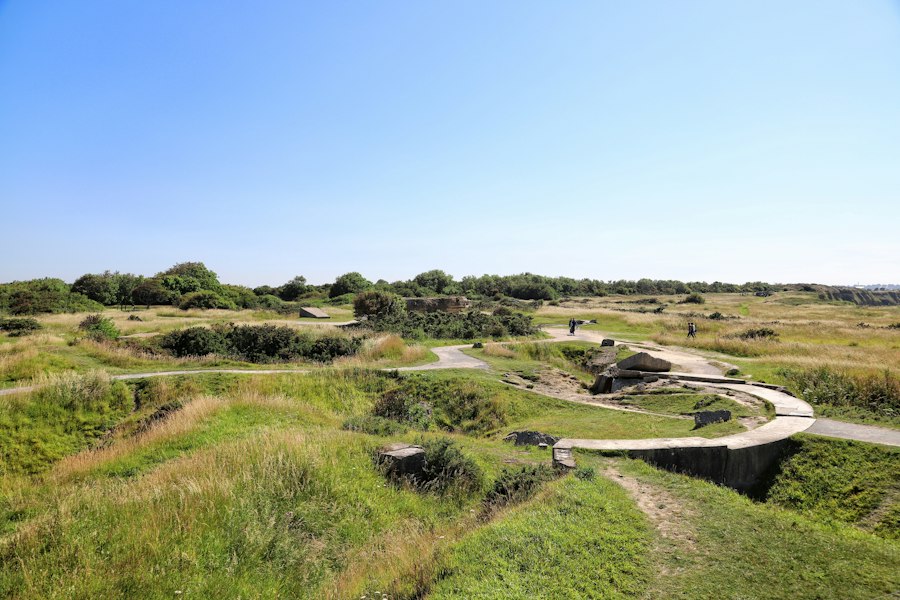
The timing of the deception was as critical as its content. The Allies knew that the Germans were anticipating an invasion and were eager to respond. The deception had to be maintained until the very last moment, ensuring that German reserves were committed to the wrong area at the opportune time for the Allied assault.
### The D-Day Delay: A Calculated Risk
The original date for D-Day was June 5, 1944. However, a forecast of poor weather forced a critical postponement. This delay, though frustrating for the Allied forces, provided an unexpected opportunity for the deception. The Germans, anticipating an invasion, had their forces on high alert. The postponement meant that the period of heightened tension and preparedness continued, allowing the Allies to maintain their fabricated threat against the Pas-de-Calais. Moreover, the weather forecast for June 6 was marginally better, but still far from ideal. This marginal improvement, coupled with the ongoing belief in the Pas-de-Calais threat, ultimately convinced the German commanders to maintain their defensive posture in the north, rather than redeploying their reserves to Normandy.
### Exploiting the Lull: Reinforcing the False Narrative
During the brief period of the weather-induced delay, the Allies intensified their deceptive activities. More fake radio traffic was generated, dummy installations were further emphasized, and reconnaissance flights over the Pas-de-Calais continued. This sustained effort ensured that the Germans remained fixated on the northern coast. The lull in actual invasion activity was interpreted by the Germans not as a sign of a change in plans, but rather as a temporary pause due to weather conditions, reinforcing their belief that the invasion was still coming in their expected location.
## The Dispersal of German Forces: Weakening the Atlantic Wall
The ultimate success of Operation Fortitude lay in its ability to draw German forces away from the actual invasion beaches of Normandy. The credible threat of a massive invasion in the Pas-de-Calais, supported by the elaborate deceptions, had the desired effect of tying up crucial German divisions and armor in the north.
### The Panzer Divisions Held in Reserve
The most significant impact of the deception was on the deployment of German panzer divisions. These mobile armored units were the backbone of the German defense and were strategically positioned behind the coastal defenses to rapidly counter any Allied landings. The perceived threat to the Pas-de-Calais convinced the German High Command to keep a significant portion of these panzer divisions in northern France, far from the beaches of Normandy. If these divisions had been readily available in Normandy, the D-Day landings would have faced a far more devastating and potentially insurmountable resistance. The Allies effectively used FUSAG as bait, drawing these vital reserves away from where they were truly needed.
### The Illusions of Calais: A Strategic Diversion
The extensive preparations and intelligence fed to the Germans regarding an invasion of the Pas-de-Calais created a strategic diversion of immense value. German reconnaissance units, observing the dummy forces and the aerial activity, reported their findings to the High Command. The sheer scale of the perceived threat in the north led to the strengthening of defenses in that region, diverting troops and resources that could have otherwise been deployed to Normandy. The Allies expertly played on the German’s desire to protect their most vulnerable and strategically significant coastal areas, using the Pas-de-Calais as a formidable red herring.
The successful execution of the Normandy invasion was largely due to the Allies’ intricate deception strategies, which effectively misled the Axis powers about the true location and timing of the attack. For a deeper understanding of these tactics, you can explore an insightful article that details how misinformation and clever ruses played a crucial role in the operation. This article provides a fascinating look at the lengths to which the Allies went to ensure the success of D-Day, highlighting the importance of strategy in warfare. To read more about this topic, visit this article.
## The Aftermath and Legacy of Allied Deception
| Method | Description | Effectiveness | Key Metrics |
|---|---|---|---|
| Operation Fortitude | Deceptive campaign to mislead Germans about the invasion location | Highly effective | Fake army units: 2; Fake radio traffic: 1000+ messages daily |
| Double Agents | Use of double agents to feed false information to German intelligence | Very effective | Number of double agents: 5 major agents; False reports sent: dozens |
| Dummy Equipment | Deployment of inflatable tanks, aircraft, and landing craft to simulate invasion forces | Effective in diverting German forces | Dummy tanks: 100+; Dummy aircraft: 50+ |
| Radio Traffic Simulation | Creation of fake radio communications to suggest invasion at Pas de Calais | Highly effective | Fake radio messages per day: 1000+ |
| Controlled Leaks | Deliberate release of false information through diplomatic channels | Moderately effective | Number of leaks: Several key leaks over 6 months |
| Camouflage and Concealment | Use of natural and artificial cover to hide troop movements and buildup | Effective | Troop movements concealed: Thousands; Duration: Weeks before invasion |
The success of the Allied deception strategy in the lead-up to D-Day was profound and had a lasting impact on the course of World War II. The element of surprise, carefully cultivated through months of intricate planning and execution, significantly contributed to the initial success of the Normandy landings.
### The Battle of Normandy: A Different Outcome
Without the successful deception, the Battle of Normandy could have unfolded very differently. The ability of the Allied forces to establish a beachhead and begin their advance into France was greatly facilitated by the reduced German resistance in the early hours of June 6. The delayed deployment of German reserves, a direct consequence of the misinformation campaign, allowed the Allied troops to consolidate their gains and push inland. The confusion and hesitation among German commanders, stemming from the belief that the main invasion was yet to come in the north, proved to be a critical advantage for the Allies.
### A Blueprint for Future Operations
The elaborate deception employed in Operation Overlord served as a textbook example of how psychological warfare and intelligence manipulation could be effectively integrated with military operations. The lessons learned from Operation Fortitude and its subsequent successes have continued to influence military strategy and intelligence gathering in subsequent conflicts. The understanding that perception can be as powerful a weapon as any physical force underscores the enduring legacy of the Allied forces’ clever deception in hiding the Normandy invasion. It remains a testament to the ingenuity and meticulous planning that underpinned the Allied victory in Europe.
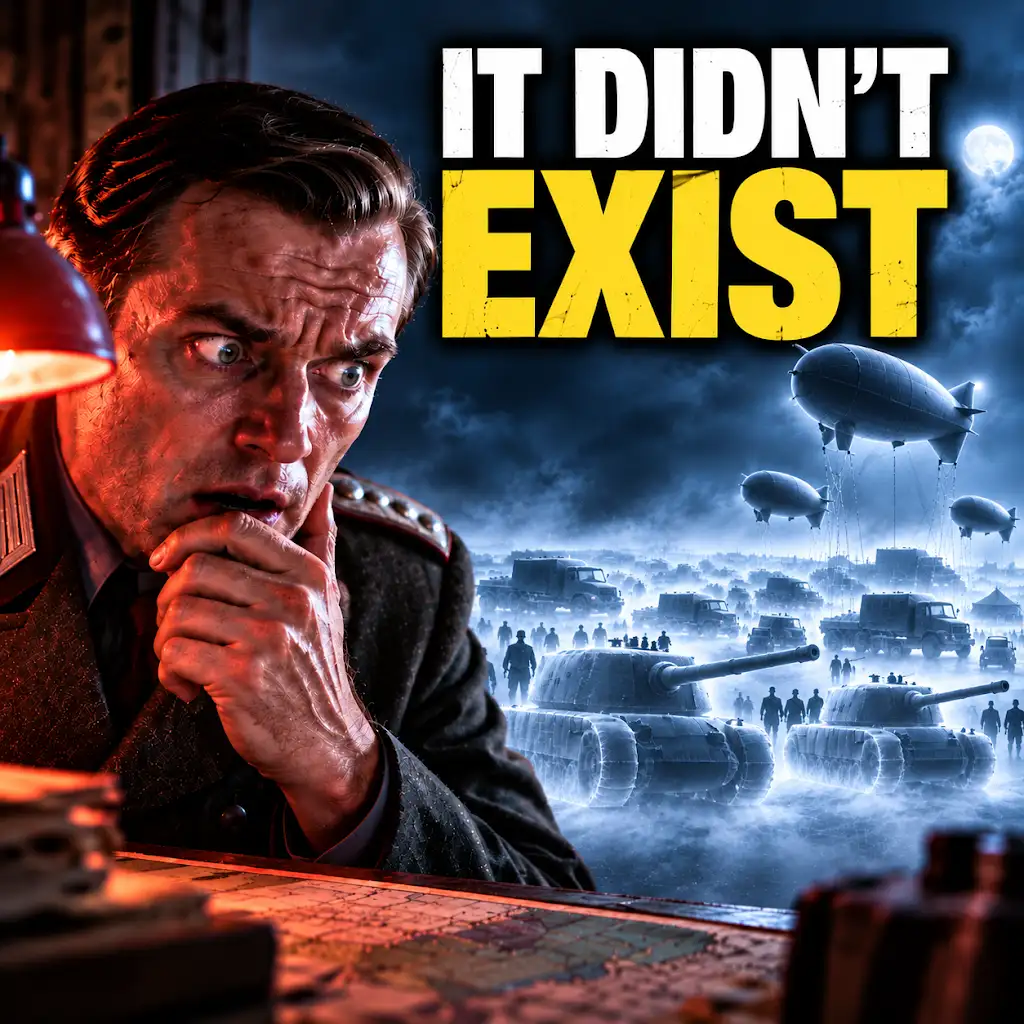
How the Allies Built an Army for Germany to Discover
FAQs
What was Operation Bodyguard?
Operation Bodyguard was a deception plan created by the Allies to mislead the Germans about the location and timing of the Normandy invasion during World War II.
How did the Allies deceive the Germans about the invasion?
The Allies used various tactics such as creating fake army units, using double agents, spreading false information, and conducting military exercises in different locations to confuse the Germans.
What was the role of the Double Cross System in hiding the Normandy invasion?
The Double Cross System was a counter-espionage operation run by the British that turned captured German spies into double agents. These double agents fed the Germans false information about the invasion, further contributing to the deception.
Why was it important for the Allies to hide the Normandy invasion?
Hiding the Normandy invasion was crucial to the success of the operation as it allowed the Allies to surprise the Germans and gain a strategic advantage in the battle for Europe.
How successful was the deception in hiding the Normandy invasion?
The deception efforts of the Allies were largely successful, as the Germans were misled about the actual location and timing of the Normandy invasion, giving the Allies a significant advantage on D-Day.