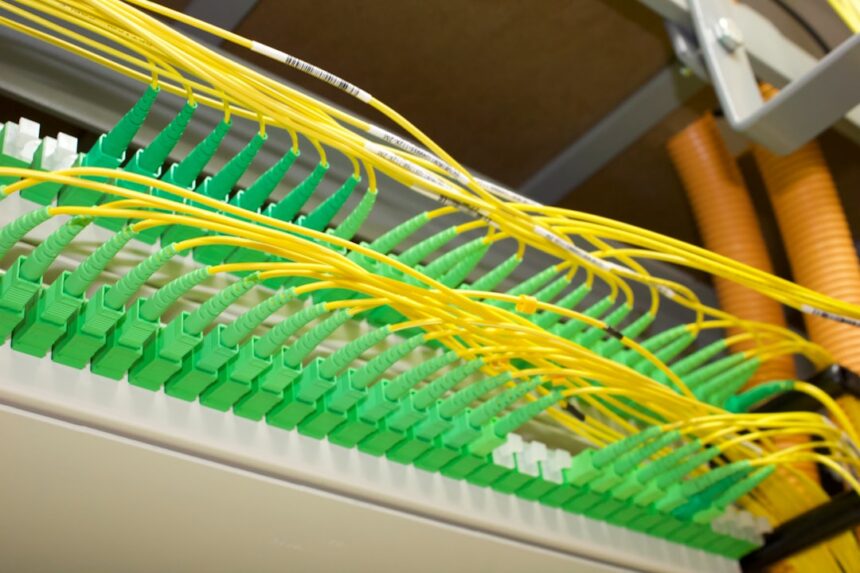
The telecommunications industry operates on a foundation of intricate networks, with fiber optic cables forming the backbone of modern communication infrastructure. The reliable functioning of these networks is paramount, directly impacting everything from business operations and emergency services to personal connectivity. Consequently, ensuring the resilience of this infrastructure is a continuous and evolving challenge. A critical aspect of this resilience lies in effective fiber load management. The Telecom Resilience Dashboard, specifically its fiber load management component, provides operators with a vital tool for monitoring, analyzing, and proactively addressing potential issues that could degrade network performance or lead to outages.
The Evolving Landscape of Fiber Optic Networks
The deployment of fiber optic networks has accelerated dramatically over the past few decades, driven by the insatiable demand for higher bandwidth and lower latency. This expansion, however, introduces a new set of complexities in managing the physical and logical layers of the network.
The Ubiquity of Fiber Optics
Fiber optic technology has transitioned from a premium offering to the standard for high-speed internet access, enterprise connectivity, and mobile backhaul. Its ability to transmit data at unprecedented speeds over long distances makes it indispensable for current and future communication needs.
Increasing Network Density and Interdependencies
As more users and services connect to the network, the density of fiber connections increases. This heightened density also means greater interdependencies. A single physical fiber route might carry traffic for numerous services, applications, and customers. Consequently, a problem affecting one fiber segment can have cascading impacts across a wide area.
Traffic Growth and its Implications
The growth in data traffic is not linear; it’s exponential. Streaming services, cloud computing, the Internet of Things (IoT), and the proliferation of connected devices all contribute to a significant and ongoing increase in the volume of data traversing fiber optic networks. Managing this ever-increasing load without compromising performance or reliability is a core challenge.
The Concept of Network Resilience
Network resilience refers to a network’s ability to withstand and recover from disruptions, whether they are caused by deliberate attacks, natural disasters, accidental damage, or equipment failures. It encompasses both fault tolerance – the ability to continue operating even when components fail – and rapid restoration capabilities.
For a deeper understanding of the factors influencing telecom resilience, particularly in relation to fiber load management, you may find the article on the Telecom Resilience Dashboard insightful. This resource provides valuable insights into how telecom networks can maintain stability and performance during peak loads. To explore this topic further, visit the article at Telecom Resilience Dashboard.
The Core Functionality of Fiber Load Management
Fiber load management within the Telecom Resilience Dashboard is designed to provide a granular view of how data is distributed and utilized across the fiber optic infrastructure. It goes beyond simple capacity reporting to offer insights into the dynamic flow of traffic and its potential impact on network health.
Monitoring Fiber Usage and Capacity
At its most basic level, fiber load management involves continuously monitoring the amount of data being transmitted through each fiber segment and comparing it against the segment’s designed capacity. This provides an immediate understanding of whether a particular link is approaching its saturation point.
Identifying Bottlenecks and Congestion Points
By analyzing real-time and historical traffic data, the dashboard can pinpoint specific fiber segments or network nodes that are experiencing significant congestion. These bottlenecks can lead to increased latency, packet loss, and ultimately, degraded service quality for end-users.
Predictive Analytics for Load Balancing
Leveraging advanced algorithms, fiber load management features can go beyond reactive monitoring. They can analyze traffic patterns, predict future load increases, and suggest or even automate load balancing actions to prevent congestion before it occurs. This proactive approach is crucial for maintaining uninterrupted service.
Granular Traffic Pattern Analysis
Understanding what traffic is traversing the network is as important as understanding how much. Load management tools can differentiate between various types of traffic (e.g., video streaming, voice calls, data transfers) and observe their impact on specific fiber links. This allows for more targeted optimization strategies.
Key Metrics and Data Points for Fiber Load Management
The effectiveness of the Telecom Resilience Dashboard’s fiber load management is directly tied to the quality and comprehensiveness of the data it ingests and presents. A range of metrics are essential for providing a holistic view of the fiber network’s strain.
Bandwidth Utilization Percentage
This fundamental metric indicates the proportion of a fiber link’s total capacity that is currently being used. A consistently high utilization percentage (e.g., above 80-90%) signals a potential risk of congestion.
Traffic Throughput (Gbps/Tbps)
This measures the actual volume of data moving across a fiber link over a specific period. Tracking throughput trends helps in understanding the overall demand placed on the network.
Latency and Jitter Measurements
While not directly a “load” metric, increased latency and jitter are direct consequences of network congestion. Monitoring these values in conjunction with bandwidth utilization provides a more complete picture of the impact of load on user experience.
Packet Loss Rate
Similar to latency and jitter, packet loss is an indicator of network stress. When a fiber link is overloaded, it may drop packets, leading to retransmissions and further performance degradation.
Historical Traffic Trend Data
Analyzing historical traffic patterns allows operators to identify daily, weekly, and seasonal peaks and troughs. This data is invaluable for capacity planning and for understanding the long-term evolution of network demand.
Real-time Traffic Flow Maps
Visual representations of traffic flow across the network, often depicted on a geographic map, can provide immediate insights into load distribution and highlight areas of concern.
Service-Specific Traffic Breakdown
The ability to segment and analyze traffic by service type (e.g., 5G backhaul, residential broadband, enterprise VPNs) allows for more nuanced load management decisions, prioritizing critical services when necessary.
Proactive Load Balancing Strategies and Their Implementation
Effective fiber load management transcends mere monitoring; it necessitates the implementation of proactive strategies to distribute traffic evenly and prevent the overloading of critical network paths.
Dynamic Traffic Rerouting
When congestion is detected on a primary fiber path, load management systems can automatically reroute traffic to alternative, less utilized paths. This ensures that services remain available and performance is maintained.
Automated Load Balancing Algorithms
Sophisticated algorithms can continuously analyze network conditions and dynamically adjust traffic flows to optimize bandwidth utilization across the entire fiber network, preventing bottlenecks from forming.
Capacity Planning and Forecasting
By understanding current load trends and predicting future demand, operators can strategically upgrade capacity in areas that are likely to experience increased strain. This ensures that the network can scale effectively with demand.
Service Prioritization and Quality of Service (QoS)
In scenarios where network resources are limited or strained, load management can be used to prioritize critical services (e.g., emergency communications, voice calls) over less time-sensitive traffic, ensuring the availability of essential functions.
Network Segmentation and Isolation
In some cases, it may be necessary to segment parts of the network to isolate potential congestion issues and prevent them from impacting other areas. This can be achieved through logical or physical separation of traffic.
The Telecom resilience dashboard is an essential tool for monitoring fiber load and ensuring optimal network performance. For those interested in exploring more about the implications of fiber load management, a related article can provide valuable insights into best practices and strategies. You can read more about it in this informative piece on network optimization techniques found here. Understanding these concepts can greatly enhance the effectiveness of your telecom infrastructure.
Integration with Other Resilience Components
The Telecom Resilience Dashboard is not a standalone tool. Its true power lies in its ability to integrate fiber load management insights with other critical resilience monitoring and management functions, creating a comprehensive network defense system.
Fault Detection and Alerting
When fiber load management indicates a potential issue, this information can trigger fault detection mechanisms. For example, sustained high load on a link might precede a physical fiber break.
Incident Management and Root Cause Analysis
Load management data provides crucial context for incident management. When an outage occurs, analyzing the load on affected fiber segments can help pinpoint the root cause more quickly.
Performance Monitoring and Degradation Alerts
Load management directly impacts network performance. Alerts for high load can be tied to performance degradation metrics like increased latency or packet loss, providing a more complete picture of network health.
Network Topology and Path Visualization
Understanding the physical and logical path of traffic is essential for effective load balancing. Integrating load management with network topology data allows for intelligent rerouting decisions.
Predictive Maintenance and Capacity Forecasting Tools
By forecasting future load requirements based on current trends, the dashboard can feed into predictive maintenance schedules, ensuring that capacity upgrades are performed proactively rather than reactively.
The Telecom Resilience Dashboard, with its sophisticated fiber load management capabilities, represents a significant advancement in ensuring the stability and reliability of modern telecommunications networks. By providing deep visibility into traffic flows and enabling proactive management strategies, it empowers operators to navigate the complexities of an increasingly demanding digital landscape and maintain the essential connectivity that underpins our global society.
FAQs
What is a telecom resilience dashboard?
A telecom resilience dashboard is a tool that provides real-time monitoring and analysis of network performance, including fiber load, to ensure the resilience and reliability of telecommunications infrastructure.
What is fiber load in the context of a telecom resilience dashboard?
Fiber load refers to the amount of data traffic or capacity being utilized on a fiber optic network. Monitoring fiber load is crucial for maintaining network performance and identifying potential issues or bottlenecks.
How does a telecom resilience dashboard help in managing fiber load?
A telecom resilience dashboard allows telecom operators to monitor fiber load in real-time, identify areas of high usage or congestion, and proactively manage network capacity to ensure optimal performance and reliability.
What are the benefits of using a telecom resilience dashboard for monitoring fiber load?
By using a telecom resilience dashboard to monitor fiber load, telecom operators can improve network efficiency, reduce downtime, and quickly respond to potential issues, ultimately enhancing the overall resilience and reliability of the telecommunications infrastructure.
How does a telecom resilience dashboard contribute to overall network resilience?
A telecom resilience dashboard provides valuable insights into network performance, including fiber load, which enables telecom operators to make informed decisions, optimize network capacity, and proactively address potential vulnerabilities, ultimately enhancing the overall resilience of the telecommunications network.