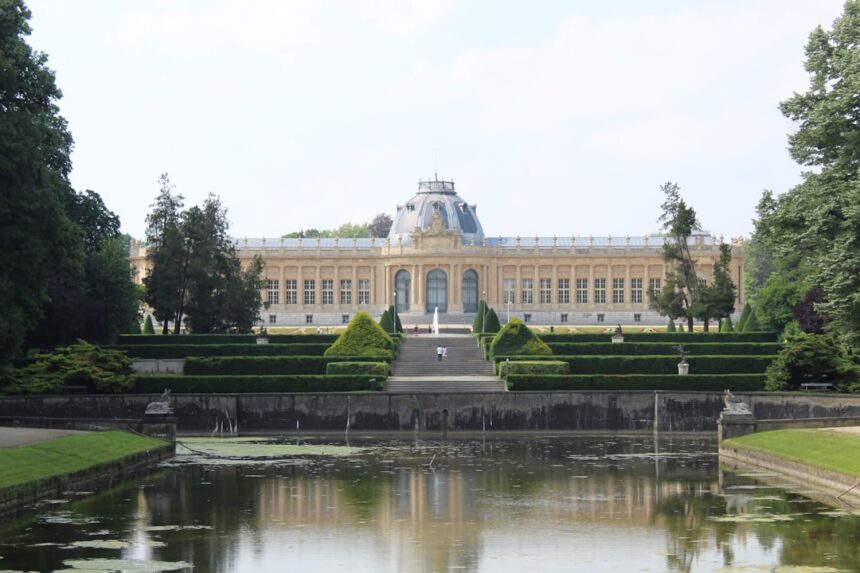
The Tajbeg Palace stands as a testament to a bygone era, a structure that embodies both refined architectural sensibilities and a formidable capacity for defense. Its enduring presence in the historical landscape speaks to a sophisticated understanding of design, engineering, and the strategic imperatives of its time. This fortified residence, rather than being purely decorative, served a dual purpose, harmonizing aesthetic considerations with the pragmatic requirements of security. Its very form suggests a society that valued both opulence and protection, the former intended to project power and the latter to preserve it.
The selection of the Tajbeg Palace’s location was a critical early decision, driven by strategic considerations that would inform its entire development. Situated atop a prominent elevation, the site offered a commanding view of the surrounding territory, a fundamental requirement for any defensive structure. This elevated position provided early warning against approaching threats, allowing for timely mobilization of forces and a tactical advantage in any engagement. The natural topography of the chosen area also played a significant role, likely incorporated into the defensive scheme. Features such as steep inclines or natural barriers would have augmented the artificial fortifications, creating a multi-layered perimeter of defense.
Topographical Advantages
The landscape surrounding Tajbeg was not merely a backdrop; it was an integral component of its strategic layout. The builders, recognizing the inherent defensive qualities of the terrain, leveraged these natural advantages to their fullest extent.
Natural Barriers and Obstacles
The presence of deep ravines, sheer cliffs, or dense, impenetrable forests in the vicinity would have presented significant obstacles to any attacking force. These natural formations would have channeled enemy movements, restricting their options and making them more vulnerable to interception. The strategic placement of watchtowers or defensive posts in conjunction with these natural features would have allowed for effective surveillance and the deployment of countermeasures.
Elevated Vantage Points
The commanding elevation of the palace site itself provided an unparalleled vantage point. From this position, defenders could observe the movements of any approaching army from a considerable distance. This foresight was crucial for preparing a defense, organizing troops, and potentially launching pre-emptive strikes or orchestrating ambushes in the surrounding terrain.
Early Planning and Fortification
Even in its nascent stages, the design of Tajbeg incorporated defensive elements that were integrated with the planned residential and administrative functions. The initial architectural blueprints likely prioritized the establishment of a secure perimeter.
Foundations of Defense
The foundations of Tajbeg were laid with a clear understanding of the need for robust construction capable of withstanding siege warfare. The thickness of the walls, the materials used, and the depth of the foundations all point to a deliberate effort to create a structure that was inherently resistant to assault.
Integrated Defensive Features
Unlike structures where defenses are added as an afterthought, the original design of Tajbeg appears to have intrinsically woven defensive features into its fabric. This could have included strategically placed meurtrières (arrow slits), machicolations (projecting parapets from which defenders could drop projectiles), and reinforced gatehouses.
The Tajbeg Palace, an architectural marvel in Afghanistan, showcases a unique blend of traditional Afghan design and modern military fortifications. Its strategic location and robust construction reflect the historical significance of defensive architecture in the region. For a deeper understanding of how such structures have evolved and their role in defense, you can explore a related article that discusses various aspects of military architecture and its impact on historical conflicts. For more information, visit this article.
Architectural Evolution: Function and Form
The architectural narrative of Tajbeg Palace is one of continuous adaptation and refinement, driven by both evolving functional needs and contemporary aesthetic trends. While the paramount importance of defense remained a constant, the palace also served as a center of power, administration, and elite living, necessitating the incorporation of elements that reflected these roles. The interplay between these competing demands shaped the palace’s distinctive character, resulting in a structure that is both imposing and surprisingly elegant. The layered construction and additions over time provide a visual timeline of its history, each phase reflecting the priorities and architectural styles of its era.
The Central Keep and Inner Courtyard
At the heart of Tajbeg’s defensive strategy lay its central keep, a formidable structure designed to serve as a last bastion of resistance. Adjacent to this, the inner courtyard acted as a vital organizing space, facilitating communication and troop movements within the palace’s secure confines.
The Bastion of Last Resort
The keep was not merely a building but a self-contained defensive unit. Its thick walls, limited access points, and elevated position made it a formidable stronghold capable of withstanding prolonged assaults. It would have housed essential supplies, a garrison, and potentially the royal family during times of crisis.
The Inner Ward: A Hub of Activity
The inner courtyard served as the operational nerve center of the palace. It provided a sheltered space for soldiers to gather, for messengers to deliver intelligence, and for defensive preparations to be coordinated. Its enclosed nature offered a degree of protection from the elements and from direct enemy fire.
Residential and Administrative Wings
Beyond its purely defensive features, Tajbeg incorporated expansive wings dedicated to residential living and the administration of its domain. These areas, while seemingly less martial, were also designed with security in mind, albeit through different means.
Palatial Residences
The royal and noble residences were designed to offer comfort and display status, yet they were often situated within the fortified walls, accessible only through secure passages. The interiors would have been adorned with materials and craftsmanship befitting their inhabitants, reflecting the wealth and power of the ruling elite.
Administrative Centers
The administrative wings housed offices, archives, and reception areas. The secure location of these facilities ensured the continuity of governance even under threat, safeguarding vital documents and facilitating the management of resources. Access to these areas would have been carefully controlled.
Reinforcement and Expansion Over Time
The history of Tajbeg is marked by periods of reinforcement and expansion, indicating a dynamic approach to its upkeep and adaptation. As military technologies evolved and the perceived threats changed, so too did the palace’s defenses and its overall structure.
Upgraded Fortifications
Later additions often focused on strengthening existing defenses. This might have included the construction of outer curtain walls, the enhancement of existing towers, or the implementation of more advanced defensive technologies of the period.
Aesthetic Integration
Despite the focus on defense, these additions were often integrated with the existing architectural style, or introduced new aesthetic elements that reflected prevailing tastes. The goal was to enhance security without compromising the palace’s dignity and grandeur.
Engineering Prowess: Materials and Techniques
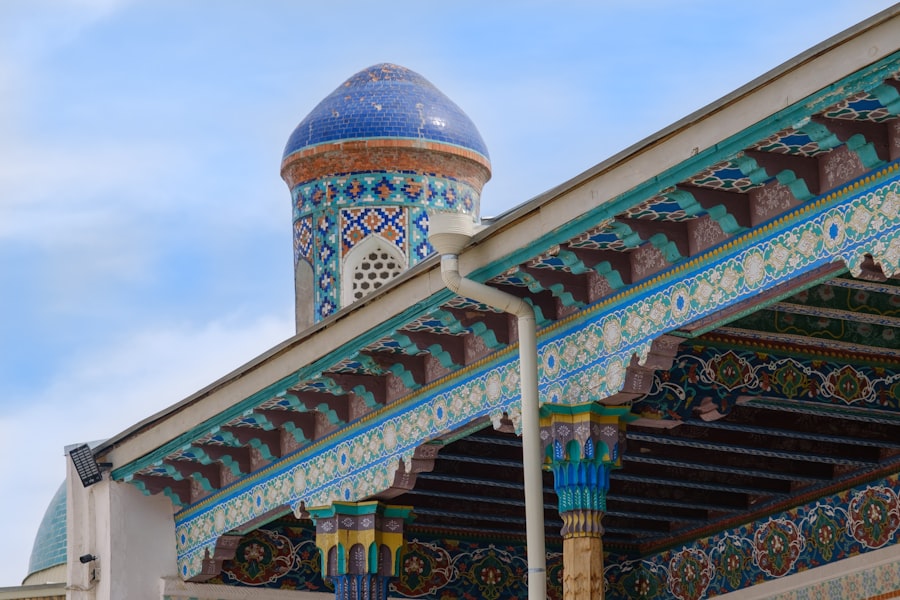
The construction of Tajbeg Palace reveals a sophisticated understanding of engineering principles and a masterful utilization of available materials. The durability and longevity of the structure are direct consequences of the meticulous planning and execution of its builders. This was not a haphazard construction project; it was a deliberate and calculated endeavor that prioritized strength, stability, and the capacity to endure. The selection of materials was strategic, chosen for their resilience and suitability to the specific structural demands of a fortified palace.
Foundation and Wall Construction
The very foundation of Tajbeg’s defense lies in the robust construction of its walls and foundations. These elements were designed to withstand the immense pressures of their own weight, as well as the external forces of attack.
Deep and Reinforced Foundations
The foundations of Tajbeg were likely excavated deeply into the earth, providing a stable base for the massive stone structures above. Reinforcements, possibly using timber or other materials, may have been incorporated to further enhance their load-bearing capacity and resistance to seismic activity or undermining.
Thick, Load-Bearing Walls
The sheer thickness of Tajbeg’s outer walls is a primary indicator of its defensive intent. These walls were not simply barriers; they were engineered to absorb and deflect the impact of projectiles, cannon fire, and battering rams. The type of masonry, whether cut stone or rubble fill, and the bonding techniques used would have significantly contributed to their structural integrity.
Defensive Architecture Elements
Beyond the basic wall structure, Tajbeg incorporated a range of specialized architectural elements designed to enhance its defensive capabilities. These features demonstrate a detailed knowledge of siege warfare and its countermeasures.
Battlements and Crenellations
The distinctive features crowning the walls, known as battlements and crenellations, served a crucial dual purpose. The merlons (solid sections) provided cover for archers and defenders, while the crenels (gaps) allowed for observation and the firing of projectiles. Their design would have been optimized for effectiveness against the weaponry of the time.
Towers and Turrets
Strategically placed towers and turrets extended the defensive perimeter and provided elevated platforms for surveillance and engagement. These structures offered flanking fire capabilities, allowing defenders to cover blind spots and create overlapping fields of fire. Their design might have included rounded or angled shapes to deflect projectiles more effectively.
Construction Techniques and Labor
The successful realization of Tajbeg’s complex design required significant organizational skill and a well-trained labor force. The techniques employed, though ancient by modern standards, were highly effective.
Masonry Skills
The quality of the stonework at Tajbeg suggests highly skilled masons. The precise cutting, fitting, and dressing of stone blocks would have been essential for creating strong, stable, and aesthetically pleasing structures. Techniques for lifting and placing heavy stones would have been refined.
Logistical Management
The procurement, transport, and management of vast quantities of building materials were substantial undertakings. This would have involved sophisticated logistics, including quarrying operations, organized transport networks, and the efficient deployment of labor for construction.
The Intricacies of Impenetrability: Layered Defenses

The defense of Tajbeg Palace was not reliant on a single line of fortifications but rather on a meticulously planned system of layered defenses. This strategy aimed to maximize the difficulty for any attacking force to breach the inner sanctums, forcing them to overcome multiple obstacles, each designed to weaken and delay them. The palace’s design reflects an understanding that a single point of failure could compromise the entire structure.
Outer Perimeter and Approach Control
The initial layer of defense focused on controlling the approaches to the palace, making it perilous for any force to even reach the main walls. This involved shaping the landscape and constructing outer defensive structures.
Strategic Approaches and Controlled Entry Points
Access to Tajbeg was likely channeled through carefully controlled routes, making it difficult for large armies to approach undetected or unopposed. Natural obstacles, combined with engineered choke points, would have funneled potential attackers into kill zones where they could be ambushed or subjected to sustained fire.
Outworks and Advanced Positions
Beyond the main walls, Tajbeg may have featured a system of outworks, such as moats, earthworks, or detached defensive towers (barbicans). These acted as early warning systems and forward defensive positions, designed to slow down and inflict casualties on an approaching enemy before they reached the primary fortifications.
The Main Walls and Gatehouses
The primary defensive line comprised the substantial outer walls and their strategically vital gatehouses. These were the first significant physical barriers attackers would encounter.
Curtain Walls and Parapets
The tall, thick curtain walls formed the primary enclosure. Their height and solidity were intended to be daunting obstacles. The battlements and parapets atop these walls provided defensible positions for soldiers to engage attackers.
Fortified Gatehouses
The gatehouses were the most vulnerable points in any fortification, and Tajbeg’s would have been exceptionally strong. They typically featured multiple gates, portcullises (heavy sliding gates), murder holes, and flanking towers to provide overlapping fields of fire, making them incredibly difficult to force open.
Inner Defenses and Secure Zones
Even if the outer defenses were breached, Tajbeg possessed further layers of security within its walls. These inner zones were designed to resist penetration and protect the occupants.
Inner Courtyards and Bailey Systems
The palace likely incorporated an inner courtyard or bailey system, separating the outer areas from the more vital inner structures. This provided a secondary defensive zone, where defenders could regroup and mount further resistance.
The Central Keep as a Stronghold
As mentioned earlier, the central keep served as the ultimate refuge. Its independent defensive capacity ensured that even if the outer walls fell, the core of the palace could hold out for a considerable period, awaiting relief or negotiating terms.
The Tajbeg Palace, with its unique blend of architectural elegance and strategic defense features, stands as a testament to Afghanistan’s rich history. Its design not only reflects the artistic sensibilities of its time but also incorporates elements meant for protection against potential threats. For a deeper understanding of the architectural significance and historical context of such structures, you can explore a related article on military architecture and its evolution in the region at In the War Room. This resource provides valuable insights into how defense considerations have shaped the design of various historical buildings.
Symbolic Significance and Imperial Presence
| Aspect | Details |
|---|---|
| Architectural Style | Mughal architecture with Persian influences |
| Materials Used | Red sandstone and marble |
| Defensive Features | High walls, watchtowers, and moat |
| Layout | Symmetrical design with gardens and water features |
| Size | Approximately 1,000 acres |
Beyond its military and architectural functions, Tajbeg Palace served as a potent symbol of imperial power and authority. Its imposing presence and meticulously crafted details were intended to project an image of strength, stability, and the enduring might of the ruling dynasty. The palace was not just a residence; it was a statement, a physical manifestation of the empire’s prestige and its ability to command resources and manpower on a grand scale. Every stone laid, every decorative element incorporated, contributed to this overarching message.
A Beacon of Authority
The very existence of such a fortified and elaborate structure in a prominent location would have served as a constant reminder of the ruling power’s dominance. Its silhouette against the skyline would have been a visual anchor for the empire.
Projecting Stability and Permanence
The solid, enduring nature of the stone construction, designed to withstand attacks, also conveyed an impression of permanence and unshakeable authority. The palace was built to last, mirroring the desired longevity of the empire itself.
Demonstrating Wealth and Resources
The scale of Tajbeg, the quality of its materials, and the labor required for its construction were all clear indicators of the immense wealth and resources at the disposal of its patron. This display of prosperity was a subtle yet powerful tool of governance and influence.
Architectural Symbolism
The architectural choices made in the design and construction of Tajbeg were not purely functional; they were also imbued with symbolic meaning, often reflecting cultural values and aspirations.
Materials and Their Meanings
The use of specific materials, such as rare or durable stones, might have carried symbolic weight, associating the palace with strength, purity, or divine favor. The intricate carvings and decorative motifs would have further contributed to this symbolism, often referencing historical events, religious beliefs, or mythological figures.
Style and Hierarchy
The architectural style itself could communicate a message of hierarchy and order. Distinctive features, such as monumental entrances or the separation of different functional areas, would have reinforced the social and political structure of the empire. The grandeur of the reception halls, for instance, was designed to impress visitors and reinforce the patron’s status.
The Palace as a Center of Power
Tajbeg was more than just a defensive structure; it was the nucleus of imperial administration and influence. Its functions extended far beyond mere protection, encompassing governance, diplomacy, and the celebration of power.
Administrative Hub
The palace served as the seat of government, housing administrative offices, courts, and archives. Decisions that shaped the lives of millions would have emanated from its halls, underlining its centrality to the empire’s functioning.
Diplomatic and Ceremonial Functions
Tajbeg would have been the venue for crucial diplomatic engagements, receiving foreign dignitaries and solidifying alliances. Its grand halls and ceremonial spaces were designed to impress and project the empire’s standing on the international stage.
The Tajbeg Palace, therefore, transcends a simple classification as either a purely defensive fortification or an opulent residence. It is a complex synthesis of both, a monument to an era where architectural ingenuity was inextricably linked with the pragmatic needs of survival and the potent projection of power. Its enduring form continues to speak of a society that understood the delicate balance between building for security and building for legacy.
FAQs
What is the architectural style of Tajbeg Palace?
Tajbeg Palace is built in a neoclassical architectural style, featuring grand columns, symmetrical design, and ornate detailing.
What are the defensive features of Tajbeg Palace?
Tajbeg Palace was designed with defensive features such as high walls, watchtowers, and strategically placed entrances to protect against potential threats.
Who was the architect of Tajbeg Palace?
Tajbeg Palace was designed by Afghan architect Ustad Ahmad, who incorporated both traditional Afghan architectural elements and neoclassical influences into the design.
What materials were used in the construction of Tajbeg Palace?
Tajbeg Palace was constructed using locally sourced materials such as stone, marble, and wood, which were meticulously crafted to create the intricate details seen throughout the palace.
What is the historical significance of Tajbeg Palace?
Tajbeg Palace served as the primary residence of the Afghan royal family and was a symbol of the country’s cultural and architectural heritage. It also played a role in the political history of Afghanistan, particularly during the Soviet invasion and subsequent conflicts.