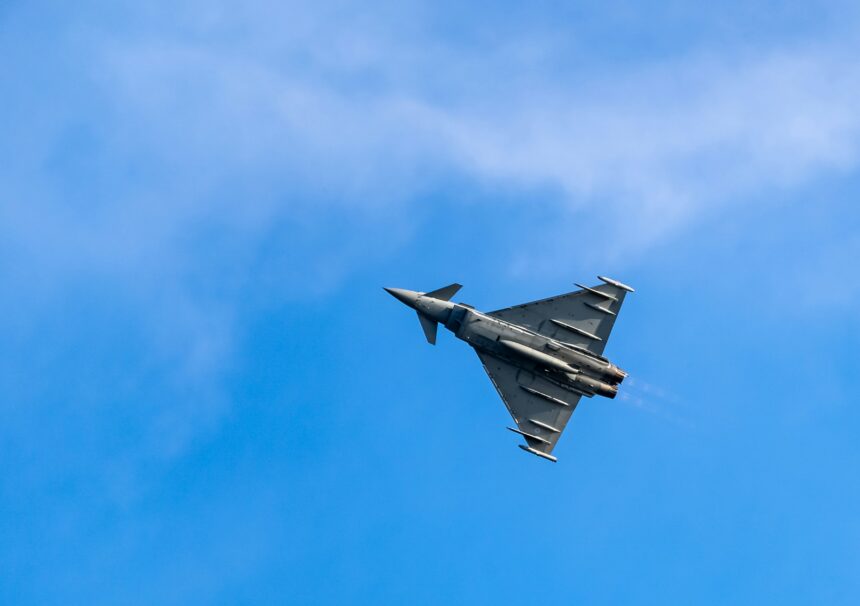
Operation Desert Storm, the coalition’s response to Iraq’s invasion of Kuwait, stands as a watershed moment in military history. Beyond the thunderous artillery barrages and the iconic images of aerial dogfights, a more subtle yet profoundly decisive element shaped the conflict: the intricate and pervasive application of systems warfare. This was not merely a war fought with advanced weaponry; it was a war waged by leveraging interconnected networks, sophisticated data analysis, and a synchronized application of diverse capabilities. The United States, at the forefront of this technological revolution, demonstrated how the intelligent integration of military systems could achieve unprecedented levels of battlefield dominance. Desert Storm showcased a paradigm shift from attrition-based warfare to a precision-oriented approach, where information, communication, and technological superiority converged to deliver swift and overwhelming victory.
During Operation Desert Storm, the concept of systems warfare played a crucial role in the coalition’s success, emphasizing the integration of various military capabilities to achieve strategic objectives. For a deeper understanding of this approach and its implications, you can read a related article that explores the intricacies of systems warfare during this pivotal conflict. To learn more, visit this article.
The Dawn of Network-Centric Warfare: A Conceptual Leap
The theoretical underpinnings of systems warfare, though evolving over decades, found their most potent expression in Operation Desert Storm. This was not an accidental deployment of technology but a deliberate application of a developing doctrine that emphasized the synergy between individual weapon systems, command and control structures, and intelligence gathering. The idea was to create a “system of systems,” where each component amplified the effectiveness of the others, leading to a multiplicative advantage over an adversary operating with more traditional, stovepiped capabilities.
Intelligence, Surveillance, and Reconnaissance (ISR) as the Nerve Center
The ability to see, understand, and react faster and more accurately than the enemy was a cornerstone of systems warfare in Desert Storm. The ISR apparatus deployed by the coalition was arguably the most sophisticated ever assembled.
The Eyes in the Sky: Advanced Aerial Platforms
Reconnaissance aircraft, from the venerable U-2 to the cutting-edge stealth reconnaissance variants of the F-117 and B-2 bombers, provided a constant stream of imagery and electronic intelligence. These platforms, equipped with advanced sensors, could penetrate enemy defenses, identify targets, and monitor troop movements with unparalleled clarity. The sheer volume and quality of intelligence gathered allowed for the precise targeting of critical Iraqi infrastructure and military assets.
Signals Intelligence (SIGINT) and Electronic Warfare (EW) Dominance
The coalition’s SIGINT capabilities were instrumental in deciphering Iraqi communications and understanding their operational plans. Electronic eavesdropping allowed for the identification of key command nodes, the interception of orders, and the anticipation of enemy movements. Complementing SIGINT was a robust EW program, which aimed to disrupt, deceive, and deny the enemy the use of their own electronic systems. Jamming enemy radar, communications, and missile guidance systems created confusion and blind spots, effectively neutralizing many of their defensive capabilities.
The Ubiquitous Presence of Satellites
Satellite technology played a pivotal role in providing global coverage for intelligence gathering and communication. Reconnaissance satellites offered persistent surveillance, while communication satellites ensured that vital information flowed seamlessly between disparate units and command centers, regardless of their geographic location. This constant influx of data, processed and disseminated through sophisticated networks, painted a comprehensive picture of the battlefield.
The Precision Strike Doctrine: Decimating Infrastructure and Morale
Systems warfare enabled the precise application of overwhelming force against specific targets, minimizing collateral damage and maximizing strategic impact. The “shock and awe” campaign, launched on January 17, 1991, was a testament to this capability.
The Stealth Revolution: Bypassing Defenses
The F-117 Nighthawk and B-2 Spirit stealth bombers represented a significant leap in aerial combat. Their low-observable characteristics allowed them to penetrate heavily defended airspace with relative impunity, targeting command and control centers, air defense sites, and critical infrastructure with pinpoint accuracy. This denied Iraq the ability to effectively respond to coalition airpower and disrupted their ability to wage organized resistance.
The Cruise Missile Barrage: A Surgical Approach
The Tomahawk cruise missile, launched from naval vessels and submarines, offered a standoff capability that could strike targets deep within Iraq without exposing manned aircraft to significant risk. These missiles, guided by GPS and inertial navigation systems, were capable of immense precision, allowing for the systematic destruction of military facilities, communication hubs, and power generation plants. The sheer volume of cruise missile strikes demonstrated the coalition’s ability to saturate enemy defenses and deliver a crippling blow.
The Smart Bomb Revolution: Turning Ordnance into Intelligence
The widespread use of precision-guided munitions (PGMs), often referred to as “smart bombs,” was a hallmark of Desert Storm. Paveway laser-guided bombs and the new generation of GPS-guided Joint Direct Attack Munitions (JDAMs) allowed aircraft to strike targets with unprecedented accuracy, even in adverse weather conditions. This minimized the need for repeated bombing runs, conserved ordnance, and reduced the risk to aircrews.
Command, Control, Communications, Computers, and Intelligence (C4I): The Digital Backbone

The effectiveness of systems warfare is inextricably linked to the ability to manage and disseminate information. The coalition’s C4I systems were the central nervous system that connected every element of the war effort, allowing for seamless coordination and rapid decision-making.
The Interconnected Battlefield: Networked Operations
Desert Storm was one of the first major conflicts where the concept of a networked battlefield was truly realized. Data from ISR platforms, reconnaissance aircraft, ground sensors, and even individual soldiers was fed into a common operating picture (COP) accessible by commanders at various levels. This allowed for real-time situational awareness, enabling rapid adjustments to operational plans and the efficient allocation of resources.
The Role of the Global Positioning System (GPS)
The widespread availability and accuracy of GPS technology were transformative. It provided precise navigation for aircraft, vehicles, and even individual soldiers, ensuring that forces could operate with a high degree of accuracy and coordination. GPS was crucial for the effective employment of PGMs and for maintaining unit cohesion during complex maneuvers.
Secure and Reliable Communications: The Backbone of Coordination
The coalition’s robust and secure communication network was essential for maintaining command and control across vast distances. Satellite communications, encrypted radio frequencies, and tactical data links ensured that orders, intelligence updates, and status reports were transmitted reliably and securely, preventing enemy interception and disruption.
Data Fusion and Analysis: Transforming Raw Information into Actionable Intelligence
The sheer volume of data generated by the ISR assets required sophisticated systems for processing, analyzing, and disseminating it. Data fusion techniques allowed for the integration of information from disparate sources, creating a comprehensive and coherent picture of the operational environment.
The Intelligence Cycle in Real-Time
The traditional intelligence cycle, which often involved lengthy processing times, was compressed into near real-time operations. Advanced algorithms and dedicated intelligence analysis teams worked in concert to identify threats, assess enemy capabilities, and recommend courses of action to commanders. This rapid feedback loop was critical for maintaining the initiative.
The Electronic Order of Battle (EOB)
The development and maintenance of an accurate EOB was a key outcome of the coalition’s SIGINT and EW efforts. This detailed understanding of the enemy’s electronic order of battle, including the location and capabilities of their radar, communication systems, and missile batteries, was essential for planning offensive operations and developing effective countermeasures.
Logistics and Sustainment: The Unseen Enabler of Dominance
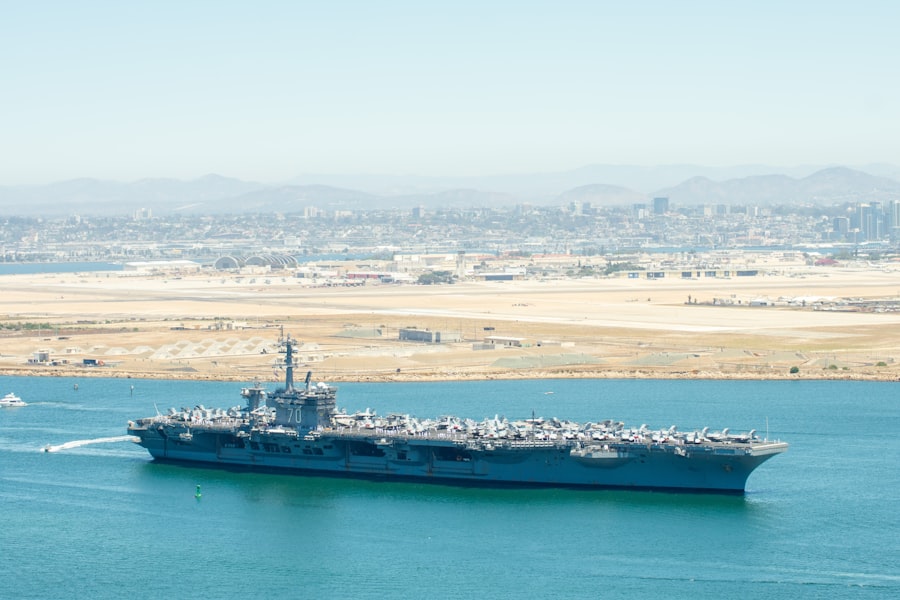
While often overlooked in favor of the dramatic displays of combat power, the logistical and sustainment systems of the coalition were a critical, albeit often invisible, component of systems warfare. The ability to move, equip, and support a massive military force thousands of miles from home was a testament to advanced planning and technological integration.
The Scale of the Operation: Mobilizing a Global Force
The sheer scale of the logistical challenge in Desert Storm was unprecedented. Millions of tons of supplies, including fuel, ammunition, food, and equipment, had to be transported from around the world to the Persian Gulf region.
Advanced Transportation Networks
The coalition leveraged a multimodal transportation network, utilizing ships, aircraft, and ground convoys to move personnel and materiel efficiently. The rapid deployment of forces relied on meticulously planned logistical chains and the pre-positioning of assets.
Just-in-Time Logistics and Supply Chain Management
Advanced supply chain management techniques were employed to ensure that units received the supplies they needed precisely when they needed them. This minimized the need for large, vulnerable stockpiles and ensured that combat units remained combat-ready.
Maintenance and Repair: Keeping the Machines of War Running
The operational tempo of Desert Storm placed immense demands on military equipment. The sophisticated maintenance and repair infrastructure that supported the coalition forces was vital for sustaining combat power.
Predictive Maintenance and Diagnostics
Advanced diagnostic tools and predictive maintenance techniques were used to identify potential equipment failures before they occurred, allowing for proactive repairs and minimizing downtime.
The Global Reach of Support
The coalition’s logistical network extended globally, with repair facilities and spare parts depots strategically located to support operations. This ensured that even the most sophisticated equipment could be maintained and returned to service quickly.
During Operation Desert Storm, the concept of systems warfare played a crucial role in the coalition’s strategy, emphasizing the integration of various military capabilities to achieve a decisive advantage. A related article explores the intricacies of this approach and its impact on modern warfare, providing valuable insights into how technology and coordination can shape the battlefield. For more information on this topic, you can read the full article here.
The Psychological Dimension: Undermining the Enemy’s Will to Fight
| Metrics | Value |
|---|---|
| Number of Coalition aircraft sorties | Total: 109,876 |
| Number of Coalition aircraft strikes | Total: 41,000 |
| Number of Iraqi aircraft destroyed | Total: 115 |
| Number of Iraqi tanks destroyed | Estimated: 1,400 |
| Number of Iraqi artillery pieces destroyed | Estimated: 2,000 |
Systems warfare in Desert Storm was not solely about physical destruction; it also aimed to break the enemy’s morale and will to resist. The coordinated application of various systems contributed to a profound psychological impact on the Iraqi military.
The Illusion of Omniscience: Constant Surveillance and Anticipation
The pervasive ISR capabilities created an environment where Iraqi forces felt constantly watched. The knowledge that their movements, communications, and preparations were being monitored fostered a sense of vulnerability and helplessness, eroding their confidence.
Targeted Information Operations
While not as technologically advanced as the kinetic aspects of systems warfare, psychological operations (PSYOPs) were integrated with the overall campaign. Dropping leaflets, broadcasting messages, and disrupting enemy communications all contributed to sowing confusion and demoralization.
The Overwhelming and Precise Application of Force
The relentless and accurate bombing campaign, coupled with the perceived inability of Iraqi air defenses to effectively counter coalition airpower, had a devastating psychological effect. The constant threat of precise strikes, with little warning and minimal chance of effective defense, created a climate of fear and despair.
The Collapse of Command and Control
The systematic targeting of Iraqi command and control nodes disrupted their ability to organize, coordinate, and respond effectively. This breakdown in leadership further contributed to the psychological disintegration of their forces, leading to widespread surrenders and a loss of combat effectiveness.
In conclusion, Operation Desert Storm was a profound demonstration of systems warfare. It was a conflict where the intelligent integration of technology, information, and human judgment created a synergistic effect that overwhelmed the enemy. The coalition’s ability to see, understand, communicate, and strike with unprecedented precision and speed, all underpinned by robust logistical and command and control systems, redefined the nature of modern warfare. The lessons learned from Desert Storm continue to shape military doctrine and technological development, underscoring the enduring importance of systems warfare in achieving strategic objectives. The invisible hand of interconnected systems, far more than any single weapon system, was the true architect of victory.
The Invisible Attack That Crippled Iraq’s Army | Desert Storm Documentary
FAQs
What is systems warfare?
Systems warfare is a military strategy that focuses on targeting an enemy’s critical infrastructure and communication systems to disrupt their ability to command and control their forces.
How was systems warfare utilized during Operation Desert Storm?
During Operation Desert Storm, systems warfare was used by the coalition forces to target Iraq’s communication networks, air defense systems, and command and control centers. This strategy aimed to disrupt Iraq’s ability to coordinate their military forces and defend against coalition attacks.
What were the key technologies used in systems warfare during Operation Desert Storm?
Key technologies used in systems warfare during Operation Desert Storm included precision-guided munitions, electronic warfare systems, and satellite communication. These technologies allowed coalition forces to target and disrupt Iraq’s critical infrastructure with unprecedented accuracy and effectiveness.
What impact did systems warfare have on the outcome of Operation Desert Storm?
Systems warfare played a significant role in the outcome of Operation Desert Storm by crippling Iraq’s ability to effectively coordinate and defend against coalition attacks. The disruption of Iraq’s communication and command systems contributed to the swift and decisive victory of the coalition forces.
What lessons were learned from the use of systems warfare during Operation Desert Storm?
The success of systems warfare during Operation Desert Storm highlighted the importance of integrating advanced technologies and targeting enemy infrastructure in modern military operations. It also emphasized the need for robust communication and command systems to withstand potential disruption from enemy attacks.