The echo of a Sunday morning raid, a day of infamy that forever etched itself into the annals of history, still resonates for the survivors of the Pearl Harbor attack. December 7, 1941, dawned bright and deceptively peaceful over the Hawaiian Islands. The unsuspecting American naval base at Pearl Harbor was a bustling hub of activity, sailors and soldiers enjoying a day of rest and routine, unaware of the storm gathering on the horizon. Then, without warning, the skies erupted. Japanese fighter planes, bombers, and torpedo planes descended in waves, unleashing a torrent of destruction. The attack, swift and brutal, inflicted devastating losses on the U.S. Pacific Fleet, claiming thousands of lives and forever altering the course of World War II. Yet, amidst the chaos and carnage, a remarkable spirit of resilience emerged. This is the story of those who lived to tell the tale, the survivors of Pearl Harbor, their enduring memories, their profound impact on the nation, and their tireless efforts to keep the flame of remembrance alive.
The morning of December 7, 1941, was intended to be a day of relative quiet for the sailors and airmen stationed at Pearl Harbor. Many were enjoying a rare moment of leisure, some attending church services, others sleeping in after a night watch. The USS Arizona, the majestic flagship of the Pacific Fleet, was anchored peacefully, its crew engaged in their typical Sunday routines. The air was filled with the usual sounds of a naval base – the distant clang of a bell, the murmur of conversation, the gentle lapping of waves against the hulls of ships.
The First Wave: A Rude Awakening
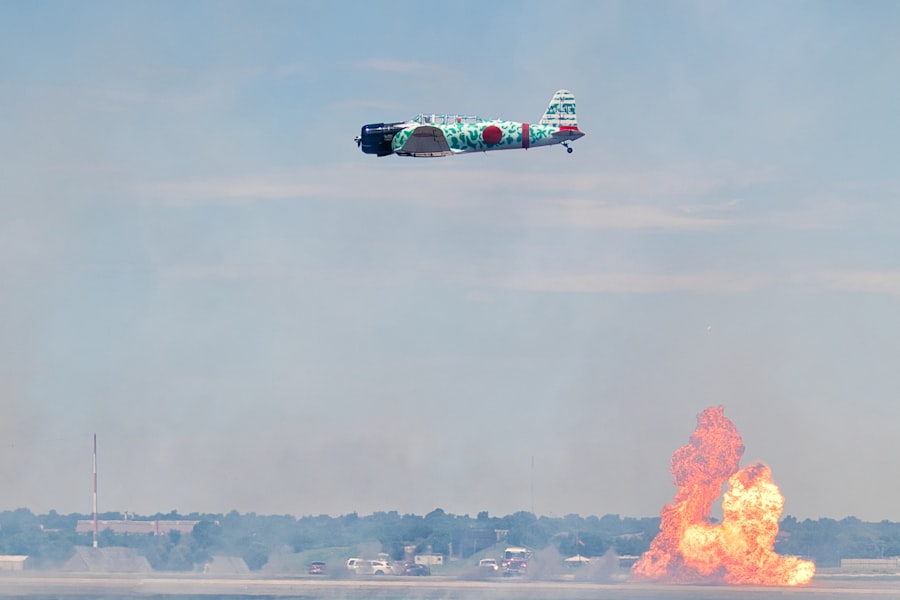
The first indication of the impending disaster was not a bugle call to arms, but the thunderous roar of engines and the scream of falling bombs. At approximately 7:48 AM Hawaiian Time, the first wave of Japanese aircraft, launched from six aircraft carriers positioned north of Oahu, struck with chilling precision. The element of surprise was absolute. Anti-aircraft guns, initially caught off guard, began to fire sporadically as the shock of the attack registered. Sailors, many still in their pajamas or work clothes, scrambled to their stations, facing an enemy they had not anticipated.
The Cataclysmic Impact on the Battleships
The primary targets of the initial assault were the battleships moored in “Battleship Row.” The USS Oklahoma capsized in minutes after being hit by multiple torpedoes, trapping hundreds of men inside. The USS California, mortally wounded, slowly sank, its crew fighting bravely to save their ship and their lives. The USS West Virginia suffered a similar fate, absorbing devastating hits that plunged it beneath the waves. The USS Nevada, attempting to get underway, was heavily damaged and deliberately beached to prevent it from sinking and blocking the channel.
The Inferno of the USS Arizona
The most iconic and tragic symbol of the attack remains the USS Arizona. A bomb penetrated its forward magazine, triggering a catastrophic explosion that ripped the ship apart, killing 1,177 of its crew. The explosion was so immense that it sent a plume of smoke and debris thousands of feet into the air, visible for miles around. The inferno that engulfed the Arizona burned for days, a stark testament to the ferocity of the attack. For those who witnessed it firsthand, the image of the burning battleship remains an indelible scar.
The Second and Third Waves: Continued Carnage
The initial assault was followed by a second wave of Japanese planes, which continued their destructive mission, focusing on other naval vessels, aircraft on the ground, and shore installations. While the first wave aimed to cripple the battleships, the subsequent waves sought to maximize damage and prevent any effective American response. The air was thick with smoke, fire, and the acrid smell of aviation fuel. The sounds of explosions, machine-gun fire, and the cries of the wounded created a scene of utter pandemonium.
The Destruction of Aircraft
The attack also devastated the U.S. Army and Navy air forces stationed in Hawaii. Planes were strafed and bombed on the ground at Hickam Field, Wheeler Army Airfield, and Ewa Mooring Mast Airfield, rendering much of the Pacific Fleet’s air power useless in the immediate aftermath. This lack of air cover severely hampered any immediate counterattack efforts.
The Human Cost: Casualties and Injuries
The human cost of the attack was staggering. In total, 2,403 Americans were killed and 1,178 were wounded. Among the dead were 1,102 sailors and Marines aboard the USS Arizona alone. The sheer scale of the loss sent shockwaves across the nation, galvanizing public opinion and propelling the United States into World War II.
The attack on Pearl Harbor on December 7, 1941, marked a pivotal moment in World War II, but amidst the destruction, there were notable survivors and stories of resilience. For an in-depth exploration of what survived that fateful day, including the heroic actions of military personnel and the enduring legacy of the naval fleet, you can read more in this related article at In The War Room.
Stories of Survival: Courage Under Fire
Amidst the overwhelming destruction, acts of incredible bravery and selflessness unfolded. The survivors of Pearl Harbor are testaments to the indomitable human spirit, demonstrating courage, determination, and a profound sense of duty in the face of unimaginable horror. Their stories are not just accounts of survival, but narratives of sacrifice, loss, and an unwavering commitment to their comrades and their country.
Escaping the Burning Waters
Many sailors found themselves plunged into the burning, oil-slicked waters surrounding the stricken ships. Swimming through treacherous debris and the chilling embrace of the Pacific, they fought for their lives, often with severe injuries. The sight of their shipmates trapped or succumbing to the flames and fumes fueled their desperate efforts to escape.
The Role of the USS Ward
The USS Ward, a destroyer, holds the distinction of firing the first American shots of World War II in the Pacific. At 6:37 AM, several hours before the main attack, the Ward detected and sank a Japanese midget submarine attempting to enter the harbor. This early warning, however, was not fully heeded by the higher command, and the main attack caught them unprepared.
The Unsung Heroes of the Rescue Efforts
Beyond the direct combatants, countless individuals played crucial roles in rescue and relief efforts. Sailors from undamaged ships, medical personnel, and even civilians rushed to aid the wounded and evacuate personnel from burning vessels. Their quick thinking and selfless actions saved many lives that might otherwise have been lost.
The Harrowing Experience of the USS Arizona Survivors
For those who served on the USS Arizona, survival often meant a miraculous escape or being elsewhere on the ship when the fatal explosion occurred. Many survivors recount the deafening roar, the blinding flash, and the violent lurch of the ship that preceded the destruction. They describe the desperate struggle to get out of their compartments, the smoke, the heat, and the agonizing realization of the immense loss of life.
The “Lucky Few”: Those Who Made it Off the Arizona
A small number of sailors were fortunate enough to be off the ship on liberty or assigned to duties elsewhere when the attack began. Their relief was often tempered by the devastating news of their shipmates’ fate. They lived with the guilt of survival and the solemn responsibility to honor the memory of those who perished.
The Enduring Trauma and Nightmares
The physical wounds of the attack healed for many, but the psychological scars often remained. Survivors spoke of recurring nightmares, flashbacks, and a deep sense of loss that stayed with them throughout their lives. The memories of that Sunday morning were a constant presence, a reminder of the fragility of life and the horrors of war.
The Long Road to Recovery: Rebuilding and Resilience
The immediate aftermath of the attack was a period of immense grief and shock, but also one of extraordinary determination. The nation rallied, and the surviving ships and personnel, though battered, began the arduous task of recovery and rebuilding. The spirit of resilience was palpable, a testament to the American resolve.
Repairing the Damaged Fleet
The U.S. Navy, despite the catastrophic losses, immediately began salvage and repair operations. Ships that had sunk were painstakingly raised and brought back to operational status. The damage sustained was immense, but the dedication of engineers, sailors, and shipyard workers was even greater. This rapid recovery was crucial for maintaining a naval presence in the Pacific.
The Engineering Marvels of the Salvage Efforts
The efforts to raise and repair sunken vessels like the USS California and the USS West Virginia were remarkable feats of engineering. It required immense skill and ingenuity to work in the challenging conditions of the harbor, often under the threat of further attacks. These efforts demonstrated the nation’s unwavering commitment to restoring its naval strength.
The Contribution of Civilian Workers
Civilians, both local Hawaiians and those who arrived from the mainland, played an indispensable role in the recovery. They worked alongside the military in shipyards, hospitals, and supply depots, contributing to the monumental task of rebuilding the Pacific Fleet and supporting the war effort.
The Impact on the Pacific War
The attack on Pearl Harbor had a profound and immediate impact on the trajectory of World War II in the Pacific. It crippled the U.S. Pacific Fleet, at least temporarily, and emboldened Japan’s expansionist ambitions. However, it also served as a catalyst, galvanizing the American public and uniting the nation in its determination to defeat the Axis powers.
The Shift in Naval Strategy
The vulnerability of battleships to air power was starkly demonstrated. This led to a significant shift in naval doctrine, with aircraft carriers increasingly becoming the central element of naval strategy. The Arizona, a battleship, was a symbol of the old order, while the aircraft carriers would prove to be the dominant force in the coming years of the war.
The Mobilization of a Nation
The “day of infamy” propelled the United States from a state of relative neutrality into full-scale war. The attack unified the American people and spurred a massive industrial and military mobilization that would ultimately prove decisive in the Allied victory.
Remembering Pearl Harbor: Preserving a Legacy
For the survivors, the attack was not just a historical event; it was a deeply personal experience that shaped their lives. Their dedication to ensuring that future generations would understand and remember the sacrifices made at Pearl Harbor has been unwavering. They became living testaments to the past, carrying the torch of remembrance.
The Formation of Survivor Associations
Following the war, many survivors of Pearl Harbor formed associations to reconnect with one another, share their stories, and advocate for the preservation of the Pearl Harbor National Memorial. These organizations provided a sense of community and a platform for their collective voice.
The “Pearl Harbor Survivors Association”
The Pearl Harbor Survivors Association, in particular, played a vital role in lobbying for the creation and maintenance of the memorial. Their advocacy ensured that the sacrifices of those who died and those who served would never be forgotten.
The Power of Shared Experience
These associations offered a unique sanctuary for survivors, where they could find solace and understanding among those who had shared similar harrowing experiences. The bonds forged in the crucible of that day were deep and enduring.
The Pearl Harbor National Memorial: A Sacred Site
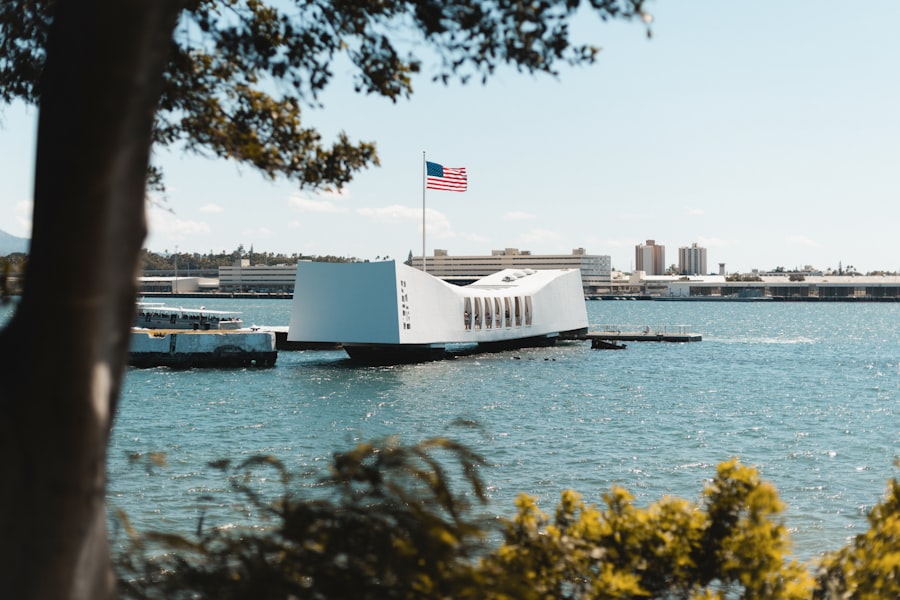
The Pearl Harbor National Memorial stands as a solemn tribute to the events of December 7, 1941. The USS Arizona Memorial, a stark white structure built over the sunken battleship, is the focal point, a place of reflection and remembrance for millions of visitors.
The USS Arizona Memorial: A Tomb of the Brave
The memorial, accessible by boat, offers a poignant experience. Visitors can gaze down at the submerged hull of the Arizona, where the remains of many sailors still lie entombed. The silence within the memorial is punctuated by the quiet contemplation of the profound loss.
The Significance of the Oil Droplets
The “tears of the Arizona” is a phenomenon where oil droplets, believed to be remnants of the battleship’s fuel, continue to surface from the sunken wreck. For many, these droplets are a powerful and emotional symbol of the lives lost and the enduring legacy of the attack.
The Unending Mission: Educating Future Generations
The surviving veterans of Pearl Harbor dedicated their remaining years to educating younger generations about the attack and its significance. They shared their firsthand accounts, emphasizing the importance of peace and the devastating consequences of war.
The Lasting Impact of Personal Testimony
The personal testimonies of the survivors were invaluable. They brought the historical event to life, making the sacrifices tangible and the lessons learned deeply impactful. Their stories served as powerful warnings against the complacency that can lead to conflict.
The Fight Against Historical Revisionism
These veterans also stood as guardians against any attempts to diminish or distort the historical narrative of Pearl Harbor. Their living presence ensured the accuracy and integrity of the accounts passed down.
The attack on Pearl Harbor on December 7, 1941, was a pivotal moment in history, leading to significant changes in military strategy and national resolve. Interestingly, many ships and aircraft that survived the attack played crucial roles in subsequent battles in the Pacific Theater. For a deeper understanding of the aftermath and the resilience displayed by the U.S. Navy, you can read more about the events that unfolded after the attack in this insightful article here.
The Legacy of the Survivors: A Call for Peace
| Ship Name | Type | Status |
|---|---|---|
| USS Arizona | Battleship | Sunk |
| USS Oklahoma | Battleship | Sunk |
| USS West Virginia | Battleship | Repaired |
| USS California | Battleship | Repaired |
| USS Maryland | Battleship | Repaired |
| USS Tennessee | Battleship | Repaired |
| USS Pennsylvania | Battleship | Repaired |
| USS Nevada | Battleship | Repaired |
| USS Vestal | Repair Ship | Repaired |
| USS Shaw | Destroyer | Repaired |
The survivors of Pearl Harbor were not just witnesses to history; they became its custodians. Their lives, marked by the trauma of that fateful day, were also defined by a profound appreciation for life, freedom, and the pursuit of peace. Their enduring legacy is a constant reminder of the cost of war and the vital importance of vigilance.
A Generation Defined by Sacrifice
The generation that lived through Pearl Harbor, and the subsequent world war, is often referred to as the “Greatest Generation.” Their resilience, sacrifice, and unwavering commitment to duty set a standard for national character and service.
The Character Forged in Crisis
The trials they endured forged a generation of unparalleled strength and determination. They understood the value of freedom because they had seen the darkness that threatened to extinguish it.
The Enduring Symbolism of Their Service
Their service, their resilience, and their ultimate victory over tyranny continue to inspire generations, serving as a powerful reminder of what a united nation can achieve in the face of adversity.
The Continuing Relevance of Their Message
In a world still grappling with conflict and instability, the message of the Pearl Harbor survivors remains profoundly relevant. Their stories are a testament to the destructive nature of aggression and the enduring hope for a peaceful future.
The Imperative of Remembering
The imperative to remember Pearl Harbor is not simply an act of honoring the past; it is a crucial act of safeguarding the future. By understanding the lessons of history, humanity can strive to avoid repeating its mistakes.
A Lasting Call to Action
The survivors’ legacy is a powerful call to action: to cherish peace, to stand against injustice, and to never forget the immense sacrifices made by those who fought for the freedoms we enjoy today. Their stories, etched into the collective memory of a nation, continue to resonate, a beacon of remembrance and a solemn plea for perpetual peace.

Japan Won Pearl Harbor—So Why Did It Lose the War?
FAQs
What survived the Pearl Harbor attack?
The USS Arizona Memorial, USS Missouri, USS Utah, and USS Oklahoma are some of the notable survivors of the Pearl Harbor attack.
How did the USS Arizona survive the Pearl Harbor attack?
The USS Arizona, a battleship, was hit by a bomb that caused a catastrophic explosion, leading to the ship sinking. The wreckage of the USS Arizona now serves as a memorial at Pearl Harbor.
What happened to the USS Missouri during the Pearl Harbor attack?
The USS Missouri, also known as the Mighty Mo, was not present at Pearl Harbor during the attack. It was commissioned in 1944 and went on to serve in World War II, the Korean War, and the Gulf War.
What is the significance of the USS Utah surviving the Pearl Harbor attack?
The USS Utah was one of the few ships that were not salvaged after the attack. It remains partially submerged in Pearl Harbor as a memorial to the 58 crew members who lost their lives.
What happened to the USS Oklahoma during the Pearl Harbor attack?
The USS Oklahoma was hit by multiple torpedoes and capsized during the attack. It was later salvaged, but ultimately deemed beyond repair and was sold for scrap in 1947.