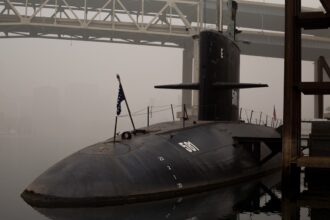
Surface warfare officers endure a relentless cycle of demanding assignments, often leading to profound fatigue. This pervasive issue, while not always visible, poses a significant and silent threat to individual well-being, operational effectiveness, and the long-term health of the naval force. Understanding the multifaceted nature of this fatigue, its underlying causes, and its detrimental consequences is crucial to developing effective mitigation strategies and ensuring the sustained readiness of our surface fleet.
The modern operating environment for surface warfare officers is characterized by an ever-increasing tempo and complexity. Deployments are frequent and extended, demanding constant vigilance and sustained high performance from those at the helm of these sophisticated vessels. The demands extend beyond mere operational duties, encompassing leadership, management, technical proficiency, and an ever-present responsibility for the safety and well-being of their crews. These cumulative stressors, often compounded by insufficient rest and recovery, create a fertile ground for the development of chronic fatigue.
The Relentless Cycle of Deployment
Surface warfare officers are no strangers to the rigors of deployment. Extended periods at sea, often away from family and familiar comforts, are a fundamental aspect of naval service. These deployments are not mere passive absences; they are active engagements in complex geopolitical landscapes, requiring constant adaptation to evolving threats and operational requirements. The planning, execution, and follow-on analysis of these missions demand an unwavering focus and an immense expenditure of mental and physical energy. The pressure to maintain a high level of readiness and to achieve mission success, often under challenging circumstances, contributes significantly to the cumulative fatigue experienced by these officers. The lack of predictable downtime, coupled with the expectation of immediate availability upon return, often prevents adequate recovery, perpetuating a cycle of exhaustion.
The Expanding Scope of Responsibilities
Beyond the direct demands of ship operations and combat readiness, surface warfare officers are increasingly burdened with a broader array of responsibilities. These can include extensive administrative tasks, personnel management, training development, security protocols, environmental compliance, and the stewardship of increasingly complex and integrated technological systems. Each of these areas requires a dedicated level of attention and expertise, further fragmenting an officer’s cognitive resources and contributing to mental overload. The expectation that officers will excel in all these domains, often with limited support staff or resources, amplifies the strain and contributes to a pervasive sense of being spread too thin. This diffusion of focus can lead to diminished capacity for critical decision-making and a reduced ability to anticipate potential problems.
The Pressure Cooker of Immediate Readiness
The nature of naval warfare necessitates a state of perpetual readiness. Surface vessels are expected to respond to contingencies at a moment’s notice, from humanitarian aid missions to high-intensity combat operations. This constant expectation of immediate availability places immense pressure on officers to maintain peak performance, even when physically and mentally depleted. The need to be “on” at all times, without the luxury of extended recuperation, erodes resilience and makes officers more susceptible to errors and poor judgment. The fear of being deemed “unready” or of failing to meet operational demands can lead officers to push through exhaustion, further exacerbating the problem.
Surface warfare officer fatigue is a critical issue that affects operational readiness and decision-making in naval operations. For a deeper understanding of this topic, you can explore the article titled “The Impact of Fatigue on Naval Operations” available at In the War Room. This article delves into the various factors contributing to fatigue among surface warfare officers and offers insights into potential solutions to mitigate its effects on performance and safety at sea.
The Physiological and Psychological Toll of Fatigue
The impact of surface warfare officer fatigue extends far beyond simple tiredness. It manifests as a complex interplay of physiological and psychological symptoms that can have profound and lasting consequences. Without proper recognition and intervention, this silent threat can compromise an officer’s ability to lead, to make sound decisions, and ultimately, to perform their duties effectively and safely.
Cognitive Impairments and Decision-Making Deficits
Fatigue is a direct assault on cognitive function. Research consistently shows that sleep deprivation and chronic exhaustion impair attention, concentration, memory, and judgment. For a surface warfare officer, these impairments can be catastrophic. The ability to process complex tactical information, to foresee potential dangers, and to execute intricate maneuvers relies heavily on unimpaired cognitive processes. Fatigue can lead to reduced situational awareness, delayed reactions, and a diminished capacity for complex problem-solving. In the high-stakes environment of naval operations, even a momentary lapse in judgment due to fatigue can have devastating consequences, including loss of life, damage to critical assets, or mission failure. The subtle nature of cognitive decline can make it difficult for officers themselves to recognize the extent of their impairment, creating a dangerous blind spot.
Increased Risk of Accidents and Errors
A direct corollary of cognitive impairment is an increased propensity for errors and accidents. When an officer is fatigued, their ability to meticulously follow procedures, to maintain vigilance, and to execute tasks with precision is significantly compromised. This can manifest in a variety of ways, from minor procedural deviations to major operational blunders. Fatigue can contribute to navigation errors, equipment malfunctions due to improper operation, communication breakdowns, and even collisions. The sheer volume of complex systems and procedures on a modern warship amplifies the potential for error when fatigue is present. The ramifications of such errors can range from costly repairs to severe injuries or fatalities for the crew.
The Erosion of Morale and Mental Well-being
The continuous grind of operational demands without adequate rest takes a significant toll on morale and overall mental well-being. Prolonged fatigue can lead to increased irritability, cynicism, and a diminished sense of purpose. Officers may experience burnout, anxiety, and even depression. This erosion of mental health not only impacts the individual officer but also has a ripple effect throughout the command. A fatigued and demoralized leadership can negatively influence crew morale, leading to decreased job satisfaction, higher turnover rates, and a general decline in operational effectiveness. The isolation often experienced during deployments can exacerbate these mental health challenges, as officers may feel they have limited avenues for support or confidants to discuss their struggles.
Physical Health Deterioration
The cumulative effects of chronic fatigue extend to physical health. Sleep deprivation and chronic stress can weaken the immune system, making officers more susceptible to illness. It can also contribute to a range of health problems, including cardiovascular disease, gastrointestinal issues, and musculoskeletal injuries. The constant physical demands of naval life, when coupled with insufficient recovery, can accelerate the aging process and lead to long-term health consequences. This physical deterioration can impact an officer’s career longevity and their ability to continue serving at the highest levels. The subtle onset of these physical ailments can be easily overlooked amidst the constant demands of service.
Identifying and Addressing the Root Causes

Effectively combating surface warfare officer fatigue requires a deep understanding of its multifaceted origins. It is not simply a matter of individual officers not getting enough sleep; it is a systemic issue deeply embedded within the operational tempo, organizational culture, and resource allocation of the surface Navy. Addressing these root causes is paramount to fostering a more sustainable and healthy environment for our officers.
The Culture of “Hustle” and Sacrifice
Naval service has historically fostered a culture that glorifies sacrifice and a willingness to push beyond personal limits. While admirable in many respects, this “hustle” culture can inadvertently normalize and even reward overwork, leading officers to believe that fatigue is an inevitable badge of honor rather than a detrimental condition. The unspoken pressure to always appear capable and committed, regardless of personal cost, can prevent officers from seeking rest or admitting they are struggling. This can be particularly ingrained in units with a history of high operational tempo, where such dedication is seen as a prerequisite for success. This culture needs to be actively challenged and reframed to prioritize sustainable performance and well-being.
Insufficient Manpower and Resource Allocation
One of the most significant drivers of surface warfare officer fatigue is the persistent issue of insufficient manpower and inadequate resource allocation. The demands placed on surface vessels and their crews often outstrip the available personnel and the resources to support them. This leads to officers being stretched thin, with less time for training, maintenance, and crucially, rest. The continuous operational cycle leaves little room for breathing room, as ships are often deployed with skeleton crews, relying on the dedication of existing personnel to cover critical gaps. This unsustainable workload directly contributes to the pervasive fatigue experienced by officers.
Technological Complexity and Information Overload
The increasing sophistication of naval technology, while enhancing operational capabilities, also contributes to cognitive load and fatigue. Officers are required to master and manage a vast array of complex systems, often with rapidly evolving software and hardware. The sheer volume of information that needs to be processed and interpreted can be overwhelming, leading to mental exhaustion. Diagnostic, troubleshooting, and maintenance tasks, when faced with system complexity, can consume significant amounts of time and mental energy, even outside of traditional watchstanding hours. The constant need to stay abreast of new technologies and their application further exacerbates this issue.
The “Always On” Nature of Modern Communication
The advent of modern communication technologies, while facilitating connectivity, also blurs the lines between work and personal life, contributing to a constant state of “always on” engagement. Surface warfare officers may find themselves responding to emails, messages, and calls at all hours, even when not on duty. This persistent connectivity prevents true mental disengagement and recovery, making it difficult to escape the demands of the job. The expectation of immediate responsiveness, even outside of operational necessity, erodes personal time and contributes to chronic stress.
Consequences for Operational Effectiveness and Readiness

The silent threat of surface warfare officer fatigue has profound and far-reaching consequences for the operational effectiveness and readiness of the entire naval force. When officers are consistently operating at suboptimal levels due to exhaustion, the entire system suffers. The ability to project power, to respond to crises, and to maintain a credible deterrent is directly jeopardized.
Degradation of Command and Decision-Making Capabilities
As previously discussed, fatigue directly impairs cognitive function and decision-making. For commanding officers and other leaders, this degradation can have a ripple effect throughout the entire command. Their ability to provide clear direction, to assess evolving situations accurately, and to make critical, split-second decisions is compromised. This can lead to a loss of initiative, confusion on the bridge, and an inability to react effectively to emergent threats. The effectiveness of the entire vessel hinges on the commander’s ability to lead decisively, a capacity that is severely diminished by chronic fatigue.
Increased Likelihood of Mission Compromise
The success of any naval operation relies on the meticulous planning, execution, and adaptability of its personnel. When officers are fatigued, their capacity to perform these functions is diminished. This can lead to a higher likelihood of mission compromise, whether through tactical errors, operational missteps, or an inability to adapt to unforeseen circumstances. The cumulative impact of individual fatigue within a crew can lead to a collective degradation of performance, making the entire mission more vulnerable. The subtle nature of fatigue means that even minor lapses can snowball into significant operational failures.
Strain on Resources and Increased Costs
Fatigue-related accidents and errors are not only dangerous but also incredibly costly. Repairing damaged equipment, providing medical care for injured personnel, and the potential for mission aborts all represent significant drains on resources. Furthermore, the long-term health consequences of chronic fatigue can lead to increased healthcare costs and a reduced career longevity for officers, requiring the Navy to invest more in training replacements. The short-term cost-saving measures that might contribute to insufficient manning or rest are ultimately outweighed by these long-term, often hidden, expenses.
Undermining Recruitment and Retention Efforts
A culture that consistently overworks and exhausts its officers is ultimately detrimental to recruitment and retention efforts. Potential recruits may be dissuaded by the perceived burnout and unsustainable demands of naval service. Existing officers, once they reach a point of chronic exhaustion, may opt to leave the service, seeking more balanced career paths. This leads to a loss of experienced personnel and a greater challenge in attracting and keeping top talent, creating a vicious cycle. The Navy’s ability to maintain a highly skilled and motivated officer corps is directly threatened by the ongoing issue of fatigue.
Surface warfare officer fatigue is a growing concern within naval operations, as the demands of modern warfare continue to escalate. This issue not only affects the performance of individual officers but can also have broader implications for mission success and crew safety. For a deeper understanding of the challenges faced by surface warfare officers, you can explore a related article that discusses the impact of fatigue on operational readiness and strategies for mitigation. To read more about this important topic, visit this article.
Towards a Sustainable Future: Mitigation and Prevention
| Metrics | Data |
|---|---|
| Number of hours on duty | 12 hours |
| Number of hours off duty | 12 hours |
| Number of consecutive days on duty | 5 days |
| Incidents of fatigue-related errors | 10 incidents |
Addressing surface warfare officer fatigue requires a holistic and proactive approach, moving beyond reactive measures to implement sustainable strategies for mitigation and prevention. This involves a concerted effort from leadership, a re-evaluation of operational norms, and a commitment to supporting the well-being of our officers.
Prioritizing Rest and Recovery as Operational Imperatives
The most fundamental step in combating fatigue is to unequivocally prioritize rest and recovery as essential operational imperatives, not as luxuries or afterthoughts. This means implementing structured rest schedules, ensuring adequate downtime between deployments and operational cycles, and actively discouraging the glorification of overwork. Naval leadership must actively promote policies and practices that enable and encourage officers to get sufficient sleep and to disconnect from work when off-duty. This could involve clearly defined watch rotation policies that minimize cumulative sleep deprivation and mandated periods of shore leave that are genuinely respected and not curtailed.
Enhancing Manpower and Resource Management
A critical component of fatigue mitigation lies in addressing the underlying issue of insufficient manpower and inadequate resource allocation. The Navy must continue to invest in recruiting and retaining sufficient personnel to meet operational demands without overburdening existing staff. This includes ensuring adequate crewing levels for ships, providing sufficient support personnel, and allocating resources for critical maintenance and training. By properly manning and resourcing our vessels, we can alleviate the constant pressure on officers and allow them the space for proper rest and recovery. This may involve a re-evaluation of deployment schedules and a willingness to prioritize readiness over simply maintaining a high operational tempo at all costs.
Fostering a Culture of Open Communication and Support
Creating a culture where officers feel comfortable and supported in discussing their fatigue and seeking help is paramount. This involves leadership actively promoting mental health awareness, destigmatizing the act of admitting to exhaustion, and providing readily accessible support systems. Encouraging peer-to-peer support networks, ensuring access to mental health professionals, and fostering an environment where reporting fatigue is seen as a sign of responsible leadership, not weakness, are crucial steps. Leaders play a vital role in modeling this behavior and creating an environment of psychological safety.
Implementing Technological Solutions and Intelligent Load Balancing
While technology contributes to the problem, it can also be part of the solution. Exploring and implementing technological solutions that can automate certain tasks, streamline information processing, and provide predictive diagnostics can help reduce cognitive load. Furthermore, intelligent load balancing strategies, both within individual ships and across the fleet, can help distribute operational demands more evenly. This involves optimizing scheduling, leveraging analytical tools to identify potential fatigue hotspots, and proactively adjusting workloads to prevent excessive strain on individuals.
Strategic Review of Operational Tempo and Deployment Cycles
Ultimately, a comprehensive and ongoing strategic review of the operational tempo and deployment cycles of surface vessels is necessary. The Navy must continuously evaluate whether the current demands are sustainable in the long term and whether they are truly contributing to overall readiness and effectiveness. This may involve making difficult decisions about the scope of operations, the frequency of deployments, and the prioritization of certain missions. A commitment to sustainable operations, even if it means occasional adjustments to the operational tempo, is essential for the long-term health and well-being of our surface warfare officers and the continued effectiveness of the surface fleet.

Why Armies Fear 4:30 AM
FAQs
What is surface warfare officer fatigue?
Surface warfare officer fatigue refers to the physical and mental exhaustion experienced by officers serving in the surface warfare community of the United States Navy. This fatigue can result from long hours, high-stress situations, and demanding responsibilities.
What are the potential consequences of surface warfare officer fatigue?
The potential consequences of surface warfare officer fatigue can include impaired decision-making, decreased situational awareness, reduced performance, and increased risk of accidents or errors. Fatigue can also have long-term health effects if not properly managed.
How does the U.S. Navy address surface warfare officer fatigue?
The U.S. Navy addresses surface warfare officer fatigue through various measures, including implementing watch rotations, providing rest periods, promoting healthy lifestyle choices, and offering resources for mental health support. Additionally, the Navy emphasizes the importance of leadership in recognizing and mitigating fatigue among officers.
What are some strategies for surface warfare officers to manage fatigue?
Strategies for surface warfare officers to manage fatigue include prioritizing sleep, maintaining physical fitness, practicing stress-reduction techniques, seeking support from peers and leadership, and being proactive in addressing fatigue-related concerns.
Why is managing fatigue important for surface warfare officers?
Managing fatigue is important for surface warfare officers because it directly impacts their ability to perform their duties effectively and safely. By addressing fatigue, officers can enhance their decision-making, maintain readiness, and reduce the risk of accidents or incidents during operations.