Submarine warfare became a critical component of military strategy during the Cold War, the period of geopolitical tension between the United States and the Soviet Union from 1947 to 1991. Nuclear-powered submarines fundamentally changed naval operations by enabling extended underwater operations with minimal acoustic detection. Both superpowers developed submarines capable of carrying intercontinental ballistic missiles, establishing a credible second-strike nuclear deterrent.
These vessels also conducted intelligence collection missions and demonstrated military presence in strategically important regions. The technological competition between the two nations drove continuous improvements in submarine design, propulsion systems, and weapons capabilities. Submarines held strategic significance for both the United States and Soviet Union during the Cold War.
Each superpower relied on submarine-based nuclear forces as a component of their deterrence strategy. The submarines’ capacity to remain submerged and undetected while carrying nuclear weapons provided a survivable retaliatory capability. This capability reduced the incentive for either side to launch a preemptive nuclear attack, as the attacked nation could still respond with devastating force.
Submarine operations also served intelligence purposes, with vessels conducting surveillance of enemy coastlines and naval activities. The competition between submarine detection systems and stealth technologies shaped naval development throughout the Cold War period, influencing advances in sonar, hull design, and propulsion efficiency.
Key Takeaways
- Submarine technology advanced rapidly during the Cold War, enhancing stealth, missile capabilities, and communication systems.
- Submarines played a critical role in nuclear deterrence and strategic surveillance between superpowers.
- Detection and countermeasure techniques evolved to address the growing threat of submarine stealth and missile launches.
- Submarine operations influenced Cold War diplomacy, notably during crises like the Cuban Missile Crisis.
- The legacy of Cold War submarine warfare continues to shape modern naval strategy and technology.
Development of Submarine Technology during the Cold War
The Cold War spurred remarkable advancements in submarine technology, driven by the urgent need for both superpowers to maintain a strategic edge. The introduction of nuclear propulsion marked a significant turning point, enabling submarines to remain submerged for extended periods without the need for frequent surfacing. This technological leap not only enhanced operational capabilities but also allowed submarines to conduct long-range missions, thereby expanding their strategic reach.
The U.S. Navy’s Polaris program exemplified this shift, leading to the development of ballistic missile submarines (SSBNs) that could launch nuclear missiles from underwater. In addition to nuclear propulsion, advancements in sonar technology revolutionized submarine operations.
The development of advanced sonar systems allowed submarines to detect enemy vessels and underwater obstacles with greater accuracy. This technological evolution was complemented by improvements in hull design and materials, which enhanced stealth capabilities and reduced noise signatures. As a result, submarines became increasingly difficult to detect, further solidifying their role as critical assets in Cold War naval strategy. The documentary reveals the shocking story of a KGB mole who infiltrated the highest levels of government.
Role of Submarines in Cold War Strategy

Submarines played a central role in the strategic calculus of both the United States and the Soviet Union during the Cold War. For the U.S., the deployment of SSBNs served as a cornerstone of its nuclear deterrent strategy. The ability to launch a retaliatory strike from underwater provided a credible threat against any potential aggressor, ensuring that adversaries would think twice before initiating a conflict.
This concept of mutually assured destruction (MAD) hinged on the presence of these stealthy platforms, which could strike from anywhere in the world’s oceans. Conversely, the Soviet Union also recognized the importance of submarines in its military strategy. The Soviet Navy invested heavily in developing its own fleet of nuclear-powered submarines, including attack submarines (SSNs) designed to counter U.S.
naval forces. These vessels were tasked with hunting down American SSBNs and protecting Soviet maritime interests. The competition between the two superpowers led to an arms race in submarine technology, with each side striving to outpace the other in terms of capabilities and numbers.
Submarine Detection and Countermeasures
As submarine technology advanced, so too did the methods employed to detect and counter these elusive vessels. The Cold War saw significant investments in anti-submarine warfare (ASW) capabilities, with both superpowers developing sophisticated systems to locate and neutralize enemy submarines. The U.S. Navy implemented a multi-faceted approach that included surface ships equipped with sonar systems, maritime patrol aircraft, and underwater sensors known as sonobuoys.
In response to these detection efforts, submarines adopted various countermeasures to enhance their survivability. Techniques such as noise reduction technologies and advanced stealth coatings were developed to minimize their acoustic signatures. Additionally, submarines employed tactics like “masking,” where they would position themselves near underwater terrain or other objects to evade detection. This ongoing cat-and-mouse game between detection and evasion defined much of submarine warfare during the Cold War, as both sides sought to gain an upper hand in this critical domain.
Submarine Communications and Command Systems
| Tactic | Description | Purpose | Notable Usage | Effectiveness |
|---|---|---|---|---|
| Wolfpack Tactics | Coordinated group attacks by multiple submarines on convoys. | Overwhelm enemy escorts and maximize damage to shipping. | Used extensively by Soviet Navy against NATO supply lines. | Moderate; coordination was challenging but effective in disrupting logistics. |
| Silent Running | Minimizing noise by shutting down non-essential systems and moving slowly. | Avoid detection by sonar and enemy ASW forces. | Common practice by US and Soviet submarines during patrols. | High; significantly reduced chances of detection. |
| Trailing and Shadowing | Following enemy submarines or surface ships covertly to gather intelligence. | Monitor enemy movements and prepare for attack or interception. | Used by US Navy to track Soviet ballistic missile submarines. | High; critical for strategic targeting and deterrence. |
| Decoy Deployment | Releasing noise-making devices to confuse enemy sonar. | Evade torpedoes and mislead enemy tracking. | Implemented by both NATO and Warsaw Pact submarines. | Moderate; effective in specific scenarios but not foolproof. |
| Submarine-Launched Ballistic Missiles (SLBMs) | Launching nuclear missiles from submerged submarines. | Provide second-strike nuclear capability and deterrence. | US Polaris and Soviet R-29 missile systems. | Very high; cornerstone of nuclear deterrence strategy. |
| Anti-Submarine Warfare (ASW) Countermeasures | Techniques and equipment to detect and evade enemy ASW forces. | Survive and operate in hostile environments. | Use of anechoic tiles, towed arrays, and electronic warfare. | High; continuously evolving to counter ASW advances. |
Effective communication and command systems were vital for coordinating submarine operations during the Cold War. The need for secure and reliable communication channels became increasingly apparent as submarines operated in hostile environments where traditional communication methods were often compromised. The development of advanced communication systems allowed submarines to maintain contact with command centers while remaining submerged, ensuring that they could receive orders and intelligence updates without exposing themselves to enemy detection.
One notable advancement was the introduction of extremely low frequency (ELF) communication systems, which enabled submarines to receive messages while remaining deep underwater. This technology allowed for secure communication even in contested waters, enhancing operational flexibility and responsiveness. Additionally, advancements in satellite communications further improved command and control capabilities, allowing for real-time coordination between submarines and other military assets.
Submarine Patrol and Surveillance Tactics
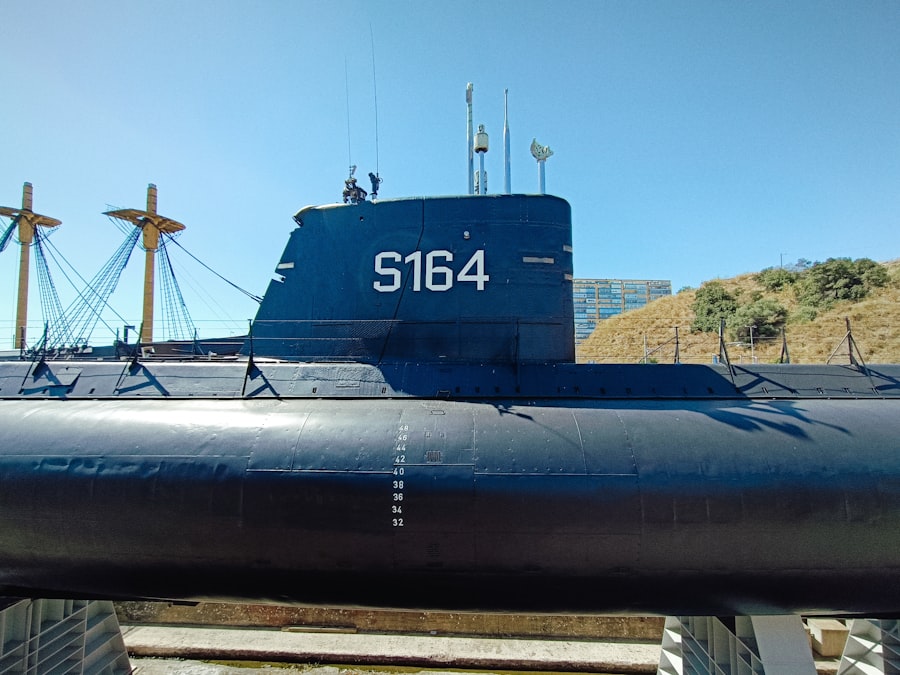
Submarine patrol and surveillance tactics evolved significantly during the Cold War as both superpowers sought to gather intelligence on each other’s naval activities. Submarines were deployed on extended patrols in strategic areas, often operating close to enemy coastlines or within contested waters. These missions aimed not only to gather intelligence but also to demonstrate presence and deter potential adversaries from aggressive actions.
The use of “hunter-killer” groups became a hallmark of submarine operations during this period. These groups typically consisted of attack submarines working alongside surface ships and aircraft to locate and track enemy vessels.
The ability to conduct surveillance operations without detection was crucial for both gathering intelligence and ensuring that any potential threats could be neutralized before they escalated into open conflict.
Submarine Missile Launch and Targeting Strategies
The integration of missile technology into submarine warfare marked a significant evolution in military strategy during the Cold War. Submarines equipped with ballistic missiles became key components of nuclear deterrence strategies for both superpowers. The ability to launch missiles from underwater provided a second-strike capability that was essential for maintaining a credible deterrent posture.
Targeting strategies for submarine-launched missiles were meticulously planned to ensure maximum effectiveness. Submarines would often operate in designated patrol areas where they could remain undetected while awaiting launch orders. Advanced targeting systems allowed commanders to identify high-value targets with precision, ensuring that missile strikes would achieve their intended objectives.
This capability not only enhanced deterrence but also underscored the strategic importance of submarines in the broader context of Cold War military planning.
Submarine Stealth and Evasion Techniques
Stealth remained a paramount concern for submarine operations throughout the Cold War, as detection technologies continued to advance on both sides. Submarines employed a variety of techniques to enhance their stealth capabilities and evade enemy detection systems. One key approach involved minimizing noise production through advanced engineering designs and operational practices that reduced mechanical sounds generated by propulsion systems.
Additionally, submarines utilized terrain masking techniques by navigating close to underwater features such as canyons or ridges that could obscure their presence from sonar systems. These tactics allowed submarines to operate effectively in contested waters while minimizing their risk of detection. The ongoing development of stealth technologies underscored the importance of evasion techniques in maintaining operational effectiveness during this critical period.
Submarine Escalation and De-escalation in Cold War Conflicts
The presence of submarines during Cold War conflicts often played a crucial role in shaping escalation and de-escalation dynamics between superpowers. The ability of submarines to launch nuclear strikes created a delicate balance where any miscalculation could lead to catastrophic consequences. As tensions rose during events such as the Cuban Missile Crisis, the presence of submarines added an additional layer of complexity to decision-making processes.
In some instances, submarines served as instruments of de-escalation by providing credible deterrence against aggressive actions. Their ability to remain hidden while maintaining a nuclear capability ensured that adversaries were aware of the potential consequences of escalation. Conversely, misunderstandings or miscommunications regarding submarine movements could lead to heightened tensions and increased risks of conflict.
The interplay between submarine capabilities and strategic decision-making highlighted the intricate relationship between military power and diplomacy during this era.
Submarine Diplomacy and the Cuban Missile Crisis
The Cuban Missile Crisis stands as one of the most significant moments in Cold War history, illustrating the critical role that submarines played in diplomatic negotiations between superpowers. During this tense standoff in 1962, both the United States and the Soviet Union deployed submarines as part of their military posturing. The presence of Soviet submarines near Cuba raised alarms within U.S.
military circles, prompting heightened vigilance and readiness among American forces. As negotiations unfolded, submarines became symbols of both threat and opportunity for diplomacy. The U.S.
Navy’s blockade aimed at preventing further Soviet shipments to Cuba underscored the importance of naval power in shaping geopolitical outcomes. Ultimately, the resolution of the crisis highlighted how submarine capabilities could influence diplomatic negotiations, as both sides recognized the need for restraint amid escalating tensions.
Legacy of Submarine Warfare in the Post-Cold War Era
The legacy of submarine warfare during the Cold War continues to shape naval strategies in the post-Cold War era. The technological advancements achieved during this period laid the groundwork for modern submarine capabilities, influencing design philosophies and operational doctrines across navies worldwide. Today’s submarines are equipped with advanced stealth technologies, sophisticated weaponry, and enhanced communication systems that reflect lessons learned from Cold War experiences.
Moreover, the strategic importance of submarines remains evident as nations navigate complex geopolitical landscapes characterized by emerging threats and shifting alliances. The principles established during the Cold War regarding deterrence, surveillance, and stealth continue to inform contemporary naval strategies as countries seek to adapt to new challenges in an increasingly interconnected world. As such, submarine warfare remains a vital component of national security considerations well into the 21st century, underscoring its enduring relevance in global military affairs.
During the Cold War era, submarine warfare tactics evolved significantly as both the United States and the Soviet Union sought to gain an advantage in underwater combat. A related article that delves into these tactics and their implications can be found on In The War Room. For a deeper understanding of the strategic developments during this period, you can read more about it in this insightful piece: In The War Room.
WATCH THIS 🛑 SHOCKING: The KGB Mole Who Made Every Soviet Submarine Visible
FAQs
What was the primary role of submarines during the Cold War?
Submarines during the Cold War primarily served as strategic deterrents, intelligence gatherers, and platforms for launching nuclear missiles. They played a crucial role in maintaining the balance of power between the United States and the Soviet Union.
How did submarine warfare tactics evolve during the Cold War?
Submarine warfare tactics evolved to emphasize stealth, long-range missile capabilities, and advanced sonar technology. Both sides developed nuclear-powered submarines and ballistic missile submarines (SSBNs) to ensure second-strike capability in case of nuclear war.
What types of submarines were most commonly used in Cold War submarine warfare?
The most common types were nuclear-powered attack submarines (SSNs) designed for hunting enemy subs and surface ships, and ballistic missile submarines (SSBNs) equipped with nuclear missiles for strategic deterrence.
How did sonar technology impact submarine tactics during the Cold War?
Advancements in sonar technology greatly enhanced the ability to detect and track enemy submarines, leading to more sophisticated anti-submarine warfare (ASW) tactics. Both sides invested heavily in passive and active sonar systems to improve underwater detection.
What role did stealth play in Cold War submarine tactics?
Stealth was critical; submarines were designed to minimize noise and avoid detection. Silent running, improved hull designs, and sound-absorbing materials were used to reduce acoustic signatures and evade enemy sonar.
Were there any notable submarine confrontations during the Cold War?
Yes, there were several tense encounters, such as the 1981 Soviet submarine K-219 incident and the 1986 U.S. submarine USS Augusta tracking a Soviet sub near the U.S. coast. These incidents highlighted the risks of underwater espionage and military posturing.
How did nuclear weapons influence submarine warfare tactics in the Cold War?
Nuclear weapons led to the development of ballistic missile submarines capable of launching nuclear strikes from underwater, ensuring a secure second-strike capability. This changed tactics to focus on stealthy patrols and survivability to maintain deterrence.
What countermeasures were developed to combat enemy submarines during the Cold War?
Countermeasures included improved sonar arrays, anti-submarine aircraft, surface ships equipped with ASW weapons, underwater mines, and the development of quieter submarines to reduce detection risk.
How did submarine warfare tactics contribute to Cold War deterrence?
Submarine warfare tactics ensured that both superpowers maintained credible second-strike capabilities, deterring nuclear conflict by guaranteeing mutual destruction if attacked first, thus stabilizing the strategic balance.
Did Cold War submarine tactics influence modern submarine warfare?
Yes, many Cold War innovations in stealth, sonar, missile technology, and tactics form the foundation of modern submarine warfare, influencing current naval strategies and submarine designs worldwide.