The icy grip of the Barents Sea was a fitting metaphor for the chilling tension that gripped the world in the autumn of 1962. While the Cuban Missile Crisis dominated headlines and public consciousness, a parallel, and arguably more perilous, crisis unfolded beneath the waves, a silent drama that brought humanity to the precipice of nuclear annihilation. This is the story of the Soviet submarine B-59 and the harrowing decisions made by its crew that averted a global catastrophe.
The Shadow of the Cold War
The Cold War, a geopolitical standoff between the United States and the Soviet Union, was characterized by an unrelenting arms race and a pervasive atmosphere of suspicion and fear. Nuclear weapons, developed with terrifying speed and destructive power, became the ultimate deterrent, yet also the ultimate threat. Both superpowers amassed vast arsenals, capable of obliterating civilization itself, and the constant threat of escalation loomed large. Military strategies revolved around deterrence, with a key component being the deployment of nuclear-armed submarines, the ultimate undetectable strike platforms.
The Strategic Imperative of Submarine Warfare
In the strategic calculus of the Cold War, submarines offered a unique advantage. Unlike land-based missiles or bombers, which could be tracked and targeted, submarines could operate in the vastness of the oceans, remaining hidden and thus posing an immediate and unpredictable threat. The ability to launch a surprise nuclear attack from submerged depths was a powerful bargaining chip and a constant source of anxiety for the opposing side. Both the United States and the Soviet Union invested heavily in developing and deploying their submarine fleets, creating a deadly underwater chess game where any misstep could have catastrophic consequences.
The Doctrine of Mutually Assured Destruction (MAD)
The concept of Mutually Assured Destruction, or MAD, became the cornerstone of nuclear strategy. The idea was simple: if one side launched a nuclear attack, the other would retaliate with its own arsenal, leading to the complete annihilation of both. This grim doctrine, while terrifying, was paradoxically credited with preventing a full-scale nuclear war. The certainty of mutual destruction was meant to be a powerful disincentive for any nation to initiate hostilities. However, the very existence of these weapons and the constant state of high alert meant that accidents, miscalculations, or emotional responses could easily shatter this fragile peace.
During the Cold War, tensions between the United States and the Soviet Union reached a boiling point, particularly during the Cuban Missile Crisis, when a submarine incident nearly escalated into nuclear war. The Soviet submarine B-59, armed with a nuclear torpedo, found itself surrounded by U.S. naval forces, leading to a critical decision point for its captain. This tense standoff highlighted the precarious nature of nuclear deterrence and the thin line between military engagement and full-scale conflict. For a deeper exploration of this pivotal moment in history, you can read more in the article available at In the War Room.
The Unseen Threat: Soviet Submarine B-59
Deep beneath the frigid waters of the Atlantic, the Soviet submarine B-59 was on a clandestine mission. Its primary objective was to operate in proximity to the United States, specifically to track American naval movements and to be in a position to potentially retaliate in the event of a nuclear exchange originating from Cuba. The Cuban Missile Crisis, with its deployment of Soviet nuclear missiles on the island nation, had placed Soviet submarines in an extraordinarily dangerous and tense operational theatre.
The Mission and its Objectives
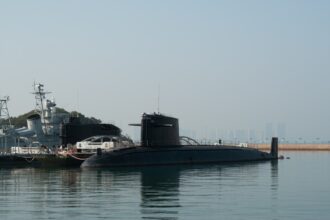
B-59 was a Project 641 (Foxtrot-class) submarine, a diesel-electric vessel that, while not as advanced as its American nuclear counterparts, was still a formidable weapon system. It carried torpedoes, some of which were equipped with nuclear warheads. Its mission was to operate unseen, to gather intelligence, and to be prepared to engage if the worst-case scenario of a full-scale nuclear war erupted. The pressure on the crew was immense, operating in hostile waters, constantly evading detection by a technologically superior enemy, and under the immense psychological strain of carrying nuclear weapons.
The Crew’s Plight: Heat, Darkness, and Doubt
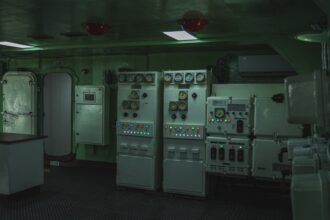
Life aboard a submarine, especially on a prolonged mission in the Cold War era, was arduous. Cramped conditions, perpetual darkness, recycled air, and the constant hum of machinery were the norm. For the crew of B-59, the situation was exacerbated by the intense heat generated by the diesel engines and the lack of proper ventilation. Temperatures inside the submarine could soar to unbearable levels, making sleep difficult and tempers short. This physical discomfort was compounded by the psychological toll of being cut off from the outside world, the uncertainty of their mission, and the ever-present danger.
The Confrontation in the Atlantic
As the Cuban Missile Crisis intensified, so too did the pressure on submarines operating in the region. American naval forces were actively hunting for Soviet submarines, employing depth charges as a means of forcing them to the surface and identifying them. For B-59, this meant a constant game of cat and mouse, evading detection and enduring the jarring shockwaves of these simulated attacks.
The Perilous Encounter with the US Navy
On October 27, 1962, a day known as “Black Saturday” during the Cuban Missile Crisis, B-59 found itself in a dire situation. It was located by the USS Beale, an American destroyer, which began dropping practice depth charges. These were not intended to sink the submarine but to signal its presence and force it to surface. However, for the crew of B-59, unaware of the nature of these explosions and unable to communicate with Moscow, these depth charges were perceived as actual attacks, a precursor to an all-out assault.
The Critical Decision: To Launch or Not to Launch
The relentless depth charging, coupled with the extreme heat and the inability to receive orders from the surface, created a suffocating atmosphere of panic and desperation on board B-59. The submarine’s captain, Valentin Savitsky, believed that they were under direct attack and that war had already begun. He, along with two other senior officers, had the authority to launch a nuclear torpedo. The argument for launching was compelling: if they were being attacked, retaliation was their duty, and if war had started, they had the means to strike back.
The Role of Vasili Arkhipov
It was at this critical juncture that a third officer, Vasili Arkhipov, the flotilla commander who was also aboard B-59 and held a veto power over the decision to launch a nuclear weapon, played a pivotal role. While Savitsky and the political officer were convinced that war had broken out, Arkhipov, having experienced similar but less severe “attacks” in the past, remained skeptical. He argued for restraint, advocating for the need for definitive proof of war before resorting to the ultimate weapon. His calm demeanor and rational arguments in the face of extreme pressure were instrumental in preventing the launch.
The Brink of Annihilation
The situation aboard B-59 was dire. The submarine was damaged, its crew exhausted and terrified, and the prospect of a nuclear exchange loomed large. The decisions made in the cramped confines of that submarine, with limited information and immense pressure, had the potential to alter the course of human history.
The Misinformation and the Isolation
The crew of B-59 was largely unaware of the diplomatic efforts underway to de-escalate the Cuban Missile Crisis. They were cut off from reliable communications, relying on outdated intelligence and their own interpretations of the events unfolding around them. This isolation, combined with the perceived aggression from the American navy, fueled the belief that war was imminent. The lack of clear communication channels between the two superpowers, and even between Soviet command and its own submarines, highlighted the inherent dangers of such a tense geopolitical environment.
The Psychological Strain of Nuclear Deterrence
The responsibility of carrying nuclear weapons weighed heavily on the submariners. The knowledge that they held the power to unleash unimaginable destruction, coupled with the constant threat of being attacked, created an immense psychological burden. The incident aboard B-59 served as a stark reminder of the human element in nuclear deterrence, the possibility that individual fear, anger, or misjudgment could trigger a global catastrophe.
The Cold War era was marked by numerous close calls that could have led to nuclear catastrophe, one of which involved a submarine incident that nearly escalated tensions between superpowers. A fascinating account of this near-disaster can be found in an article that explores the intricate details of the event and its implications for global security. For those interested in learning more about this critical moment in history, you can read the full story in this related article.
The Aftermath and Lessons Learned
The incident aboard B-59, while largely unknown to the public at the time, was a wake-up call for both superpowers. The near-catastrophe highlighted the fragility of peace in the nuclear age and the critical importance of clear communication and de-escalation protocols.
The Importance of De-escalation and Communication
The fact that the crisis was ultimately averted was due in no small part to the restraint shown by Vasili Arkhipov. His decision to not authorize the launch of the nuclear torpedo, despite immense pressure, saved the world from a potential nuclear war. The incident underscored the vital need for robust and reliable communication channels between nuclear powers, especially during times of heightened tension. It also emphasized the importance of having protocols and individuals in place who can exercise restraint and make rational decisions even in the face of extreme duress.
A Legacy of Caution and Vigilance
The B-59 incident, though shrouded in secrecy for many years, has become a powerful symbol of the dangers of nuclear proliferation and the precariousness of global security. It serves as a constant reminder that the threat of nuclear war, while perhaps less overt than during the height of the Cold War, remains a significant concern. The actions of Vasili Arkhipov are a testament to the courage and critical thinking that can prevail even in the most dire circumstances, a legacy of caution and vigilance that continues to resonate in the ongoing discussions about nuclear disarmament and international peace. The chilling reality of that day beneath the Barents Sea continues to echo, a silent but potent warning to all of humanity.
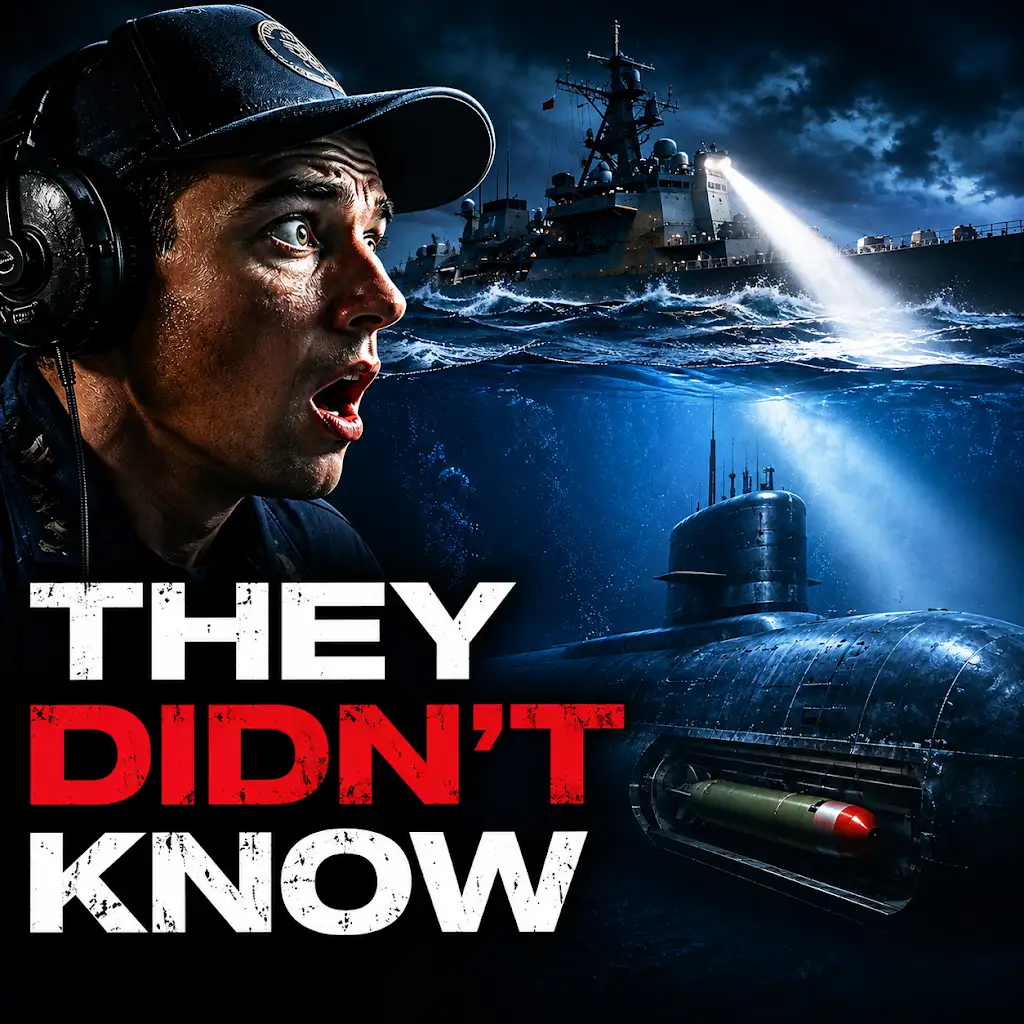
The U.S. Navy Didn’t Know This Submarine Had a Nuclear Torpedo
FAQs

What is the incident of the submarine that nearly caused nuclear war?
The incident refers to the 1962 Cuban Missile Crisis, during which a Soviet submarine nearly launched a nuclear torpedo in response to depth charges from a US Navy destroyer.
How close did the world come to nuclear war during this incident?
The world came dangerously close to nuclear war during the incident, as the Soviet submarine was only one decision away from launching a nuclear torpedo, which could have triggered a catastrophic chain of events.
What actions were taken to prevent the submarine from launching the nuclear torpedo?
The US Navy dropped non-lethal depth charges to signal the submarine to surface, and the Soviet captain ultimately decided not to launch the nuclear torpedo, averting a potential nuclear catastrophe.
What were the consequences of the incident?
The incident heightened tensions between the US and the Soviet Union, leading to increased diplomatic efforts to resolve the Cuban Missile Crisis and ultimately avoid nuclear war.
How did the incident impact future nuclear policies and strategies?
The incident served as a sobering reminder of the potential consequences of nuclear brinkmanship, leading to renewed efforts to establish direct communication channels between the US and the Soviet Union to prevent similar misunderstandings in the future.