The Cuban Missile Crisis, a period of thirteen tense days in October 1962, brought the world to the brink of nuclear annihilation. While the diplomatic chess match between President John F. Kennedy and Premier Nikita Khrushchev dominated headlines and public consciousness, a crucial and equally perilous drama unfolded beneath the waves, involving the crews of Soviet submarines. These submerged vessels, armed with nuclear-tipped torpedoes, became unwitting players in a high-stakes game of brinkmanship, their isolation and the secrecy of their mission amplifying the potential for catastrophic miscalculation.
The placement of Soviet nuclear missiles in Cuba, discovered by U.S. reconnaissance on October 14, 1962, was a direct response to the perceived strategic imbalance created by American Jupiter missiles stationed in Turkey, bordering the Soviet Union. The Kremlin saw this move as a way to deter a potential U.S. invasion of Cuba, a communist ally, and to project Soviet power into the Western Hemisphere. To ensure the effective operation and defense of these newly established missile sites, a significant naval contingent was dispatched to Cuban waters. Among these assets were several Soviet diesel-electric submarines, specifically the Project 641 (NATO designation: Foxtrot-class) submarines. These were not the cutting-edge nuclear-powered submarines of the U.S. Navy, but rather the workhorses of the Soviet submarine fleet, designed for patrol, reconnaissance, and the deployment of torpedoes. Their presence, however, was far from a passive observation. They were armed, and they were authorized to act under specific, albeit highly volatile, circumstances.
The Strategic Imperative: Deterrence and Defense
The Soviet Union’s primary objective was to deter a U.S. invasion of Cuba. Khrushchev believed that the presence of offensive nuclear weapons on Cuban soil would effectively neutralize any American plans for military intervention. In conjunction with the land-based missiles, the naval forces, including the submarines, were intended to form a formidable barrier, making any invasion prohibitively costly. The submarines were also tasked with the vital role of reconnaissance, monitoring U.S. naval movements in the Caribbean and reporting on any hostile actions. Their operational parameters, however, were a source of immense concern and, as history would reveal, a significant risk.
Foxtrot-Class Submarines: A Glimpse into Soviet Naval Power
The Foxtrot-class submarines were diesel-electric vessels, meaning they relied on diesel engines when surfaced or snorkeling (drawing in air while partially submerged) and on battery power when fully submerged. This limitation meant they had a finite underwater endurance and were more vulnerable to detection than their nuclear-powered counterparts. Nevertheless, they were considered potent weapons platforms. Each Foxtrot-class submarine was equipped with ten torpedo tubes and carried a complement of twenty torpedoes. Crucially, some of these torpedoes were armed with nuclear warheads, designed for use against heavily armed surface vessels or even amphibious landing forces. The crews of these submarines were highly trained, accustomed to long patrols and operating in challenging conditions, but they were also operating under a cloud of uncertainty regarding the precise rules of engagement in the event of escalating conflict.
The Cuban Missile Crisis was a pivotal moment in Cold War history, and one of the lesser-known incidents during this tense period involved a Soviet submarine armed with nuclear torpedoes. This submarine, known as B-59, faced a critical decision when it was detected by U.S. forces, leading to a near-launch of its nuclear weapon. For a deeper understanding of this incident and its implications, you can read a related article that explores the events surrounding the submarine’s encounter and the broader context of the crisis at In The War Room.
The Point of No Return: U-197 and the Blockade
As the crisis deepened and President Kennedy announced a naval “quarantine” (a blockade, in naval terms) of Cuba on October 22, 1962, the U.S. Navy began to enforce it with increasing vigilance. Soviet ships carrying military supplies were intercepted, and the tension on the surface of the water became palpable. Beneath the waves, however, a more dangerous game was being played. Several Soviet submarines, including the Foxtrot-class submarine B-59, found themselves in direct confrontation with U.S. Navy ships tasked with enforcing the blockade. These submarines were operating under strict orders: if attacked, and if communications with Moscow were lost, they were authorized to use their nuclear-armed torpedoes. This authorization was a crucial, and terrifying, element of the Soviet doctrine at the time.
The Quarantine: A Direct Confrontation
The U.S. naval quarantine was a calculated move. It aimed to prevent further Soviet military shipments to Cuba without initiating direct military conflict. American destroyers and aircraft carriers patrolled the designated blockade line, ready to intercept and board any vessel suspected of carrying offensive weapons. For the Soviet submarines, this meant navigating a perilous environment where detection by sonar was a constant threat. They were ordered to remain submerged and avoid contact with U.S. naval forces. However, their presence was not going unnoticed. The U.S. Navy, with its advanced anti-submarine warfare capabilities, was actively hunting for Soviet submarines.
The Torpedoes of Wrath: Nuclear Authorization
The most chilling aspect of the submarines’ mission was their authorization to launch nuclear torpedoes. In the event of an attack and the inability to communicate with Moscow, the submarine commanders were given the discretion to use these devastating weapons. This was a reflection of Soviet strategic thinking, which assumed that in the chaos of an all-out war, local commanders would have to make independent decisions. The nuclear torpedoes carried by some of the Foxtrot-class submarines, such as the one aboard B-59, were approximately 15 kilotons, comparable to the Hiroshima bomb. The catastrophic consequences of such a detonation in the context of the blockade are almost unimaginable.
Operation Anadyr and the Submerged Arsenal
The deployment of the submarines was part of a larger Soviet operation codenamed “Anadyr.” This complex logistical undertaking involved transporting not only nuclear missiles but also tactical nuclear weapons, bombers, and tens of thousands of troops to Cuba. The submarines played a vital role in this multifaceted strategy, providing a covert presence and an element of surprise. Their submerged nature made them difficult to track, and their offensive capabilities added another layer of complexity to the already volatile situation.
The Secrecy of Operation Anadyr
Operation Anadyr was shrouded in extreme secrecy. The Soviet Union went to great lengths to conceal its intentions from the United States. Ships carrying military equipment were disguised, and communications were carefully managed to avoid detection. The submarines were integral to this clandestine operation, tasked with escorting some of the clandestine shipments and maintaining a covert presence in Cuban waters. Their very anonymity, while a strategic advantage for the Soviets, added to the fear and uncertainty for the Americans, who were struggling to fully comprehend the scale of the Soviet buildup.
The Tactical Nuclear Threat
Beyond the strategic intercontinental ballistic missiles, the Soviets also deployed tactical nuclear weapons to Cuba. These were smaller, more mobile nuclear devices intended for battlefield use. The submarines were armed with nuclear-tipped torpedoes that could be considered a form of tactical nuclear weapon, capable of inflicting immense damage on naval formations. The presence of these weapons, both on land and potentially at sea, significantly raised the stakes of the crisis, as any escalation could quickly lead to the use of nuclear arms.
The Crucible of Pressure: B-59 and the Brink of Nuclear War
Perhaps the most dramatic and terrifying moment involving a Soviet submarine during the crisis occurred aboard the Foxtrot-class submarine B-59. On October 27, 1962, often referred to as “Black Saturday,” B-59 was located by the U.S. Navy and subjected to a series of depth charge attacks. These were not intended to be destructive, but rather signaling charges, meant to force the submarine to surface. However, for the crew, trapped deep underwater, isolated, and unaware of the broader strategic situation, the attacks were perceived as a genuine assault.
Depth Charges and Misinformation
The U.S. Navy ships were aware that they were dealing with a Soviet submarine, but they did not know if it was armed with nuclear weapons. The captain of the U.S. destroyer USS Beale, Admiral Anderson, ordered his crew to drop signaling depth charges around the submarine. The intention was to prompt the submarine to surface so that its identity and intentions could be ascertained. For the crew of B-59, however, these explosions were terrifying. They were deep underwater, their sonar was being jammed, and they had lost contact with Moscow. The crew members experienced extreme heat and discomfort due to the jammed ventilation systems and the sheer stress of the situation.
The Decision to Launch: A World Saved by a Single Voice
The captain of B-59, Valentin Savitsky, along with the political officer, Ivan Maslennikov, believed they were under attack and that war had begun. They were ready to authorize the launch of their nuclear-tipped torpedo. However, a third officer, Second Captain Vasili Arkhipov, who was the flotilla commander and technically held a veto over the captain’s decision, refused to give his consent. Arkhipov’s calm demeanor and his insistence on seeking further confirmation of the situation, despite the immense pressure, are credited with preventing a nuclear catastrophe. He argued that they should not launch the torpedo without definitive proof of war and a direct order from Moscow. This singular act of courage and reason, performed in the suffocating confines of a submarine under siege, undoubtedly saved millions of lives.
The Cuban Missile Crisis was a pivotal moment in Cold War history, but many are unaware of the tense submarine incidents that occurred during this period. A fascinating article explores the lesser-known aspects of these underwater confrontations, shedding light on the decisions made by commanders under immense pressure. For more insights into this critical event, you can read the article here: Cuban Missile Crisis submarine incident. Understanding these details helps to paint a fuller picture of the crisis and its implications for global security.
The Aftermath and the Lessons Learned
| Submarine | Role | Actions |
|---|---|---|
| USS Randolph | Aircraft carrier | Part of the naval blockade |
| USS Beale | Destroyer | Part of the naval blockade |
| USS Cony | Destroyer | Part of the naval blockade |
| USS Waccamaw | Oil tanker | Part of the naval blockade |
The Cuban Missile Crisis was ultimately resolved through diplomacy and a series of secret agreements. The Soviets agreed to remove their missiles from Cuba, and in return, the U.S. pledged not to invade Cuba and secretly agreed to remove its Jupiter missiles from Turkey. The submarine incident, however, served as a stark reminder of the terrifying potential for miscalculation and accidental escalation during nuclear standoffs. The near-miss with B-59 highlighted the dangers of decentralized nuclear command and the critical need for clear communication and de-escalation protocols.
The Secret Deal and its Impact
The public perception of the crisis resolution was that the U.S. had successfully forced the Soviets to back down. However, the secret agreement to remove U.S. missiles from Turkey was a crucial concession that allowed Khrushchev to save face and present the outcome as a partial victory. This secret deal, while vital to averting war, was kept from the American public and its NATO allies for many years, highlighting the complex and often opaque nature of Cold War diplomacy. The removal of the missiles, both from Cuba and Turkey, significantly reduced immediate tensions, but the underlying ideological struggle continued.
The Legacy of the Submarine Incident
The incident aboard B-59, and the broader role of Soviet submarines during the crisis, has become a critical case study in nuclear deterrence theory and crisis management. It underscored the immense responsibility placed on individual commanders in high-pressure situations and the importance of clear chains of command and communication. The event spurred increased efforts to establish direct communication lines between the U.S. and Soviet leadership, such as the “red phone” hotline, to prevent future misunderstandings. It also highlighted the critical need for robust verification mechanisms and arms control agreements to manage the risks associated with nuclear weapons. The courage of Vasili Arkhipov, though largely unknown to the public for decades, stands as a testament to the fact that even in the face of global existential threats, individual acts of reason and restraint can have profound and far-reaching consequences. The silent, submerged drama beneath the waves during the Cuban Missile Crisis serves as a potent and enduring reminder of how close humanity came to self-destruction, and the fragile threads that held the world back from the precipice.
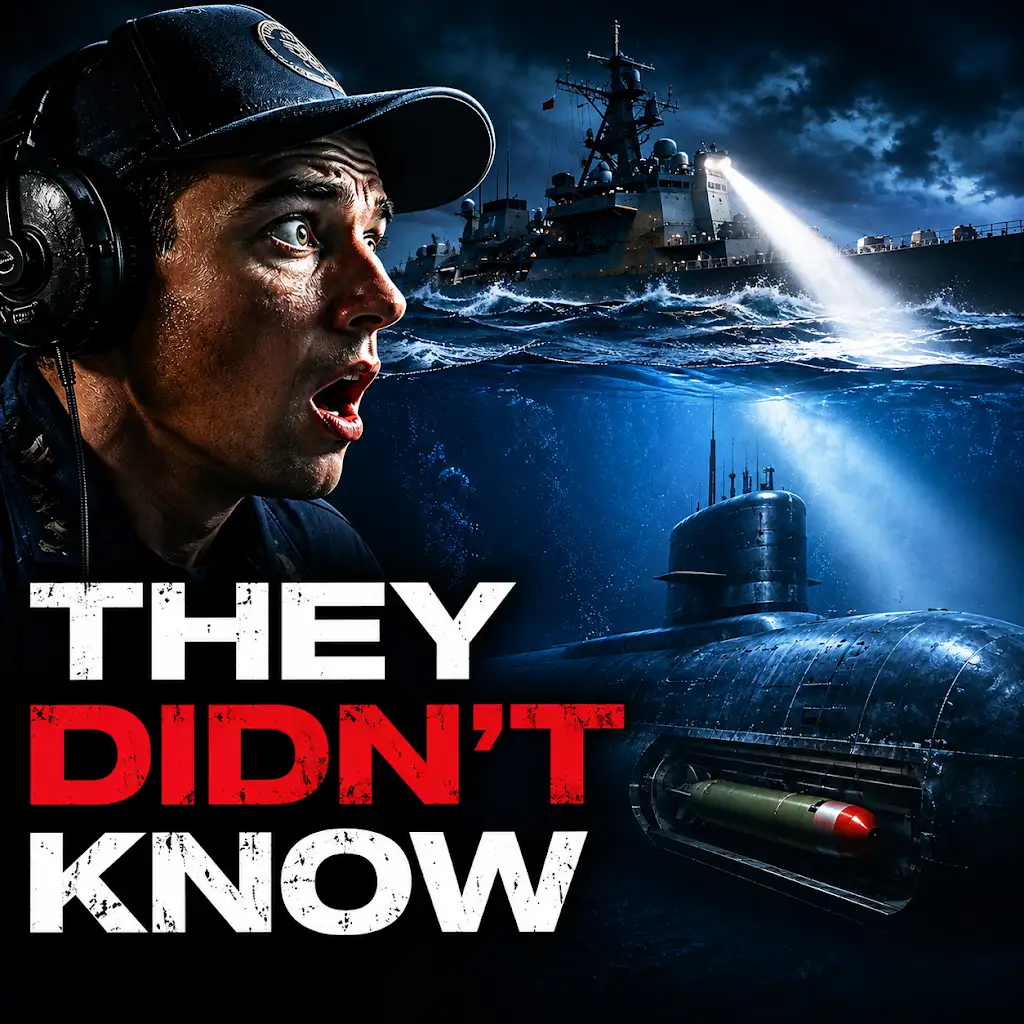
The U.S. Navy Didn’t Know This Submarine Had a Nuclear Torpedo
FAQs
What was the Cuban Missile Crisis submarine incident?
The Cuban Missile Crisis submarine incident refers to an event during the Cuban Missile Crisis in 1962, when a Soviet B-59 submarine in the Caribbean came close to launching a nuclear torpedo at the United States.
What led to the Cuban Missile Crisis submarine incident?
The incident was a result of heightened tensions between the United States and the Soviet Union during the Cold War, specifically the placement of Soviet nuclear missiles in Cuba, which was seen as a direct threat to the United States.
How was the Cuban Missile Crisis submarine incident resolved?
The incident was resolved when the captain of the Soviet submarine, Vasili Arkhipov, refused to authorize the launch of the nuclear torpedo, preventing a potential nuclear confrontation between the two superpowers.
What were the consequences of the Cuban Missile Crisis submarine incident?
The incident highlighted the extreme danger and potential for nuclear war during the Cuban Missile Crisis, and ultimately led to increased efforts to prevent such a crisis from occurring again, including the establishment of a direct communication hotline between the US and the Soviet Union.
How did the Cuban Missile Crisis submarine incident impact the Cold War?
The incident served as a stark reminder of the potential consequences of the Cold War and the need for diplomatic solutions to prevent nuclear conflict. It also contributed to a period of detente between the US and the Soviet Union in the years following the crisis.