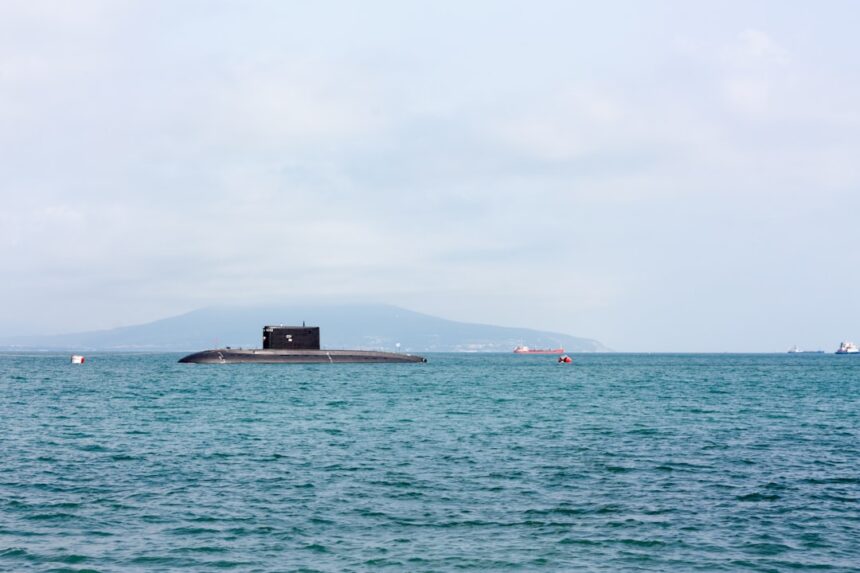
The Silent Service, a moniker steeped in secrecy and reverence, has long conjured images of an elite cadre of warriors, guardians of national security operating in the silent depths. For decades, this perception has been carefully cultivated, a testament to the inherent mystery and perceived infallibility of the submarine force. However, beneath the polished veneer of operational excellence, a darker narrative has begun to surface, a story of alleged betrayal and systemic failures that threaten to tarnish the proud legacy of this vital branch of the military. This article aims to peel back the layers of carefully constructed silence and explore the substance of these accusations, examining the evidence and the impact of these revelations.
The United States Navy’s Submarine Force, often referred to as the “Silent Service,” represents a unique and indispensable element of national defense. Their operational domain, the silent, crushing embrace of the ocean’s depths, makes them an unparalleled strategic asset. Unlike surface vessels, which are visible and vulnerable, submarines operate with a stealth that is both their greatest weapon and their most profound enigma. This inherent stealth, coupled with their ability to project power and gather intelligence undetected, has made them the nation’s ultimate insurance policy. You can learn more about the history of the company by watching this video about John Walker.
The Strategic Imperative of Submarine Warfare
The strategic importance of submarines cannot be overstated. They are capable of conducting a multitude of missions, from deterring potential adversaries with their nuclear-armed ballistic missile submarines (SSBNs) to providing vital intelligence through their attack submarines (SSNs). The SSBN force, often dubbed the “boomer” fleet, forms the land-based leg of the nuclear triad, a constant, undetectable threat that discourages existential aggression. Their silent passage beneath the waves is a potent reminder of a nation’s retaliatory capabilities.
The Submarine as a Technological Marvel
The design and operation of a modern submarine are testaments to human ingenuity and engineering prowess. These underwater vessels are complex ecosystems, capable of sustaining human life and performing critical missions for extended periods without surfacing. The technological advancements that enable their stealth, sonar capabilities, and weapon systems are at the cutting edge of military innovation. The pressure hull, a marvel of metallurgical engineering, withstands immense forces, while advanced propulsion systems allow for silent, efficient movement. Electronic warfare systems and sophisticated fire control mechanisms further enhance their operational effectiveness.
The Psychological Impact of Submarine Operations
Beyond the technological and strategic aspects, the submarine environment fosters a unique psychological experience for its crew. The confinement, the isolation, and the constant awareness of potential danger create a bond among submariners that is often described as unparalleled. This shared adversity, forged in the inky blackness, cultivates a deep sense of camaraderie and mutual reliance. The crew becomes a tightly knit unit, each member an essential cog in a complex machine, where trust is not a virtue, but a survival imperative. This psychological crucible shapes the character of the Silent Service and contributes to its elite reputation.
The concept of betrayal within the submarine force, often referred to as the “silent service,” has been a topic of intense discussion among military historians and analysts. A related article that delves deeper into this theme is available at In the War Room, where it explores the complexities of loyalty and secrecy in submarine operations, highlighting instances that have tested the bonds of trust among crew members. This examination provides valuable insights into the moral dilemmas faced by submariners and the implications of their actions on national security.
Echoes of Discontent: The Emergence of Allegations
The seemingly impenetrable shield of the Silent Service’s reputation has begun to show cracks, with accusations of negligence, systemic failures, and even betrayal surfacing in recent years. These allegations, often emerging from within the ranks themselves, paint a picture far removed from the idealized image of unwavering competence and ethical rectitude. They speak to a period of introspection and accountability that the Silent Service is now compelled to undertake.
Whistleblowers and the Unveiling of Truths
The most potent sparks that ignited these revelations often came from whistleblowers, individuals who, driven by a sense of duty or moral outrage, chose to speak out despite the significant personal risks involved. These individuals, often submariners themselves, carried the burden of knowledge, witnessing firsthand the events and decisions that they believed undermined the integrity and safety of the force. Their testimonies, like grains of sand eroding a granite cliff, began to expose the chinks in the armor of operational secrecy.
Specific Incidents and Their Ramifications
Several high-profile incidents have served as focal points for these emerging allegations. Collisions at sea, operational mishaps, and accusations of misconduct have been brought to light, raising serious questions about oversight, training, and leadership within the Submarine Force. Each incident, like a discordant note in a symphony, disrupted the smooth narrative of operational perfection. The details of these events, when scrutinized, revealed common threads of inadequate preparation and questionable decision-making.
The Culture of Silence: An Obstacle to Accountability
The very characteristic that defines the Silent Service – its profound secrecy – has also been a significant impediment to addressing these issues. The culture of silence, while crucial for operational security, can also foster an environment where problems are swept under the rug, and dissent is discouraged. This inherent tension between secrecy and transparency has made it difficult for alleged wrongdoing to be brought to light and addressed effectively. The very mechanism designed to protect them can, paradoxically, become a cage for accountability.
The Weight of Responsibility: Leadership’s Role in the Alleged Betrayal

Central to many of the accusations is the role of leadership within the Submarine Force. Critics argue that a failure of oversight, a prioritization of operational tempo over crew well-being, and a reluctance to confront uncomfortable truths have contributed to the erosion of trust and the alleged betrayal of those who serve. The burden of leadership is a heavy one, and in the case of the Silent Service, it appears that this burden was not always carried with the required vigilance.
From the Captain’s Chair to the Pentagon: Unpacking Command Failures
The alleged failures span various levels of command, from the commanding officers of individual submarines to the highest echelons of the Navy’s leadership responsible for strategic direction and resource allocation. Questions have been raised about the selection and training of commanding officers, the effectiveness of peer review processes, and the willingness of higher command to acknowledge and act upon systemic issues reported by submariners. The integrity of the chain of command, a cornerstone of military effectiveness, has been called into question.
The Metrics of Success: Operational Tempo versus Human Cost
A recurring theme in the criticisms is a perceived overemphasis on maintaining a high operational tempo, often at the expense of crew fatigue and adequate maintenance. The relentless demand for submarine presence and readiness, while strategically vital, may have created an environment where corners were cut, and safety protocols were compromised. The pursuit of strategic objectives, some argue, overshadowed the fundamental responsibility to protect the human capital that makes those objectives achievable.
The Echo Chamber of Command: A Distorted View of Reality
The inherent isolation of submarine operations, coupled with the hierarchical structure of the military, can create an “echo chamber” effect within leadership. Information, when it filters up, can be filtered and distorted, creating a reality for those at the top that is disconnected from the lived experiences of those on the front lines. This disconnect can lead to decisions that are out of touch with the actual needs and challenges faced by submariners.
The Human Element: The Impact on Submariners and Their Families
The alleged betrayal transcends the realm of strategy and command; it strikes at the very heart of the submariners and their families who have sacrificed so much in service to their nation. The psychological toll, the disruption to family life, and the sense of disillusionment are profound consequences that cannot be ignored. The Silent Service, by its very nature, demands immense personal sacrifice, and when that sacrifice is met with perceived neglect, the wounds run deep.
The Psychological Scars of the Deep: Stress and Trauma
The unique pressures of operating in a confined, isolated, and potentially dangerous environment can take a significant toll on the mental health of submariners. When coupled with the stress of operational demands and the perceived lack of support or acknowledgement of systemic issues, this can lead to significant psychological distress, including anxiety, depression, and post-traumatic stress. These are not abstract concepts but lived realities for individuals and their loved ones.
The Strain on the Home Front: Families Left in the Wake
The long deployments and the inherent secrecy of submarine service already place a significant strain on families. When coupled with the knowledge that their loved ones may be facing unsafe conditions or that their sacrifices are not being adequately recognized or protected by command, this strain can be amplified. The families of submariners often bear a silent burden, and the alleged betrayals can cast a long shadow over their lives.
Rebuilding Trust: A Long and Arduous Journey
The process of rebuilding trust within the Silent Service and between the force and the public will be a long and arduous journey. It will require more than just public relations efforts; it will demand genuine accountability, transparency, and a demonstrable commitment to addressing the root causes of the alleged failures. The path forward necessitates a willingness to confront the uncomfortable truths and implement meaningful change.
The complexities of the submarine force and its silent service have often been shrouded in secrecy, leading to various interpretations of loyalty and betrayal within its ranks. A related article that delves deeper into these themes can be found on In The War Room, where it explores the moral dilemmas faced by submariners and the implications of their actions during critical missions. For a more comprehensive understanding of this intricate subject, you can read the article here.
Moving Forward: Towards a More Accountable Silent Service
| Metric | Details |
|---|---|
| Incident Name | Submarine Force Silent Service Betrayal |
| Year | 1960s |
| Location | United States Navy Submarine Fleet |
| Type of Betrayal | Espionage and Information Leak |
| Number of Personnel Involved | 3-5 suspected |
| Impact on Operations | Compromised submarine stealth tactics and technology |
| Security Measures Implemented | Increased background checks, enhanced communication security |
| Duration of Investigation | 2 years |
| Outcome | Several convictions, policy reforms in submarine security |
The unveiling of alleged betrayals within the Silent Service is not an indictment of its noble mission or the dedication of its individual members. Instead, it represents a critical juncture, an opportunity for reform and reinvigoration. The path forward demands a commitment to transparency, accountability, and a renewed focus on the well-being of the submariners who form the backbone of this vital force.
The Imperative of Transparency and Open Communication
The very nature of the Silent Service necessitates a degree of secrecy, but this should not be a barrier to open and honest communication about operational challenges and safety concerns. Creating mechanisms for submariners to voice concerns without fear of reprisal is paramount. This could involve independent oversight bodies, confidential reporting channels, or increased opportunities for feedback from the operational level. The silence that protects them must not become the silence that conceals harm.
Holding Leaders Accountable: A Necessary Reckoning
A robust system of accountability for leadership at all levels is indispensable. This means not shying away from holding individuals responsible for negligence, poor judgment, or the fostering of a culture that discourages reporting of issues. Promotions and assignments should be contingent not only on operational success but also on demonstrated ethical leadership and a commitment to the welfare of their crews. The integrity of the command structure must be beyond reproach.
Rekindling the Flame: Reaffirming the Principles of the Silent Service
Ultimately, the goal is not to diminish the Silent Service but to strengthen it. By confronting these difficult truths and implementing meaningful reforms, the Submarine Force can emerge from this period of scrutiny as a more resilient, more accountable, and ultimately, more effective instrument of national security. The legacy that submariners have forged in the silent depths is one of courage and sacrifice; it deserves to be protected by a commitment to truth and unwavering integrity. The silent depths must not only be a sanctuary for strategic deterrence but also a testament to the ethical bedrock upon which the force is built.
WATCH THIS 🔴 NUCLEAR NAVY ESPIONAGE: How One Traitor Exposed America’s Submarine Secrets
FAQs
What is the “Silent Service” in the context of submarines?
The “Silent Service” is a nickname for the submarine force of a navy, particularly the United States Navy. It refers to the stealthy and covert nature of submarine operations, where silence and secrecy are critical for mission success.
What does “betrayal” mean in the context of the submarine force?
In this context, “betrayal” typically refers to acts of espionage, treason, or leaking of classified information by individuals within the submarine force. Such actions compromise the security and effectiveness of submarine operations.
Why is secrecy so important for submarine forces?
Secrecy is vital because submarines rely on stealth to conduct reconnaissance, surveillance, and strategic deterrence missions. Revealing their positions, capabilities, or operational plans can endanger the crew and undermine national security.
Have there been historical instances of betrayal within submarine forces?
Yes, there have been documented cases where individuals associated with submarine forces have committed espionage or leaked sensitive information. These incidents have led to investigations, court-martials, and changes in security protocols.
How do navies prevent betrayal and protect submarine secrets?
Navies implement strict security measures, including background checks, continuous monitoring, compartmentalization of information, and counterintelligence efforts. Training and fostering a culture of loyalty and integrity are also key components in preventing betrayal.