The Cold War was a period of intense geopolitical tension between the United States and the Soviet Union that lasted for nearly half a century. While much of the conflict played out on land and in the skies, a silent, unseen struggle took place beneath the waves. Submarines, with their stealth and strategic positioning, became the ultimate tools of espionage, a shadow on the ocean floor holding secrets that could sway the course of history. This article delves into the world of submarine espionage during the Cold War, exploring the clandestine missions, the technological arms race, and the palpable fear that drove nations to such lengths.
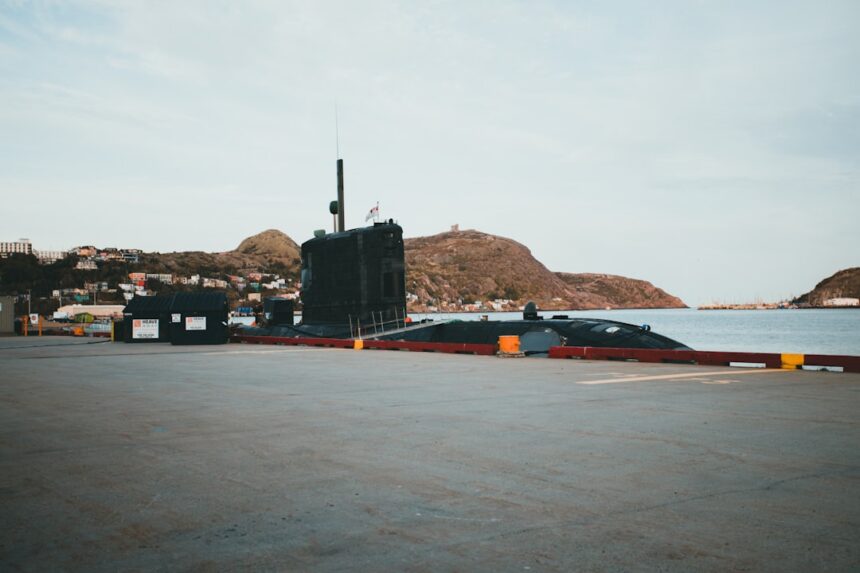
Submarines, often referred to as the “silent service,” were uniquely suited for clandestine operations. Their ability to travel undetected beneath the ocean’s surface allowed them to approach enemy coastlines, gather intelligence, and even conduct covert insertions and extractions. During the Cold War, this innate capability was amplified by advanced technology, turning these underwater vessels into formidable espionage platforms.
Submarine Design and Evolution during the Cold War
The early days of submarine warfare saw the development of diesel-electric submarines, capable of extended submerged operations but reliant on surfacing to recharge batteries. The post-war era, however, witnessed a revolutionary shift with the advent of nuclear-powered submarines.
The Dawn of Nuclear Propulsion
The USS Nautilus, commissioned in 1954, marked a paradigm shift. Its nuclear reactor eliminated the need for frequent surfacing to recharge, granting it unparalleled endurance and speed. This breakthrough fundamentally altered the strategic landscape, allowing submarines to remain submerged for months on end, venturing into previously inaccessible waters. The implications for espionage were profound; a nuclear submarine could linger near enemy shores, a phantom predator gathering vital intelligence without a trace.
The Arms Race Beneath the Waves
The Soviet Union, keenly aware of the strategic advantage nuclear submarines offered, rapidly pursued its own ballistic missile submarine (SSBN) and attack submarine (SSN) programs. This created a relentless arms race, a silent competition not just in the size and armament of these vessels, but also in their stealth and intelligence-gathering capabilities. Each side sought to develop submarines that could not only survive but also detect and evade the other, creating a complex cat-and-mouse game played out in the deep.
Beyond Torpedoes: Intelligence Gathering from Submerged Platforms
While submarines were designed as weapons of war, their primary role in espionage was often to gather information. This intelligence was crucial for understanding the enemy’s military capabilities, intentions, and technological advancements.
Listening in on the Deep
One of the most vital forms of submarine espionage involved acoustic intelligence. Submarines were equipped with highly sensitive hydrophones, capable of detecting and identifying the sound signatures of other submarines, surface vessels, and even underwater communication cables.
The Art of Acoustic Intelligence
The data collected by these hydrophones was a treasure trove of information. By analyzing the unique sound profiles of Soviet submarines, for example, American submarines could track their movements, identify their classes, and even learn about their operational patterns. This information helped NATO navies develop countermeasures and anticipate potential threats. Imagine the ocean as a vast concert hall, and the hydrophones on a submarine as incredibly attuned ears, picking out the faintest whisper of an enemy vessel from afar.
Visual Espionage and Covert Operations
Beyond sound, submarines also facilitated visual intelligence gathering and covert operations. Specialized periscopes, equipped with powerful lenses and even cameras, allowed submariners to observe enemy ports, naval bases, and ship movements from a safe, submerged vantage point.
Periscope Surveillance and Reconnaissance
For longer-range visual intelligence, submarines could deploy remotely operated vehicles (ROVs) or even have divers conduct clandestine surveys of underwater infrastructure like communication cables or submerged defenses. The ability of a submarine to remain hidden while its sensors or personnel ventured closer to the enemy was a significant advantage.
The Human Element: Crew Training and Psychological Warfare
The success of any submarine espionage mission relied heavily on the skill, discipline, and resilience of the crew. These were not ordinary sailors; they were highly trained professionals operating in an environment of constant pressure and isolation.
The Psychology of Extended Submergence
Operating a submarine for weeks or months on end, often in close proximity to potential adversaries, took a significant psychological toll. Crews were subjected to rigorous psychological screening and training to prepare them for the stresses of prolonged confinement, the constant threat of detection, and the immense responsibility of their missions.
Maintaining Morale and Operational Readiness
Maintaining crew morale under such conditions was paramount. This involved careful planning of routines, recreational activities, and a strong sense of camaraderie. The success of highly classified missions often hinged on the crew’s ability to remain focused and disciplined, even when facing immense pressure.
During the Cold War, submarine espionage missions played a crucial role in gathering intelligence and monitoring enemy activities beneath the waves. These covert operations often involved advanced technology and skilled personnel, as submarines became essential tools for both the United States and the Soviet Union. For a deeper exploration of the intricacies and impacts of these underwater missions, you can read a related article at In the War Room.
Operation Ivy Bells: Tapping the Soviet Undersea Communication Network
One of the most audacious and successful acts of submarine espionage during the Cold War was Operation Ivy Bells. This joint operation between the United States Navy and the National Security Agency (NSA) involved tapping into Soviet underwater communication cables.
Infiltration of Soviet Canyons
The mission required American submarines to navigate treacherous underwater terrain to reach specific locations where Soviet communication cables lay on the seabed. These cables carried vital military and intelligence information between Soviet naval bases and command centers.
The Technical Challenges of Cable Tapping
The technical challenges were immense. The cables lay thousands of feet below the surface, in areas often patrolled by Soviet submarines and naval vessels. The equipment needed to splice into and record data from these cables was sophisticated and had to be deployed with extreme precision and stealth.
Seizing the Data Flow
The process involved planting a sophisticated tapping device onto the Soviet cable. This device would then secretly record the electronic signals passing through the cable, which were then retrieved by subsequent submarine patrols. This effectively allowed the U.S. to eavesdrop on Soviet communications without initiating any direct electronic intrusion that would be easily detectable. The data gleaned from these taps provided invaluable insights into Soviet military planning, deployments, and technological developments.
The Risk and Reward
Operation Ivy Bells was a high-stakes gamble. Discovery would have undoubtedly led to a severe international incident, potentially escalating tensions dramatically. However, the rewards were equally significant, providing a direct line into the heart of Soviet strategic thinking.
A Game of Cat and Mouse Beneath the Waves
The patrols involved in Operation Ivy Bells were a constant dance with detection. Soviet submarines patrolled these waters, and the slightest miscalculation or equipment malfunction could have revealed the operation. The submarines involved were often specially modified to enhance their stealth capabilities, becoming almost ethereal hunters of information.
The Secrecy and Legacy of Ivy Bells
The existence of Operation Ivy Bells remained a closely guarded secret for decades, a testament to the extreme measures taken during the Cold War to gain strategic advantage. The intelligence gathered significantly informed U.S. policy and military planning throughout the latter stages of the Cold War.
The Hunt for U-Boats: Tracking Soviet Submarine Fleets
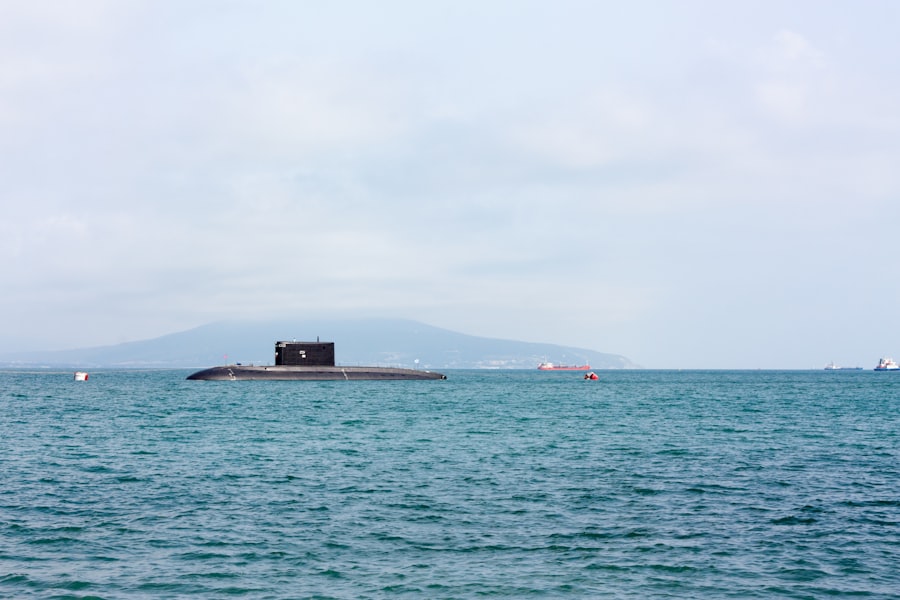
A crucial aspect of submarine espionage was the relentless pursuit of tracking and understanding the capabilities and deployment of the Soviet submarine fleet. The fear of a surprise attack by a massive Soviet submarine force, particularly SSBNs carrying nuclear missiles, was a constant concern for Western nations.
Detection and Surveillance Technologies
The development of advanced detection and surveillance technologies was central to this effort. Surface ships, aircraft, and other submarines were all employed in the ongoing mission to pinpoint the location and intent of Soviet underwater assets.
Sonar and Acoustic Signatures
Sonar, both active and passive, was the primary tool for submarine detection. Understanding the unique acoustic signatures of different Soviet submarine classes became an art form for naval acousticians.
Deciphering the Ocean’s Murmurs
Every submarine, whether built in the West or the East, has a distinct “sound fingerprint.” By meticulously analyzing the sounds picked up by hydrophones, experienced sonar technicians could identify the type of submarine, its speed, its course, and even infer its operational purpose. This was akin to identifying a species of bird by its unique song, but played out in the vast, dark expanse of the ocean.
Intelligence Gathering Missions
Dedicated intelligence gathering missions were launched to gather specific information about Soviet submarine construction, training exercises, and operational readiness.
Electronic Intelligence (ELINT) and Signals Intelligence (SIGINT)
While primarily focused on acoustics, ELINT and SIGINT also played a role. Submarines could be used to detect and intercept radio communications or radar emissions from Soviet naval installations or vessels, providing another layer of intel.
Elusive Prey in a Vast Ocean
The sheer size of the oceans made the task of tracking a stealthy submarine akin to finding a needle in a haystack – a very large, dark, and dangerous haystack. The constant need for vigilance and the sophisticated countermeasures employed by both sides created a perpetual state of tension.
The Nuclear Shadow: Ballistic Missile Submarines (SSBNs)
The development and deployment of Soviet SSBNs represented a particularly grave threat during the Cold War. These submarines, armed with nuclear-tipped ballistic missiles, provided the Soviet Union with a credible second-strike capability, capable of launching a devastating retaliatory strike even after a first-strike attack.
The Strategic Deterrent
The existence of such a capability fundamentally shaped nuclear strategy and the concept of Mutually Assured Destruction (MAD). The U.S. and its allies invested heavily in intelligence gathering to monitor these elusive weapons platforms.
The Silent Watchers
American submarines often shadowed Soviet SSBNs, gathering intelligence on their patrol routes, weapon systems, and operational habits. This intelligence was vital for assessing the threat and developing defensive and offensive strategies.
A Glimpse of the Apocalypse
The chilling reality of these missions was that the submarines being tracked carried the potential to unleash unimaginable destruction. The intelligence gathered was not just about military maneuvering; it was about understanding the precise timing and capabilities that could lead to global catastrophe.
The Race for Detection and Countermeasures
The U.S. and its allies poured resources into developing technologies to detect and track these SSBNs. This included advanced sonar systems, acoustic analysis, and even satellite surveillance.
The Evolving Cat and Mouse Game
The Soviets, in turn, developed increasingly sophisticated stealth technologies to make their SSBNs harder to detect. This continuous evolution of technology meant there was no permanent solution, just an ongoing arms race for stealth and detection.
The Immense Pressure on Submarine Crews
The crews operating on submarines tasked with shadowing SSBNs bore an immense psychological burden. They were not only engaged in a dangerous espionage mission but were also acutely aware of the catastrophic potential their quarry represented.
Cold War submarine espionage missions played a crucial role in the intelligence battles between superpowers, often involving intricate operations beneath the waves. These missions not only showcased the technological advancements of the time but also highlighted the lengths to which nations would go to gather critical information. For a deeper understanding of these covert operations, you can explore a related article that delves into the strategies and outcomes of submarine espionage during this tense period in history. Check it out here.
The Aftermath and Legacy of Submarine Espionage
| Mission Name | Year | Country | Submarine Class | Objective | Outcome | Notable Incident |
|---|---|---|---|---|---|---|
| Operation Ivy Bells | 1970-1980 | USA | USS Halibut (SSGN-587) | Wiretap Soviet undersea communication cables | Successful intelligence gathering | Discovery by Soviets led to increased security |
| K-219 Incident | 1986 | USSR | Yankee I-class | Patrol and missile readiness | Submarine suffered missile tube explosion | Near nuclear disaster, submarine sank |
| USS Pueblo Incident | 1968 | USA | USS Pueblo (AGER-2) – spy ship, related to submarine ops | Signal intelligence gathering near North Korea | Captured by North Korea | Increased Cold War tensions |
| Operation Sandblast | 1960 | USA | USS Triton (SSRN-586) | First submerged circumnavigation, reconnaissance | Successful mission | Demonstrated US submarine capabilities |
| K-219 Espionage Patrol | 1985 | USSR | Yankee I-class | Surveillance of US naval activities | Compromised due to accident | Explosion and sinking of submarine |
The fall of the Soviet Union in 1991 did not entirely end the era of submarine espionage. While the nature of the threat shifted, the underlying principles of clandestine intelligence gathering beneath the waves persisted. The legacy of Cold War submarine espionage is a complex tapestry of technological innovation, immense risk, and profound geopolitical impact.
Declassified Operations and Unveiling Secrets
In the decades since the end of the Cold War, many previously classified operations, including aspects of Operation Ivy Bells and numerous other intelligence-gathering missions, have been declassified. This has allowed for a greater understanding of the depths to which nations went in their pursuit of information.
The Untold Stories of the Silent Hunters
These declassifications have revealed the bravery and ingenuity of the individuals involved, often operating in extreme conditions with little public recognition for their vital contributions to national security. The stories of these submarine crews are a testament to human endurance and dedication.
The Ghostly Echoes of the Deep
The knowledge gained from these operations provided invaluable insights that helped shape international relations and prevent further escalation of the conflict. The silent battles fought beneath the ocean’s surface had a profound and lasting impact on the world we live in today.
The Continued Relevance of Underwater Intelligence
While the geopolitical landscape has changed, the importance of underwater intelligence remains. Submarines continue to be vital assets for intelligence gathering; their ability to operate unseen makes them indispensable for monitoring naval activities, gathering economic intelligence, and conducting special operations in sensitive regions.
The Evolving Battlefield
The oceans remain a critical domain, and the lessons learned from Cold War submarine espionage continue to inform current naval strategy and intelligence operations. The silent service, once a key player in a bipolar world, continues its vital work, a quiet guardian of secrets in an ever-changing global arena. The deep sea, a realm of perpetual twilight, still holds secrets, and submarines remain its most adept and discreet investigators.
WARNING: The $35,000 Betrayal That Blinded America
FAQs
What was the primary purpose of submarine espionage missions during the Cold War?
Submarine espionage missions during the Cold War were primarily conducted to gather intelligence on enemy naval capabilities, track submarine movements, and intercept communications. These missions aimed to gain strategic advantages without direct confrontation.
Which countries were most involved in Cold War submarine espionage?
The United States and the Soviet Union were the two main countries involved in submarine espionage during the Cold War. Both nations deployed advanced submarines to conduct covert surveillance and intelligence-gathering operations.
How did submarines conduct espionage without being detected?
Submarines used stealth technology, operated at great depths, and employed silent running techniques to avoid detection. They also utilized sophisticated sonar and electronic surveillance equipment to monitor enemy activities while remaining hidden.
What were some notable Cold War submarine espionage incidents?
Notable incidents include the capture of the USS Pueblo by North Korea, the loss of the Soviet submarine K-219, and the covert operations involving the USS Halibut and USS Parche, which conducted deep-sea cable tapping and intelligence gathering.
What impact did submarine espionage have on Cold War relations?
Submarine espionage heightened tensions between the superpowers by increasing mistrust and suspicion. However, it also provided critical intelligence that helped prevent direct military conflicts by informing strategic decisions and arms control negotiations.