The cold war had reached its zenith. The world held its breath, teetering on the precipice of nuclear annihilation, and a tiny, claustrophobic submarine, the B-59, found itself at the very epicenter of this unprecedented crisis. Its cramped confines, designed for covert operations and silent maneuvering, became a crucible where the fate of millions would be decided by a handful of men, largely unaware of the full gravity of their actions. This is the story of the B-59 and its chilling role in the Cuban Missile Crisis standoff.
The Strategic Landscape: Cuba’s Strategic Importance
The early 1960s were a period of intense geopolitical tension. The United States, under President John F. Kennedy, was grappling with the implications of a communist state, Cuba, just 90 miles off its coast. Fidel Castro’s revolution had brought a Soviet-aligned government to power, a development deeply concerning to Washington. The proximity of Cuba offered a strategic foothold for the Soviet Union in the Western Hemisphere, a move seen as a direct challenge to American dominance and security. The presence of Soviet influence so close to American shores fueled anxieties and led to a heightened state of alert. The Bay of Pigs invasion in 1961, a failed US-backed attempt to overthrow Castro, only served to further solidify the Soviet-Cuban alliance and increase the perceived threat.
The Covert Operation: Operation Anadyr
Unbeknownst to the American public and even many within the US military, the Soviet Union, under the leadership of Nikita Khrushchev, had embarked on a highly ambitious and secret operation. Codenamed “Anadyr,” this plan involved the clandestine deployment of medium-range and intermediate-range ballistic missiles, along with nuclear warheads, to Cuba. The rationale behind this audacious move was multifaceted. Khrushchev aimed to redress the strategic nuclear imbalance, as the US possessed a significant advantage in intercontinental ballistic missiles (ICBMs) capable of reaching the Soviet Union. Placing missiles in Cuba would effectively equalize this disparity, putting American cities within range of Soviet nuclear strike capabilities. Furthermore, it was a way to bolster the security of Cuba against further US aggression and project Soviet power in a region where it had previously been absent. The operation was characterized by extreme secrecy, involving deception, disguise of military equipment as civilian cargo, and nighttime shipments to avoid detection.
The Dawn of Awareness: U-2 Reconnaissance
The seemingly impenetrable veil of Soviet secrecy was eventually pierced by the keen eyes of American intelligence. High-altitude reconnaissance flights, primarily conducted by the U-2 spy plane, played a pivotal role in uncovering the unfolding Soviet machinations. On October 14, 1962, a U-2 mission over Cuba captured photographic evidence that sent shockwaves through the White House and the Pentagon. The images clearly depicted missile launch sites under construction, including erector launchers and fuel trucks, unmistakably belonging to Soviet intermediate-range ballistic missiles. These were not defensive weapons; they were offensive strategic assets capable of delivering nuclear payloads with devastating effect. The discovery was a turning point, transforming a simmering tension into an immediate and existential crisis.
The incident involving the Soviet submarine B-59 during the Cuban Missile Crisis is a significant moment in Cold War history, illustrating the intense tensions between the United States and the Soviet Union. For a deeper understanding of the events that unfolded and their implications, you can read a related article that provides further insights into this critical period. For more information, visit this article.
The Silent Hunter: The B-59’s Mission
A Vessel of Secrecy: The Project 641 Submarine
The B-59 was a Project 641 submarine, a class of diesel-electric submarines built for the Soviet Navy. These vessels were designed for long patrols, stealth, and the deployment of torpedoes. While formidable in their intended role, they were not equipped with the advanced sonar or nuclear propulsion that characterized their American counterparts. The B-59, like its sister ships, was a relatively noisy vessel, making silent running a constant challenge, especially in warmer waters. Nevertheless, it was a crucial component of the Soviet submarine fleet, tasked with intercepting enemy vessels and conducting intelligence gathering. Its mission in the waters around Cuba was part of a larger Soviet strategy to counter the US naval blockade and to protect the missile deployment.
A Perilous Patrol: Operating Under Duress
The B-59 found itself operating in the tense atmosphere of the Caribbean, tasked with a critical mission: to navigate the blockade line established by the United States and reach its operational area. The US Navy had deployed a formidable fleet of warships, including aircraft carriers and destroyers, to intercept any Soviet vessels attempting to break the blockade. The submarines were ordered to avoid contact with American ships, but also to be prepared to defend themselves if necessary. The B-59, along with other Soviet submarines in the region, was under strict orders to maintain radio silence to avoid detection. This meant that the crew had very limited information about the unfolding crisis and were largely left to their own devices, operating on outdated intelligence and the commander’s discretion. The heat, humidity, and claustrophobia of the submarine, combined with the constant threat of detection and engagement, created an environment of extreme stress for the crew.
The Nuclear Gambit: A Weapon of Last Resort
Crucially, the B-59 was armed with a special weapon: a nuclear torpedo. This was a highly controversial and dangerous addition to its arsenal. The presence of a nuclear torpedo aboard the submarine added an unprecedented layer of risk to the already volatile situation. Its deployment would have constituted a clear act of nuclear escalation, with unimaginable consequences. The orders regarding the use of the nuclear torpedo were complex and, in the chaos of the crisis, subject to interpretation. While it was intended as a weapon of last resort against an overwhelming enemy force, the possibility of its use in a miscalculated engagement loomed large. The mere existence of this weapon aboard the B-59 amplified the potential for a catastrophic misstep.
The Brink of Confrontation: Encounters in the Atlantic
The U-2 Incident: A Catalyst for Escalation
The discovery of the missile sites was not the only alarming event of the period. On October 27, 1962, a U-2 spy plane, piloted by Major Rudolf Anderson Jr., was shot down over Cuba by a Soviet surface-to-air missile (SAM). This incident was a significant escalation of the crisis. While President Kennedy had publicly declared his intention to avoid military conflict, the shooting down of an American reconnaissance plane, resulting in the death of its pilot, put immense pressure on him to retaliate. Many in his administration and the military urged for immediate retaliatory strikes against Cuban SAM sites, which could have quickly spiraled into a full-scale invasion of Cuba and, by extension, a direct confrontation with the Soviet Union. The loss of the U-2 added a grim urgency to the diplomatic efforts and heightened the sense of impending doom.
The Blockade Encounters: A Game of Cat and Mouse
As the US established its naval quarantine, a tense game of cat and mouse ensued in the waters surrounding Cuba. Soviet ships, some carrying military equipment, approached the blockade line. The US Navy vessels were under strict orders to intercept and search any ships suspected of carrying contraband. The B-59, along with other Soviet submarines, was tasked with operating in this dangerous environment, seeking to avoid detection while also observing the US naval movements. These encounters were fraught with peril. The destroyers involved in the blockade were equipped with depth charges, and while their primary intention was to disable submarines and force them to surface, the line between warning and lethal attack was perilously thin. The Soviet submarines, in turn, were under pressure to avoid being forced to the surface, which would reveal their presence and potentially their armament.
The Depth Charge Warning: A Near Catastrophe
It was during one of these tense encounters that the B-59 found itself in a truly perilous situation. On October 27, 1962, the submarine was detected by an American destroyer, the USS Beale. The Beale, believing the submarine might be carrying offensive weapons or attempting to break the blockade, began dropping non-nuclear depth charges. These were intended as warning signals, designed to force the submarine to surface. However, in the claustrophobic and disorienting environment of a submerged submarine, these explosions were terrifying. The B-59 was at a considerable depth, and the concussion of the depth charges was immense, causing stress to the hull and disrupting the internal systems. The crew on board the B-59 had no way of knowing if these were warning charges or if the American ship intended to sink them.
The Crucible of Decision: Three Men Hold the Key
The Commanders’ Dilemma: Authority and Interpretation
The events aboard the B-59 on October 27, 1962, represent perhaps the most critical moment of the entire Cuban Missile Crisis. The submarine was deep, its crew disoriented and stressed by the continuous depth charge attacks. Communication with Moscow was virtually nonexistent due to radio silence orders and the limitations of their equipment. In this fog of war, the captain of the B-59, Valentin Savitsky, was faced with an impossible decision. He believed the submarine was under attack and that they were being sunk. His orders, and the prevailing military doctrine, dictated that if attacked, they had the right to defend themselves. This included the authorization to use the nuclear torpedo.
The Unseen Power: Vasili Arkhipov’s Role
Standing between a potential nuclear catastrophe and the crew of the B-59 was Vasili Arkhipov, the flotilla commander, who happened to be on board the submarine. Arkhipov was not the captain; he was a superior officer, and his consent was required for the launch of the nuclear torpedo. Captain Savitsky, convinced they were facing an imminent threat of destruction, argued vehemently for launching the weapon. Another officer on board, Ivan Maslennikov, also supported Savitsky’s view. However, Arkhipov, despite the chaos and the perceived danger, maintained a remarkable degree of calm and rationality. He understood the devastating implications of using a nuclear weapon and recognized that the depth charges were likely warning shots, not an attempt to sink the submarine.
The Weight of Humanity: Averted Disaster
Arkhipov’s dissent was crucial. He refused to authorize the launch of the nuclear torpedo, arguing that they did not have definitive proof of a full-scale attack and that launching the weapon would trigger an uncontrollable escalation. His refusal, his quiet but firm stand against the prevailing panic, ultimately saved the world from unimaginable horror. The crew, under immense pressure and facing what they believed to be certain destruction, was prevented from unleashing a weapon that would have irrevocably altered the course of human history. Arkhipov’s decision stands as a testament to individual courage and the profound responsibility that comes with wielding such power.
The events that unfolded inside B-59 during the Cuban Missile Crisis are a stark reminder of the tensions that characterized the Cold War era. This submarine incident highlights the precarious nature of military confrontations and the potential for miscommunication to escalate into conflict. For a deeper understanding of the geopolitical implications of such moments, you can explore a related article that discusses the broader context of the crisis and its impact on international relations. To read more, visit this article.
The Aftermath and Legacy: Lessons from the Abyss
| Event | Details |
|---|---|
| Location | B-59 submarine |
| Incident | Submarine was involved in the Cuban Missile Crisis |
| Duration | 13 days (October 16-28, 1962) |
| Role | B-59 was one of the Soviet submarines involved in the crisis |
| Impact | Played a key role in the tense standoff between the US and the Soviet Union |
The De-escalation: A Fragile Peace Restored
The tense standoff eventually began to de-escalate. Through a series of secret negotiations between the US and the Soviet Union, a path towards resolution was forged. The Soviets agreed to remove their missiles from Cuba in exchange for a public pledge from the United States not to invade Cuba. Secretly, the US also agreed to remove its Jupiter missiles from Turkey, a move that helped to save face for Khrushchev and address Soviet security concerns. The world breathed a collective sigh of relief as the immediate threat of nuclear war receded. However, the memory of how close humanity had come to the brink lingered, a stark reminder of the precariousness of peace.
The Submarine’s Silence: A Secret Kept for Decades
The story of the B-59 and its near-nuclear launch remained largely unknown to the public for decades. The Soviet Union, understandably, did not publicize its near-miss with nuclear catastrophe. It was only through declassified documents and the accounts of those involved, most notably through the work of researchers and historians like Svetlana Alexievich in her book “Voices from Chernobyl,” which included interviews with those who experienced the crisis, that the full details of the B-59’s harrowing experience began to emerge. The secrecy surrounding the event underscored the clandestine nature of Cold War operations and the hidden dangers that lurked beneath the surface of international diplomacy.
The Enduring Lessons: The Perils of Miscalculation
The story of the B-59 serves as a powerful and enduring lesson about the dangers of miscalculation, the importance of clear communication, and the immense responsibility that rests on the shoulders of those in command during times of crisis. It highlights the fragility of peace and the ease with which a localized conflict can escalate into global catastrophe. The actions of Vasili Arkhipov, in particular, are a profound reminder that individual courage and sound judgment can, in the face of overwhelming pressure, steer humanity away from the abyss. The B-59, a silent hunter in the depths, ultimately became a symbol of the chilling possibility of nuclear war and the extraordinary circumstances that can avert it. Its story continues to resonate, a cautionary tale for future generations navigating the complex landscape of international relations.
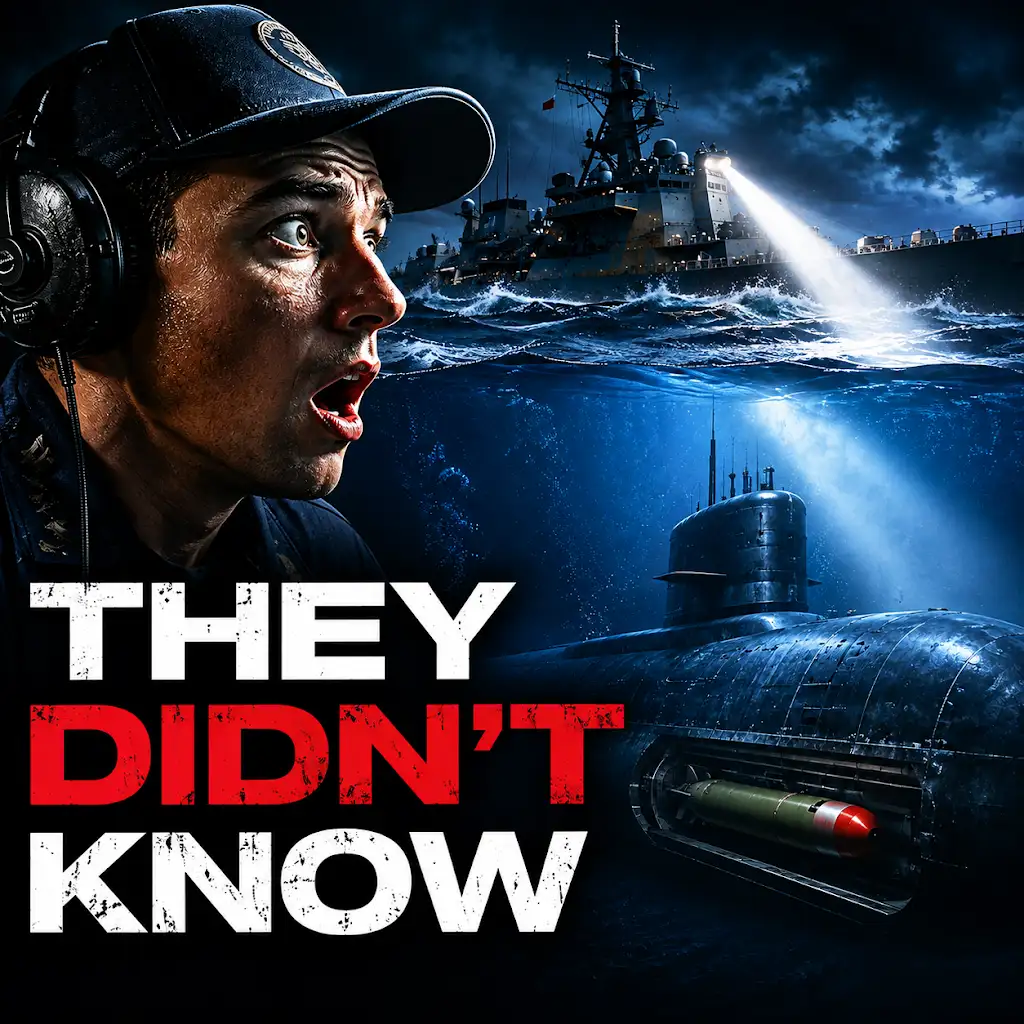
The U.S. Navy Didn’t Know This Submarine Had a Nuclear Torpedo
FAQs
1. What is B-59?
B-59 was a Soviet submarine that played a significant role in the Cuban Missile Crisis in 1962.
2. What happened inside B-59 during the Cuban Missile Crisis?
Inside B-59, the crew faced extreme conditions, including high temperatures, low oxygen levels, and a lack of communication with the outside world. The submarine also came close to using nuclear torpedoes against US ships.
3. How did the crew of B-59 cope with the conditions inside the submarine?
The crew of B-59 endured the harsh conditions by rationing food and water, and by taking turns to access the limited oxygen supply. They also had to deal with the psychological stress of being in a confined space for an extended period.
4. What was the outcome of the situation inside B-59?
Ultimately, the crew of B-59 did not launch the nuclear torpedoes, and the submarine surfaced after receiving orders from Moscow. This action helped to defuse the tension of the Cuban Missile Crisis and avoid a potential nuclear conflict.
5. What is the significance of the events inside B-59 during the Cuban Missile Crisis?
The events inside B-59 highlighted the intense pressure and difficult decisions faced by the crew during a critical moment in history. It also serves as a reminder of the potential consequences of nuclear conflict and the importance of diplomatic resolutions to international crises.