The United States faces a complex and evolving global security landscape, characterized by resurgent great power competition and the proliferation of advanced missile technologies. In this environment, the ability to produce a robust and diverse arsenal of missiles is not merely a strategic advantage but a fundamental necessity for deterring aggression and safeguarding national interests. This article explores the critical need to strengthen US missile production, examining the current challenges, the imperative for expansion, and the multifaceted strategies required to ensure a secure and responsive defense industrial base.
The world today is a far cry from the unipolar moment that followed the Cold War. Nations are increasingly investing in sophisticated weaponry, with a particular emphasis on ballistic and cruise missiles. These weapons, capable of rapid deployment and delivering a wide range of payloads, present a significant challenge to traditional defense postures. The rapid advancement and proliferation of these technologies by potential adversaries necessitate a commensurate increase in the United States’ own missile production capabilities.
The Rise of Hypersonic and Advanced Missile Systems
One of the most significant shifts in the global threat landscape has been the development and deployment of hypersonic weapons. These missiles travel at speeds exceeding Mach 5, making them incredibly difficult to detect, track, and intercept using existing missile defense systems. Adversaries are actively pursuing and fielding these capabilities, creating a strategic imbalance if the United States lags in its own development and production.
The Specter of Conventional War and Regional Conflicts
Beyond the existential threat of nuclear-armed adversaries, the United States must also prepare for the possibility of conventional conflicts in various theaters. Regional aggressors armed with advanced missile arsenals can project power and threaten US allies and interests. The ability to deter such aggression and, if necessary, respond effectively, relies heavily on the timely and sufficient production of a range of missile types, from air-to-ground munitions to anti-ship missiles.
The Importance of Deterrence by Denial and Punishment
A strong missile production capacity underpins both pillars of deterrence: deterrence by denial and deterrence by punishment. Deterrence by denial aims to make an adversary’s attack so difficult and costly that it is unlikely to succeed. This requires having sufficient quantities of interceptors and defensive missiles to defeat incoming threats. Deterrence by punishment, on the other hand, relies on the credible threat of overwhelming retaliation. A robust missile arsenal, readily available for deployment, is essential for demonstrating this retaliatory capability.
The U.S. defense industrial base plays a crucial role in missile production, ensuring that the military is equipped with advanced technology to address emerging threats. For a deeper understanding of the current challenges and innovations within this sector, you can read the article titled “Revamping the U.S. Missile Production Line” available at In the War Room. This article explores the strategic initiatives being implemented to enhance production capabilities and maintain national security.
Current Challenges in US Missile Production
Despite its technological prowess, the United States faces several significant hurdles in maintaining and expanding its missile production capabilities. These challenges are multifaceted, encompassing issues within the industrial base, supply chains, workforce, and bureaucratic processes. Addressing these issues is crucial for ensuring the nation can meet its defense requirements.
The Fragility of the Defense Industrial Base
Over the past few decades, the US defense industrial base has undergone significant consolidation. While this may have offered some efficiencies, it has also led to a concentration of manufacturing expertise and a reduction in the number of suppliers for critical components. This consolidation makes the industrial base more vulnerable to disruptions, whether from geopolitical events, natural disasters, or economic downturns. A single point of failure in a critical supply chain can have cascading effects on overall production.
Supply Chain Vulnerabilities and Dependencies
The globalized nature of modern manufacturing means that US missile production relies on a complex web of domestic and international suppliers. This creates inherent vulnerabilities. Dependence on foreign sources for key raw materials, specialized components, or even finished sub-assemblies can expose production lines to geopolitical risks, trade disputes, or disruptions caused by events in other countries. Ensuring a secure and resilient supply chain, including exploring options for reshoring critical manufacturing, is a paramount concern.
The Aging Workforce and Skills Gap
A critical, yet often overlooked, challenge is the aging workforce within the defense manufacturing sector. Many experienced engineers, technicians, and machinists are nearing retirement, taking with them a wealth of knowledge and practical skills. The pipeline for replacing these workers is not always robust enough to keep pace with demand. This skills gap, particularly in specialized areas like advanced manufacturing and materials science, poses a significant threat to sustained production.
Bureaucratic Hurdles and Procurement Delays
The defense procurement process in the United States is notoriously complex and often slow. Lengthy acquisition timelines, intricate budgeting processes, and regulatory hurdles can impede the timely delivery of essential missile systems. While oversight and accountability are crucial, overly burdensome processes can stifle innovation and slow down the ramp-up of production when urgent needs arise. Streamlining these processes without compromising oversight is a critical objective.
The Imperative for Expansion: Meeting Future Demands
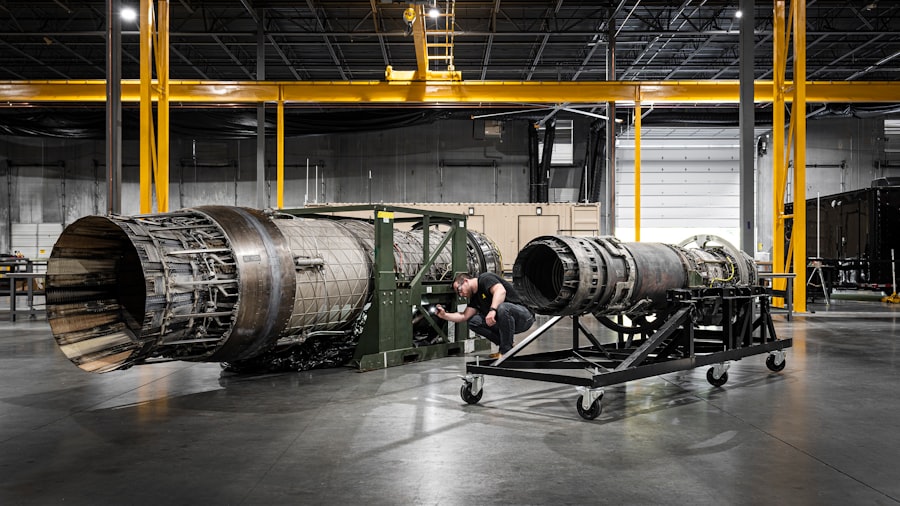
The current challenges are not merely academic; they have direct implications for the United States’ ability to deter adversaries and respond to contingencies. A concerted effort to expand and modernize missile production capabilities is therefore not an option, but a strategic imperative. This expansion must be comprehensive, addressing both the quantity and the quality of US missile production.
Increasing Production Rates for Existing Systems
Many of the missile systems currently in the US arsenal are proven and effective. However, current production rates may not be sufficient to meet projected wartime demand or to replenish stocks depleted by ongoing conflicts or surge requirements. Investing in the expansion of existing production lines, including adding new shifts, increasing automation, and securing additional raw materials, is a foundational step. This ensures that the US can field sufficient numbers of its most critical weapon systems.
Investing in Next-Generation Missile Technologies
As adversaries develop new and advanced missile capabilities, the United States must not only maintain its current edge but also invest in the development and production of next-generation systems. This includes advanced hypersonic missiles, directed energy weapons, and novel interceptor technologies. The transition from research and development to full-scale production of these cutting-edge systems requires significant foresight and investment to avoid falling behind.
Building Redundancy and Resilience in the Supply Chain
To mitigate the risks associated with single points of failure, the United States must prioritize building redundancy and resilience into its missile production supply chains. This could involve identifying and qualifying multiple suppliers for critical components, investing in domestic production capabilities for essential raw materials, and fostering partnerships with allied nations for secure and diversified sourcing. The goal is to create a supply chain that can withstand shocks and disruptions.
Strategic Stockpiling and Readiness
A robust missile production capability must be complemented by strategic stockpiling. Maintaining sufficient levels of ready-to-deploy missiles ensures that the US can respond rapidly to emerging threats without relying solely on immediate production. This stockpiling also provides a buffer during periods of increased demand, allowing production lines to ramp up without compromising immediate operational readiness.
Strategies for Strengthening US Missile Production
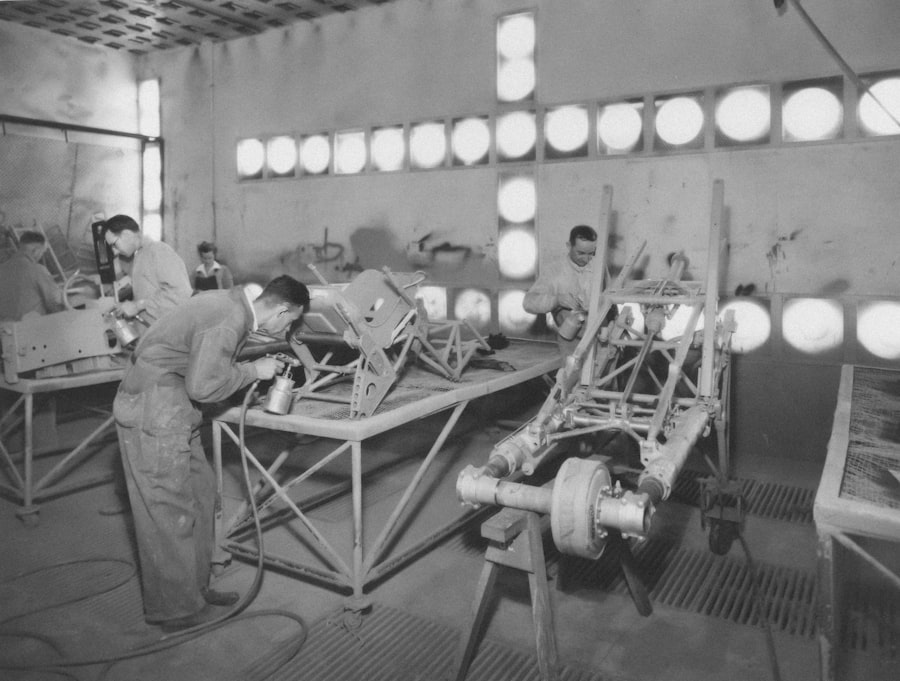
Strengthening US missile production requires a multi-pronged approach that addresses the challenges outlined above. This involves strategic investments, policy reforms, and a renewed focus on innovation and workforce development. The following strategies offer a roadmap for achieving a more robust and responsive defense industrial base.
Government Investment and Policy Support
The federal government plays a crucial role in fostering a strong defense industrial base. This includes providing sustained, predictable funding for missile development and production, offering incentives for private sector investment, and implementing policies that encourage innovation and reduce bureaucratic burdens. Long-term strategic planning, rather than reactive funding cycles, is essential.
Modernizing Manufacturing Facilities and Technologies
Government investment can be directed towards modernizing existing manufacturing facilities and encouraging the adoption of advanced manufacturing technologies. This includes embracing automation, artificial intelligence, and additive manufacturing (3D printing) to improve efficiency, reduce costs, and enhance the speed of production. Investing in these areas will ensure US capabilities remain at the forefront of technological advancement.
Supporting Research and Development (R&D) and Prototyping
A strong R&D pipeline is essential for developing the next generation of missile systems. Government funding for basic and applied research, as well as for rapid prototyping, can accelerate the pace of innovation. This also includes supporting the transition of promising technologies from the lab to the production line.
Streamlining Acquisition and Procurement Processes
Reforming defense acquisition and procurement processes is critical for reducing delays and increasing efficiency. This could involve adopting more agile acquisition strategies, simplifying contract requirements, and fostering closer collaboration between the Department of Defense and its industry partners. The goal is to enable faster decision-making and quicker deployment of vital systems.
Public-Private Partnerships and Industry Collaboration
The strength of US missile production ultimately rests on the health and collaboration of the private sector. Fostering robust public-private partnerships and encouraging greater collaboration within the defense industry are vital. This includes sharing best practices, jointly addressing supply chain challenges, and investing in shared infrastructure where appropriate.
Incentivizing Private Sector Investment and Innovation
The government can incentivize private sector investment in missile production through various mechanisms, such as tax credits, grants, and long-term contracts. These incentives can encourage companies to expand their production capacity, invest in new technologies, and pursue innovative solutions to manufacturing challenges.
Promoting Competition and Diversification within the Supply Chain
While consolidation has occurred, policies should also encourage healthy competition and diversification within the defense supply chain. This could involve supporting smaller, agile companies that can offer specialized capabilities and ensuring that multiple sources are available for critical components. Diversification reduces reliance on any single supplier.
Facilitating Technology Transfer and Knowledge Sharing
Effective technology transfer and knowledge sharing between government research institutions, academia, and industry are crucial. This ensures that cutting-edge research translates into practical production capabilities and that lessons learned are widely disseminated.
Workforce Development and Education Initiatives
Addressing the skills gap and ensuring a steady pipeline of qualified workers is paramount. This requires a concerted effort to invest in education and training programs that equip individuals with the skills needed for advanced manufacturing and defense-related careers.
Investing in STEM Education and Training Programs
Strengthening STEM (Science, Technology, Engineering, and Mathematics) education at all levels is foundational. This includes supporting programs that introduce students to manufacturing, engineering, and defense technologies, as well as providing vocational training and apprenticeships for skilled trades.
Re-skilling and Upskilling the Existing Workforce
For the current workforce, opportunities for re-skilling and upskilling are essential. This allows experienced workers to adapt to new technologies and manufacturing processes, ensuring their continued contribution to the defense industrial base.
Partnerships with Educational Institutions and Unions
Collaborating with universities, community colleges, technical schools, and labor unions can create targeted training programs that meet the specific needs of the missile production sector. This ensures that graduates possess the relevant skills and that workers have access to continuous learning opportunities.
International Cooperation and Alliance Building
In an increasingly interconnected world, international cooperation and strong alliances play a vital role in bolstering US missile production capabilities and global security. Allies can contribute to shared defense objectives, diversify supply chains, and collectively address emerging threats.
Joint Development and Production Initiatives
Collaborating with trusted allies on the joint development and production of missile systems can lead to shared costs, enhanced interoperability, and increased production volumes. This also strengthens alliance cohesion and burden-sharing.
Diversifying Supply Chains through Allied Partnerships
Building resilient supply chains often involves diversifying sources of raw materials, components, and manufacturing expertise. Partnering with allied nations can provide access to these diversified resources, reducing reliance on any single country or region.
Standardizing Munitions and Interoperability
Working with allies to standardize certain munitions and ensure interoperability between weapon systems can enhance collective defense capabilities. This allows for seamless integration of forces and more effective joint operations.
The U.S. defense industrial base is currently facing significant challenges in missile production, which has raised concerns about the nation’s readiness and response capabilities. A recent article discusses the implications of these production issues and highlights potential solutions to enhance the efficiency of the defense supply chain. For more insights on this topic, you can read the full article here. Addressing these challenges is crucial for maintaining a robust defense posture in an increasingly complex global landscape.
Conclusion: A Strategic Imperative for National Security
| Year | Missile Type | Number of Missiles Produced | Defense Contractor |
|---|---|---|---|
| 2020 | Intercontinental Ballistic Missiles (ICBMs) | 30 | Boeing |
| 2020 | Cruise Missiles | 150 | Lockheed Martin |
| 2021 | Anti-ship Missiles | 100 | Raytheon Technologies |
| 2021 | Surface-to-Air Missiles | 80 | Northrop Grumman |
The strengthening of US missile production is not a matter of choice but a fundamental necessity for ensuring national security in the 21st century. The evolving threat landscape, characterized by the proliferation of advanced missile technologies and resurgent great power competition, demands a proactive and robust response. The challenges facing the current defense industrial base, from supply chain vulnerabilities to workforce gaps, are significant but not insurmountable.
By embracing a comprehensive strategy that includes sustained government investment, strategic public-private partnerships, a dedicated focus on workforce development, and robust international cooperation, the United States can rebuild and expand its missile production capabilities. This will not only enhance its ability to deter aggression and respond effectively to threats but also solidify its position as a global leader in defense innovation and security. The time for decisive action is now, to ensure that America’s missile production capacity is a source of strength and a guarantor of peace for generations to come.

What Happens If China Moves Before America Rearms?
FAQs
What is the US defense industrial base?
The US defense industrial base refers to the collective infrastructure and resources that support the production and maintenance of military equipment and technology, including missiles and other defense systems.
What is missile production in the US defense industrial base?
Missile production in the US defense industrial base involves the manufacturing and assembly of various types of missiles, including air-to-air, air-to-surface, and surface-to-air missiles, as well as ballistic missiles and cruise missiles.
Why is missile production important for the US defense industrial base?
Missile production is important for the US defense industrial base because it ensures that the military has access to advanced and reliable missile systems to maintain a strong national defense and deter potential adversaries.
Which companies are involved in missile production for the US defense industrial base?
Several major defense contractors, such as Lockheed Martin, Raytheon Technologies, Northrop Grumman, and Boeing, are involved in missile production for the US defense industrial base, along with numerous smaller suppliers and subcontractors.
How does missile production contribute to national security?
Missile production contributes to national security by providing the military with the necessary capabilities to defend the country and its interests, deter aggression, and support allied nations in maintaining regional stability.