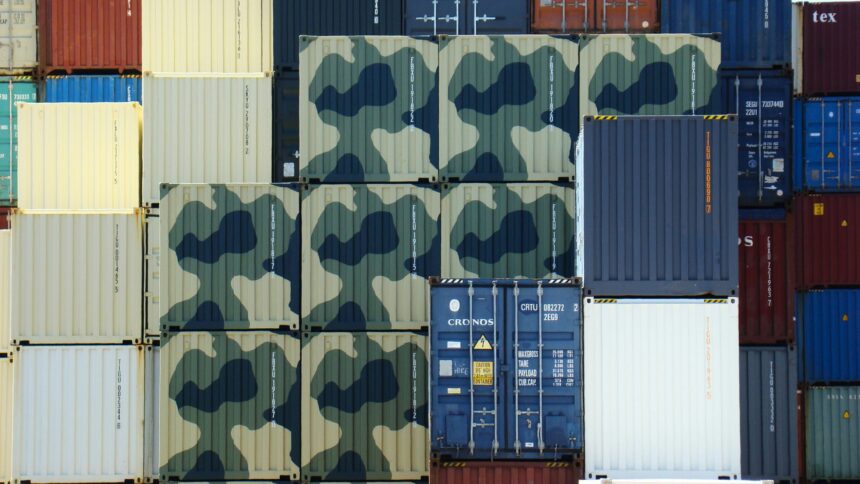
The modern military operates on a scale and complexity unimaginable to past generations. While technological advancements in weaponry and communication often dominate headlines, the silent, intricate engine that powers these capabilities is the military supply chain. This vast network, responsible for delivering everything from ammunition and spare parts to food and medicine to the farthest reaches of the globe, is crucial for operational success. However, inherent inefficiencies, legacy systems, and the sheer dynamism of conflict environments present significant challenges. This article explores the imperative of streamlining the military supply chain for enhanced efficiency, examining key areas for improvement and the strategies that can pave the way for a more agile, responsive, and cost-effective logistical apparatus.
The demands placed upon military supply chains have never been greater. The nature of warfare itself is transforming, moving away from massed, predictable engagements towards distributed, asymmetric threats, and the ever-present possibility of rapid deployment to disparate and often remote locations. This shift necessitates a supply chain that can adapt with unprecedented speed and flexibility.
Global Reach and Operational Tempo
Modern military operations are frequently conducted across vast geographic distances, often in austere environments with limited infrastructure. This global reach requires a supply chain capable of projecting power and sustaining forces hundreds or thousands of miles from established bases. The tempo of operations can also be incredibly high, demanding near-instantaneous replenishment of critical supplies.
Challenges of Remote Deployments
Deploying forces to regions lacking robust transportation networks, reliable power sources, or established warehousing presents unique logistical hurdles. Delivering essential goods becomes a complex undertaking, involving multiple modes of transport, potentially high security risks, and the need for specialized equipment and personnel.
The Need for Speed in Contingency Operations
In sudden onset crises or rapid deployment scenarios, the speed at which supplies can reach the frontline is paramount. Delays can have direct impacts on mission success, troop welfare, and ultimately, the strategic objectives. This underscores the critical need for a streamlined and responsive logistical pipeline.
Technological Advancements and Disruptions
The digital revolution has had a profound impact on civilian supply chains, and the military is increasingly looking to leverage similar technologies. From advanced analytics to artificial intelligence and automation, these tools offer the potential to revolutionize how military logistics operates.
The Promise of Digital Transformation
The adoption of digital technologies can bring about significant improvements in visibility, forecasting, and inventory management. Real-time tracking of assets, predictive maintenance for vehicles and equipment, and optimized route planning are just a few examples of how digital solutions can enhance efficiency.
Emerging Threats and Cybersecurity Concerns
While technology offers immense potential, it also introduces new vulnerabilities. Cybersecurity must be a paramount consideration in any modernization effort, ensuring the integrity of data and the security of critical infrastructure within the supply chain. A compromised supply chain can be as devastating as a direct military defeat.
The complexities of the military supply chain are crucial for ensuring operational readiness and effectiveness. A related article that delves deeper into this topic can be found at In the War Room, where it discusses the challenges and innovations within military logistics and supply management. Understanding these dynamics is essential for both military personnel and defense contractors aiming to enhance supply chain efficiency.
Pillars of an Efficient Military Supply Chain
Achieving a truly efficient military supply chain requires a multi-faceted approach, focusing on foundational elements that underpin its operational effectiveness. These pillars, when robustly developed and integrated, form the bedrock of a streamlined logistical system.
Enhanced Visibility and Real-Time Data
The adage “you can’t manage what you can’t see” is acutely relevant to military logistics. A fundamental prerequisite for efficiency is comprehensive visibility into every stage of the supply chain, from the point of origin to the end user.
Inventory Management and Tracking Systems
Modern inventory management systems, often leveraging radio-frequency identification (RFID) and global positioning systems (GPS), allow for precise tracking of assets. This eliminates the guesswork associated with stock levels, reduces the risk of shortages or overstocking, and facilitates faster retrieval of needed items.
Demand Forecasting and Predictive Analytics
Moving beyond historical data, advanced analytics can predict future demand with greater accuracy. By considering operational tempo, anticipated deployments, environmental factors, and even political intelligence, military planners can proactively position resources, minimizing last-minute scrambles and associated costs.
End-to-End Traceability
The ability to trace an item from its manufacturer to the point of consumption is vital for quality control, accountability, and even intelligence gathering. This end-to-end traceability helps identify bottlenecks, pinpoint origins of defects, and ensure the security of sensitive materials.
Integration and Collaboration Across Domains
The military supply chain is not a monolithic entity; it is a complex ecosystem involving numerous agencies, branches, and even international partners. Siloed operations and a lack of seamless integration are significant drains on efficiency.
Joint Logistics and Interoperability Standards
Breaking down inter-service barriers is crucial. Establishing common operational pictures, interoperable communication systems, and standardized procedures across different military branches ensures that resources can be leveraged collectively and effectively.
Public-Private Partnerships and Commercial Off-the-Shelf (COTS) Solutions
Leveraging the expertise and infrastructure of the private sector can significantly enhance efficiency and reduce costs. Collaborating with logistics companies, technology providers, and manufacturers for both specialized military needs and general supply fulfillment can bring best practices and innovation.
International Cooperation and Interoperability
As military operations become increasingly coalition-based, interoperability with allied forces is essential. Harmonizing logistical processes, sharing information, and ensuring compatibility of equipment and supplies facilitates seamless joint operations and reduces the duplication of effort.
Optimized Transportation and Distribution Networks
The physical movement of goods is a cornerstone of any supply chain. Optimizing transportation modes, routes, and distribution hubs is critical for timely and cost-effective delivery.
Multi-Modal Transportation Strategies
Utilizing the most appropriate mode of transport – air, sea, rail, or road – for different types of cargo and distances is vital. This may involve leveraging strategic airlift for rapid deployment, sealifts for bulk materiel, or ground transportation for last-mile delivery.
Strategic Hubs and Forward Operating Bases (FOBs)
Establishing strategically located distribution hubs and well-resourced Forward Operating Bases (FOBs) allows for the prepositioning of critical supplies. This reduces transit times to operational areas and provides essential logistical support to deployed units.
Route Optimization and Risk Mitigation
Analyzing and optimizing transportation routes not only improves efficiency but also mitigates risks associated with transit. This includes considering security threats, environmental conditions, and infrastructure limitations to ensure reliable delivery.
Leveraging Technology for Supply Chain Modernization

The transformative power of technology offers unparalleled opportunities to address long-standing inefficiencies within the military supply chain. Embracing these advancements is not merely an option; it is a necessity for maintaining operational superiority.
Artificial Intelligence and Machine Learning (AI/ML)
AI and ML are poised to revolutionize military logistics by enabling predictive capabilities and automating complex decision-making processes.
Predictive Maintenance and Asset Management
AI algorithms can analyze vast datasets from sensors on vehicles, aircraft, and other equipment to predict potential failures before they occur. This allows for scheduled maintenance, reducing costly breakdowns and ensuring operational readiness.
Optimized Resource Allocation and Load Balancing
AI can optimize the allocation of resources, including personnel, vehicles, and fuel, based on real-time demand and operational requirements. This ensures that resources are deployed where they are most needed, maximizing efficiency.
Autonomous Systems and Robotics
The integration of autonomous vehicles and robots can automate repetitive and dangerous tasks within the supply chain, such as warehousing, transportation, and even delivery in contested environments. This frees up human personnel for more strategic roles and enhances safety.
Internet of Things (IoT) and Sensor Networks
The IoT, with its proliferation of connected devices and sensors, provides the foundational data stream for many advanced logistical applications.
Real-Time Condition Monitoring of Supplies
Sensors can monitor the environmental conditions of sensitive cargo, such as temperature, humidity, and shock. This is crucial for maintaining the integrity of medical supplies, explosives, and other time- or environment-sensitive materiel.
Asset Tracking and Location Services
IoT devices provide granular tracking of every asset within the supply chain, offering real-time location data and movement history. This contributes to enhanced visibility and accountability.
Intelligent Warehousing and Automated Inventory
Sensors and connected devices can automate inventory counts, monitor stock levels, and even direct automated systems for retrieval and placement of goods within warehouses.
Blockchain Technology for Transparency and Security
While often associated with cryptocurrencies, blockchain technology offers significant benefits for supply chain management due to its inherent immutability and transparency.
Secure and Transparent Record-Keeping
Blockchain can provide an unalterable ledger of every transaction within the supply chain, from procurement to delivery. This enhances accountability and reduces the potential for fraud or error.
Enhanced Traceability and Provenance
The distributed and transparent nature of blockchain makes it ideal for tracking the provenance of goods, especially critical for ensuring the authenticity and quality of components and materials.
Streamlined Customs and Compliance Processes
Blockchain can facilitate smoother international logistics by providing a secure and verifiable record of goods, potentially streamlining customs and compliance procedures.
Advanced Strategies for Supply Chain Resilience and Agility

Beyond technological adoption, implementing strategic frameworks that foster resilience and agility is paramount in navigating the unpredictable nature of modern warfare and global events.
Developing Robust Contingency Planning and Risk Management
A proactive approach to contingency planning and risk management is essential for mitigating disruptions.
Scenario Planning and Wargaming Logistics
Conducting regular scenario planning and logistical wargaming exercises helps identify critical vulnerabilities and test the effectiveness of response plans in various crisis situations.
Diversification of Supply Sources and Routes
Reducing reliance on single sources or established routes enhances resilience. Diversifying suppliers and developing alternative transportation pathways ensures continuity of operations even when primary channels are compromised.
Establishing Strategic Stockpiles and Surge Capacity
Maintaining strategic stockpiles of critical supplies and having the ability to rapidly surge production or delivery are vital for responding to sudden increases in demand or unforeseen events.
Embracing Lean Principles and Continuous Improvement
Applying lean methodologies, widely adopted in civilian manufacturing, can drive significant efficiency gains in military logistics.
Eliminating Waste and Identifying Bottlenecks
Lean principles focus on identifying and eliminating waste in all its forms – overproduction, waiting, transportation, inventory, motion, over-processing, and defects. This streamlines processes and reduces inefficiencies.
Empowering Frontline Logisticians and Fostering Innovation
Empowering the personnel at the operational level to identify and propose improvements is crucial. Creating a culture that encourages innovation and rewards creative problem-solving can lead to continuous refinement of logistical processes.
Data-Driven Decision Making and Performance Metrics
Utilizing data to inform decisions and establishing clear performance metrics allows for objective evaluation of efficiency and the identification of areas requiring further improvement.
The Human Element: Training and Talent Management
While technology is a critical enabler, the success of any supply chain ultimately rests on the skills and dedication of its people.
Investing in Specialized Logistical Training
Providing specialized training in areas such as advanced analytics, AI/ML applications, cybersecurity, and risk management equips personnel with the skills needed to operate in a modernized logistical environment.
Developing Future-Ready Logistical Leadership
Nurturing leaders who understand the complexities of modern supply chains, embrace technological innovation, and can foster collaboration across diverse teams is essential for long-term success.
Promoting Interdisciplinary Collaboration and Knowledge Sharing
Encouraging collaboration between logistics professionals, engineers, data scientists, and operational commanders fosters a holistic understanding of the supply chain’s critical role and promotes the sharing of best practices.
Understanding the complexities of the military supply chain is crucial for ensuring operational efficiency and effectiveness. A related article that delves deeper into this topic can be found at In The War Room, where it explores the challenges and innovations within military logistics. This resource provides valuable insights into how supply chain management impacts overall military readiness and strategy.
The Future of Military Supply Chain Efficiency
| Metrics | Data |
|---|---|
| Inventory Turnover | 4.5 times |
| On-time Delivery Rate | 98% |
| Lead Time | 30 days |
| Supplier Performance | 90% |
The pursuit of an efficient military supply chain is an ongoing journey, driven by evolving threats, technological advancements, and the relentless need for operational advantage.
Predictive and Proactive Logistics
The ultimate goal is a supply chain that is not only responsive but also predictive. By leveraging AI, ML, and advanced analytics, the military can anticipate needs and position resources before they are even requested, transforming logistics from a reactive function to a proactive enabler of mission success.
Autonomous and Resilient Networks
The integration of autonomous systems and the development of highly resilient, self-healing networks will further enhance the ability to operate in contested and degraded environments. These systems can adapt to changing conditions, reroute deliveries, and maintain operational continuity with minimal human intervention.
Data-Driven Ecosystems and Digital Twins
The creation of comprehensive digital twins of the entire supply chain, fed by real-time data from IoT devices and operational feedback, will allow for sophisticated simulation, scenario testing, and continuous optimization. This data-driven ecosystem will serve as the central nervous system of the future military supply chain.
A Strategic Imperative for National Security
Streamlining the military supply chain is not merely an operational upgrade; it is a strategic imperative that directly impacts national security. An efficient, agile, and resilient supply chain ensures that military forces can deploy rapidly, sustain operations effectively, and achieve their objectives, thereby projecting power and deterring aggression in an increasingly complex global landscape. This continuous evolution and adaptation of military logistical capabilities are fundamental to maintaining a decisive edge in the 21st century and beyond.

China’s Invisible Chokehold on Modern Weapons
FAQs
What is the military supply chain?
The military supply chain refers to the process of acquiring, storing, and distributing materials, equipment, and supplies to support military operations. It involves various stages such as procurement, transportation, inventory management, and logistics.
What are the key components of the military supply chain?
The key components of the military supply chain include procurement, transportation, storage, inventory management, and distribution. These components work together to ensure that the military has the necessary resources to support its operations.
How does the military supply chain differ from civilian supply chains?
The military supply chain differs from civilian supply chains in several ways. Military supply chains often involve unique challenges such as the need for rapid deployment, security considerations, and the requirement to operate in hostile environments. Additionally, military supply chains are subject to strict regulations and standards to ensure the security and integrity of the supplies.
What are the challenges faced by the military supply chain?
The military supply chain faces various challenges including the need for rapid response and deployment, ensuring supply chain security in hostile environments, managing complex logistics, and maintaining inventory accuracy. Additionally, the military supply chain must navigate regulatory and compliance requirements.
How is technology impacting the military supply chain?
Technology is playing a significant role in transforming the military supply chain. Advancements in areas such as data analytics, automation, and artificial intelligence are improving supply chain visibility, efficiency, and decision-making. Additionally, technologies such as RFID and GPS are enhancing asset tracking and inventory management capabilities within the military supply chain.