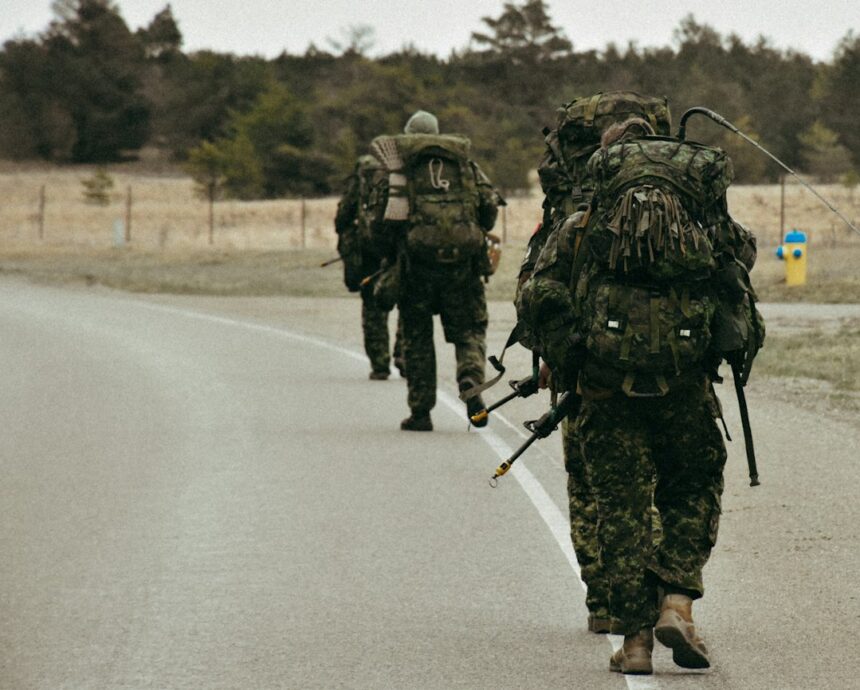
Strategic planning stands as the bedrock upon which the success of elite military missions is built. It is an intricate and dynamic process that transforms abstract objectives into concrete, executable plans, meticulously designed to navigate the complexities and inherent risks of high-stakes operations. For elite units, where the consequences of failure can be catastrophic, the rigor and foresight embedded in strategic planning are not merely procedural but existential. This planning encompasses a broad spectrum, from defining the overarching strategic intent to the granular details of tactical execution. It demands an unwavering commitment to intelligence, adaptability, and a profound understanding of the operational environment.
The initial and most critical phase of strategic planning for elite military missions revolves around establishing a crystal-clear strategic intent. This is not simply a statement of purpose; it is the distilled essence of the mission, articulating the ultimate desired end-state and the critical factors that will define success. Without a well-defined strategic intent, any subsequent planning efforts risk becoming unfocused, misaligned, and ultimately ineffective.
Understanding the Strategic Imperative
Elite military units are often tasked with missions that carry immense strategic weight. These could range from counter-terrorism operations and hostage rescue to special reconnaissance deep within enemy territory or the disruption of critical enemy capabilities. Understanding the strategic imperative behind such missions is paramount. This involves a deep dive into the political, economic, and social factors that necessitate the operation, as well as the broader geopolitical context. The planning team must comprehend how the success or failure of their mission will impact national security, regional stability, and the overall strategic objectives of the nation.
Analyzing the Geopolitical Landscape
A comprehensive analysis of the geopolitical landscape is a non-negotiable prerequisite. This involves identifying key state and non-state actors, their motivations, alliances, and potential reactions to the mission. Understanding the intricate web of international relations, regional power dynamics, and the historical context of the area of operations is crucial. For instance, a mission in a volatile region might require careful consideration of neighboring countries’ interests and their potential to interfere or offer support. The planning team must anticipate how different international responses could influence the mission’s outcome and post-operation stability.
Assessing National Objectives and Policy
The mission must be inextricably linked to clearly defined national objectives and overarching policy. Strategic planning cannot operate in a vacuum; it must serve the broader goals of the government. This requires close collaboration with civilian leadership and policymakers to ensure that the military plan aligns with and supports the political aims. The desired political end-state, the acceptable level of risk, and the permissible use of force are all critical considerations that flow from this assessment. Without this alignment, even a tactically successful mission could be a strategic failure if it undermines broader policy goals.
Defining the Desired End-State
The desired end-state is the tangible and intangible condition that will exist upon the successful completion of the mission. It goes beyond simply achieving tactical objectives; it describes the desired future condition of the operational environment and its impact on broader strategic goals. For elite units, this often involves creating conditions for follow-on operations, stabilizing a region, or deterring future threats. The end-state must be specific, measurable, achievable, relevant, and time-bound (SMART), providing a clear target for all planning and execution efforts.
Articulating the ‘Victory Condition’
For elite forces, “victory” is not always about defeating an enemy in a conventional sense. It might involve neutralizing a specific threat, rescuing hostages unharmed, or denying an adversary a critical advantage. The “victory condition” must be precisely defined, leaving no room for ambiguity. This requires translating the strategic intent into concrete outcomes that can be assessed upon mission completion. For example, a hostage rescue mission’s victory condition would not simply be the safe return of hostages, but also ensuring that the perpetrators are apprehended or neutralized, and that the risk of future such incidents is significantly reduced.
Considering the Long-Term Impact
Strategic planning for elite missions must also consider the long-term impact of the operation. This involves anticipating the consequences of the mission’s success or failure beyond the immediate operational period. This includes potential blowback, the emergence of new threats, the impact on local populations, and the implications for diplomatic relations. A mission that achieves its immediate objectives but creates long-term instability or resentment among local populations may ultimately be counterproductive from a strategic perspective.
Elite military missions require meticulous planning and coordination, often drawing on insights from various strategic frameworks. For a deeper understanding of the complexities involved in such operations, you can explore a related article that delves into the intricacies of military strategy and execution. This article provides a comprehensive overview of the methodologies used in planning elite missions, highlighting the importance of intelligence, teamwork, and adaptability. To read more, visit this link.
Intelligence: The Lifeblood of Elite Mission Planning
Intelligence is the cornerstone upon which all effective military planning rests, but for elite units operating in highly complex and often clandestine environments, it is their lifeblood. The quality, timeliness, and relevance of intelligence directly dictate the feasibility, safety, and ultimate success of any operation. Without a deep and nuanced understanding of the enemy, the environment, and potential risks, even the most well-intentioned plans are destined to falter.
The Intelligence Gathering Cycle
The intelligence gathering cycle is a continuous and iterative process that informs every stage of strategic planning. It begins with requirements defined by the mission objectives, guiding the collection efforts across various disciplines.
Human Intelligence (HUMINT)
Human intelligence, gathered from sources on the ground, is often indispensable for elite missions. This can involve clandestine operatives, informants, defectors, or even captured personnel. HUMINT provides invaluable insights into enemy intentions, capabilities, morale, and the local environment. For special operations, understanding the cultural nuances and social dynamics of the operational area, often best gleaned through HUMINT, can be as critical as understanding enemy weapon systems.
Signals Intelligence (SIGINT)
Signals intelligence, encompassing electronic intelligence (ELINT) and communications intelligence (COMINT), provides crucial information about enemy communications, electronic signatures, and movements. The ability to intercept, decrypt, and analyze enemy communications can offer real-time insights into their plans and dispositions, allowing for agile adjustments to operational plans.
Imagery Intelligence (IMINT)
Imagery intelligence, derived from satellite, aerial, and drone reconnaissance, offers a visual understanding of the operational environment. This includes mapping terrain, identifying enemy infrastructure, tracking troop movements, and assessing the effectiveness of previous operations. For planning infiltration and exfiltration routes, or identifying optimal target locations, IMINT is indispensable.
Open-Source Intelligence (OSINT)
Open-source intelligence, derived from publicly available information, has become increasingly valuable. This includes media reports, social media, academic papers, and government publications. OSINT can provide a broad understanding of the political climate, public sentiment, and the broader context in which the mission will operate.
Intelligence Fusion and Analysis
Raw intelligence, regardless of its source, is only valuable if it is accurately fused and analyzed to provide actionable insights. This involves synthesizing information from multiple sources to create a coherent picture, identify patterns, and assess the reliability of individual pieces of intelligence.
Identifying Threats and Opportunities
The core function of intelligence analysis is to identify both threats and opportunities. This includes pinpointing enemy strengths and weaknesses, their likely courses of action, and potential vulnerabilities. Simultaneously, intelligence must identify opportunities for exploitation, whether it be to gain a tactical advantage, minimize risk, or achieve a strategic objective with less force.
Assessing Risk and Uncertainty
Elite missions are inherently risky. Intelligence plays a critical role in quantifying and qualifying these risks. This involves identifying potential obstacles, enemy countermeasures, and unintended consequences. By understanding the spectrum of possibilities and their associated probabilities, planners can develop contingency plans and risk mitigation strategies. Uncertainty is an inherent element, and effective intelligence aims to reduce it as much as possible.
Intelligence Support to Operations
Intelligence is not a static component of planning; it is a dynamic force that continues to inform and shape the operation throughout its execution.
Real-Time Intelligence Updates
During an elite mission, real-time intelligence updates are paramount. This allows the command element to adapt to changing circumstances, exploit emerging opportunities, and respond effectively to unexpected threats. The ability to rapidly disseminate and integrate new intelligence into ongoing operations can be the difference between success and failure.
Post-Mission Analysis and Debriefing
The intelligence cycle continues even after the mission is complete. Post-mission analysis and debriefing are crucial for assessing the effectiveness of intelligence collection and analysis, identifying lessons learned, and informing future planning efforts. This feedback loop is essential for the continuous improvement of intelligence capabilities and strategic planning processes.
Mission Planning and Rehearsal: From Concept to Execution
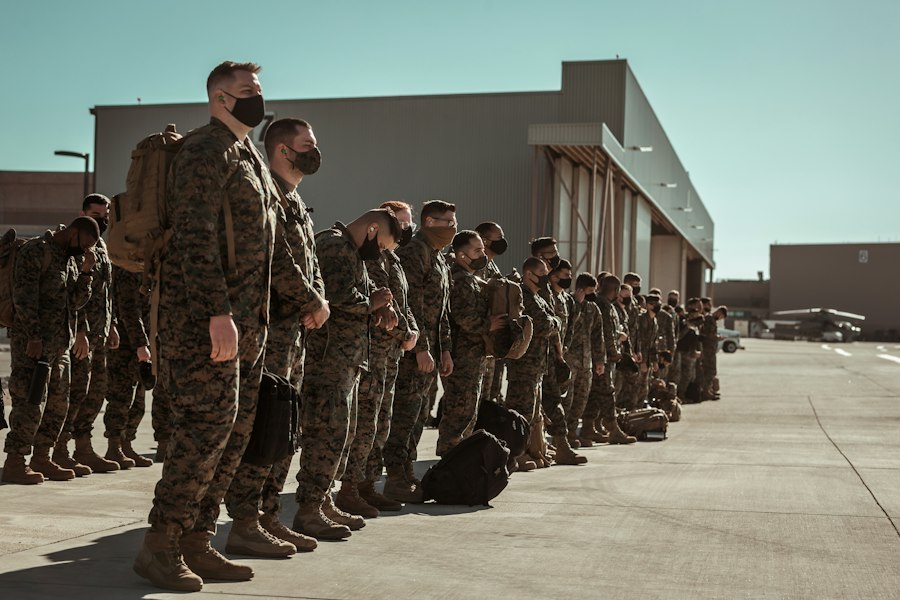
With a solid understanding of strategic intent and robust intelligence, the focus shifts to the detailed planning and rigorous rehearsal of the mission. This phase translates the strategic vision into a tangible, executable plan, ensuring that every aspect of the operation is meticulously considered and practiced. For elite units, the adage “sweat in training saves blood in combat” is profoundly true.
Developing Courses of Action (COAs)
The development of multiple Courses of Action (COAs) is a critical step in strategic planning. This involves generating several distinct, viable plans to achieve the mission objectives, each with its own set of tactics, resources, and timelines.
Identifying Key Objectives and Tasks
Each COA must clearly define the key objectives and the specific tasks required to achieve them. This involves breaking down the overall mission into smaller, manageable components that can be assigned to specific units or individuals. The interdependencies between these tasks must be thoroughly understood to ensure seamless execution.
Resource Allocation and Synchronization
Effective COA development necessitates careful consideration of resource allocation. This includes personnel, equipment, transportation, and support assets. Synchronization of these resources across different phases of the operation is crucial to avoid bottlenecks and ensure that capabilities are available when and where they are needed.
Risk Assessment for Each COA
Each COA must undergo a thorough risk assessment. This involves identifying the potential hazards and vulnerabilities associated with each plan, the likelihood of these risks materializing, and the potential consequences. This assessment informs the selection of the most viable COA and the development of mitigation strategies.
Selecting the Preferred Course of Action
The selection of the preferred COA is a deliberative process that weighs the advantages and disadvantages of each option against the mission objectives, intelligence assessments, and risk tolerance.
Commander’s Intent and Guidance
The commander’s intent and guidance are paramount in selecting the preferred COA. The chosen plan must directly align with the commander’s vision for the operation and his or her overall strategic objectives. The commander’s experience and judgment are critical in this decision-making process.
War-Gaming and Scenario Analysis
War-gaming and scenario analysis are invaluable tools for evaluating each COA. This involves simulating potential enemy responses and operational challenges to identify weaknesses in the plan and explore alternative approaches. It allows planners to anticipate and prepare for a wide range of contingencies.
Decision Criteria and Trade-offs
The selection process involves establishing clear decision criteria. These criteria might include factors such as the probability of success, the level of risk, the resources required, and the potential for collateral damage. Planners must be prepared to make difficult trade-offs to select the COA that offers the best balance of these factors.
Detailed Operational Planning
Once the preferred COA is selected, detailed operational planning commences. This involves fleshing out every aspect of the mission down to the tactical level.
Developing Timelines and Schedules
Precise timelines and schedules are essential for coordinating complex operations involving multiple units and interdependent tasks. This includes detailed timelines for movement, action on objective, exfiltration, and support functions.
Establishing Communication Plans
Robust and secure communication plans are critical for elite missions. This involves establishing clear communication protocols, frequencies, call signs, and contingency communication methods to ensure seamless coordination and rapid dissemination of information.
Contingency Planning and Branching Operations
Contingency planning is an integral part of detailed operational planning. This involves developing pre-planned responses for anticipated problems or deviations from the main plan, often referred to as “branching operations.” This ensures that the unit can react effectively to unforeseen circumstances without compromising the mission.
Rehearsal and Validation
Rigorous rehearsal is non-negotiable for elite military units. It transforms a paper plan into a practiced reality, allowing for the identification of flaws, the refinement of procedures, and the building of team cohesion.
Tabletop Exercises (TTXs)
Tabletop exercises allow planners and key personnel to walk through the plan verbally, identifying potential problems and refining procedures without the need for extensive physical preparation.
Full-Dress Rehearsals
Full-dress rehearsals, often conducted in realistic environments, provide the most comprehensive form of validation. These rehearsals involve all elements of the mission, from insertion to extraction, and allow for the testing of equipment, procedures, and communication systems under simulated operational conditions.
After-Action Reviews (AARs)
After-action reviews following each rehearsal are critical for identifying lessons learned and making necessary adjustments to the plan. The AAR process encourages open and honest feedback from all participants, ensuring that improvements are incorporated before the actual mission.
Risk Management and Mitigation: Anticipating and Countering Threats
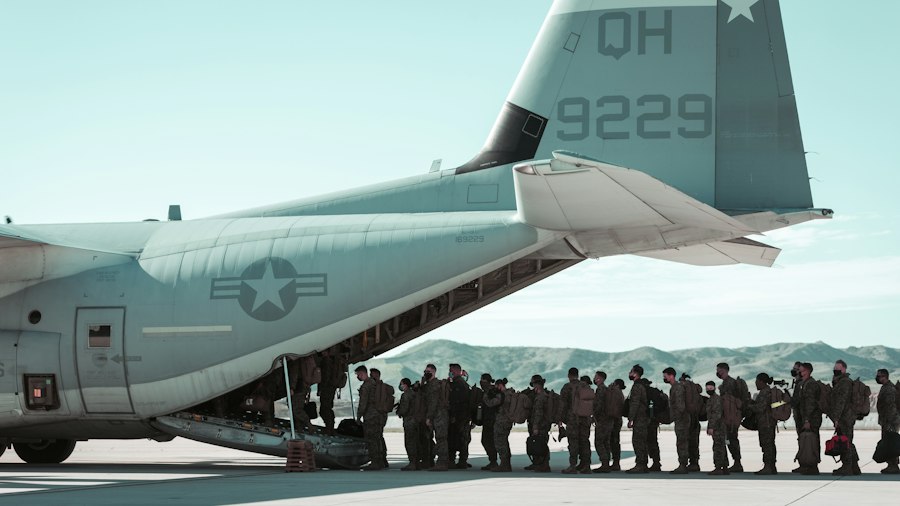
Elite military missions inherently involve significant risk. Strategic planning must therefore incorporate a robust framework for identifying, assessing, and mitigating these risks to ensure the safety of personnel and the successful accomplishment of the mission. This proactive approach is a hallmark of professional military operations.
Identifying Potential Hazards and Threats
The first step in risk management is to comprehensively identify all potential hazards and threats that could impact the mission. This requires a deep understanding of the operational environment, the enemy’s capabilities, and the inherent risks associated with the chosen tactics and methodologies.
Environmental Hazards
Environmental hazards can range from extreme weather conditions and treacherous terrain to the presence of hazardous materials or disease vectors. Understanding and planning for these environmental challenges is crucial for personnel safety and operational effectiveness. For example, a desert operation might require meticulous planning for hydration and heat management, while a jungle operation would necessitate strategies for disease prevention and navigation.
Enemy Threats and Capabilities
A thorough assessment of enemy threats is paramount. This includes understanding their potential to employ conventional or unconventional tactics, their access to weapons systems, their command and control structures, and their likely reactions to the operation. Elite units must anticipate the most dangerous enemy courses of action and develop countermeasures.
Technical and Equipment Failures
The reliance on sophisticated technology in elite missions also introduces the risk of technical and equipment failures. Planning must account for the possibility of equipment malfunctions, communication outages, or the failure of critical systems. Redundancy and backup systems are often incorporated to mitigate these risks.
Human Factors and Personnel Risks
Human factors, including fatigue, stress, decision-making under pressure, and the potential for friendly fire incidents, represent significant risks. Understanding and mitigating these risks involves proper training, crew resource management, and clear rules of engagement. The psychological impact of high-stress operations also requires careful consideration and support.
Assessing the Likelihood and Impact of Risks
Once identified, each risk must be assessed in terms of its likelihood of occurring and the potential impact it would have on the mission. This assessment helps prioritize mitigation efforts.
Probability and Consequence Analysis
A systematic analysis of probability and consequence is essential. Risks with a high probability and high consequence require the most urgent attention and the development of the most robust mitigation strategies. Conversely, risks with low probability and low consequence may be accepted, with contingency plans in place.
Developing Risk Matrices
Risk matrices are a common tool used to visually represent the likelihood and impact of various risks, allowing for a clear prioritization of mitigation efforts. This provides a structured framework for decision-making regarding risk management.
Developing Mitigation Strategies
Mitigation strategies are designed to reduce the probability of a risk occurring or minimize its impact if it does. These strategies are integrated into the operational plan.
Prevention and Avoidance
The most effective mitigation strategy is often prevention or avoidance. This can involve selecting different infiltration routes, altering timings, or employing different tactics to avoid known enemy concentrations or hazardous areas.
Reduction and Containment
If a risk cannot be entirely avoided, strategies to reduce its probability or contain its impact are employed. This might include employing specialized equipment, implementing enhanced security measures, or developing specific medical protocols for potential injuries.
Contingency Planning and Response
For risks that cannot be fully mitigated, robust contingency plans are developed. These plans outline the procedures to follow if a particular risk materializes, ensuring a rapid and effective response to minimize damage and facilitate mission continuation or safe withdrawal.
Force Protection Measures
Force protection measures are a critical component of risk mitigation, focusing on safeguarding personnel and assets. This includes measures such as establishing secure perimeters, employing advanced surveillance systems, and implementing strict access control procedures.
Elite military missions require meticulous planning and coordination, as highlighted in a related article that delves into the intricate processes involved in such operations. Factors such as intelligence gathering, resource allocation, and team dynamics play crucial roles in ensuring mission success. For a deeper understanding of these complexities, you can read more in this insightful piece on military strategy. The article emphasizes how every detail, from reconnaissance to execution, is carefully crafted to adapt to the ever-changing battlefield environment.
Adaptability and Flexibility: Navigating the Unforeseen
| Planning Phase | Key Activities | Tools & Techniques | Typical Duration | Metrics for Success |
|---|---|---|---|---|
| Intelligence Gathering | Reconnaissance, surveillance, data collection | Satellite imagery, HUMINT, SIGINT, drones | Days to weeks | Accuracy of intel, completeness of target data |
| Mission Analysis | Threat assessment, terrain analysis, risk evaluation | GIS mapping, war-gaming simulations, expert consultations | 1-3 days | Identification of vulnerabilities, risk mitigation plans |
| Course of Action Development | Developing multiple operational plans, contingency planning | Decision matrices, scenario planning, brainstorming sessions | 2-4 days | Number of viable options, flexibility of plans |
| Detailed Planning | Resource allocation, timing, coordination with units | Project management software, communication systems | 3-7 days | Precision of timelines, resource readiness |
| Rehearsals & Training | Simulated mission runs, equipment checks, team coordination | Mock-ups, virtual reality simulations, live drills | 1-5 days | Team readiness, error rate reduction |
| Execution & Monitoring | Real-time command, communication, adjustments | Secure comms, real-time data feeds, command centers | Hours to days | Mission success rate, casualty minimization |
| After Action Review | Debriefing, lessons learned, performance evaluation | Reports, video analysis, feedback sessions | 1-2 days | Improvement identification, knowledge retention |
In the chaotic and unpredictable environment of elite military operations, the ability to adapt and remain flexible is not merely advantageous; it is a fundamental requirement for survival and success. Strategic plans, no matter how meticulously crafted, must be imbued with the capacity to evolve and respond to the ever-changing realities on the ground.
The Dynamic Nature of Elite Operations
Elite military missions are rarely linear. They are characterized by the constant emergence of unexpected challenges, the rapid shift of enemy tactics, and the inherent uncertainty of operating in complex environments. The rigid adherence to an unyielding plan in the face of such dynamism is a recipe for failure.
Unforeseen Enemy Actions
The enemy is not a static entity; they will react to the operation, often in ways that are not anticipated. This can include ambushes, counter-attacks, the deployment of unexpected weaponry, or the exploitation of unexpected vulnerabilities. The ability to quickly recognize and react to these unforeseen enemy actions is critical.
Environmental Changes and Unpredictability
Environmental conditions can change rapidly and dramatically. A clear day can turn into a raging storm, a calm sea can become a treacherous expanse, or a seemingly secure area can become compromised by natural phenomena. These environmental shifts can have profound impacts on operational plans, requiring swift adaptation.
Intelligence Gaps and Misinterpretations
Despite best efforts, intelligence is rarely perfect. Gaps in information or misinterpretations of intelligence can lead to operational surprises. The plan must allow for flexibility to adjust courses of action when new or corrected intelligence becomes available.
Building Adaptability into the Plan
Adaptability is not an afterthought; it must be woven into the fabric of strategic planning from its inception.
Developing Multiple Contingency Plans (Branches)
As mentioned previously, the development of numerous contingency plans, or “branches,” is essential. These pre-planned responses provide alternative pathways when the primary plan encounters significant deviations or insurmountable obstacles.
Empowering Subordinate Leaders
Strategic planning must empower subordinate leaders with the authority and discretion to make decisions within defined parameters. This allows for faster reactions to localized challenges without the need for constant upward reporting and approval, which can be time-consuming and detrimental in fast-paced situations.
Maintaining Situational Awareness
Continuous and accurate situational awareness is the bedrock of adaptability. This involves a constant flow of information from all elements of the operation, allowing commanders and leaders to maintain a clear understanding of the evolving battlefield and make informed decisions.
The Role of Technology in Adaptability
Modern technology plays a significant role in enhancing adaptability for elite units.
Real-Time Data Sharing and Communication
Advanced communication systems and data-sharing platforms enable the rapid dissemination of real-time information across all echelons of the operation. This allows for a more synchronized and informed response to changing circumstances.
Unmanned Systems and Reconnaissance
The use of unmanned aerial vehicles (UAVs) and other unmanned systems provides persistent surveillance and reconnaissance capabilities, offering dynamic intelligence that can inform adaptive decision-making in real-time.
Agile Command and Control Systems
Agile command and control systems are designed to facilitate rapid decision-making and the redirection of resources in response to evolving threats and opportunities. These systems support a more fluid and responsive operational tempo.
The Human Element: Training and Mindset
Ultimately, adaptability is a human endeavor, deeply rooted in the training and mindset of the individuals
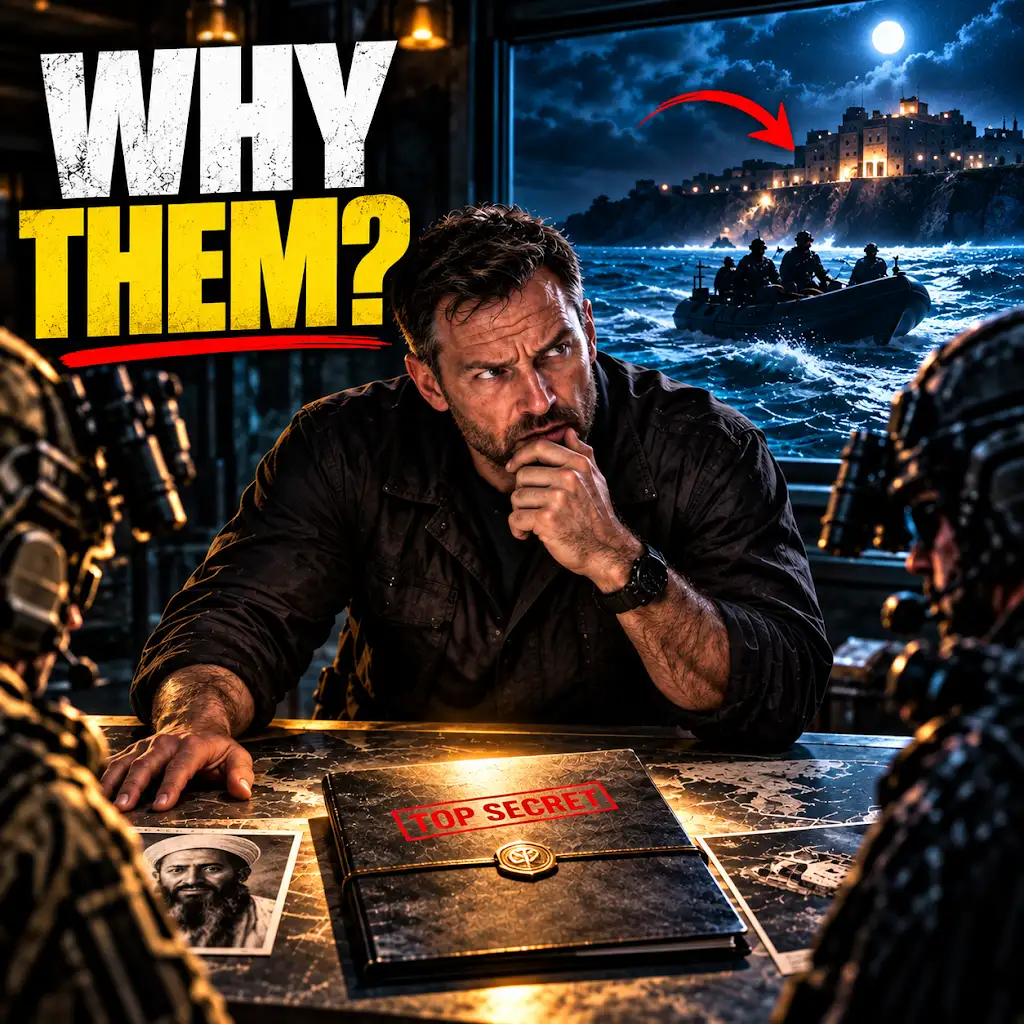
Why SEAL Team Six Got the Bin Laden Raid — Not Delta Force
FAQs
What is the process for planning elite military missions?
The process for planning elite military missions involves thorough intelligence gathering, risk assessment, objective setting, operational planning, and execution.
Who is involved in the planning of elite military missions?
Elite military missions are planned by a team of highly trained special operations forces, intelligence officers, strategists, and other military experts.
How are objectives determined for elite military missions?
Objectives for elite military missions are determined based on the mission’s purpose, the desired outcome, and the resources available. Objectives are often specific, measurable, achievable, relevant, and time-bound (SMART).
What factors are considered during the risk assessment phase of planning elite military missions?
During the risk assessment phase, factors such as enemy capabilities, terrain, weather conditions, logistical challenges, and potential collateral damage are considered to ensure the safety and success of the mission.
How are elite military missions executed once the planning is complete?
Elite military missions are executed with precision and speed, utilizing the latest technology, specialized equipment, and highly trained personnel. Communication, coordination, and adaptability are key components of successful mission execution.