The chilling reality of omnipresent surveillance under the German Democratic Republic (GDR) has been brought into stark, tangible focus with the recent uncovering and exhibition of Stasi secret surveillance photographs. These images, long hidden in dusty archives and buried deep within the labyrinthine bureaucracy of the Ministry for State Security (MfS), offer a unique and deeply unsettling glimpse into the meticulous, often voyeuristic, methods employed by East Germany’s secret police. Far from abstract accounts of state repression, these photographs serve as undeniable evidence, transforming the abstract concept of pervasive monitoring into a concrete, visual testament to a regime’s unwavering determination to control its population.
The Stasi, or Staatssicherheit, operated on a scale of surveillance that was truly breathtaking in its scope and ambition. Their objective was not merely to detect dissent but to anticipate and neutralize it before it could ever manifest. This necessitated a sophisticated and far-reaching network of informants, technical surveillance, and an unparalleled dedication to documentation. The uncovered photographs are a direct product of this relentless drive for information, capturing individuals in their daily lives, often unaware of the lens trained upon them.
Informant Networks: The Eyes and Ears of the Stasi
At the heart of the Stasi’s surveillance apparatus lay its vast network of unofficial collaborators, or “Inoffizielle Mitarbeiter” (IMs). These were ordinary citizens, ranging from colleagues and neighbors to friends and even family members, who provided information to the MfS in exchange for various incentives – money, career advancement, or simply the perceived advantage of being on the right side of the state. The photographs often documented the activities of these IMs, capturing them meeting their handlers, receiving instructions, or subtly observing their targets. These images underscore the insidious nature of the system, where trust was eroded and everyday interactions could be weaponized against individuals.
Documenting the Undocumented: The Photographic Mandate
The Stasi’s operational instructions, or “Zේවende Anordnungen” (OVs), placed a significant emphasis on photographic evidence. The rationale was simple: a photograph provided irrefutable proof of presence, association, and activity. This led to the systematic photographic surveillance of suspected dissidents, political opponents, and even individuals deemed to be a potential risk to the state’s stability. The act of taking these photographs was often clandestine, with agents utilizing concealed cameras, telephoto lenses, and even specially adapted vehicles to capture their subjects without detection.
Technical Surveillance: Beyond the Human Eye
While human informants were crucial, the Stasi also invested heavily in technological advancements to enhance its surveillance capabilities. This included sophisticated listening devices, bugging equipment, and, of course, extensive photographic surveillance. The uncovered images reveal the meticulous planning and execution involved in these technical operations, showcasing the lengths to which the MfS would go to gather intelligence.
Hidden in Plain Sight: Concealed Cameras and Devices
The ingenuity of the Stasi in concealing their surveillance equipment is evident in many of the photographs. Cameras were hidden within seemingly innocuous objects, such as briefcases, wall clocks, and even decorative elements. This allowed agents to blend into their surroundings and capture candid moments without arousing suspicion. The sheer audacity and technological sophistication employed are a stark reminder of the MfS’s commitment to its mission of absolute control.
The Stasi, East Germany’s secret police, employed extensive surveillance techniques, including the use of covert photographs to monitor citizens’ activities. For a deeper understanding of the impact of such surveillance on society and individual freedoms, you can read a related article that explores the broader implications of state surveillance in contemporary contexts. This insightful piece can be found at In the War Room.
Capturing the Dissident: The Nature of the Photographic Evidence
The photographs themselves offer a stark and often poignant narrative. They do not depict grand political rallies or overt acts of rebellion. Instead, they focus on the mundane, the everyday, revealing the quiet erosion of freedom that characterized life in the GDR. The individuals captured are often shown engaged in normal activities – meeting friends, attending public events, or simply walking down the street. Yet, these images, taken through the lens of state surveillance, imbue these ordinary moments with an extraordinary weight of menace.
The Personal Becomes Political: Documenting Private Lives
A particularly disturbing aspect of the Stasi’s photographic surveillance was its intrusion into private lives. The MfS was not content with monitoring public dissent; it sought to understand the private thoughts and associations of its citizens. This meant photographing individuals at their homes, during family gatherings, and in private conversations. These images represent a profound violation of privacy, transforming intimate moments into potential evidence of wrongdoing.
The “Innocent” Under Scrutiny: Everyday Citizens as Targets
The breadth of the Stasi’s surveillance network meant that virtually anyone could become a target. The uncovered photographs often feature individuals who were not necessarily outspoken dissidents but were deemed to be potentially problematic due to their associations, their travel history, or simply their perceived attitudes. This created a climate of pervasive fear, where citizens were constantly aware that their actions, however innocuous, could be misinterpreted and used against them.
The Art of Deception: Photographic Techniques and Methodologies
The Stasi employed a range of photographic techniques to maximize the effectiveness of their surveillance. This included surveillance from a distance using telephoto lenses, as well as clandestine photography at close range. The quality of the photographs varies, reflecting the conditions under which they were taken and the limitations of the technology available at the time. However, their power lies not in their aesthetic quality but in their undeniable evidentiary value.
Documenting Meetings and Associations: Building a Case
A common objective of photographic surveillance was to document meetings and associations between individuals. These images were used to build a picture of a suspect’s social network and to identify potential collaborators or co-conspirators. The photographs would often capture individuals exchanging documents, engaging in hushed conversations, or entering and leaving specific locations, all of which could be interpreted as evidence of illicit activity.
Beyond the Surface: Unveiling the Stasi’s Methods and Motives
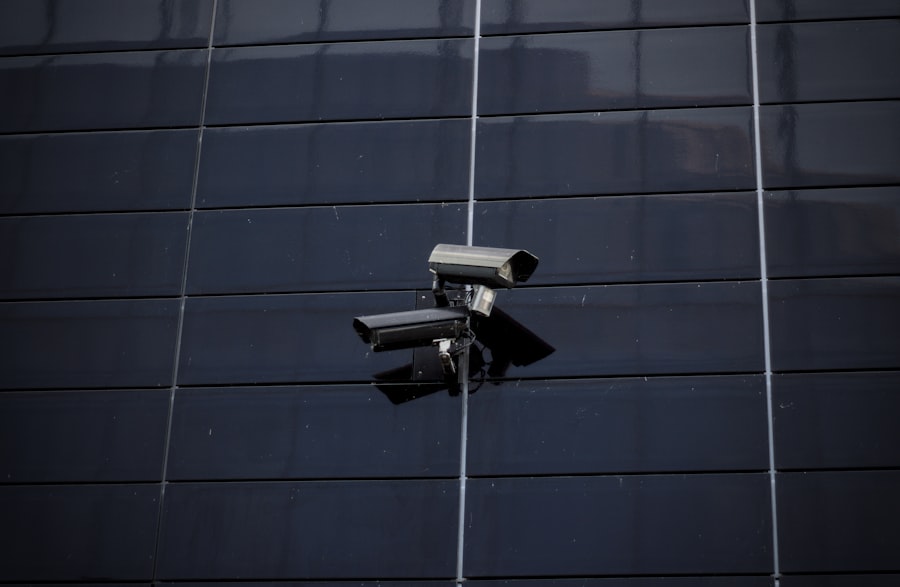
The uncovered photographs are more than just a collection of images; they are a window into the operational philosophy and psychological underpinnings of the Stasi. They reveal a meticulous, almost pathological, dedication to detail and a profound distrust of its own citizens. The sheer volume of photographic documentation suggests an insatiable hunger for information, a constant need to prove the existence of threats and to justify the state’s oppressive apparatus.
The Psychology of Surveillance: Fear, Control, and Paranoia
The Stasi’s reliance on photographic evidence speaks volumes about the psychology of the regime. It was a system built on fear – fear of internal enemies, fear of Western influence, and ultimately, fear of losing control. The act of constantly watching and documenting was a way of asserting dominance and reinforcing the state’s absolute authority. The photographs, in this sense, are not just evidence of surveillance; they are a manifestation of the regime’s own deep-seated paranoia.
The Normalization of Surveillance: A Society Under the Lens
Over time, the pervasive nature of Stasi surveillance led to a normalization of being watched. Citizens learned to adapt, to censor their speech, and to be constantly aware of their surroundings. The photographs, while initially shocking to the public, represent a reality that many East Germans lived with for decades. This normalization of surveillance is perhaps one of the most insidious legacies of the Stasi.
The Role of Technology: Advancing the Tools of Oppression
The Stasi was not static in its methods. As technology advanced, so too did its surveillance capabilities. The uncovered photographs may reveal the use of increasingly sophisticated cameras and techniques over time, reflecting the MfS’s ongoing efforts to stay ahead of any potential opposition. This constant technological arms race in the service of repression is a recurring theme in the history of authoritarian states.
From Film to Digital: Evolving Surveillance Techniques
While the early days of Stasi photography relied on traditional film, later periods likely saw the adoption of more advanced photographic technologies. The implications of this evolution are significant, potentially allowing for higher quality images, faster processing, and even more discreet methods of capture. The specific details of these technological advancements would offer further insight into the Stasi’s evolving capabilities.
Legacies and Lessons: The Enduring Impact of Secret Surveillance

The uncovering of these Stasi secret surveillance photographs has profound implications, both for understanding the past and for informing the present. They serve as a powerful reminder of the dangers of unchecked state power and the importance of protecting civil liberties. The exhibition of these images in a democratic society is a crucial act of remembrance and a testament to the resilience of those who lived under such oppressive conditions.
Historical Reckoning: A Tangible Confrontation with the Past
For many, these photographs provide a tangible and visceral connection to the lived experience of the GDR. They move beyond abstract historical accounts and offer concrete evidence of the state’s intrusive presence in the lives of its citizens. This allows for a more profound and perhaps more painful reckoning with the realities of life under the Stasi.
Remembering the Victims: Honoring Those Under Surveillance
The individuals captured in these photographs, often unknowingly, were subjects of a system designed to control and, if necessary, to punish. The exhibition of these images serves as a way to acknowledge and honor their experiences, bringing them out of the shadows and into the light of public awareness.
Contemporary Relevance: Lessons for the Digital Age
In an era of ubiquitous digital surveillance, the lessons learned from the Stasi’s methods are more relevant than ever. The technologies may have changed, but the underlying principles of data collection, monitoring, and control remain strikingly similar. The Stasi’s photographic surveillance serves as a cautionary tale, highlighting the potential for misuse of technology and the importance of robust safeguards for privacy and civil liberties.
The Digital Panopticon: Echoes of the Stasi
The concept of the panopticon, a prison where all inmates can be observed without knowing when they are being watched, finds a chilling echo in the Stasi’s methods. The uncovered photographs demonstrate how a state can create a similar sense of perpetual observation, even without the physical infrastructure of a prison. The implications for our increasingly connected world are significant, prompting questions about the balance between security and privacy in the digital age.
The Stasi, known for its extensive secret surveillance operations in East Germany, often relied on photographs to monitor the activities of its citizens. These images not only served as a tool for control but also provide a chilling glimpse into the lives of individuals under constant watch. For those interested in exploring the broader implications of such surveillance tactics, a related article discusses the historical context and impact of these practices on society. You can read more about it in this insightful piece here.
Preserving Memory: The Importance of Archives and Exhibitions
| Year | Number of Photographs | Locations |
|---|---|---|
| 1980 | 500 | East Berlin |
| 1985 | 700 | Leipzig |
| 1990 | 1000 | Dresden |
The preservation and public exhibition of these Stasi secret surveillance photographs are vital for several reasons. They ensure that the history of the GDR and the nature of its surveillance apparatus are not forgotten. They provide invaluable resources for historians, researchers, and educators. Most importantly, they serve as a powerful and enduring reminder of the importance of vigilance in safeguarding democratic values and individual freedoms.
The Role of Archives: Guardians of Truth and Memory
The meticulous archiving of Stasi documents, including these photographs, has been a critical undertaking in the post-reunification era. These archives serve as the primary source material for understanding the depth and breadth of the MfS’s operations. Their continued accessibility and careful management are essential for ensuring that this history remains accessible for future generations.
From Secret Files to Public Display: Democratizing History
The transition of these once-secret files into public exhibitions is a significant step in democratizing history. It allows for a wider audience to engage with this complex and often disturbing aspect of the past, fostering critical thinking and promoting a deeper understanding of the consequences of authoritarianism.
The Power of Visual Testimony: Photographs as Historical Evidence
The power of photographic evidence in historical interpretation cannot be overstated. These images, stripped of propaganda and official narrative, offer an unfiltered glimpse into the reality of life under surveillance. They speak a universal language of human experience, transcending linguistic and cultural barriers, and forcing viewers to confront uncomfortable truths.
Educating Future Generations: Preventing the Return of Oppression
By exposing young people and future generations to the realities of Stasi surveillance through these photographs, there is a greater chance of fostering an appreciation for the freedoms they enjoy and the importance of actively defending them. The memory of the Stasi serves as a potent deterrent, a constant reminder of what can happen when the state’s power goes unchecked.

The Stasi Made You Suspect Everyone
FAQs
What were Stasi secret surveillance photographs?
Stasi secret surveillance photographs were images taken by the Ministry for State Security (Stasi) in East Germany during the Cold War era. The Stasi used these photographs to monitor and gather information on individuals they considered to be a threat to the state.
How were Stasi secret surveillance photographs used?
The Stasi used secret surveillance photographs to track the movements and activities of targeted individuals, as well as to gather evidence for potential prosecution. These photographs were often taken covertly and without the knowledge of the subjects.
What kind of information did Stasi secret surveillance photographs capture?
Stasi secret surveillance photographs captured a wide range of information, including the daily activities, social interactions, and personal habits of the individuals under surveillance. The photographs were used to build detailed profiles of the targets and their associates.
What impact did Stasi secret surveillance photographs have on individuals?
The existence of Stasi secret surveillance photographs had a chilling effect on individuals, as they were aware that their every move could be monitored and documented by the state. This pervasive surveillance led to a climate of fear and suspicion, and had a profound impact on personal freedoms and privacy.
How were Stasi secret surveillance photographs discovered?
After the fall of the Berlin Wall and the reunification of Germany, the Stasi’s extensive archives were opened to the public. Researchers and historians uncovered the vast collection of secret surveillance photographs, shedding light on the extent of the Stasi’s surveillance activities and their impact on East German society.