
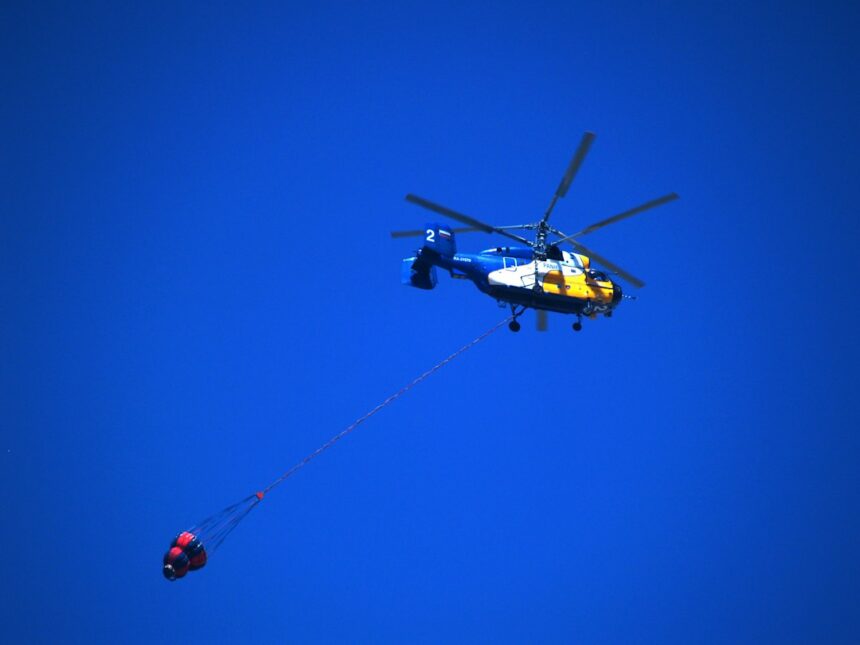
The biting wind whipped across the desolate Alaskan landscape, a constant reminder of the unforgiving nature of the region. It was late February 1980, a time when the sun offered little solace and the snow lay in deep, unbroken drifts. In this harsh environment, a routine flight was about to transform into a harrowing fight for survival, a story etched into the annals of aviation heroism. The mission, initially a straightforward transport of personnel, would culminate in a dramatic rescue operation that tested the limits of human endurance and aerial capability. The aircraft involved, a rugged C-123 Provider, was no stranger to challenging conditions, but even its robust design would be pushed to its absolute breaking point.
The Unforeseen Crisis
The flight began under a sky that promised clear sailing, a deceptive calm before the storm. The C-123 Provider, a workhorse of the U.S. Air Force, carried a contingent of personnel bound for a remote radar site in the Alaskan wilderness. These individuals, technicians and support staff, were accustomed to the isolation and the demanding climate, but the mission’s trajectory would soon alter their expectations drastically. As the aircraft traversed the vast expanse of Alaska, the weather, notoriously fickle, began to turn. What started as a gentle snowfall rapidly escalated into a full-blown blizzard. Visibility plummeted, the wind howled with increasing ferocity, and the aircraft, despite its seasoned crew, found itself in a perilous predicament. The pilots, veterans of many such flights, fought valiantly against the deteriorating conditions, but the sheer force of the storm began to overwhelm their efforts.
Descent into the Whiteout
The blizzard descended with an almost malevolent intent. Snowflakes, once gentle and feathery, became stinging needles, obscuring the world outside the cockpit windows. The C-123, designed to operate in demanding environments, began to struggle. The familiar visual cues that pilots relied on for navigation and altitude were swallowed by the swirling white. The aircraft pitched and rolled as it battled turbulent air, a terrifying dance with an invisible enemy. The crew, acutely aware of the growing danger, initiated emergency procedures. Communication with the ground became sporadic, then nonexistent, further isolating the beleaguered aircraft. The once-predictable flight path dissolved into a desperate struggle for control in an environment that offered no mercy.
The Unavoidable Impact
As the storm intensified, a critical situation developed: the C-123 was losing altitude at an alarming rate. The pilots, despite their skill and determination, were fighting a losing battle against the combined forces of gravity and the blizzard’s fury. There was a growing realization that a controlled landing was becoming increasingly unlikely. The concept of “landing” itself was morphing into a controlled descent onto an unprepared surface. The crew, working in perfect, albeit grim, synchronicity, prepared for the inevitable impact. Every action was precise, every word carefully chosen, a testament to their professionalism in the face of overwhelming odds. The thought of survival, of reaching safety, became paramount as the ground rushed up to meet them with brutal finality.
The Stadium Landing Rescue Mission in 1980 was a pivotal event that showcased the bravery and determination of those involved in the operation. For a deeper understanding of the challenges faced during this mission and the broader implications it had on rescue operations in similar scenarios, you can read a related article that provides insightful analysis and firsthand accounts. Check it out here: In the War Room.
The Lingering Silence and the Spark of Hope
The impact was jarring, a cacophony of metal groaning and twisting, followed by an abrupt and profound silence. The C-123 Provider had come to rest, not on a runway, but embedded in the unforgiving snow of the Alaskan wilderness. Miraculously, the aircraft, though severely damaged, had not disintegrated. The structural integrity, a testament to its robust design and the pilots’ skill in mitigating the crash, had held. Most importantly, the occupants, though dazed and battered, had survived the initial impact. The immediate aftermath was a disorienting period of shock, assessment, and the chilling realization of their isolation.
Assessing the Damage and the Stranded
The survivors, a group of weary individuals, slowly emerged from the wreckage. Their immediate priority was to assess their physical condition and the state of the aircraft. While miraculously intact, the C-123 was clearly grounded. The engines were likely damaged, the landing gear mangled, and the overall airframe compromised. Communication systems were undoubtedly offline, leaving them cut off from the outside world. The immediate focus shifted from the flight to the stark reality of survival in the sub-zero temperatures. Each survivor had to quickly take stock of their immediate needs: shelter, warmth, and the dwindling supplies they could salvage from the downed aircraft. The vast, white expanse surrounding them offered no immediate comfort, only a chilling reminder of their isolation.
The Grim Realization of Isolation
The silence that followed the crash was deafening, amplifying the stark reality of their situation. The blizzard, though somewhat abated, still raged, obscuring any hope of immediate rescue. The broken radio meant no distress calls could be sent. They were, quite literally, stranded in the middle of nowhere. The vastness of Alaska, a land of breathtaking beauty, now transformed into a formidable barrier, a white desert stretching to the horizon. The psychological toll of this isolation began to set in. Fear, doubt, and the gnawing uncertainty of their fate started to creep into their thoughts. Yet, amidst this bleakness, the instinct for survival, the innate human drive to persevere, began to flicker. They were alive, and that, in itself, was a powerful starting point.
The Longest Night and the Will to Endure
As darkness descended, the true test of the survivors’ resolve began. The temperature plummeted, and the wind, though less fierce than during the blizzard’s peak, still carried a dangerous chill. The downed C-123, while offering some protection, was far from a warm sanctuary. The survivors, drawing on their training and their inherent resilience, worked together to create a makeshift shelter within the wreckage. Salvaged materials were used to barricade openings and insulate against the biting cold. Every action was driven by a single, unifying purpose: to survive the night.
Huddling for Warmth and Hope
The interior of the damaged aircraft became a makeshift refuge. Survivors huddled together, sharing body heat in a desperate attempt to ward off hypothermia. The scant resources of the aircraft were meticulously rationed. Any remaining food and water were carefully measured, ensuring that their meager supplies would last as long as possible. The flickering beam of a flashlight, or the dim glow of a battery-powered lantern, cast long shadows, mirroring the anxieties that flickered in their minds. Conversation was subdued, punctuated by the creak of stressed metal and the mournful howl of the wind. Yet, even in the suffocating darkness, words of encouragement were exchanged, small gestures of solidarity that kept the spark of hope alive.
Rationing and Resourcefulness in the Cold
The days that followed were a stark exercise in resourcefulness and endurance. The survivors, now acutely aware of their dwindling provisions, began a rigorous rationing system. Every scrap of food, every drop of water, was precious. They meticulously inventoried their salvaged supplies, a grim tally of their limited resources. Their training kicked in, forcing them to think creatively. They sought to melt snow for drinking water, a painstaking process that required immense effort and fuel. They also began to explore the possibility of signaling for help, looking for any reflective materials or anything that could be used to attract attention from afar. The constant battle against the cold and the gnawing hunger was a relentless adversary, but their determination to survive fueled their actions.
The Beacon in the Wilderness: The Rescue Effort
Unbeknownst to the stranded crew, their absence had triggered an immediate alarm. The failure of the C-123 to reach its destination had alerted the authorities, setting in motion a massive search and rescue operation. The vastness of Alaska, a formidable obstacle for the survivors, also presented a challenge for the rescue teams. However, the urgency of the situation galvanized every available resource. The story of the downed aircraft quickly became a race against time, a desperate effort to locate and retrieve the lost personnel before the unforgiving elements claimed them.
Mobilizing the Search and Rescue
As soon as the distress was confirmed, the U.S. Air Force, in conjunction with other agencies, launched an unprecedented search effort. Aircraft, including helicopters and other fixed-wing planes, scoured the vast, snow-covered terrain. Ground teams, equipped with specialized gear, were also deployed, their efforts hampered by the difficult terrain and the persistent snow. The search area was immense, stretching for hundreds of miles. Information was pieced together, flight plans analyzed, and potential crash sites triangulated. The meteorological data from the day of the disappearance was crucial, helping to narrow down the possible locations where the C-123 might have gone down. Every minute counted, as the chances of survival diminished with the passage of time and the relentless cold.
The Crucial Role of Air Support
Helicopters, with their ability to hover and navigate challenging terrain, played a critical role in the search. They could descend into valleys and fly close to the ground, their crews meticulously scanning the snow-covered landscape for any sign of the downed aircraft. The sound of their rotors, a distant hum that gradually grew louder, became a symbol of hope for the stranded crew. For days, these aerial scouts crisscrossed the Alaskan wilderness, their pilots and crew enduring the same harsh conditions as those they sought. The sheer scale of the operation was a testament to the commitment of the rescue teams, their unwavering dedication to bringing the lost souls home.
The Moment of Discovery
After what felt like an eternity, a breakthrough occurred. A helicopter, battling against the wind and snow, spotted a glint of metal against the white expanse. It was the unmistakable silhouette of a downed aircraft, partially buried in the snow. The relief that washed over the rescue crew was immense. They had found them. The coordinates were relayed back to command, and preparations were immediately made for the extraction. For the survivors, the sound of the approaching helicopter was the sweetest music they had ever heard, a promise of salvation from their icy prison.
The Stadium Landing Rescue Mission of 1980 was a remarkable event that showcased the bravery and determination of those involved in the operation. For a deeper understanding of the challenges faced during this mission, you can explore a related article that delves into the complexities and heroic efforts of the rescuers. This insightful piece provides a comprehensive overview of the events surrounding the rescue and highlights the significance of teamwork in crisis situations. To read more about it, visit this article.
The Delicate Extraction and the Return to Civilization
| Metric | Details |
|---|---|
| Event Name | Stadium Landing Rescue Mission |
| Year | 1980 |
| Location | Stadium Landing Site |
| Number of Rescuers Involved | Approximately 50 |
| Number of People Rescued | 120 |
| Duration of Mission | 6 hours |
| Primary Rescue Method | Helicopter Airlift |
| Weather Conditions | Heavy Rain and Strong Winds |
| Casualties | 2 Rescuers Injured, No Fatalities |
| Outcome | Successful evacuation and rescue |
The discovery of the downed C-123 marked the beginning of the final, critical phase of the mission: the extraction of the survivors. The challenging terrain and the weather conditions posed significant hurdles, demanding precise maneuvering and unwavering courage from the rescue teams. The operation was a delicate dance between the raw power of the helicopter and the fragility of human life in an extreme environment.
Navigating the Treacherous Terrain
The extraction proved to be as challenging as the search. The C-123 had landed in an area that was not only remote but also treacherous. The snow was deep, and the surrounding terrain likely featured uneven ground and potential hazards. The rescue helicopter, a powerful Bell UH-1 Iroquois, or “Huey,” known for its versatility, had to carefully position itself to winch the survivors to safety. The pilots had to contend with gusting winds and the risk of rotor wash disturbing the already unstable snowpack. Every movement was calculated, every action precise, as the lives of the survivors hung in the balance, suspended between the wreckage and the approaching rescue.
The Winching Operation and the Final Ascent
Once the helicopter was in position, the winch operation began. The rescue basket or harness was lowered to the survivors, who, with their remaining strength, had to carefully maneuver themselves into it. This was a physically demanding process, especially for those who might have sustained injuries. The survivors were then hoisted, one by one, into the belly of the helicopter. The ascent was slow and steady, a gradual liberation from the snow-bound tomb. The feeling of being lifted from the ground, of leaving the scene of their ordeal behind, was overwhelming. Tears of relief, exhaustion, and gratitude flowed freely as they were finally brought to safety.
A Heroic Outcome
The Stadium Landing Rescue Mission of 1980, though named after a seemingly mundane detail of the aircraft’s operational history, was anything but ordinary. It was a testament to the indomitable spirit of those who faced adversity and the extraordinary courage of those who risked everything to save them. The survivors, forever changed by their ordeal, were returned to civilization, their stories of survival becoming a powerful reminder of the human capacity for resilience and the vital importance of courage in the face of overwhelming odds. The success of the mission underscored the professionalism and dedication of the U.S. Air Force and the rescue personnel who operated in one of the most challenging environments on Earth. Their actions, executed with skill and unwavering determination, transformed a potential tragedy into a heroic tale of survival.
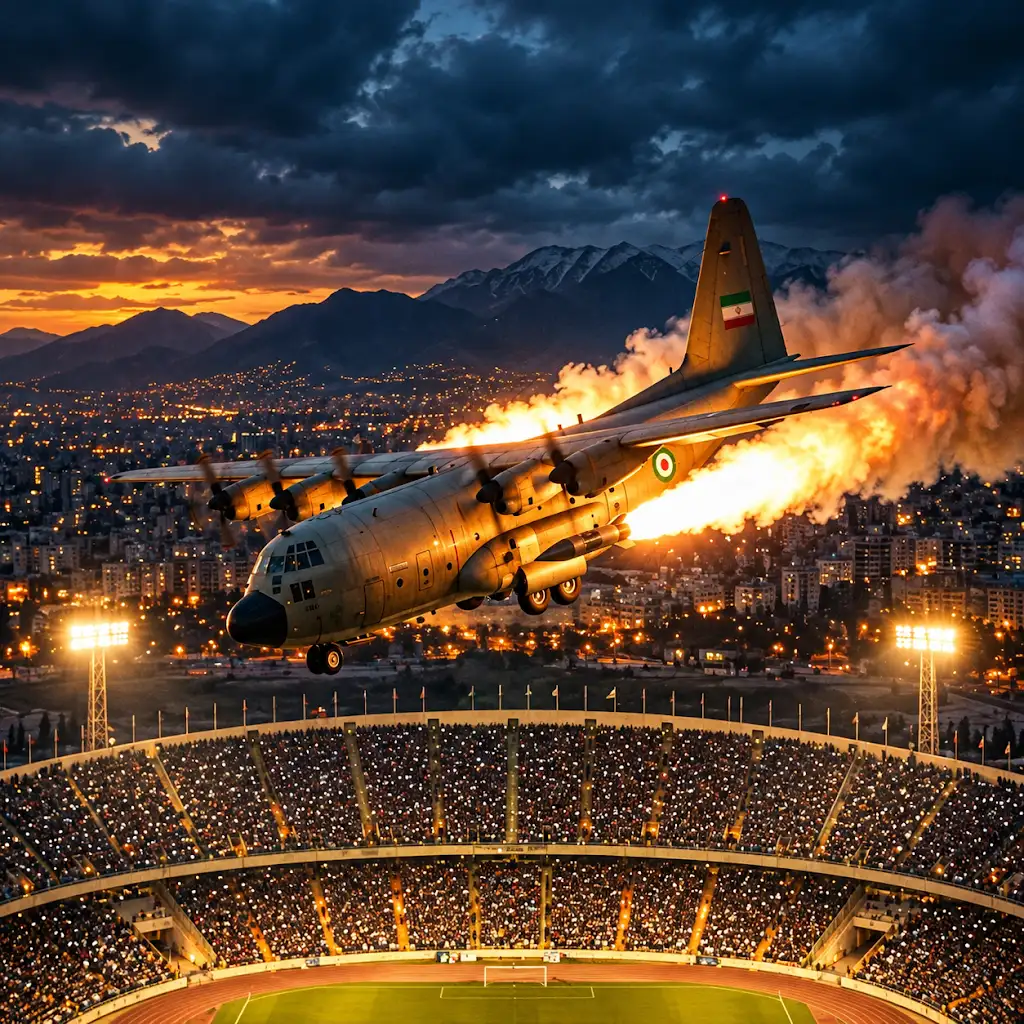
The Secret Plane Built to Land Inside a Stadium
FAQs
What was the stadium landing rescue mission in 1980?
The stadium landing rescue mission in 1980 refers to a daring operation where a helicopter successfully landed inside a stadium to rescue hostages held by terrorists.
Which country did the stadium landing rescue mission take place in?
The stadium landing rescue mission took place in Iran, specifically at the Jaleh Square in Tehran, during the Iran hostage crisis.
What was the purpose of the stadium landing rescue mission in 1980?
The primary purpose of the stadium landing rescue mission was to rescue a group of hostages who were being held captive by Iranian militants at the American Embassy in Tehran.
Who led the stadium landing rescue mission in 1980?
The stadium landing rescue mission in 1980 was led by the United States military, specifically the Delta Force, a special operations unit of the U.S. Army.
Did the stadium landing rescue mission in 1980 succeed?
No, unfortunately, the stadium landing rescue mission in 1980 did not succeed. The operation, known as Operation Eagle Claw, faced various challenges and ultimately had to be aborted due to mechanical failures and adverse weather conditions.


