The year 1962 witnessed humanity holding its breath, teetering on the precipice of nuclear annihilation. At the heart of this existential dread lay a strategic gambit involving Soviet submarines prowling the waters near Cuba. This tense standoff, known as the Cuban Missile Crisis, was not merely a land-based confrontation; the silent, unseen threat from beneath the waves played a crucial role in escalating and ultimately resolving the most dangerous moment of the Cold War. The presence of Soviet submarines, armed with nuclear-tipped torpedoes, added a terrifyingly tangible dimension to the already volatile situation, transforming the Caribbean Sea into a virtual powder keg.
The placement of Soviet ballistic missiles in Cuba was a direct response to a perceived strategic imbalance and a series of perceived provocations from the United States. The Soviet leadership, under Nikita Khrushchev, felt increasingly vulnerable due to the deployment of American Jupiter missiles in Turkey, a nation bordering the Soviet Union. These intermediate-range ballistic missiles (IRBMs) were capable of reaching major Soviet cities, presenting a significant existential threat. From Moscow’s perspective, the deployment in Turkey was a blatant act of aggression, and they sought to redress this imbalance by placing their own offensive weapons within striking distance of the U.S. mainland.
The Jupiter Missiles: A Strategic Imbalance
The U.S. Jupiter missiles, operational by 1961, represented a significant shift in the strategic nuclear balance. Stationed in Turkey and Italy, these missiles gave the United States a first-strike capability against key Soviet industrial and military targets. Their relative immobility and reliance on liquid propellant made them somewhat vulnerable to a preemptive strike, but their sheer proximity to Soviet territory instilled a deep sense of unease within the Kremlin. The Soviets viewed the Jupiter deployment as a direct challenge to their security, a move that undermined the principle of mutual deterrence.
Khrushchev’s Calculus: Deterrence and Prestige
Nikita Khrushchev, driven by a complex mix of strategic calculation, ideological conviction, and a desire to bolster Soviet prestige on the global stage, saw the Cuban missile deployment as a bold stroke. He believed that placing Soviet missiles in Cuba would not only neutralize the threat posed by the Jupiter missiles in Turkey but also project Soviet power into the Western Hemisphere. Furthermore, it would be a powerful riposte to American meddling in Cuba, particularly the failed Bay of Pigs invasion of 1961, which had demonstrated American resolve to remove Fidel Castro’s communist regime. Khrushchev envisioned a swift and decisive deployment, hoping to present the United States with a fait accompli, a situation they would be compelled to accept to avoid war.
The Perceived Threat to Cuba
Beyond the strategic calculus, the Soviet Union also felt a genuine obligation to protect its socialist ally, Cuba. Following the Bay of Pigs invasion, Fidel Castro’s government was acutely aware of its vulnerability to further U.S. aggression. The deployment of Soviet missiles was seen as a necessary deterrent, a clear signal to Washington that any attempt to overthrow the Cuban government would come with severe consequences. This defensive rationale, while genuine, was intertwined with the broader strategic ambitions of the Soviet Union.
In the context of the Cold War, the presence of Soviet submarines near Cuba in 1962 played a pivotal role in escalating tensions between the United States and the Soviet Union. For a deeper understanding of this critical moment in history, you can explore the article titled “The Cuban Missile Crisis: A Naval Perspective” on In The War Room, which delves into the strategic implications of Soviet naval deployments during this period. To read more, visit In The War Room.
Operation Anadyr: The Secret Deployment Under the Waves
The plan to place nuclear missiles in Cuba, codenamed Operation Anadyr, was conceived and executed in extreme secrecy. The logistical challenges were immense, involving the covert transportation of thousands of troops, hundreds of missile components, and a substantial arsenal of conventional and nuclear weapons across the Atlantic. Crucially, a significant portion of this operation relied on the silent, unseen fleet of Soviet submarines, tasked with escorting cargo ships, providing early warning, and, if necessary, engaging American naval forces.
The Role of Soviet Submarines: More Than Just Escorts
While the iconic images of the crisis often focus on U-2 spy planes and naval blockades, Soviet submarines played a far more critical and terrifying role than often appreciated. These vessels were not merely passive escorts; they were equipped with advanced weaponry, including nuclear-tipped torpedoes, and were under strict orders to defend the missile shipments and, if necessary, to engage American naval assets. The potential for these submarines to initiate an uncontrollable escalation was a chilling reality that haunted the U.S. military and intelligence agencies.
Project 641 (Foxtrot Class) Submarines
Among the most significant submarine classes involved were the Project 641, or Foxtrot class, submarines. These diesel-electric submarines were a significant component of the Soviet Navy’s capabilities. They were equipped with torpedo tubes capable of firing both conventional and nuclear-tipped torpedoes, giving them a potent offensive capability. Their presence in the waters around Cuba meant that any naval confrontation would involve the risk of a devastating retaliatory strike from beneath the waves, a scenario that planners on both sides desperately sought to avoid.
Project 658 (Yankee Class) Ballistic Missile Submarines
While the primary focus of the Cuban missile deployment was on land-based ICBMs, the presence of Soviet ballistic missile submarines (SSBNs) in the Atlantic, though not directly stationed in Cuban waters during the crisis, contributed to the overall strategic picture. The Project 658, or Yankee class, submarines were armed with nuclear missiles and represented a constantly mobile, hard-to-detect nuclear deterrent. Their operational presence in the broader Atlantic theater meant that the U.S. Navy had to contend with a multifaceted Soviet submarine threat, adding layers of complexity to defensive planning.
The Deception and Disguise
The Soviets employed elaborate deception tactics to mask the true nature of their cargo. Ships carrying missiles were disguised as carrying conventional goods, and false manifests were created. Soviet sailors were trained to feign ignorance or provide misleading information if questioned by American naval patrols. The submarines were instrumental in this deception, providing a silent screen and escorting the disguised freighters through potential surveillance zones.
The Race Against Time
The entire operation was a race against time. The Soviets knew that once the U.S. discovered the missile sites, the diplomatic and military pressure would become immense. They aimed to have the missiles operational and capable of being launched before the Americans could effectively react. This urgency translated into aggressive operational tempo for the submarines, pushing them to their limits to ensure the safe arrival of their deadly cargo.
Discovery and Escalation: The U-2 and the Growing Threat

The clandestine nature of Operation Anadyr was ultimately compromised by American intelligence gathering, primarily through high-altitude U-2 spy plane reconnaissance missions. The photographic evidence collected confirmed the presence of Soviet missile sites under construction, igniting a firestorm of diplomatic and military alarm within the United States. This discovery instantly transformed the situation from a tense geopolitical standoff to an immediate and tangible threat to American security.
The U-2 Flights: Eyes in the Sky
U-2 spy planes, capable of flying at altitudes exceeding 70,000 feet, provided the critical visual evidence of the Soviet missile deployments. These flights, authorized by President John F. Kennedy, meticulously documented the construction of launch pads, the arrival of missile components, and the presence of Soviet personnel. The sharp, clear photographs offered irrefutable proof of Khrushchev’s audacious gamble, leaving the U.S. administration with little choice but to respond forcefully.
The “Thirteen Days”: A Nation on Edge
The period following the discovery, often referred to as the “Thirteen Days,” was characterized by intense deliberation within the Kennedy administration. Options ranging from diplomatic appeals to a full-scale invasion of Cuba were debated. The presence of Soviet submarines, however, added a critical and terrifying dimension to these discussions. The potential for a naval confrontation, with its inherent risk of nuclear escalation, weighed heavily on the minds of President Kennedy and his advisors.
The Naval Quarantine: Containing the Threat
President Kennedy opted for a naval “quarantine” around Cuba, a blockade designed to prevent further Soviet military shipments from reaching the island. This was a carefully chosen term, as a “blockade” is considered an act of war. The quarantine placed the U.S. Navy in direct confrontation with Soviet vessels, including the submarines. The stakes were astronomically high, with every passing vessel and every naval maneuver carrying the potential for a catastrophic miscalculation.
Beneath the Waves: The Submarines’ Silent Standoff

The naval quarantine brought the Soviet submarines into a precarious and potentially explosive direct confrontation with the U.S. Navy. These submerged adversaries, lurking in the depths, posed an invisible and terrifying threat, capable of inflicting devastating damage without warning. The U.S. Navy’s mission to intercept Soviet ships meant navigating a minefield of submerged, armed submarines, each one a potential trigger for global war.
The “Hunt and Sink” Orders
American naval commanders were under strict orders to identify and, if necessary, neutralize any Soviet vessels that attempted to breach the quarantine. This included the submarines. The U.S. Navy deployed an armada of destroyers and patrol aircraft equipped with sonar and depth charges specifically designed to detect and engage submarines. The “hunt and sink” orders created a tense and nerve-wracking environment for both sides.
The Submarines of B-59 and K-19: Close Calls
Two particular Soviet submarines, the B-59 and the K-19, became central figures in the tense naval encounters. The B-59, armed with a nuclear torpedo, was cornered by U.S. destroyers and subjected to depth charge attacks intended as signaling devices to force it to surface. The submarine’s commander, Valentin Savitsky, believing war had already broken out, was on the verge of authorizing the launch of the nuclear torpedo. Only the dissenting vote of Vasili Arkhipov, a senior officer aboard, prevented a potential nuclear catastrophe. The K-19, another diesel-electric submarine, experienced a coolant leak in its nuclear reactor while on patrol, posing a grave danger to its crew and the surrounding environment, a stark reminder of the inherent risks of operating nuclear-armed submarines.
The Risk of Accidental War
The claustrophobic confines of the submarines, combined with the immense pressure of the standoff and the constant threat of attack, created an environment ripe for miscalculation. A faulty communication, a perceived aggressive maneuver, or a desperate act by a stressed commander could have triggered a devastating response, potentially leading to the launch of nuclear weapons and plunging the world into an unprecedented conflict. The submarines, in their submerged isolation, became potent symbols of the terrifyingly close proximity of nuclear war.
In October 1962, the world held its breath as tensions escalated during the Cuban Missile Crisis, a pivotal moment in the Cold War that involved Soviet submarines stationed near Cuba. These submarines played a crucial role in the standoff between the United States and the Soviet Union, as their presence heightened fears of nuclear confrontation. For a deeper understanding of the strategic implications of this naval deployment, you can read more in this insightful article on the topic. Check it out here.
Resolution and Aftermath: The Submarines’ Retreat
| Submarine Name | Type | Number of Submarines | Distance from Cuba |
|---|---|---|---|
| B-59 | Foxtrot-class | 1 | 500 miles |
| B-36 | Golf-class | 1 | 300 miles |
| B-4 | Zulu-class | 1 | 400 miles |
The terrifying potential for escalation, vividly highlighted by the close calls involving Soviet submarines, played a significant role in pushing both superpowers towards a diplomatic resolution. The fear of uncontrolled nuclear war forced a reassessment of the risks and a search for a way out of the impasse. The submarines, having served their terrifying purpose, ultimately became part of the negotiated withdrawal.
The Deal: Missiles for Non-Invasion and Turkish Missiles
The resolution of the crisis was a complex negotiation involving public concessions and secret agreements. Publicly, the Soviets agreed to remove their offensive missiles from Cuba in exchange for a public pledge from the United States not to invade the island. Secretly, and crucially, President Kennedy also agreed to remove the U.S. Jupiter missiles from Turkey, a concession that addressed Khrushchev’s primary strategic concern and provided him with a face-saving way to de-escalate.
The Withdrawal Under Surveillance
The dismantling and withdrawal of the Soviet missiles from Cuba were conducted under constant U.S. surveillance, including aerial reconnaissance and naval observation. While the submarines were not explicitly mentioned in the public agreement for withdrawal, their role in escorting the departing missile components and the subsequent reduction in Soviet naval presence in the Caribbean signaled the de-escalation. The submarines that had prowled the waters with such menacing intent began to return to their bases, their terrifying mission completed.
Lessons Learned: The Perils of Brinkmanship
The Cuban Missile Crisis served as a stark and sobering lesson for both superpowers on the perils of nuclear brinkmanship. The near-catastrophe underscored the critical importance of communication, de-escalation, and the dangers of provocative actions. The crisis led to the establishment of the Moscow-Washington hotline, a direct communication link designed to prevent future misunderstandings and provide a channel for rapid communication during times of crisis. The silent threat of the submarines, lurking beneath the waves, had demonstrated the devastating potential for escalation inherent in a nuclear-armed world, a lesson that would continue to shape international relations for decades to come. The ghost of those Soviet submarines, armed and poised near Cuba, would forever serve as a chilling reminder of how close humanity came to the abyss.
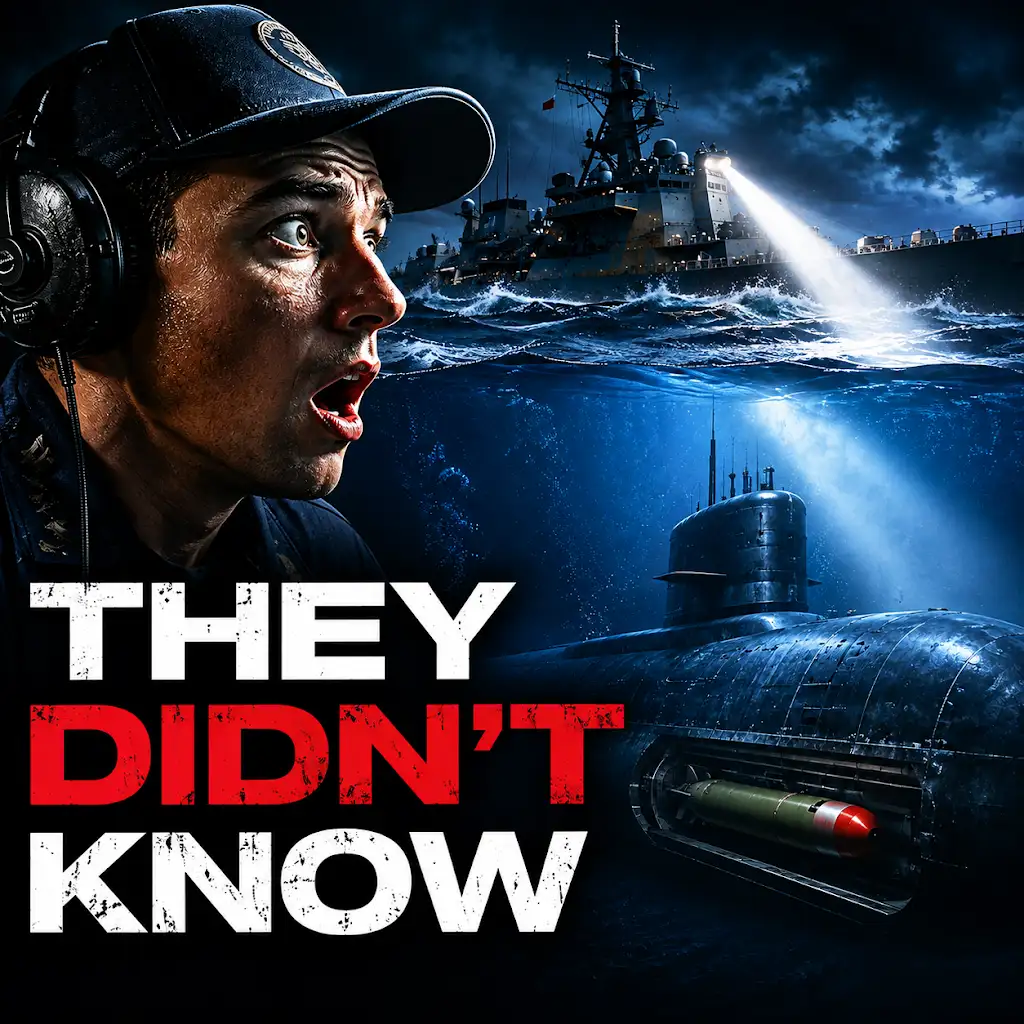
The U.S. Navy Didn’t Know This Submarine Had a Nuclear Torpedo
FAQs
What were the Soviet submarines doing near Cuba in 1962?
The Soviet submarines were deployed near Cuba in 1962 as part of the Cuban Missile Crisis. The submarines were carrying nuclear-armed ballistic missiles and were intended to provide a deterrent against potential U.S. military action.
How many Soviet submarines were involved in the Cuban Missile Crisis?
During the Cuban Missile Crisis, the Soviet Union deployed four Foxtrot-class submarines to the Caribbean, each carrying nuclear-armed ballistic missiles. These submarines were part of the larger Soviet military presence in the region during the crisis.
Did the Soviet submarines engage in any military action during the Cuban Missile Crisis?
While the Soviet submarines near Cuba were on high alert and prepared for potential military action, they did not engage in any direct military action during the Cuban Missile Crisis. Their presence, however, contributed to the overall tension and brinkmanship of the crisis.
What was the U.S. response to the presence of Soviet submarines near Cuba?
The U.S. Navy deployed a large number of ships and aircraft to track and monitor the Soviet submarines near Cuba. This led to several tense moments, including the infamous “Black Saturday” when a U.S. Navy destroyer dropped depth charges near a Soviet submarine, almost triggering a nuclear confrontation.
How did the Cuban Missile Crisis end for the Soviet submarines?
The Cuban Missile Crisis ended with a diplomatic resolution, as the Soviet Union agreed to remove its missiles from Cuba in exchange for a U.S. pledge not to invade the island. The Soviet submarines near Cuba were eventually ordered to return to their home ports, effectively defusing the crisis.