The Echoes of Error: The Soviet Submarine Wrong Target Theory
The Cold War, a period defined by ideological schism and pervasive fear, was a complex tapestry woven with threads of espionage, technological races, and the ever-present specter of nuclear annihilation. Beneath the surface of this geopolitical struggle, a clandestine world of naval cat-and-mouse played out, particularly in the silent depths of the oceans. Within this shadowy realm, a persistent, yet often unconfirmed, theory has emerged as a fascinating enigma: the concept of a Soviet submarine firing on the wrong target. This theory, while lacking definitive official pronouncements, suggests that during the tense decades of the Cold War, a Soviet submarine, operating under immense pressure and often in challenging circumstances, might have misidentified and subsequently engaged a non-military, or even allied, vessel. Unraveling this theory delves into the intricacies of naval warfare, the psychological toll of high-stakes operations, and the enduring mysteries that continue to shroud the Cold War’s most sensitive moments.
The implications of such an event, even if it remained an isolated incident or a misfire that went unreported, are profound. It speaks to the fallibility inherent in human systems, even those designed for the utmost precision and security. It raises questions about communication breakdowns, navigational errors, and the critical decision-making processes that could lead to catastrophic mistakes. Furthermore, the theory invites speculation about what might have been covered up, what diplomatic crises could have been narrowly averted, and what historical narratives might be incomplete due to the classified nature of Cold War naval activities. Examining this theory requires us to sift through declassified documents, anecdotal accounts, and the broader context of Soviet naval doctrine and operational procedures. It is a journey into the heart of military history’s grey areas, where definitive answers are often elusive, and where the whispers of what might have happened can be as compelling as the documented facts. The “Soviet Submarine Wrong Target Theory” is not merely an abstract hypothesis; it is a lens through which to view the immense pressures and potential for error that characterized the nuclear age, reminding us that even in the most technologically advanced and strategically significant military endeavors, human judgment and technological limitations could, and perhaps did, lead to grave miscalculations.
The Soviet submarine wrong target theory has been a topic of significant discussion among military historians and analysts, particularly in the context of Cold War naval strategies. For those interested in exploring this theory further, a related article can be found at this link, which delves into the implications of misidentification and the potential consequences for naval engagements during that era. This article provides valuable insights into the complexities of submarine warfare and the critical importance of accurate targeting in military operations.
The Shadows of the Deep: Soviet Naval Doctrine and Operational Pressures
The Soviet Union’s naval strategy during the Cold War was largely defensive, focused on protecting its vast coastline, projecting power in specific regions, and crucially, maintaining the strategic nuclear deterrent carried by its submarine fleet. The submarine force, particularly the Ballistic Missile Submarine (SSBN) fleet, was the cornerstone of the USSR’s second-strike capability. These silent hunters prowled the oceans, tasked with remaining undetected while holding Western cities within their missile range. This mission, however, placed immense psychological and operational burdens on the crews.
The Burden of Secrecy and Detection
Soviet submarines operated in an environment of constant vigilance. Their primary objective was to avoid detection by NATO anti-submarine warfare (ASW) forces, which were actively hunting them. This meant prolonged submerged patrols, often in the frigid and unforgiving waters of the North Atlantic and Pacific. The isolation, the confined spaces, and the perpetual threat of discovery created an intense psychological environment. Commanders and crews were under immense pressure to maintain operational readiness, execute their missions flawlessly, and above all, remain unseen. Any deviation from protocol, any perceived threat, could trigger a highly sensitive response. The fear of being discovered and engaged by NATO forces, or even of a malfunction that could lead to their own destruction, was a constant companion. This inherent tension amplified the stakes of every operational decision.
Technological Limitations and Environmental Challenges
While the Soviet Union made significant strides in submarine technology, their systems, particularly in the earlier phases of the Cold War, were not always on par with their Western counterparts. Navigational systems could be less precise, sonar capabilities might have lagged, and communication methods were often more primitive and susceptible to interception. Furthermore, the operational environment itself posed significant challenges. The North Atlantic, with its treacherous currents, dense fog, and underwater terrain, could create acoustic anomalies and navigational hazards. These conditions could easily lead to misinterpretations of sonar readings, making it difficult to distinguish between different types of vessels, or even to ascertain their exact location and intentions. A distant sonar contact, obscured by atmospheric conditions or the unique acoustic properties of the ocean, could be misinterpreted as hostile, especially when the stakes were so incredibly high.
The Anatomy of a Misidentification: Scenarios and Possibilities
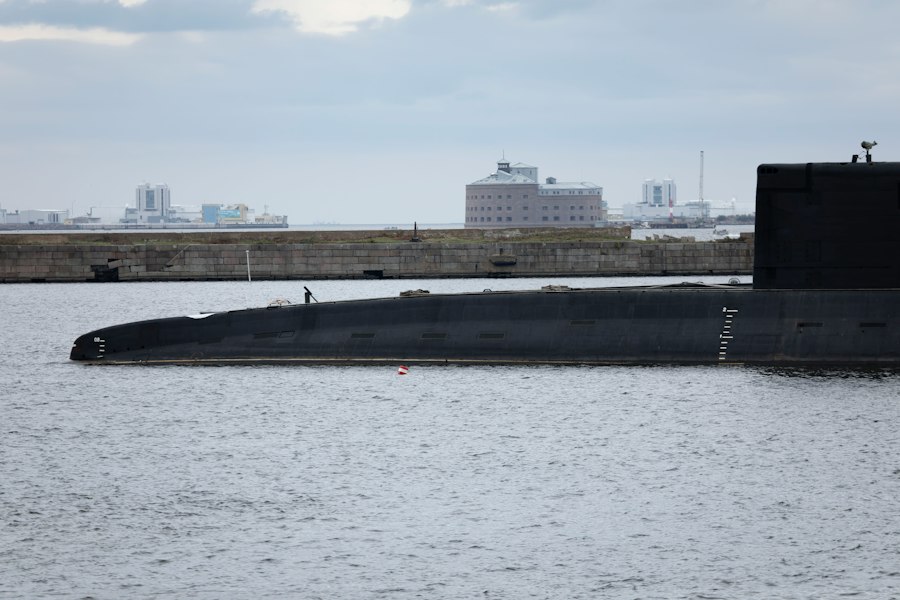
The “wrong target” theory hinges on the possibility of critical errors in identification. These errors could arise from a confluence of factors, ranging from genuine technological limitations to human error under extreme duress. Understanding the potential scenarios is crucial to appreciating the plausibility of the theory.
Sonar Deception and Ambiguity
Sonar, the primary tool for detecting and identifying underwater objects, is not infallible. Sound waves can bounce off the seabed, refract through water layers of different temperatures and salinities, and be masked by ambient noise from marine life or weather systems. Soviet submarines, operating at the cutting edge of clandestine warfare, were particularly concerned with acoustic stealth. However, this also meant they were operating with potentially less sophisticated or more sensitive sonar systems that could be prone to misinterpretation. A large merchant vessel, a fishing trawler, or even a civilian research vessel, with its distinct acoustic signature, could, under certain conditions, be mistaken for a naval warship. The ambiguity of sonar readings, especially at long ranges or in noisy environments, could lead a commander to err on the side of caution, assuming the worst-case scenario. The pressure to respond decisively to a potential threat, even if it was a phantom, could override meticulous analysis.
The Human Factor: Stress, Training, and Doctrine
The psychological toll of prolonged submerged patrols cannot be overstated. Commanders and sonar operators were under immense pressure to perform their duties flawlessly. Fatigue, stress, and the constant awareness of the extreme consequences of failure could impact judgment. Soviet naval training, while rigorous, might have emphasized a more aggressive and preemptive response to perceived threats, reflecting the overall defensive posture and the desire to avoid being outmaneuvered. If a commander believed they were facing an imminent threat, especially a perceived attack, their training and the prevailing doctrine would likely push them towards a swift, decisive action, even if that action was based on incomplete or faulty information. The possibility of a “shoot first, ask questions later” mentality, born out of a desperate need to survive or fulfill their mission, cannot be discounted.
Unveiling the Evidence: Whispers, Declassifications, and Lingering Questions
The nature of Cold War intelligence means that definitive proof of such an incident is exceptionally rare. Most evidence comes in the form of whispers, declassified documents that hint at incidents without explicitly confirming them, and the careful reconstruction of events by historians and analysts. The absence of a smoking gun does not necessarily negate the possibility, but rather highlights the inherent secrecy surrounding such potentially catastrophic events.
Anecdotal Accounts and Historical Rumors
Over the years, various anecdotal accounts have surfaced, often from former naval personnel or individuals with close ties to intelligence communities. These stories, while often unverifiable, speak of unexplained incidents, “friendly fire” scares within Soviet naval exercises, or mysterious losses of civilian vessels in contested waters. These accounts, though not concrete evidence, contribute to the tapestry of suspicion and fuel further inquiry. They suggest that the theoretical possibility of a misidentification might have manifested in reality. The difficulty in corroborating these stories lies in their retrospective nature and the reluctance of individuals to speak openly about sensitive Cold War operations.
Declassified Intelligence and Cryptic References
As the years have passed and classified archives have been opened, a few documents have emerged that offer tantalizing hints. These might include intercepted communications that are cryptic in their meaning, reports of unusual naval activity that cannot be fully explained, or internal Soviet memos that allude to investigations or inquiries into incidents at sea. These documents rarely provide a direct admission of a “wrong target” incident but, when pieced together with other information, can suggest that something unexpected and potentially problematic occurred. The process of declassification is ongoing, and it is possible that future releases will shed more light on these lingering questions. The careful analysis of these documents by historians is crucial to separating speculation from plausible historical interpretation.
The Uncounted Losses and the “What Ifs”
The vastness of the oceans and the sheer volume of maritime traffic during the Cold War mean that not every vessel that disappeared or was lost can be definitively attributed to known causes. The theory of a Soviet submarine firing on the wrong target opens up the chilling possibility that some of these unexplained maritime losses, particularly those in strategically sensitive areas and during periods of heightened tension, could be attributed to such an error. These “what ifs” are difficult to quantify, but they contribute to the enduring mystery of the Cold War’s naval dimension. The potential for a catastrophic mistake, a moment of misjudgment that led to the loss of innocent lives and a diplomatic crisis, remains a haunting possibility.
The Soviet submarine wrong target theory has garnered significant attention in recent years, particularly in light of its implications for Cold War naval strategies. This theory suggests that misidentifications of targets by Soviet submarines could have led to catastrophic consequences during tense standoffs. For a deeper understanding of the complexities surrounding this topic, you can explore a related article that delves into the intricacies of naval warfare and the technological limitations of the era. To learn more, visit this insightful piece that sheds light on the challenges faced by submariners during that period.
The Enduring Legacy: Lessons Learned and the Shadow of Uncertainty
| Metric | Details |
|---|---|
| Theory Name | Soviet Submarine Wrong Target Theory |
| Context | Cold War naval engagements and submarine operations |
| Primary Claim | Soviet submarines mistakenly targeted non-hostile or neutral vessels |
| Reported Incidents | Several alleged cases during the 1970s and 1980s |
| Impact | Increased tensions between NATO and Warsaw Pact countries |
| Evidence Type | Declassified documents, eyewitness accounts, naval logs |
| Controversy Level | High – disputed by Russian sources |
| Outcome | Heightened submarine identification protocols and rules of engagement |
The “Soviet Submarine Wrong Target Theory,” whether proven or not, serves as a potent reminder of the inherent risks and complexities of superpower confrontation. It underscores the profound consequences of technological limitations, human fallibility, and the pressures of operating in a high-stakes, clandestine environment. The Cold War was a period where the line between simulation and reality, between threat and misperception, was often perilously thin.
The Evolution of Naval Technology and Protocols
The potential for such errors has undoubtedly influenced the development of naval technology and protocols. Advances in sonar, communication systems, and identification friend or foe (IFF) systems have been driven, in part, by the need to minimize the risk of misidentification and accidental engagement. Similarly, naval doctrines have likely evolved to incorporate more robust verification procedures and de-escalation strategies, aiming to prevent a minor incident from spiraling into a larger conflict. The experiences, both real and perceived, of the Cold War have shaped modern naval warfare, emphasizing precision, transparency, and the paramount importance of clear, unambiguous identification.
The Importance of Historical Scrutiny and Openness
The enduring mystery surrounding the “Soviet Submarine Wrong Target Theory” highlights the critical importance of historical scrutiny and, where possible, greater openness regarding past military operations. While national security concerns necessitate some level of classification, the pursuit of historical truth is vital for understanding the past and learning from its mistakes. The ongoing declassification of Cold War archives, while a slow process, offers the potential to resolve lingering questions and provide a more complete picture of this pivotal era. The challenges of unraveling these mysteries underscore the ongoing need for dedicated research and the willingness to confront uncomfortable truths about the potential for error even in the most tightly controlled military endeavors. The shadow of uncertainty surrounding such theories, while frustrating, also serves as a perpetual reminder of the immense responsibilities that accompany military power.
A Soviet Submarine Hit a U.S. Frigate. Was It the Wrong Ship?
FAQs
What is the Soviet submarine wrong target theory?
The Soviet submarine wrong target theory suggests that the sinking of the K-129 submarine in 1968 was a result of a mistaken attack on a different vessel by the United States.
How did the Soviet submarine K-129 sink?
The Soviet submarine K-129 sank in the Pacific Ocean in 1968 under mysterious circumstances, leading to various theories about its demise, including the wrong target theory.
What evidence supports the Soviet submarine wrong target theory?
Proponents of the Soviet submarine wrong target theory point to intercepted communications and other intelligence suggesting that the United States may have mistakenly attacked the K-129, believing it to be a different Soviet submarine.
Has the Soviet submarine wrong target theory been officially confirmed?
As of now, the Soviet submarine wrong target theory has not been officially confirmed, and the exact circumstances surrounding the sinking of the K-129 remain a subject of speculation and debate.
What impact did the sinking of the Soviet submarine K-129 have on Cold War relations?
The sinking of the Soviet submarine K-129 and the subsequent theories, including the wrong target theory, added to the tensions of the Cold War era and fueled mistrust between the United States and the Soviet Union.