The Cold War cast a long shadow over the globe, a silent, ideological struggle played out on land, in the air, and most crucially, beneath the waves. For the Soviet Union, the Mediterranean Sea represented a vital strategic arena, a gateway to the Atlantic and a front-line for projecting power and influence against NATO. The silent, submerged fleet of Soviet submarines, undertaking clandestine patrols, became a critical, albeit often unacknowledged, element of this protracted confrontation. These underwater missions, shrouded in secrecy and fraught with peril, were far more than mere exercises; they were intricate operations designed to gather intelligence, deter adversaries, and demonstrate Soviet resolve in a region teeming with Western naval presence.
The Silent Service’s Mediterranean Reach
The Soviet Union’s ambition to establish a significant presence in the Mediterranean was a post-World War II strategic imperative. The geographical proximity to the heart of NATO Europe, coupled with the presence of critical sea lanes and the burgeoning influence of the United States and its allies, made the Mediterranean a focal point of Soviet naval strategy. Submarines, with their inherent stealth and offensive capabilities, were the ideal instruments for this ambitious undertaking. The ‘Silent Service,’ as the Soviet submarine force was often termed, was tasked with a multifaceted mission set in this vibrant and strategically crucial body of water.
Projecting Power and Deterring NATO
The primary objective of Soviet submarine patrols in the Mediterranean was to project Soviet power and, by extension, deter potential NATO aggression. The presence of Soviet submarines, even if unseen, served as a constant reminder of the Soviet Union’s reach and its willingness to contest Western naval dominance. These patrols were designed to create a sense of strategic ambiguity, forcing NATO navies to dedicate significant resources to tracking and countering a perceived, ever-present threat. The psychological impact of knowing that Soviet submarines were lurking beneath the waves was a potent tool in the Soviet arsenal, contributing to the delicate balance of power that characterized the Cold War. Furthermore, these patrols were instrumental in demonstrating the operational capabilities of the Soviet Navy to both its own populace and the global stage, solidifying its image as a formidable military force. The sheer number of submarine deployments, often synchronized with broader geopolitical events or naval exercises by NATO, underscored the Soviet commitment to maintaining a robust presence.
Intelligence Gathering: The Eyes and Ears Beneath the Waves
Beyond deterrence, intelligence gathering formed a cornerstone of Soviet submarine missions in the Mediterranean. The submarines served as mobile, clandestine platforms for surveillance, tasked with monitoring NATO naval movements, ship construction, and communication patterns. Equipped with sophisticated sonar systems and electronic intelligence (ELINT) gathering capabilities, these vessels would shadow NATO carrier strike groups, amphibious assault forces, and individual warships. The data collected was invaluable, providing the Soviet military with crucial insights into the strengths, weaknesses, and operational doctrines of their primary adversaries. This intelligence was then disseminated to Soviet naval planners, strategic missile forces, and political leadership, informing strategic decision-making and counter-strategy development. The ability to track and identify NATO vessels at range, often without being detected, provided a significant tactical and strategic advantage. Missions might involve shadowing specific ships for extended periods, meticulously logging their course, speed, and any significant operational maneuvers. The electronic signatures of NATO radars and communications systems were also meticulously cataloged, contributing to a comprehensive understanding of the Western naval order of battle.
The strategic significance of Soviet submarine patrols in the Mediterranean during the Cold War era has been a topic of extensive analysis. For a deeper understanding of the geopolitical implications and operational tactics employed by these submarines, you can refer to a related article that delves into the historical context and the technological advancements of that time. To explore this insightful piece, visit this link.
The Submarine Types and Their Roles
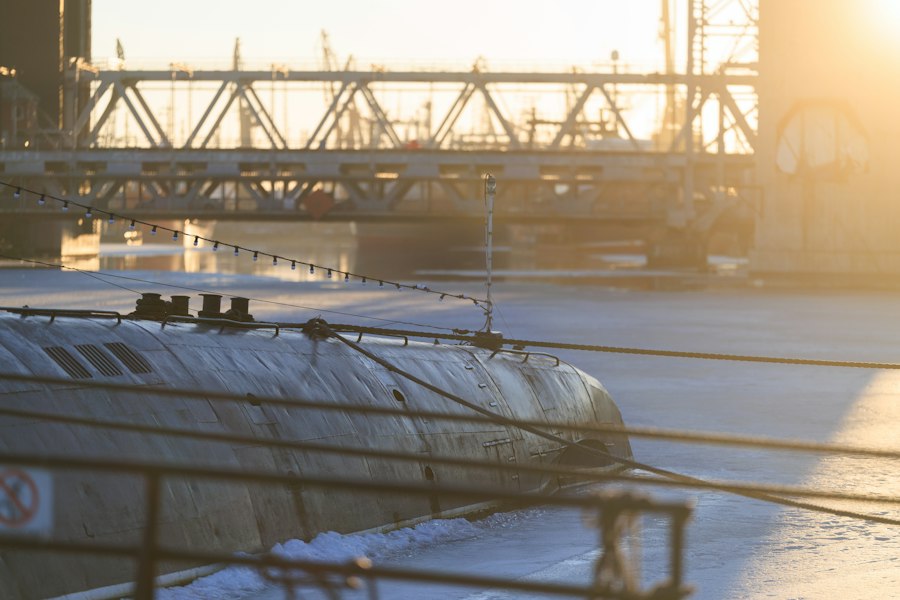
The Soviet Navy employed a diverse array of submarine classes in the Mediterranean, each designed for specific operational roles. From the relatively quiet diesel-electric boats that could operate close to shore to the formidable nuclear-powered attack submarines (SSNs) and ballistic missile submarines (SSBNs), the variety of underwater platforms allowed for a flexible and comprehensive operational strategy. The selection of a particular submarine class for a mission was dictated by its intended objective, be it deep-sea reconnaissance, anti-ship warfare, or strategic deterrence.
Diesel-Electric Patrol Submarines: Stealthy Sentinels
Diesel-electric submarines, such as the Whiskey and Romeo classes, were the backbone of many early Mediterranean patrols. While lacking the sustained speed and operational depth of their nuclear counterparts, these submarines possessed a significant advantage in stealth, particularly when operating in shallower coastal waters. Their quieter acoustic signature made them more difficult to detect by NATO sonar systems, allowing them to infiltrate areas with a reduced risk of being identified. These submarines were often tasked with intelligence gathering missions, conducting covert surveillance of ports and naval bases, and potentially even laying mines in strategic chokepoints. Their operational range, though limited by the need for regular surfacing to recharge batteries, was sufficient for extended patrols within the Mediterranean basin. The strategic deployment of these diesel-electric submarines often aimed to create a persistent, low-level threat, forcing NATO navies to maintain constant vigilance in coastal areas. Their ability to operate submerged for extended periods, punctuated by short snorkel periods for battery charging, made them ideal for clandestine operations where minimal detection was paramount.
Nuclear-Powered Attack Submarines: The Hunter-Killers
The introduction of nuclear-powered attack submarines (SSNs) marked a significant leap in Soviet naval capabilities in the Mediterranean. Classes like the Victor and November series brought unprecedented speed, endurance, and operational depth to the Soviet submarine force. These formidable vessels were designed to hunt and destroy enemy submarines and surface ships. Their nuclear propulsion allowed them to remain submerged for months at a time, covering vast distances and operating with a high degree of operational freedom. In the Mediterranean, these SSNs were primarily tasked with shadowing and, if necessary, engaging NATO carrier strike groups and other high-value naval assets. Their advanced sonar and weapon systems made them a potent threat, capable of launching torpedoes and anti-ship missiles from submerged positions. The constant presence of these “hunter-killers” forced NATO navies to adopt more complex anti-submarine warfare (ASW) tactics, dedicating significant resources to protecting their capital ships. The agility and speed of these nuclear-powered submarines allowed them to position themselves advantageously for attacks, often operating in coordinated patrols with other submarines to create complex tactical scenarios for their NATO counterparts.
The strategic significance of Soviet submarine patrols in the Mediterranean during the Cold War has been a topic of extensive analysis, shedding light on the geopolitical tensions of the era. For a deeper understanding of this intricate subject, you can explore a related article that discusses the implications of these underwater missions and their impact on international relations. This insightful piece can be found here, providing valuable context to the historical narrative surrounding Soviet naval operations.
Ballistic Missile Submarines: The Ultimate Deterrent
While less frequently deployed for routine patrols in the Mediterranean compared to attack submarines, the presence of Soviet ballistic missile submarines (SSBNs) in the region, or their potential transit through its waters, represented the ultimate form of strategic deterrence. These submarines, armed with nuclear-tipped ballistic missiles, were the Soviet Union’s ultimate strategic insurance policy. While their primary operational areas were typically further afield, the possibility of their deployment or transit through the Mediterranean instilled a profound sense of strategic gravity for NATO. The mere knowledge of their potential presence in such a strategically sensitive area would have forced NATO to allocate significant defensive resources and heightened the stakes of any direct confrontation. These SSBN patrols were less about tactical intelligence and more about ensuring the survivability of the Soviet nuclear deterrent, a critical element of the doctrine of Mutually Assured Destruction (MAD). Any deployment of SSBNs into the Mediterranean would have been a significant geopolitical event, signaling a high level of tension and a readiness for existential conflict.
Operational Challenges and Close Encounters
Operating submarines in the confined and heavily trafficked waters of the Mediterranean presented a unique set of challenges for the Soviet Navy. The complex underwater acoustics, the presence of numerous fishing vessels, and the constant vigilance of NATO anti-submarine warfare (ASW) forces created a high-stakes environment. Despite the risks, numerous patrols were conducted, and there were undoubtedly countless near misses and tense moments as Soviet submarines navigated these treacherous waters.
Navigating Congested Waters and Acoustic Warfare
The Mediterranean, while strategically vital, is a relatively shallow and highly trafficked sea. This presented significant challenges for submarine operations, particularly for stealth. The abundance of civilian shipping, including fishing fleets, created a constant “noise” that could mask a submarine’s acoustic signature, but also increased the risk of collision. Soviet submarines had to carefully navigate these busy waterways, often operating at shallow depths to avoid detection while simultaneously trying to avoid accidental encounters with surface vessels. Furthermore, the Mediterranean was a hotbed of ASW activity. NATO nav
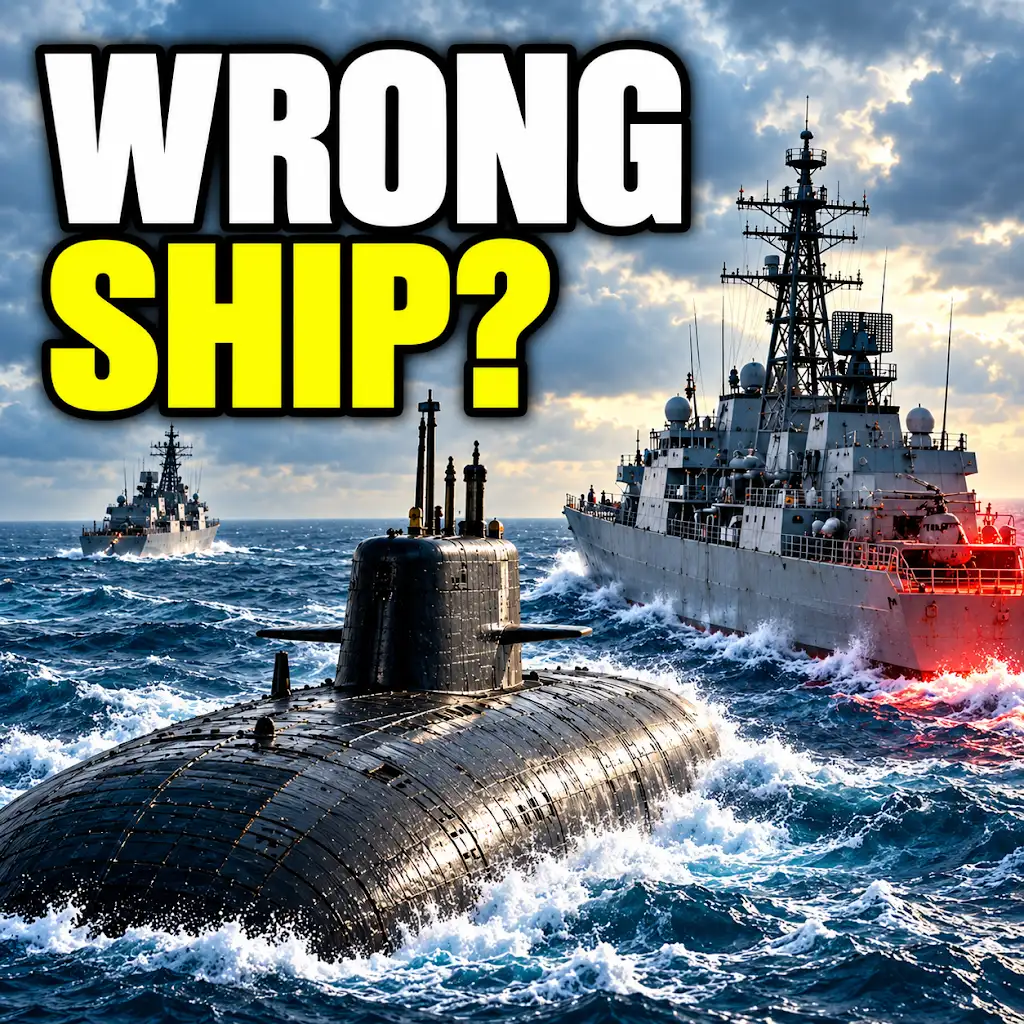
A Soviet Submarine Hit a U.S. Frigate. Was It the Wrong Ship?
FAQs
1. How many Soviet submarines were typically involved in Mediterranean patrols?
During the Cold War, the Soviet Union usually deployed around 4-6 submarines at a time for Mediterranean patrols.
2. What was the primary purpose of Soviet submarine Mediterranean patrols?
The main goal of these patrols was to monitor and gather intelligence on NATO naval activities in the Mediterranean Sea.
3. How long did a typical Soviet submarine Mediterranean patrol last?
Patrols typically lasted for several weeks to a few months, depending on the specific mission objectives and operational requirements.
4. Did Soviet submarines face any challenges during their Mediterranean patrols?
Yes, Soviet submarines faced challenges such as navigating through busy shipping lanes, avoiding detection by NATO forces, and dealing with the harsh underwater environment of the Mediterranean Sea.
5. Were there any notable incidents involving Soviet submarines during Mediterranean patrols?
One of the most famous incidents was the Cuban Missile Crisis in 1962, when a Soviet submarine nearly launched a nuclear torpedo in response to depth charges from U.S. Navy ships.